Lavender Fields in Thrace: A Fragrant Turkish Summer Escape
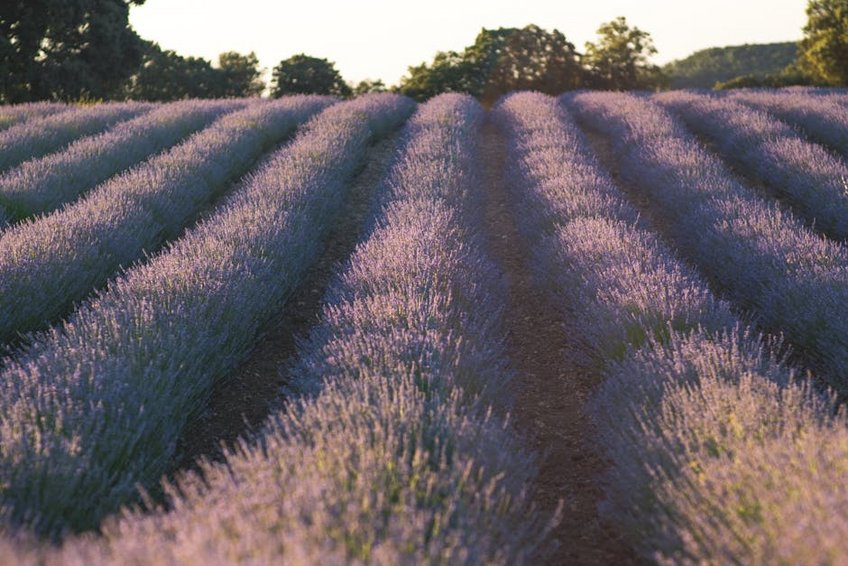
Exploring the lavender fields in Thrace offers a uniquely serene and photogenic travel experience in northwestern Turkey. This region transforms each summer into a vibrant purple sea, providing a captivating alternative to the crowded, famous fields of Provence. Your journey here blends agricultural beauty with the rich cultural tapestry of Turkish Thrace, creating memories centered on sight, scent, and local flavor.
Discovering Turkey’s Purple Heartland
Thrace, or Trakya in Turkish, is the European portion of Turkey, bordered by Bulgaria, Greece, and the Sea of Marmara. Its landscape is a rolling patchwork of sunflower fields, vineyards, and oak forests, with lavender cultivation becoming a defining summer feature. The climate here, with hot, dry summers and cold winters, is perfect for lavender, which thrives in well-drained, sunny conditions.
The lavender boom in this area is a relatively recent agricultural success story. Local farmers began planting Lavandula angustifolia and hybrid varieties to diversify crops and tap into the global essential oil market. This initiative has blossomed into a major tourist draw, putting towns like Kırklareli and Edirne on the map for scenic summer travel.
Why Thrace’s Lavender Stands Out
While Provence is world-famous, Thrace’s lavender experience is distinct. The fields are often less commercialized, allowing for a more intimate connection with the landscape and farmers.
- The region offers a cultural blend, where you can photograph endless purple rows in the morning and explore magnificent Ottoman architecture in Edirne by the afternoon.
- Harvest timing is crucial; the blooms peak from late June through mid-July, with distillation for oil occurring shortly after, filling the air with an intense fragrance.
- Visiting supports local family-run farms directly, as many offer small roadside stalls selling pure lavender oil, dried bouquets, and handmade soaps.
- Budget Traveler ($50-70 USD/day): This covers hostel or campsite stays, self-catering or street food (like gözleme and simit), public buses between major towns, and free field visits. Focus spending on a few quality lavender oil bottles from farm stands.
- Mid-Range Traveler ($100-150 USD/day): This allows for comfortable hotels or boutique guesthouses, meals at local restaurants (including Thracian specialties), a compact rental car, and entry fees to major sites like the Selimiye Mosque and Edirne Museum.
- Luxury Experience ($200+ USD/day): This tier includes stays at upscale rural hotels or restored houses, private guided tours of fields and distilleries, fine dining featuring regional wine pairings, and a premium SUV rental for exploring backroads with ease.
- Republic of Turkey Ministry of Culture and Tourism – Edirne Portal
- Lonely Planet Travel Guide – Thrace Region
- Kırklareli Governorate Official Website
The Geography and Key Towns
The primary lavender cultivation is centered in Kırklareli province, particularly around the villages of Kofçaz, Üsküp, and Vize. These areas feature the most expansive and picturesque rolling fields. The city of Edirne, famed for the Selimiye Mosque, acts as the region’s cultural anchor and a major gateway for travelers arriving by road or from Istanbul.
Traveling between these points reveals the diverse character of Turkish Thrace. You will pass through vast agricultural plains, historic towns with traditional wooden houses, and forested areas, making the drive part of the destination’s appeal. The road network is generally good, making a self-drive itinerary the most flexible option.
Understanding Lavender Cultivation
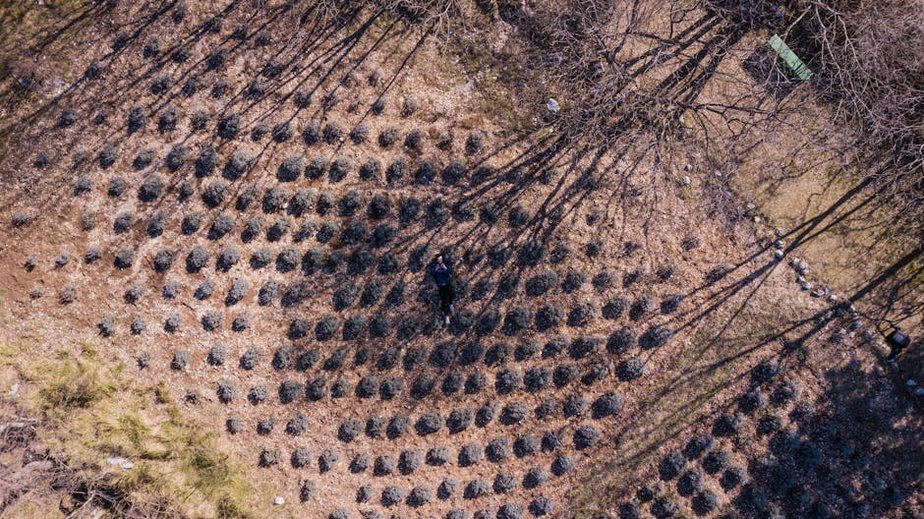
Lavender farming is a meticulous, year-round process. Pruning happens in early spring to shape the plants, followed by a rapid growth phase fueled by the Thracian sun. The harvest period is a brief, intense window where the essential oil content in the flowers is at its peak, requiring swift work by farmers and seasonal laborers.
After cutting, the blooms are quickly taken for distillation. This process uses steam to separate the precious essential oil from the plant material. The resulting oil is used in perfumes, cosmetics, and aromatherapy, while the hydrosol (lavender water) is a popular local product for skin care.
Alt: “thrace-turkey-lavender-fields-summer-harvest-landscape”
Lavender Fields in Thrace – Planning Your Trip
A successful visit to these aromatic fields hinges on precise timing and logistical planning. The bloom period is fleeting, typically lasting from the third week of June through the end of July, with variations each year based on spring rainfall. You should plan your core dates for this narrow window to see the fields at their most vibrant purple.
Accommodation should be booked several months in advance, especially for weekend stays in July. While day trips from Istanbul are possible, staying overnight in Kırklareli or Edirne allows for early morning and late evening photography when the light is soft and crowds are minimal. Renting a car is virtually essential for reaching the most photogenic, spread-out farms.
Your budget for a lavender-focused trip can vary widely. A frugal traveler camping or staying in guesthouses can manage on $50-70 USD per day, while a more comfortable mid-range trip with rental car and hotel stays will run $100-150 USD per day. This cost covers local meals, fuel, entrance fees to cultural sites, and lavender products.
Best Time to Visit the Thracian Lavender Fields
The absolute peak bloom for photography is usually from June 25 to July 20. During this period, temperatures range from 75°F to 90°F (24°C to 32°C), with long, sunny days and low humidity. Mornings are calm and ideal for photos, while afternoons can be quite hot, perfect for retreating to a shaded café.
For a quieter experience with slightly less intense color, consider the shoulder weeks at the start of June or the very end of July. By early August, most fields will have been harvested, leaving green rows of plants. The annual Lavender Festival in Kırklareli typically occurs in early July, offering local crafts, food, and music amidst the blooms.
Budget Planning and Costs
Your daily expenses in Thrace are relatively moderate compared to Western Europe. Here is a breakdown by travel style.
Essential Preparation Checklist
Pack for a summer agricultural adventure. Lightweight, breathable clothing in natural fibers is essential, along with a wide-brimmed hat, high-SPF sunscreen, and sturdy, comfortable shoes for walking on uneven terrain. Photographers must bring a polarizing filter to deepen the blue sky against the purple flowers and a macro lens for close-up shots of bees on the blooms.
Ensure your travel documents are in order. Most Western nationals (US, EU, UK, Canada) receive a 90-day tourist visa upon arrival or via e-Visa. Secure a Turkish SIM card for reliable navigation, as rural coverage can be spotty. Book your rental car well in advance from Istanbul’s airport (IST or SAW) for the best rates and selection.
Top Attractions and Sensory Experiences
Beyond the iconic purple rows, Thrace is a region rich with historical and culinary delights. The contrast between the tranquil, fragrant fields and the grand Ottoman imperial architecture provides a wonderfully balanced itinerary. You can spend your days immersed in natural beauty and your evenings exploring vibrant local culture.
The region’s food is a highlight, characterized by hearty dishes, excellent local wines, and sunflower oil production. Meze (appetizer) culture is strong here, often featuring white cheese, melon, and various dips. Pair this with a visit to a local vineyard for a complete taste of Thracian hospitality.
Must-See Highlights
Begin in Edirne with the Selimiye Mosque, a UNESCO World Heritage site and masterpiece by architect Mimar Sinan. Its soaring central dome and intricate Iznik tile work are breathtaking. Afterwards, visit the historic Selimiye Arasta (market street) for shopping and the nearby Edirne Museum to understand the region’s complex history.
The lavender fields around Kofçaz and Vize are the primary draw. Farms like the Lavanta Bahçesi (Lavender Garden) often welcome visitors for photos and purchases. The rolling hills here create perfect, undulating lines of purple that are incredibly photogenic, especially during the golden hour just before sunset.
Don’t miss the İğneada Floodplain Forests National Park near the Black Sea coast. This unique ecosystem of longoz (floodplain) forests offers a completely different, lush green landscape to contrast with the inland purple hues, with boardwalk trails and rich birdlife.
Hidden Gems and Local Favorites
Venture to the small village of Beyazıt near Kırklareli to find fields that are less visited but equally beautiful. The interaction with farmers here is more likely, offering insight into the cultivation process. Many small-scale producers don’t advertise but are happy to chat if you approach respectfully.
Seek out the historic Greek villages in the region, such as Kaynarca. These areas feature distinctive stone architecture and abandoned churches, telling the story of Thrace’s diverse population exchanges in the early 20th century. They offer a poignant, historical layer to the scenic landscape.
Wine Tasting in Thrace
Thrace is Turkey’s premier wine-producing region, with a history dating back to antiquity. Several boutique wineries offer tours and tastings amidst vineyards that look stunning against the summer sky. Wineries like Château Kalpak and Barbare Wines produce excellent Cabernet Sauvignon, Merlot, and local Öküzgözü varieties.
A wine tasting tour pairs perfectly with a lavender field visit, representing the two key agricultural products of the region. Most wineries require reservations for tours, which can often be arranged through your accommodation. The combination of fine wine and local meze creates a memorable culinary end to a day of exploration.
Practical Travel Information and Logistics
Navigating Thrace is straightforward with a car. The main highway (D100/E80) connects Istanbul to Edirne, with well-signed exits for Kırklareli and the lavender villages. Google Maps generally works well, but downloading offline maps is a wise precaution for rural areas where cell service may drop.
Accommodation ranges from basic pansiyons (guesthouses) in villages to modern business hotels in city centers. For the most authentic experience, look for agritourism stays on or near farms. These often include home-cooked meals and direct access to fields at dawn—the best time for photography.
| Accommodation Type | Best For & Features | Price Range (Nightly USD) |
|---|---|---|
| Village Guesthouse (Pansiyon) | Budget travelers, authentic local interaction, basic amenities | $25 – $45 |
| City Center Hotel (Edirne/Kırklareli) | Convenience, modern comforts, proximity to restaurants & sights | $50 – $90 |
| Boutique Hotel / Agritourism Farm | Unique experience, rural setting, home-cooked meals, field access | $80 – $150 |
| Luxury Hotel / Historic Mansion | Special occasions, high-end service, swimming pools, gourmet dining | $150+ |