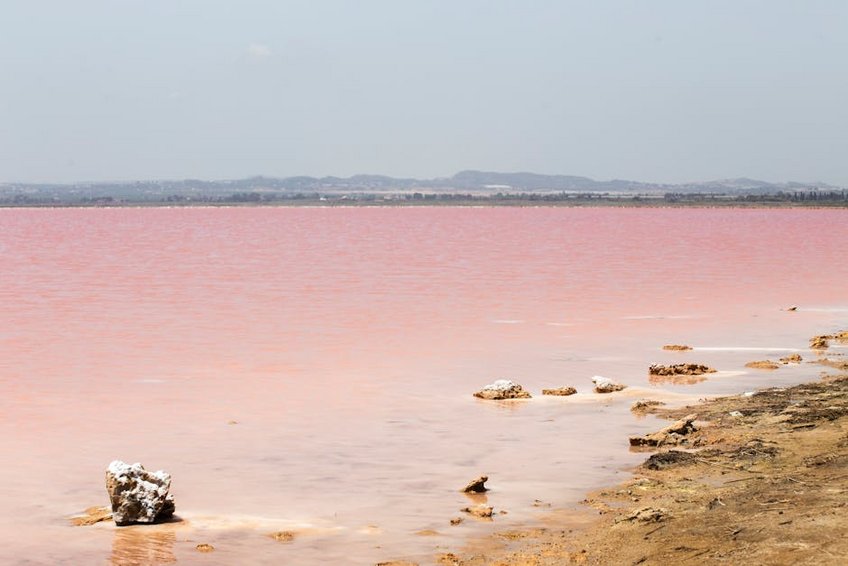
Salt Lake Views in Central Anatolia
Central Anatolia’s Tuz Gölü, or Salt Lake, offers some of Turkey’s most surreal and expansive salt flat views, creating a starkly beautiful landscape that shifts with the seasons. This vast inland basin becomes a shimmering white desert in summer and a reflective pink-hued mirror at sunset, providing a unique and photogenic destination far from the country’s coastal crowds. This guide provides practical planning tips, seasonal timing advice, and cultural insights to help you experience these remarkable salt lake views in Central Anatolia.
Understanding Tuz Gölü: Turkey’s Second Largest Lake
Tuz Gölü is a massive hypersaline lake spanning nearly 1,600 square kilometers across the provinces of Ankara, Konya, and Aksaray. Its depth rarely exceeds one meter, allowing vast salt crusts to form as water evaporates under the intense Anatolian sun. The lake’s primary water sources are seasonal streams and underground springs, making its size dramatically variable.
Historically, this body of water has been a critical salt production site for centuries, with evidence of harvesting dating back to ancient civilizations. Today, it supplies over 60% of Turkey’s domestic salt. The surrounding steppe ecosystem is a designated Special Environmental Protection Area, hosting breeding grounds for flamingos and other migratory birds.
Key Geological and Ecological Features
The lake’s unique conditions create a fragile yet fascinating environment. Understanding these elements enhances your visit.
- The salt crust can reach up to 30 centimeters thick, formed through the evaporation of mineral-rich water in the basin’s closed hydrological system, with no outlet to the sea.
- From late spring to early autumn, the lake often appears completely white, a phenomenon caused by the crystallization of sodium chloride and other minerals on the surface.
- The surrounding plains are part of the Central Anatolian steppe, characterized by drought-resistant vegetation and serving as a vital habitat for species like the endangered Persian gazelle.
- Budget travelers can manage for under $50 per day by taking a public bus from Ankara to Aksaray ($5-8), renting a bicycle locally for lake access ($10), staying in a hostel ($15-20), and packing their own food and water for the day trip.
- A mid-range trip costing $80-120 per day includes renting a compact car from Ankara for flexibility ($30-40/day), staying in a comfortable 3-star hotel in Aksaray ($35-50), enjoying meals at local restaurants ($15-20), and paying for fuel for the drive to various viewpoints around the lake.
- A luxury experience ($200+ per day) involves a private guided tour from Cappadocia or Ankara ($100-150), a stay in a boutique cave hotel in Cappadocia with a day trip to the lake ($80-120), and gourmet picnic arrangements at a scenic spot by the shore with a photographer guide.
- Republic of Turkey Ministry of Culture and Tourism – Tuz Gölü
- UNESCO World Heritage Centre – Tuz Gölü Special Environmental Protection Area
Seasonal Transformations and Timing
The character of the Turkish salt flats changes completely with the seasons. In summer, typically from June through September, the lake bed is a dry, cracked, and brilliantly white expanse under a vast sky. Temperatures frequently soar above 95°F (35°C), creating intense heat haze and mirages on the horizon.
During spring, particularly April and May, melting snow and seasonal rains bring water to the basin. This creates the iconic mirror effect, where the shallow water reflects the sky, offering stunning photography conditions at sunrise and sunset. This is also the prime season for birdwatching, as flamingos arrive to feed on algae in the brackish water.
Cultural and Economic Significance
Salt harvesting remains a vital local industry. You can see modern salt pans and evaporation pools along the lake’s southern shores, particularly near the town of Şereflikoçhisar. Traditional methods have been supplemented by industrial operations, but the sight of salt mounds waiting for transport is a striking part of the landscape.
For locals, the lake is both a resource and a point of regional pride, featuring in local folklore and art. Its economic importance is balanced with growing environmental efforts to protect its unique ecosystem from pollution and unsustainable water usage.
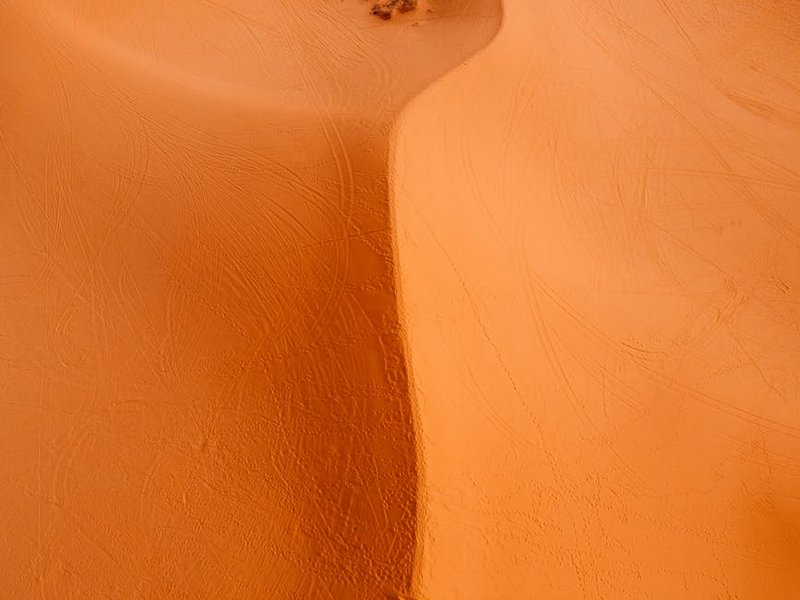
Alt: “tuz-golu-salt-lake-turkey-mirror-reflection-sunset”
Salt Lake Views in Central Anatolia – Planning Your Trip
Successfully visiting these expansive salt flats requires strategic planning due to the remote location and extreme climate. Your experience hinges on choosing the right season for your desired visuals, whether it’s the cracked desert-like panorama or the iconic water reflections. Transportation is best arranged via private vehicle for flexibility, as public transit options to the most scenic viewpoints are limited.
Accommodations are not available on the lake shores themselves, so basing yourself in nearby cities like Aksaray or Şereflikoçhisar is necessary. Allocate at least a half-day for your visit, with extra time for photography during the golden hours. Entry to the lake area is generally free, but always respect environmental protection barriers and signage.
Best Time to Visit the Turkish Salt Flats
For the classic mirror-like reflections and pleasant weather, target the shoulder seasons of April-May and late September-October. Daytime temperatures range from a comfortable 60-75°F (15-24°C), and the presence of water creates the stunning visual effects the location is famous for. Bird activity, including greater flamingos, is also highest during these months.
The stark, white desert landscape is visible throughout the hot, dry summer from June to August. Be prepared for extreme heat, often exceeding 100°F (38°C), and intense sun with no shade. Winter visits from December to February can be cold, with temperatures dropping below freezing, but offer a serene, frost-dusted landscape with few other visitors.
Budget Planning and Costs
A visit to Tuz Gölü is generally low-cost, with primary expenses being transportation and accommodation.
Essential Preparation Checklist
Packing correctly is crucial for comfort and safety in this exposed environment. Essential items include high-SPF sunscreen (50+), a wide-brimmed hat, polarized sunglasses to reduce glare, and sturdy, closed-toe shoes that can handle sharp salt crystals. For photography, bring lens cleaning equipment to combat salt dust, a sturdy tripod for low-light shots, and protective gear for your camera.
Ensure you have a valid passport, as standard tourist visas for Turkey apply. While no special permit is needed to view the lake, always carry plenty of drinking water—at least 2 liters per person—as there are no services on the lake bed. Download offline maps (Google Maps works well) as cellular service can be unreliable in the basin.
Top Attractions and Photography Spots
The immense scale of the lake means views are everywhere, but specific access points and landmarks offer the best compositions and easiest visitation. The most famous viewpoint is along the D-750 highway between Ankara and Aksaray, where designated pull-off areas allow safe parking and direct walk-on access to the salt crust. This area provides the classic, endless horizon shots.
For more unique perspectives, explore the less-visited southern shores near the village of Yavşan. Here, the landscape often features interesting salt formations and smaller pools, creating more textured photographic opportunities. Always check the ground stability before walking far onto the crust, especially in spring when subsurface water may linger.
Must-See Highlights and Viewpoints
The main highway viewpoint (D-750) is the most accessible and popular spot. It offers a dramatic, uninterrupted view of the white expanse, perfect for sunrise and sunset photography. There are often small salt mounds and patterns here created by the wind and water evaporation.
Near Şereflikoçhisar, you can visit the active salt works. Observing the industrial harvest process, with its geometric evaporation pools and piled salt mountains, adds a fascinating human element to the natural landscape. Respect any “No Entry” signs, as these are working facilities.
The Lake’s western edges, accessible via smaller roads from the town of Haymana, offer a different vantage point with the Anatolian hills in the background. This area is particularly beautiful in late afternoon light when the low sun casts long shadows across the salt patterns.
Hidden Gems and Local Favorites
For a truly secluded experience, local guides recommend the area around Tersakan Lake, a smaller adjacent basin. It’s less frequented and often has beautiful, undisturbed salt patterns and birdlife. Access requires a 4×4 vehicle or a willingness to hike a few kilometers from the nearest dirt road.
In the village of Kulu, north of the main lake body, a small colony of flamingos can sometimes be seen in a dedicated wetland area during migration seasons. This spot provides a chance to see wildlife against the surreal salt backdrop without disturbing their habitat.
Sunset and Night Photography
The salt flat views become truly magical during the golden hour. The low-angle light enhances the texture of the salt crust and casts a warm glow. As the sun dips below the horizon, the sky often erupts in pinks and oranges, reflected perfectly in any standing water.
For night photography, the remote location offers minimal light pollution. On clear nights, you can capture stunning shots of the Milky Way arching over the stark, flat landscape. A moonless night provides the darkest skies, but a partial moon can beautifully illuminate the white salt surface itself.
Practical Travel Information and Logistics
Reaching the salt flats requires a focus on road travel, as there is no direct public transportation to the shoreline. The most common gateway cities are Ankara, Turkey’s capital, and the tourist hub of Cappadocia. From either location, you’ll need to rent a car or book a tour to reach the best viewpoints comfortably and safely.
Accommodation options are located in towns around the lake’s periphery, not on the shores themselves. Aksaray offers the closest convenient base with a range of hotels, while Şereflikoçhisar provides a more authentic small-town experience. Cappadocia, though a longer drive, combines the salt lake visit with one of Turkey’s premier tourism regions.
| Accommodation Base | Key Features & Distance to Lake | Price Range Per Night (USD) |
|---|---|---|
| Aksaray | Largest nearby city, multiple hotel choices, 40-50 minute drive to main viewpoint, good restaurant selection. | $25 – $70 |
| Şereflikoçhisar | Closest town to southern shores, authentic local atmosphere, basic hotels and guesthouses, near salt works. | $20 – $45 |
| Cappadocia (Göreme/Ürgüp) | High-quality boutique hotels, world-class tourism infrastructure, 2-2.5 hour drive to lake, ideal for multi-day itinerary. | $60 – $300+ |
| Ankara | International airport access, wide range of all hotel categories, 1.5-2 hour drive to lake, suitable for day trips. | $40 – $150 |