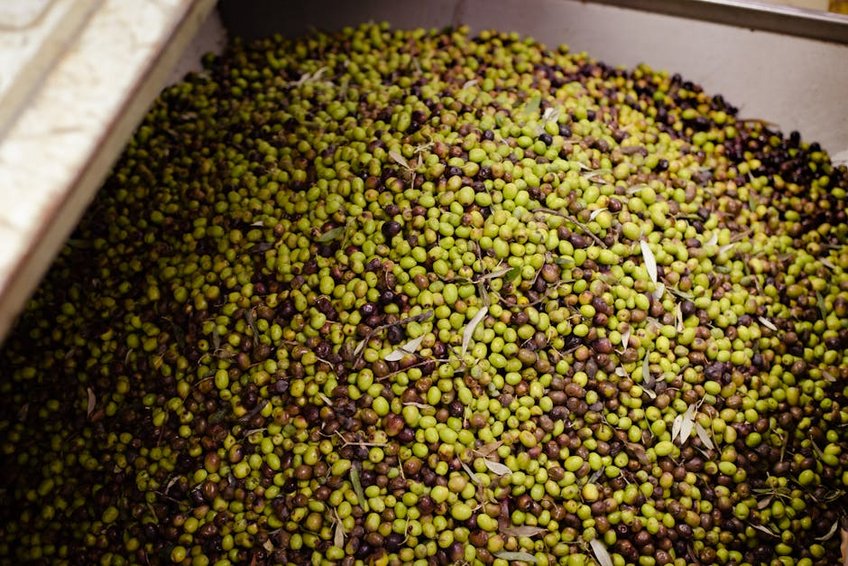
Olive Harvest Experience in the Aegean
Participating in an olive harvest experience in the Aegean immerses you in a timeless Mediterranean tradition that defines the region’s culture and cuisine. You’ll work alongside local farmers, learning age-old techniques for gathering and pressing olives into liquid gold under the mild autumn sun. This guide covers everything from choosing the right harvest program and what to pack to understanding the cultural significance behind each step of the process.
Essential Harvest Information
The olive harvest in the Aegean Sea region typically runs from late October through December. The exact timing depends on the olive variety and the desired acidity level for the oil. Harvests occur on islands like Lesvos, Crete, and Samos, as well as in coastal areas of western Turkey.
This is a community-centered activity that has shaped local life for millennia. The harvest marks a crucial economic and social period where families and neighbors come together. The tradition represents a deep connection to the land, passed down through generations with great pride.
What You Need to Know Before You Go
Understanding a few key points will ensure you get the most from your agricultural adventure.
- The work is physical and involves repetitive motions like raking nets, climbing ladders, and carrying buckets, requiring a moderate fitness level.
- Weather is unpredictable; autumn can bring warm sun, cool winds, or sudden rain showers, so versatile clothing is essential.
- Programs vary from half-day tourist sessions to week-long immersive volunteering stays, so match the commitment to your interest and stamina.
- Budget programs ($300-$500/week) often involve volunteering on a farm in exchange for room and board. You’ll work 4-6 hours daily, live simply, and need to arrange your own transport to the location.
- Mid-range tours ($800-$1,500/week) provide structured learning, comfortable agritourism lodging, all meals, and local transportation. This offers the best balance of comfort, education, and authentic participation.
- Luxury immersion ($2,000+/week) includes stays in restored estate houses, private guided harvests, gourmet meals with paired wines, and visits to award-winning mills. This is for travelers seeking a deep dive into oleiculture with high-end amenities.
- Greek National Tourism Organization
- Olive Oil Times
Key Cultural Details
Olive oil is not merely a product here but a symbol of peace, wisdom, and prosperity. Many groves contain trees that are centuries old, with gnarled trunks telling stories of the region’s history. The first cold-press oil of the season, called “agoureleo,” is celebrated for its vibrant, peppery flavor and is often tasted straight from the mill.
Participating respectfully means following the lead of local farmers. They’ll teach you which olives to pick and which to leave, often preferring hand methods over machinery to protect the trees and fruit. This hands-on approach results in superior, extra virgin olive oil with acidity below 0.8%.
The Harvest Process Steps
Your day will start early to make the most of the cooler morning hours. Farmers often use large nets spread under the trees to catch the falling fruit. You may use small rakes or your hands to gently comb the branches, a method that prevents bruising the olives.
The collected olives are then transported to a local cooperative or traditional mill. There, they are washed, crushed into a paste, and malaxed (slowly mixed). The paste is finally spun in a centrifuge to separate the water from the precious, green-hued oil, which is ready for tasting immediately.
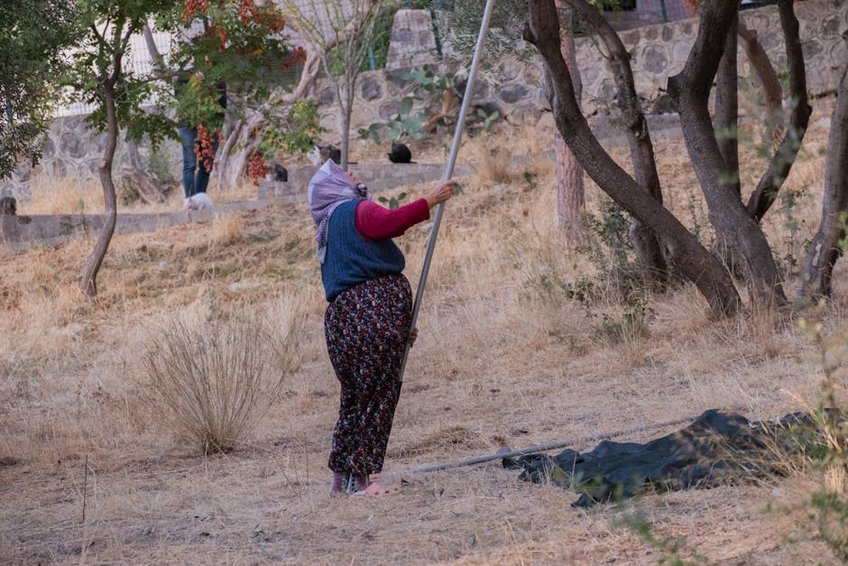
Alt: “aegean-olive-grove-harvest-season-farmers-nets”
Olive Harvest Experience in the Aegean – Planning Your Trip
Securing your spot in an authentic harvest requires advance planning. Many family-run farms and agritourism businesses offer structured programs, but they fill quickly for the short season. Research operators that emphasize cultural exchange and sustainable practices over purely tourist-focused activities.
Your budget should account for the program fee, which often includes meals and accommodation, plus travel to the often-rural locations. Consider whether you want a hotel-based tour with daily transport or a full immersion stay on a working farm. Each offers a different perspective on rural Aegean life.
Align your travel dates with your goals. Early harvests (late October) yield greener, more pungent oil, while later picks (December) produce a milder, golden oil. The weather is also milder in the earlier weeks, with average temperatures between 59-68°F (15-20°C).
Best Time to Visit for the Harvest
The prime window for an Aegean olive harvest experience falls between late October and late November. During this period, daytime temperatures range from a pleasant 60-70°F (16-21°C), and the summer crowds have dissipated. The olives have achieved optimal ripeness, balancing oil content and flavor compounds.
Visiting in early December is still possible, especially in warmer microclimates like southern Crete. However, you risk encountering cooler weather and the tail end of the season. Booking your program by early September is advisable to guarantee placement with a reputable host family or farm.
Budget Planning and Costs
Costs can vary significantly based on the program’s length and inclusions.
Essential Preparation Checklist
Packing correctly is crucial for comfort and safety. You’ll need sturdy, closed-toe shoes with good grip for uneven terrain, durable work gloves, and layered clothing. Include a warm layer for chilly mornings, a waterproof jacket, a wide-brimmed hat, and high-SPF sunscreen.
Beyond gear, ensure your travel insurance covers light agricultural work. EU/US passport holders typically don’t need a visa for Greece or Turkey for stays under 90 days. Learn a few basic Greek or Turkish phrases related to farming; this effort is greatly appreciated by local hosts.
Top Attractions and Activities
Beyond the groves, the Aegean region offers stunning landscapes and historical sites. Use your afternoons or days off to explore ancient ruins that often overlook the sea, hike coastal trails through aromatic maquis shrubland, or visit picturesque mountain villages. The slower pace of autumn is perfect for discovery.
The sea remains swimmable into early November for the brave, with water temperatures around 68°F (20°C). Coastal towns are quieter, allowing you to enjoy tavernas and cafes alongside locals. This season provides a more genuine glimpse into island and coastal life beyond the summer tourism boom.
Must-See Highlights
Visit the ancient olive tree of Vouves in Crete, estimated to be over 3,000 years old. Nearby, the Archaeological Museum of Chania displays Minoan pottery depicting olive cultivation, showing its ancient roots. Both sites connect your hands-on work to a profound historical narrative.
In Lesvos, the village of Agia Paraskevi hosts one of the world’s few olive oil museums, showcasing traditional tools. The island of Samos is famed for its sweet, golden oil; tour a local cooperative to taste the difference. Each location adds a unique layer to your understanding of the harvest.
Hidden Gems and Local Favorites
Seek out small, family-owned mills that still use stone crushers. These “patini” mills operate slowly and are often open for visitors to see the entire, unfiltered process. The oil here tastes remarkably vibrant and grassy compared to large-scale production.
Ask your host about local harvest festivals, called “panigyria.” These impromptu feasts celebrate the season’s first oil with music, dancing, and communal meals. It’s a privileged insight into community spirit that isn’t advertised in travel brochures.
Complementary Culinary Workshops
Many agritourism spots offer cooking classes focused on using the new oil. You’ll learn to make traditional dishes like “ladera” (vegetables cooked in oil), savory pies, and even olive oil-based desserts. These classes deepen your appreciation for the fruit of your labor.
Some programs include soap-making workshops using olive oil and local herbs. This zero-waste practice highlights the historical use of every part of the harvest. You’ll create a natural, aromatic souvenir to take home.
Practical Travel Information
Reaching the harvest locations usually involves flying into a major hub like Athens (ATH), Istanbul (IST), or Heraklion (HER), then taking a domestic flight or ferry. Renting a car is highly recommended for flexibility, as many farms are in rural areas with limited public transport. Book ferries in advance, even in autumn.
Accommodation ranges from simple farm guest rooms to boutique hotels in nearby villages. Staying on-site maximizes your immersion, while village lodging offers more evening exploration. Confirm what meals are included; farm stays typically provide hearty, home-cooked food made with local ingredients.
| Accommodation Type | Features & Considerations | Price Range/Night (USD) |
|---|---|---|
| Farm Stay / Volunteer Room | Basic private room, shared bathroom, all meals included, immersive family experience. | $50 – $80 (often as program fee) |
| Village Guesthouse | Simple hotel in a central location, private bathroom, breakfast included, requires commute to farm. | $70 – $120 |
| Agritourism Estate | Restored traditional house on farmland, ensuite, pool, gourmet meals, structured harvest activities. | $150 – $300 |
| Boutique Hotel | Luxury amenities in a nearby town, spa, fine dining, day trips to harvest sites included in package. | $200 – $400+ |