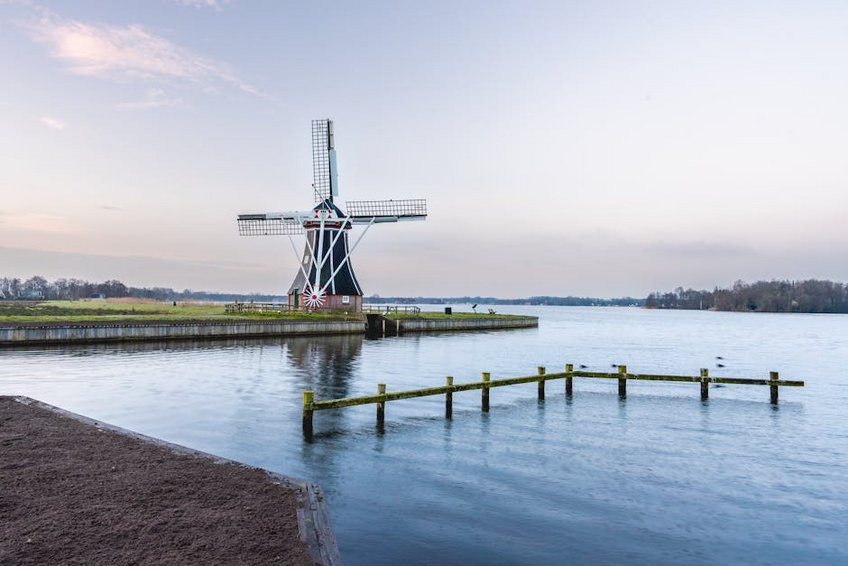
Benelux Countries Travel Guide: Discover Three Nations in One Trip
Planning a trip to Belgium, the Netherlands, and Luxembourg offers an efficient way to experience diverse European cultures within a compact, well-connected region. This Benelux countries travel guide provides the logistical framework and cultural insights needed to navigate from Amsterdam’s canals to Luxembourg’s castles seamlessly. You can explore world-class art, historic battlefields, and culinary capitals, all with minimal transit time between distinctly unique destinations.
Essential Benelux Information
The Benelux Union is an economic and political partnership between Belgium, the Netherlands, and Luxembourg, established in 1944. This cooperation makes cross-border travel exceptionally smooth, with excellent train and road networks linking the three nations. Understanding this regional cohesion is key to planning an efficient multi-country itinerary.
Each country retains its strong national identity. Belgium is famously divided between Dutch-speaking Flanders and French-speaking Wallonia, while Luxembourg has its own language, Luxembourgish. The Netherlands is renowned for its progressive urban planning and global connectivity. Recognizing these differences enriches your travel experience.
What Defines the Benelux Region
These three nations share more than just a border.
- The region is a political and economic pioneer, hosting key EU institutions in Brussels and Luxembourg City, making it the de facto capital of Europe.
- Geographically, it features a dramatic contrast from the Netherlands’ flat, reclaimed polders to the Ardennes forests in Luxembourg and Belgium.
- Culturally, it’s a powerhouse of art history, being the home of Renaissance masters like Rembrandt and van Eyck, as well as groundbreaking modern artists like Mondrian.
- Budget Travel ($80-$120 USD/day): Stay in hostels or budget hotels, use public transport passes, enjoy street food and supermarket meals, and focus on free walking tours and public parks. Inter-city travel on budget bus lines is key.
- Mid-Range Travel ($150-$250 USD/day): This allows for comfortable 3-4 star hotel stays, regular train travel between cities, dining at casual restaurants for most meals, and entry to major museums and attractions.
- Luxury Travel ($350+ USD/day): Includes 5-star or boutique hotel stays, first-class rail seats, fine dining experiences, private guided tours, and unique activities like canal boat rentals or special access tours.
- Netherlands Board of Tourism & Conventions
- Visit Brussels Official Tourism Site
- Luxembourg National Tourist Office
Key Historical Context for Travelers
The Benelux area has been a crossroads of European history for centuries. Its strategic location has made it a frequent battleground, from the Napoleonic Wars to the World Wars. Visiting sites like Bastogne in Belgium or the Anne Frank House in Amsterdam provides profound historical perspective.
This history of conflict directly led to the post-war cooperation that created the Benelux Union and later inspired the European Union. This legacy of turning division into unity is palpable when you travel through the region today, witnessing seamless border crossings and shared infrastructure.
Navigating Language and Culture
English is widely spoken, especially in the Netherlands and Luxembourg, and in major Belgian cities like Brussels and Bruges. Learning a few basic Dutch (hallo, dank u wel) and French (bonjour, merci) phrases is appreciated and shows respect for the local culture.
Cultural norms are generally similar to broader Northwestern Europe, with a focus on punctuality and direct communication. Tipping is not as expected as in the US; rounding up the bill or leaving 5-10% for excellent service is sufficient.
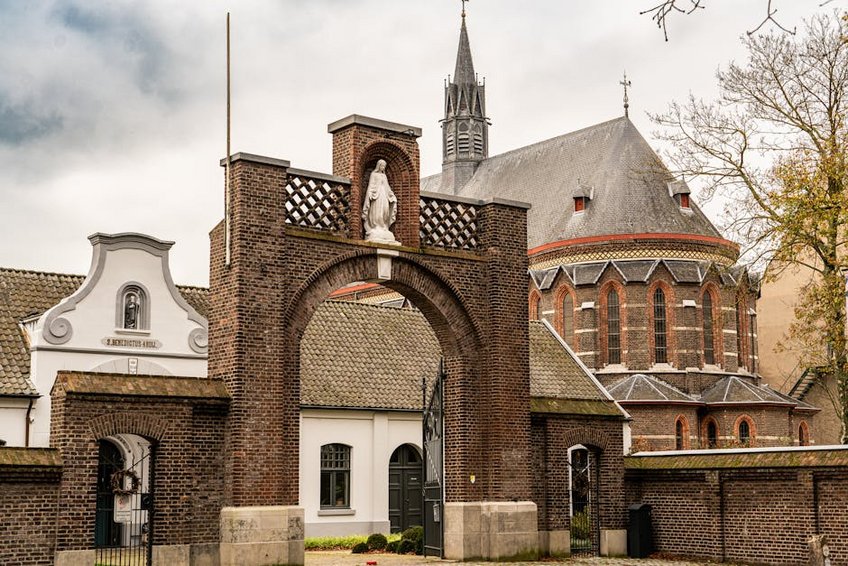
Alt: “amsterdam-canals-belgium-bruges-luxembourg-city-panoramic-view”
Benelux Countries Travel Guide – Planning Your Trip
Your multi-country adventure requires a different approach than a single-destination vacation. The key is leveraging the excellent rail network, which makes city-hopping straightforward. Focus on a hub-and-spoke model, using major transport hubs like Brussels or Amsterdam as your base for several days of exploration.
A realistic budget for a comfortable mid-range trip averages $150-$250 USD per person per day. This covers a nice hotel, train travel between cities, museum entries, and daily meals. Costs are highest in Amsterdam and Luxembourg City, with more affordable options in smaller Belgian towns.
Success hinges on smart sequencing. A classic route starts in Amsterdam, travels south to Brussels and Bruges, then east to Luxembourg before flying out. Alternatively, start in Luxembourg and work northward. Always check for multi-country rail passes for potential savings.
Best Time to Visit the Benelux Region
Late spring (May to early June) and early autumn (September to October) are ideal. You’ll enjoy mild temperatures between 60-70°F (15-21°C), fewer crowds compared to peak summer, and generally pleasant weather for walking and outdoor cafe culture. The famous Dutch tulip fields are in full bloom in mid-April.
Summer (July-August) is peak season with longer days but also larger crowds and higher prices. Winter (December-February) can be cold, 30-40°F (-1 to 4°C), but offers magical Christmas markets. Shoulder seasons provide the best balance of good weather, manageable tourism, and fair value.
Budget Planning and Costs
Daily costs vary significantly based on your travel style and chosen cities.
Essential Preparation Checklist
Pack for variable weather, even in summer. Essential items include a waterproof jacket or umbrella, comfortable walking shoes, layers like sweaters and scarves, and a universal power adapter (Type E/F plugs). A cross-body bag is practical for security in crowded areas.
For documentation, US and EU passport holders do not need a visa for stays under 90 days. Ensure your passport is valid for at least three months beyond your planned departure. Purchase comprehensive travel insurance that covers medical care and trip interruptions. Book inter-city train tickets in advance for the best fares.
Top Attractions and Must-See Sights
Each nation boasts iconic landmarks that define its character. The challenge is curating a list that reflects the region’s diversity without causing itinerary fatigue. Prioritize a mix of grand urban experiences and quieter, picturesque towns to understand the full Benelux appeal.
Art is a central theme, from the Dutch Golden Age to surrealist Magritte. History is equally present, from medieval town squares to WWII memorials. Balancing these elements with relaxed time for cafe lingering and canal-side strolls creates a fulfilling trip.
Must-See Highlights in Each Country
In the Netherlands, Amsterdam’s Canal Ring (a UNESCO site) and the Rijksmuseum are non-negotiable. The Van Gogh Museum and Anne Frank House require advance online bookings. Beyond Amsterdam, consider the Mauritshuis in The Hague to see Vermeer’s “Girl with a Pearl Earring.”
Belgium’s crown jewels include the Grand Place in Brussels, the perfectly preserved medieval center of Bruges, and the battlefield of Waterloo. Ghent offers a less crowded alternative to Bruges with a stunning castle and cathedral. Luxembourg’s must-see is the Bock Casemates, a network of underground fortifications in its dramatic capital.
Hidden Gems and Local Favorites
Venture beyond the capitals. In the Netherlands, visit Utrecht for its wharf cellars along the canals or Maastricht for a distinct southern European vibe. In Belgium, the university town of Leuven has a stunning library and vibrant beer culture, while Dinant in Wallonia is dramatically set on a cliff beside the Meuse River.
In Luxembourg, the Mullerthal Region is known as “Little Switzerland” for its stunning hiking trails and rock formations. Echternach, a nearby town, hosts a famous dancing procession. These spots offer a respite from urban crowds and a glimpse into regional life.
Art and Museum Strategy
The density of world-class museums can be overwhelming. Focus on one or two major collections per city to avoid “museum fatigue.” The Museumkaart in the Netherlands offers excellent value if you plan to visit several sites. In Brussels, the Museum of Fine Arts combines Old Masters and Magritte.
Book timed-entry tickets online for popular museums like the Anne Frank House (released 6 weeks in advance) and the Van Gogh Museum. Visit major attractions early in the morning or during late opening hours to avoid the largest crowds, typically between 11 am and 3 pm.
Practical Travel Information and Logistics
Moving between these countries is remarkably efficient thanks to extensive rail networks. Major hubs like Amsterdam Centraal, Brussels-Midi, and Luxembourg Central Station are well-connected with frequent, comfortable services. For maximum flexibility, consider renting a car to explore the Ardennes or the Dutch countryside, though parking in cities is expensive and difficult.
Accommodation ranges from Amsterdam’s canal-house hotels to Bruges’ charming B&Bs and Luxembourg’s modern business hotels. Booking three to four months in advance is wise for peak season travel, especially for sought-after properties in popular cities.
| Transportation Type | Best For / Key Features | Approx. Price & Notes |
|---|---|---|
| Inter-City High-Speed Train (Thalys/ICE) | Fast travel between Amsterdam, Brussels, Paris. Requires reservation. | $40-$120 USD one-way. Book early for best fares. |
| Regional Train (IC, IR) | Connecting major cities within a country and cross-border (e.g., Brussels to Luxembourg). | $20-$50 USD. More flexible, no mandatory reservation. |
| Local Public Transport (Tram/Bus/Metro) | Getting around individual cities. Day passes offer good value. | $8-$12 USD for a city day pass. |
| Rental Car | Exploring rural areas like the Ardennes or Dutch countryside. Not recommended for city centers. | $50-$80 USD/day plus fuel/tolls. Automatic transmission costs more. |