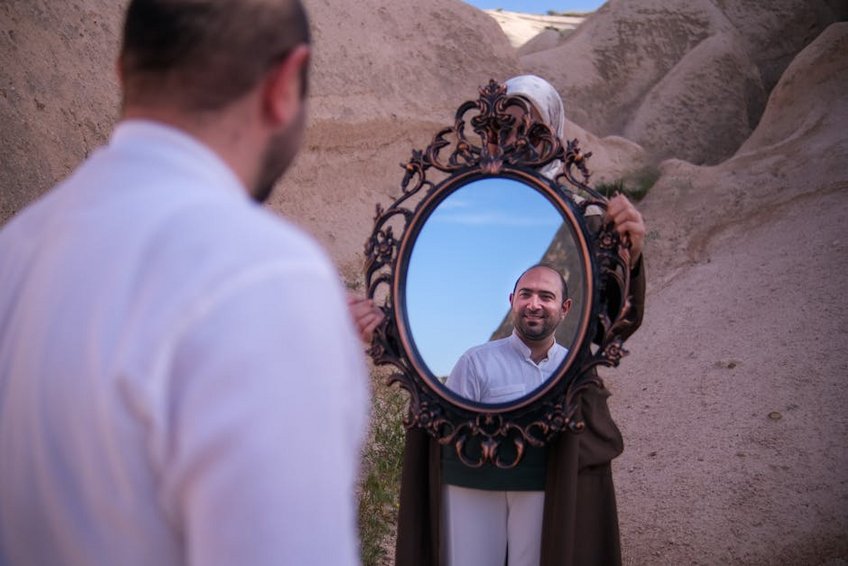
Photo Safari Routes in Turkey: Capture Ancient Landscapes
Turkey offers a photographer’s dream across diverse ecosystems, from volcanic landscapes and salt lakes to dense forests and pristine coastlines. Planning your photo safari routes in Turkey lets you frame ancient ruins against dramatic sunsets, track elusive wildlife in protected national parks, and document vibrant cultures in timeless villages. This guide details the optimal routes, seasonal timing, and essential gear for capturing Turkey’s most photogenic regions, providing a practical framework for your next expedition.
Essential Information on Turkish Photo Safaris
Turkish wildlife photography tours explore seven distinct geographical regions, each with unique subjects. The Anatolian plateau provides vast steppes for bird of prey shots, while the northeastern Kaçkar Mountains host brown bears and lush valleys. Unlike African game drives, Anatolian photo expeditions blend cultural heritage with nature, placing ancient Greco-Roman theaters within your landscape compositions. This duality creates a rich, layered portfolio beyond simple wildlife snaps.
Accessibility varies significantly by region. The Cappadocia and Aegean coasts feature well-maintained roads and tourist infrastructure, ideal for self-drive photo circuits. Conversely, expeditions to the remote mountains bordering Armenia or Georgia require 4×4 vehicles and often local guides. Your physical preparation should match your chosen route’s demands, from mild coastal walks to strenuous high-altitude treks in pursuit of specific shots.
Defining a Turkish Photo Safari
This specialized travel format focuses on capturing nature and culture through planned itineraries.
- A Turkish photo safari is a curated journey prioritizing photographic opportunities at optimal times, often involving early dawn departures for golden hour light at locations like Mount Nemrut’s stone heads.
- Itineraries balance iconic sites like Pamukkale’s travertines with hidden gems such as the mist-shrouded lakes of the Turkish Black Sea region, requiring logistical planning for access and permits.
- These tours provide expert local guidance on animal behavior and historical context, transforming a simple visit into a productive shooting experience with technical support.
- Budget self-drive ($80-$120/day): Covers rental car, fuel, guesthouses, and supermarket meals. This works for western routes where you can scout freely. You’ll sacrifice expert location scouting and face language barriers in remote areas.
- Mid-range guided tour ($250-$400/day): Includes comfortable hotels, most meals, transport in a dedicated vehicle, and a driver/guide. This offers the best value, providing local knowledge to find wildlife and access to private lands, maximizing shooting time.
- Luxury expedition ($600+/day): Features small groups, specialist photo guides, 4×4 Land Cruisers, and stays in boutique lodges. Includes permits for restricted zones, thermal cameras for night shoots, and portfolio reviews. Ideal for professionals needing specific shots.
- Turkish Ministry of Culture and Tourism
- Lonely Planet Turkey Travel Guide
- The Nature Conservancy – Turkey Projects
Key Regions for Photography
The Aegean and Mediterranean coasts deliver classic landscapes with ancient ruins perched above turquoise seas. Ephesus at sunrise or the Lycian Way tombs offer unparalleled heritage shots. Central Anatolia, home to Cappadocia’s fairy chimneys and Lake Tuz’s blinding salt flats, provides stark, surreal terrain perfect for minimalist and aerial photography.
Eastern Anatolia presents the greatest challenge and reward for dedicated landscape and wildlife shooters. The Aras River wetlands are critical birding hotspots, while the Agri Mountain region demands respect for its rugged, high-altitude environment. Each region operates on a different seasonal clock, influencing your travel calendar.
Cultural and Historical Context
Your images gain depth when you understand the layers of history within the frame. The stone heads on Mount Nemrut, for instance, were built for a 1st-century BC king’s sanctuary, blending Greek and Persian artistic styles. Capturing them requires hiking in darkness to witness sunrise alignment. Similarly, photographing a nomadic Yörük family’s migration in the Taurus Mountains involves respectful engagement and often a guide to facilitate introduction, turning a portrait into a meaningful story.
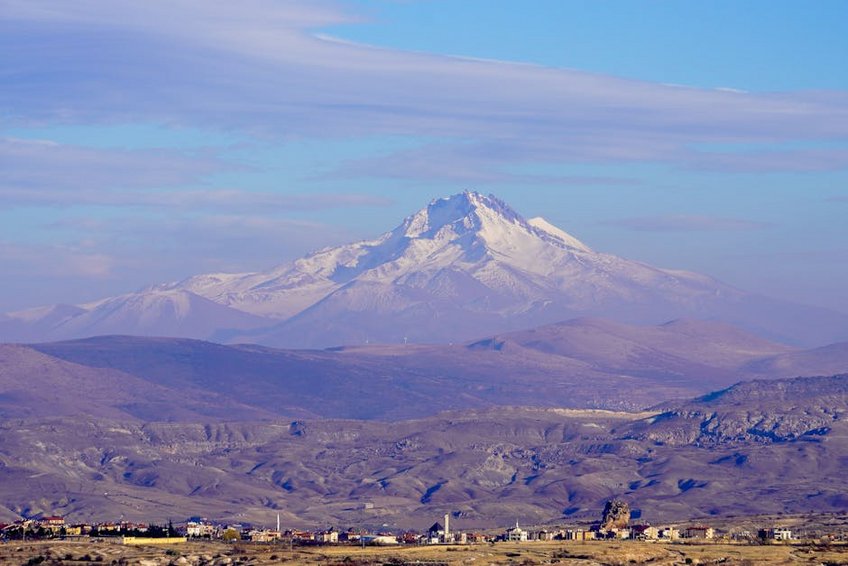
Alt: “cappadocia-hot-air-balloons-sunrise-fairy-chimneys”
Photo Safari Routes in Turkey – Planning Your Expedition
Designing successful photo safari routes in Turkey hinges on matching your photographic goals with the right season and transportation mode. A coastal culture route differs vastly from an eastern wildlife trek in pacing, gear, and budget. Your primary decision involves choosing between a guided multi-day tour with logistics handled or a self-planned road trip offering maximum flexibility but requiring detailed research.
For independent travelers, renting a capable vehicle is non-negotiable for accessing remote steppes and highland plateaus. A standard sedan suffices for the well-paved western loop, but an SUV with high clearance becomes essential for the tracks around Lake Van or the Kaçkar Mountains. Always secure written permission from your rental agency for off-road travel, even on mild gravel roads, to avoid insurance issues.
Best Time to Visit for Photography
Visit Turkey between late April and early June for optimal conditions. Spring brings wildflower carpets in Cappadocia, mild temperatures of 50-70°F (10-21°C), and active birdlife before the summer heat. Alternatively, September and October offer golden autumn light, comfortable hiking weather, and the dramatic spectacle of stag-rutting season in certain forests. These shoulder seasons provide the best balance of good light, manageable crowds, and biological activity.
Winter, from December to February, is a specialist season. Eastern Anatolia becomes a stark, snow-covered wonderland, perfect for monochromatic landscapes, but temperatures plummet to 5-23°F (-15 to -5°C). Coastal regions remain accessible but rainy. Summer months (July-August) are generally less ideal for photography due to harsh midday light, intense heat exceeding 95°F (35°C), and crowded iconic sites, though it’s peak time for Mediterranean marine life shots.
Budget Planning and Costs
Your total cost splits between logistics, guides, and permits.
Essential Preparation Checklist
Pack for variability. Essential gear includes a DSLR or mirrorless camera with weather sealing, a versatile 24-200mm lens, a sturdy tripod for low-light ruins, and ample memory cards. Include a telephoto lens (100-400mm minimum) for bird and mammal photography, especially in wetlands like the Manyas Bird Paradise. Backup batteries, lens cleaning kits for dusty environments, and rain covers for your backpack are mandatory.
Documentation requires a valid passport with at least six months’ validity. US and EU citizens can obtain an e-Visa online before travel. Secure comprehensive travel insurance that explicitly covers expensive camera equipment and potential emergency evacuation from remote areas. Book major domestic flights (to hubs like Kars or Van) and guided tours at least three months in advance for peak seasons.
Top Photographic Routes and Locations
The classic “Cappadocia to Coast” route spans roughly 800 miles, starting with dawn balloon shoots over Göreme, moving to the otherworldly salt mirror of Lake Tuz, and finishing with sunset over the Roman amphitheater in Aspendos. This journey mixes geology, archaeology, and landscape seamlessly over a 10-12 day period. It offers high photographic yield with relatively easy driving on major highways, suitable for first-time visitors.
For dedicated wildlife photographers, the “Eastern Frontiers” circuit is unparalleled. This challenging route loops from Kars’ ancient Armenian churches to the wetlands of Kuyucuk Lake, then south to the rugged peaks and brown bear habitats around the Kaçkar Mountains National Park. The final leg explores the waterfowl haven of the Aras River basin. This 14-day expedition demands a robust 4×4 vehicle and tolerance for basic accommodations, rewarding you with species rarely seen elsewhere.
Must-See Highlights
Mount Nemrut demands a pre-dawn ascent to capture the 2,000-year-old stone heads bathed in sunrise light. The summit sits at 7,000 feet, so dress warmly even in summer. Pamukkale’s white travertine terraces are best shot in the late afternoon when the low sun accentuates their texture and the blue thermal pools; morning shoots often face harsh backlight. Entry costs around $15, and access to certain pools for photography may require special permission.
The ancient city of Ephesus provides endless compositional opportunities. Arrive at opening time (8 AM) to photograph the Library of Celsus with clean light and fewer tourists. Use a wide-angle lens to emphasize its scale. For a unique perspective, the Şirince village nearby offers elevated views of the entire archaeological site at sunset, blending culture with landscape.
Hidden Gems and Local Favorites
Beyond Cappadocia’s main valleys, the Ihlara Valley offers a 10-mile canyon with Byzantine rock-cut churches and a flowing river. It’s rarely crowded, and the soft light filtering into the canyon creates perfect conditions for long exposure shots of the water against dark rock. Access requires a modest entrance fee and involves a staircase descent; the full hike takes 4-5 hours, so pack accordingly.
On the Black Sea coast, the Uzungöl region feels like a slice of the Alps. This highland lake surrounded by dense pine forests and traditional wooden houses is a paradise for moody, atmospheric photography. Visit on a weekday to avoid domestic tourist crowds. The nearby plateaus (yaylas) like Pokut and Sal offer breathtaking panoramas and glimpses of semi-nomadic pastoral life, best explored with a local driver familiar with the mountain tracks.
Coastal and Underwater Opportunities
The Turquoise Coast, particularly around Kaş and Kekova, offers clear waters for underwater photography of ancient sunken cities and diverse marine life. You can rent specialized housing for cameras or join a guided underwater photo dive. On land, the Lycian rock tombs in Dalyan or Myra are dramatically illuminated by the late afternoon sun, creating powerful silhouettes against cliff faces. A boat tour along the coast provides unique angles inaccessible by land.
Practical Travel Information
Major international airports in Istanbul (IST/SAW) and Ankara (ESB) are primary entry points. For eastern routes, consider flying directly to domestic airports like Kars (KSY), Van (VAN), or Trabzon (TZX) to save driving time. Domestic flights on Turkish Airlines or AnadoluJet are frequent and affordable if booked early. Train travel is scenic but slow; the overnight sleeper from Ankara to Kars is a classic experience but eats into shooting time.
Accommodation ranges from cave hotels in Cappadocia to simple guesthouses (pansiyons) in eastern villages. In photo-critical locations like Göreme or Pamukkale, book hotels with rooftop terraces or rooms offering direct views of your subject to maximize pre-dawn shooting convenience. Always confirm the hotel has secure parking if you’re traveling with a rental car full of gear.
| Route Type | Key Features & Subjects | Recommended Duration | Estimated Cost (USD) |
|---|---|---|---|
| Western Culture & Coast | Ephesus, Pamukkale, Lycian tombs, coastal sunsets | 10-12 Days | $1,800 – $3,500 |
| Central Anatolian Surrealism | Cappadocia balloons, Lake Tuz, underground cities | 7-9 Days | $1,500 – $2,800 |
| Eastern Wildlife & Wilderness | Kaçkar bears, Aras River birds, Armenian ruins | 12-14 Days | $2,500 – $5,000+ |
| Black Sea Mountainscapes | Uzungöl, mountain plateaus (yaylas), tea plantations | 8-10 Days | $1,600 – $3,200 |