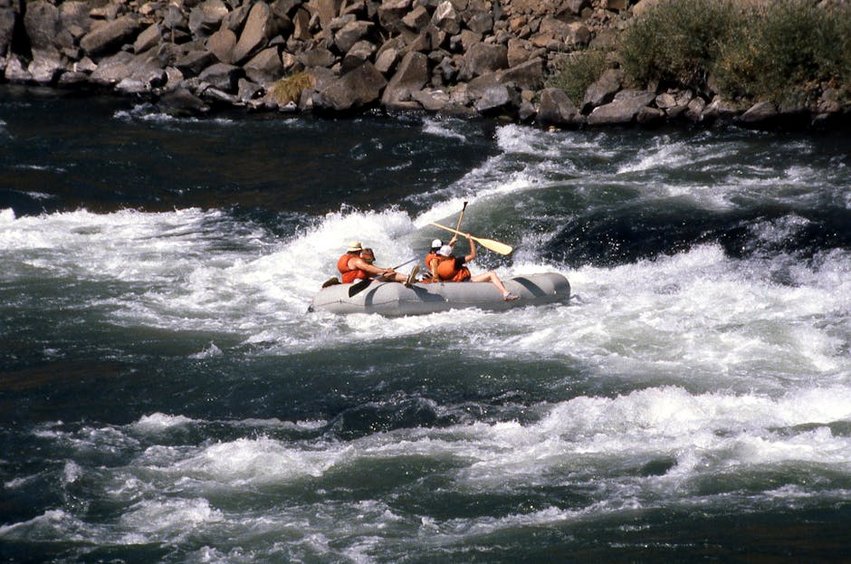
Rafting Spots in Turkey: Your Guide to Epic Whitewater Adventures
Turkey offers some of Europe’s most thrilling and accessible rafting experiences, combining dramatic gorges, turquoise waters, and rich cultural backdrops. From the powerful Köprülü Canyon to the scenic Çoruh River, these destinations cater to both adrenaline-seeking novices and experienced paddlers looking for their next challenge. This guide details the top rafting spots in Turkey with essential planning tips, seasonal advice, and practical logistics for your whitewater adventure.
Turkey’s Premier Whitewater Destinations
Turkey’s diverse topography creates perfect conditions for rafting, with rivers flowing from mountainous highlands through stunning canyons. The country’s most famous routes are concentrated in the southwestern Mediterranean region and the rugged northeastern Black Sea area. Each river presents a unique character, from family-friendly Class II rapids to expert-only Class V descents that demand technical skill.
The development of adventure tourism infrastructure over the past two decades means reliable operators, quality equipment, and established safety protocols are widely available. You’ll find that a whitewater adventure here often includes more than just paddling, with many trips incorporating cultural stops, traditional meals, and opportunities for hiking or swimming in pristine natural pools.
Understanding River Classifications and Safety
International river classification standards help you choose the right adventure for your skill level. These ratings range from Class I (easy, moving water) to Class VI (extremely dangerous and unpredictable). Most commercial rafting trips in Turkey operate on Class II to IV rivers, providing excitement while maintaining managed risk levels.
- Class II (Novice): Small, regular rapids with clear channels; ideal for first-timers and families with children over 6. Examples include sections of the Dalaman and Manavgat rivers during moderate flow periods.
- Class III (Intermediate): Rapids with moderate, irregular waves requiring complex maneuvering; participants should be comfortable swimmers. The famous Köprülü Canyon sections typically fall into this exciting category.
- Class IV (Advanced): Intense, powerful rapids requiring precise boat handling in turbulent water; previous rafting experience is strongly recommended. The upper Çoruh River offers some of Turkey’s most celebrated Class IV challenges.
- Budget Day Trip: $35-60 per person includes basic equipment, transfer from a local town, a 2-3 hour rafting experience, and a simple lunch. This tier typically uses shared transportation and standard safety gear, perfect for first-timers testing the waters on popular sections like Köprülü Canyon.
- Mid-Range Adventure: $75-150 covers higher-end equipment, professional photography service, transfers from regional hubs like Antalya, and a fuller day with multiple river sections. This often includes guides with advanced certifications and might feature additional activities like cliff jumping or riverside barbecue lunches.
- Luxury Expedition: $200-500+ per day for multi-day journeys with expert guides, boutique accommodation or luxury camping, gourmet meals, and combined activities like cultural tours or hiking. Expeditions on remote rivers like the Çoruh fall into this category, offering exclusive access and comprehensive support services.
- Turkish Ministry of Culture and Tourism Portal
- Lonely Planet Turkey Travel Guide
The Geography of Turkish Rafting Rivers
Turkey’s rafting rivers primarily originate in the Taurus Mountains in the south and the Kaçkar Mountains in the northeast. These mountain ranges capture significant precipitation, feeding river systems that carve through limestone and granite to create the deep canyons ideal for whitewater sports. The Mediterranean climate ensures long operational seasons, while snowmelt from high peaks guarantees robust spring flows.
Southwestern rivers like the Köprüçay benefit from consistent water releases from nearby dams, creating reliable conditions throughout the summer tourism season. Northeastern rivers like the Çoruh depend more on seasonal snowmelt, offering a narrower but more powerful window for high-adventure rafting during late spring and early summer. Understanding these geographical nuances helps in planning your trip timing perfectly.
Historical and Ecological Context
Many Turkish rafting routes follow ancient trade and transportation paths, passing historical sites like Roman bridges and Lycian rock tombs. The Köprülü Canyon National Park, for instance, protects not only a brilliant whitewater resource but also the ancient city of Selge and a magnificent Roman bridge still standing after two millennia. This blend of natural adventure and cultural heritage enhances the overall experience significantly.
Ecologically, these river corridors are vital biodiversity hotspots. You might spot endangered species like the loggerhead sea turtle near the Dalaman River delta or the majestic bearded vulture soaring above the Çoruh Valley. Responsible rafting operators emphasize minimal environmental impact practices, including waste management protocols and educational briefings about local flora and fauna before trips commence.
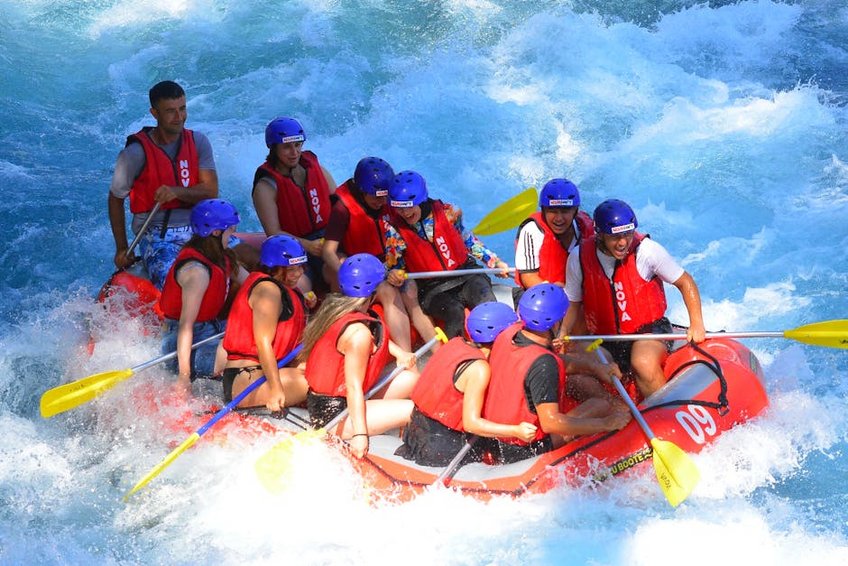
Alt: “koprulu-canyon-turkey-rafting-boats-turquoise-water”
Rafting Spots in Turkey – Planning Your Adventure
Organizing your whitewater trip requires attention to seasonal timing, operator selection, and personal preparation. The most popular rafting spots in Turkey have well-established tourism infrastructures, but venturing to lesser-known rivers demands more independent planning. Your choice should balance desired adventure level with comfort and accessibility needs, especially if traveling with family or mixed-ability groups.
Booking directly with reputable local operators often provides better value and more flexible scheduling than large international tour packages. Look for companies certified by the Turkish Ministry of Tourism and those employing guides trained in wilderness first response and swiftwater rescue techniques. Always verify included amenities like transfers, meals, and equipment quality when comparing prices between different providers.
Best Time to Visit for Rafting
Peak rafting season runs from late April through early October, with optimal conditions varying by region. The Mediterranean southwest (Köprülü, Dalaman) enjoys the longest season from May to September, with water temperatures reaching 70-75°F (21-24°C) and air temperatures averaging 80-90°F (27-32°C). These months provide reliable flows, though July and August bring larger crowds to popular sections.
For high-water adventure, target the snowmelt period in May and June when rivers run fastest and coldest. The northeastern Çoruh River has a much narrower prime window, typically just May through July, due to its dependence on mountain snowpack. Shoulder seasons in April and late September offer smaller crowds and pleasant weather, though water levels may be lower and some operators might not run daily trips.
Budget Planning and Costs
A rafting trip budget varies dramatically based on trip length, luxury level, and included services. Day trips represent the most common and affordable entry point, while multi-day expeditions combining rafting with camping or lodging require greater investment.
Essential Preparation Checklist
Physical preparation should include basic swimming competence and general fitness, though extreme athleticism isn’t required for most commercial trips. Pack quick-dry clothing (synthetics, not cotton), secure footwear like water shoes or old sneakers, sunscreen, and a change of clothes. Most operators provide wetsuits, helmets, life jackets, and paddles, but verify this during booking, especially for early or late season trips when water is cooler.
Documentation needs are minimal for most Western travelers, with visa-free entry for many nationalities for up to 90 days. However, verify your specific visa requirements through official Turkish government channels before travel. Comprehensive travel insurance covering adventure sports is absolutely mandatory; standard policies often exclude activities like whitewater rafting, requiring a specific adventure sports rider.
Top Rivers and Regional Highlights
Turkey’s rafting geography divides conveniently into two main regions: the Mediterranean southwest and the Black Sea northeast. The southwestern rivers offer easier access from major tourist centers, warmer waters, and longer seasons. Northeastern rivers provide more technical challenges, stunning alpine scenery, and a greater sense of remote wilderness exploration. Your ideal choice depends on your adventure priorities and travel itinerary.
Beyond the major names, numerous smaller rivers and lesser-known sections offer rewarding experiences with fewer crowds. Exploring these alternatives often requires more local knowledge and flexibility but rewards with more personalized adventures. Many regional tourism offices provide updated information on river conditions and licensed operators for these hidden gem locations.
Must-See Highlights: Köprülü Canyon and Dalaman River
Köprülü Canyon National Park near Antalya is Turkey’s rafting epicenter, featuring 14 kilometers of Class II-III rapids through a magnificent 400-meter deep canyon. The river’s brilliant turquoise color, consistent flow from Olukköprü Dam, and stunning backdrop of Roman ruins create an unforgettable experience. Trips typically last 2-4 hours, with numerous operators based in the nearby village of Beşkonak offering daily departures from April through October.
The Dalaman River, flowing from the Taurus Mountains to the Mediterranean near Dalyan, offers diverse sections suitable for different skill levels. The popular Çameli section provides exciting Class III rapids perfect for intermediates, while the upper Göcek section offers gentler Class II waters ideal for families. This region also combines well with other attractions like the Dalyan mud baths, İztuzu Beach turtle nesting grounds, and the ancient rock tombs of Kaunos.
Hidden Gems and Local Favorites
The Melen River in Düzce Province, northwest Turkey, offers a less commercialized alternative with consistent flows year-round from a regulated dam. Its Class II-III rapids wind through lush forest scenery far from the Mediterranean tourist crowds. Local operators here often provide more personalized service and can arrange combination trips with hiking in the nearby Yedigöller National Park.
In the northeast, the Fırtına (Storm) River in Rize presents a powerful technical challenge with its steep gradient and continuous rapids. The surrounding Kaçkar Mountains scenery is spectacular, with traditional wooden village houses dotting the hillsides. This area receives significant rainfall, ensuring strong flows, but requires more advanced planning due to its remote location and shorter operational season from May to July only.
Expert Expedition: The Çoruh River Challenge
The Çoruh River in Artvin Province is Turkey’s premier expedition-class rafting destination, often called one of the world’s top ten whitewater rivers. Its powerful Class IV-V sections descend rapidly from the Mescit Mountains near the Georgian border, creating a technically demanding 5-7 day expedition experience. This journey is for experienced paddlers only, with outfitters requiring proof of previous advanced river experience.
Çoruh expeditions typically operate during a narrow May-June window and involve wilderness camping along the riverbank. The remoteness adds to the adventure, with limited road access and spectacular untouched canyon scenery. This is a serious commitment requiring proper expedition preparation, but it delivers what many consider the ultimate rafting spots in Turkey for seasoned whitewater enthusiasts.
Practical Travel Information and Logistics
Reaching Turkey’s rafting hubs is straightforward, with excellent air connections to gateway cities like Antalya for southwestern rivers and Trabzon or Erzurum for northeastern destinations. Domestic flights and long-distance buses efficiently connect major cities, while local transportation to specific river put-in points usually requires pre-arranged transfers through your rafting operator. Renting a car provides maximum flexibility for exploring multiple regions but isn’t necessary if booking organized tours.
Accommodation ranges from basic guesthouses in river villages to luxury resorts in nearby tourism centers. For multi-day rafting trips, camping is often included, with operators providing quality tents and sleeping gear. Booking accommodation near your chosen river the night before your trip is highly recommended to ensure timely morning departures when water conditions are typically at their best.
| River Region | Key Features & Difficulty | Best Season | Gateway City |
|---|---|---|---|
| Köprülü Canyon (Mediterranean) | Class II-III, Roman ruins, canyon scenery, most popular | May – September | Antalya (1 hour drive) |
| Dalaman River (Mediterranean) | Class II-IV options, combines with beach/cultural sites | April – October | Dalaman (30 mins) or Fethiye (1 hour) |
| Çoruh River (Northeast) | Class IV-V expedition, remote wilderness, expert-only | May – July | Erzurum (3 hours) or Artvin (2 hours) |
| Melen River (Northwest) | Class II-III, forest scenery, year-round flows, less crowded | All year (spring best) | Düzce (45 mins) or Istanbul (3 hours) |