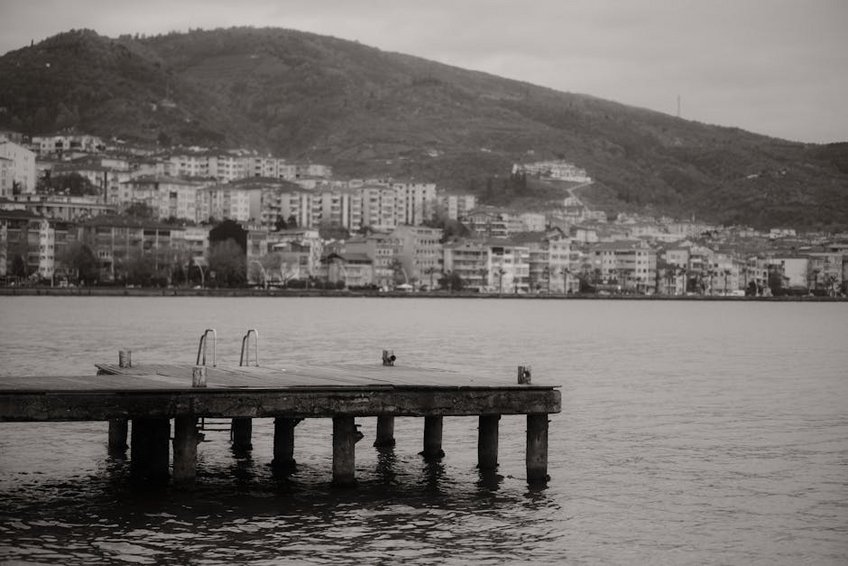
Seaside Towns in the Marmara Region: Turkey’s Coastal Charms
The Marmara Region offers a distinct coastal escape, where historic ports meet vibrant contemporary life along the Sea of Marmara. These seaside towns in the Marmara Region blend Ottoman grandeur with modern Turkish energy, providing easy access from Istanbul alongside authentic local experiences. This guide details the top coastal destinations, their unique atmospheres, and practical tips for planning your itinerary across this culturally rich shoreline.
Essential Marmara Coastline Information
The Marmara Sea, an inland body of water, connects the Aegean and Black Seas via strategic straits. This region served as the heart of the Byzantine and Ottoman empires for centuries. Its coastline today features a compelling mix of historic fishing villages, elegant 19th-century resorts, and bustling commercial ports.
Geographically, the region surrounds the Sea of Marmara, including parts of both European and Asian Turkey. The climate is transitional, with warm, humid summers and cool, wet winters. Coastal waters are generally calmer than the Aegean, making them ideal for swimming and ferry travel between towns.
Key Characteristics of the Region
Understanding these traits helps you choose the right town for your visit.
- Proximity to Istanbul allows for easy day trips or longer stays, with most towns accessible within 1-3 hours by car or ferry from the city.
- The maritime history is palpable, with neighborhoods built around ancient harbors, historic shipyards, and bustling fish markets defining daily life.
- A blend of cultures exists from Greek, Armenian, and Jewish influences, reflected in architecture, cuisine, and local festivals throughout the coastal communities.
- Budget travelers can manage on $40-60 USD per day by staying in hostels or guesthouses, using public ferries, and eating at local lokantas (eateries). Key expenses include a museum pass for historic sites and ferry tickets to the islands.
- Mid-range visitors spending $80-150 USD daily enjoy boutique hotels, rental cars for flexibility, and meals at excellent seafood restaurants. This budget allows for guided tours of historic areas and occasional taxi rides.
- A luxury experience at $200+ USD per day includes stays in historic konaks (mansions), private boat tours of the coastline, and fine dining with panoramic sea views. This tier offers complete immersion in the region’s elegant side.
- Turkey Ministry of Culture and Tourism Portal
- IDO Official Ferry Schedules and Tickets
Navigating the Coastline
Transportation networks here are highly developed. An extensive ferry system, called IDO and Sea Bus, connects major points like Istanbul, Yalova, Bandırma, and the Princes’ Islands. Driving the coastal roads offers flexibility, though traffic can be heavy on summer weekends.
Each major town has a distinct personality. Some prioritize history and quiet retreats, while others buzz with nightlife and dining. Your choice should align with whether you seek relaxation, cultural immersion, or culinary exploration along this diverse shore.
The Coastal Climate and Seasons
Summers (June-August) are warm, with averages of 75-85°F (24-29°C), and humid, with water temperatures perfect for swimming. This is the peak season for local tourism. Winters are cool and rainy, with temperatures ranging from 40-50°F (4-10°C), offering a starkly different, moody coastal atmosphere.
Shoulder seasons—May and September—provide ideal conditions. The weather remains pleasant, crowds diminish, and prices for accommodation are often lower. These months are perfect for exploring historic sites and dining outdoors without the summer intensity.
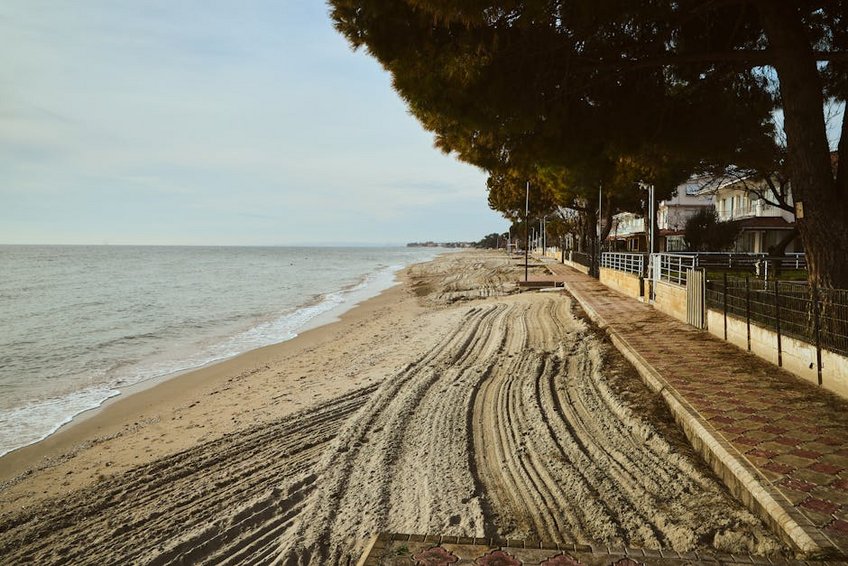
Alt: “marmara-coastline-princes-islands-ferry-bosphorus-view”
Seaside Towns in the Marmara Region – Planning Your Trip
Your itinerary depends heavily on your interests and time. A week allows for a thorough exploration of three or four different towns, mixing historic islands with mainland resorts. A long weekend from Istanbul is perfect for focusing on a single area, like the Princes’ Islands or the southern coast near Erdek.
Budget considerations are favorable compared to Turkey’s Mediterranean coast. Mid-range hotels average $60-100 USD per night, while local eateries and transportation remain very affordable. Luxury options exist in restored mansions on the islands and in boutique hotels in towns like Mudanya.
Best Time to Visit the Marmara Coast
The prime window for a classic seaside visit is from late May through late September. July and August see the warmest sea temperatures, around 75°F (24°C), and full ferry schedules. Be prepared for more visitors, especially on weekends when Istanbul residents flock to the coast.
For a cultural and culinary trip with fewer people, target April-May or October. Many restaurants and hotels remain open, and the cooler weather of 60-70°F (15-21°C) is excellent for walking tours. Some beach clubs close after September, so verify amenities if swimming is a priority.
Budget Planning and Costs
Daily costs vary significantly based on your travel style and chosen town.
Essential Preparation Checklist
Pack comfortable walking shoes for cobblestone streets, a light jacket for breezy evenings, and swimwear for the summer months. A power adapter for Type C/F outlets (220V) is necessary, and having some Turkish Lira in cash is wise for markets and smaller ferries.
Check visa requirements; most Western passport holders can obtain an e-Visa online before travel. Book ferry tickets online via IDO’s website during peak season to secure specific times. Learn a few basic Turkish phrases; while English is common in tourist areas, greetings in Turkish are always appreciated.
Top Coastal Destinations and Experiences
The Princes’ Islands (Adalar) are a car-free archipelago just off Istanbul’s coast. Büyükada, the largest, is famed for its Victorian-era wooden mansions, pine forests, and horse-drawn carriages. Heybeliada offers a more relaxed vibe with swimming coves and a historic naval school.
On the southern coast, the town of Erdek and the nearby Kapıdağ Peninsula provide classic Turkish beach holidays with golden sand and calm, shallow waters. This area is less international and offers a glimpse into domestic tourism culture with its family-friendly facilities.
Must-See Historic Port Towns
Mudanya, on the southern coast, is a graceful town known for its Ottoman-era architecture and role in signing the Armistice of Mudanya. The waterfront promenade is lined with fish restaurants and cafes, perfect for watching sunset over the sea. The Mudanya Armistice House is a key museum visit.
Yalova is a major ferry hub with thermal hot springs dating back to Roman times. While the city center is modern, the nearby Termal district offers resort hotels centered on natural spa facilities. The serene Yalova Kent Ormanı (City Forest) provides excellent hiking with coastal views.
Bandırma is a bustling port city with a rich history as a trade gateway. Its archeological museum houses artifacts from nearby Cyzicus, an ancient Greek city. The city serves as the main access point for the bird-watching paradise of Kuş Cenneti (Bird Paradise) National Park nearby.
Hidden Gems and Local Favorites
Cunda Island (Alibey Island), connected to Ayvalık by a causeway, technically faces the Aegean but shares Marmara’s charm. Its old Greek neighborhood features beautifully restored stone houses, excellent seafood taverns, and a charming waterfront. It’s less crowded than the Princes’ Islands.
Tirilye, a small fishing town, is an architectural preserve with stunning Byzantine and Ottoman buildings. The Taş Mektep (Stone School) and Fatih Mosque (formerly a Byzantine church) are highlights. Its quiet atmosphere and waterfront fish market make it an ideal stop for a long lunch away from crowds.
Culinary and Market Explorations
Every town has a weekly market (pazar) where locals buy fresh produce, cheeses, and olives. The Yalova market on Thursday or the Bandırma market on Friday are vibrant experiences. Sampling regional specialties like İznik olives, Çanakkale cheeses, and fresh grilled sardines (sardalya) is essential.
Many coastal restaurants feature “catch of the day” displays. You simply point to the fish you want, specify how it’s cooked (grilled is most common), and it’s priced by weight. This system ensures freshness and offers a fun, interactive dining ritual central to the maritime culture.
Practical Travel Information
Accommodation ranges from simple pensions to luxury boutique hotels. On the Princes’ Islands, book well in advance for summer weekends. On the mainland, options are more plentiful, with many family-run hotels offering excellent value just a block from the waterfront.
Transportation is a highlight, with ferries being the most scenic and enjoyable way to travel. The main hubs are Istanbul (Yenikapı, Kabataş, Bostancı), Yalova, and Bandırma. Car rentals are useful for exploring the southern coast but unnecessary and impractical for the islands.
| Destination | Key Attractions & Vibe | Best For |
|---|---|---|
| Princes’ Islands (Büyükada) | Victorian mansions, pine forests, horse-drawn carriages, car-free streets. | History lovers, day-trippers, peaceful retreats. |
| Mudanya | Ottoman architecture, waterfront dining, historic Armistice House museum. | Romantic getaways, history, leisurely seaside strolls. |
| Yalova & Termal | Natural thermal hot springs, ferry hub, city forest hiking. | Relaxation, spa visits, families. |
| Erdek & Kapıdağ Peninsula | Long sandy beaches, calm shallow waters, beach clubs. | Classic beach holidays, swimming, domestic tourism experience. |
| Tirilye | Preserved Ottoman/Greek architecture, quiet fishing port, fresh seafood. | Photography, cultural immersion, off-the-beaten-path exploration. |