Historic Inns in Central Anatolia
Exploring Central Anatolia’s historic inns offers a direct passage into Turkey’s storied past, where centuries-old caravanserais have been transformed into atmospheric accommodations. This region, the historic heart of the Seljuk and Ottoman empires, allows you to sleep within ancient stone walls, experiencing the legacy of the Silk Road firsthand. This guide covers the top historic lodgings, practical planning advice, and the deep cultural immersion that defines a stay in these unique heritage properties.
Caravanserais and Heritage Accommodations
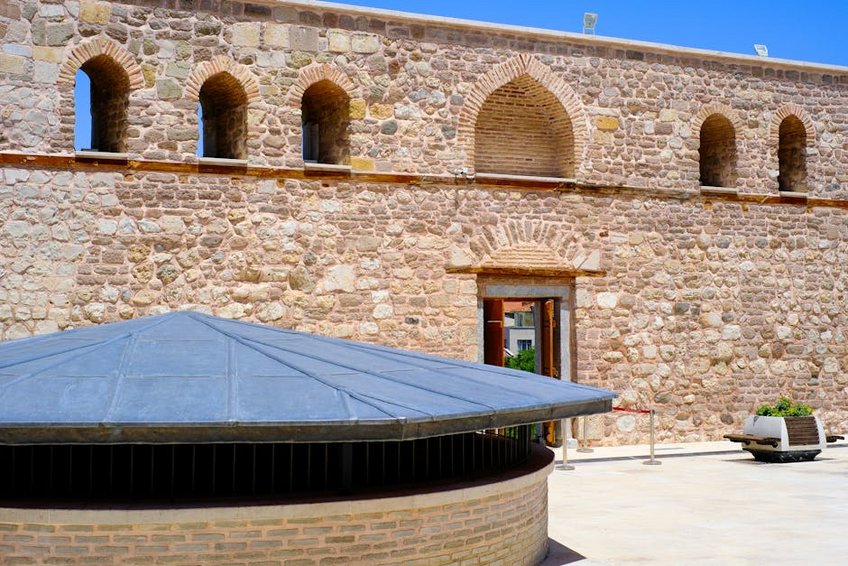
Central Anatolia, a vast plateau at the crossroads of civilizations, is dotted with historic waystations. These structures, known as caravanserais, were built along trade routes to provide shelter, security, and supplies for merchants and their camels. Their architecture is a testament to Seljuk ingenuity, featuring massive fortified walls, grand arched entryways, and central courtyards.
Staying in a restored caravanserai is fundamentally different from a modern hotel experience. You are engaging with history, from the worn stone steps to the vaulted ceilings that have sheltered travelers for 800 years. The ambiance is one of timeless quiet, often located in rural settings under spectacular starry skies, offering a profound connection to Anatolia’s landscape.
What Defines a Historic Inn
Not every old building qualifies as a true heritage accommodation. Authentic properties maintain specific characteristics that preserve their historical integrity and guest experience.
- Original Architecture: Genuine historic inns retain key structural elements like stone or brick construction, vaulted ceilings, central courtyards, and original masonry, with restoration work that complements, not replaces, the ancient fabric.
- Historical Significance: The property has a documented past, often serving as a caravanserai, monastery, or noble mansion, with its story woven into the local region’s cultural and economic history.
- Atmospheric Ambiance: The accommodation prioritizes authentic atmosphere over generic luxury, using traditional furnishings, soft lighting, and a design that encourages reflection on the centuries of travel it has witnessed.
- Budget Heritage Stays ($60-$120 USD): These are often simpler restorations in less-visited towns like Sivrihisar or Akşehir. They offer basic private rooms with en-suite bathrooms within historic structures, focusing on authenticity over luxury. Breakfast is usually included, and heating/air conditioning may be limited.
- Mid-Range Converted Inns ($120-$250 USD): This range includes beautifully restored caravanserais and mansions with modern comforts. Expect features like authentic decor, reliable climate control, on-site restaurants serving local cuisine, and sometimes a small hamam or spa. Excellent value in regions like Cappadocia or around Konya.
- Luxury Historical Properties ($250-$500+ USD): These are top-tier cave hotels in Cappadocia or supremely restored Sultan-era mansions. Amenities include premium bedding, jacuzzis carved into rock, fine-dining restaurants, full-service spas, and impeccable service that blends historical ambiance with five-star comfort.
- Republic of Turkey Ministry of Culture and Tourism
- UNESCO World Heritage Centre – Turkey
The Silk Road Legacy
The dense network of caravanserais across Anatolia was primarily established during the Seljuk period (11th-13th centuries). Sultan Han, near Aksaray, and Agzikarahan are among the largest and best-preserved examples. These were not mere inns but fortified complexes offering amenities like mosques, hamams, repair shops, and veterinary services.
This system facilitated safe trade between Europe and Asia for centuries. Today, staying in a converted caravanserai lets you walk the same courtyards where Silk Road merchants bargained over spices and silks. It’s an immersive history lesson you experience, not just read about.
Regional Distinctions
While all offer historic charm, the character of these inns varies by location. Cappadocia’s cave hotels, carved into fairy chimneys, provide a unique geological history. Inns around Konya often reflect Seljuk architectural grandeur with intricate stonework.
Properties near the ancient salt lake, Tuz Gölü, offer stark, beautiful landscapes. Meanwhile, inns in smaller towns like Sivrihisar provide a more intimate, village-based experience. Each area adds its own local color and narrative to the heritage stay.
Alt: “seljuk-caravanserai-courtyard-arched-architecture-anatolia”
Historic Inns in Central Anatolia – Planning Your Trip
Organizing a journey focused on heritage accommodations requires specific considerations different from standard tourism. Your itinerary should balance driving distances between historically significant sites with ample time to appreciate each inn’s unique atmosphere. Booking well in advance is crucial, especially for the most sought-after properties in Cappadocia, as they have limited rooms.
Think of your trip as a thematic exploration of Anatolian history rather than a checklist of cities. Allow for leisurely mornings in courtyards and evenings enjoying the profound silence of ancient places. Renting a car is virtually mandatory to reach many of these rural or semi-rural locations efficiently and on your own schedule.
Connect your stays with visits to nearby archaeological sites, Seljuk monuments, and local museums to build a complete historical context. This integrated approach transforms your accommodation from just a place to sleep into the central pillar of your travel experience in Turkey’s heartland.
Best Time to Visit Central Anatolia
The ideal seasons for exploring Central Anatolia’s historic inns are late spring (May to June) and early autumn (September to October). Daytime temperatures range from a pleasant 65°F to 80°F (18°C to 27°C), and nights are cool, perfect for the sometimes minimally-heated stone buildings. Crowds are manageable, and the landscape is green or adorned with autumn colors.
Summer (July-August) can be very hot, often exceeding 86°F (30°C), though the stone inns stay relatively cool inside. Winter (December-February) is cold, with temperatures frequently below freezing, and some rural inns may have limited heating. However, winter offers a uniquely atmospheric, solitary experience, with possible snow dusting the ancient courtyards.
Budget Planning and Costs
Costs vary dramatically based on location, restoration level, and amenities. Here’s a realistic breakdown for a per-night stay.
Essential Preparation Checklist
Packing for a historic inn stay requires thoughtful choices. Bring layers, including a warm sweater or fleece even in summer, as stone buildings are cool at night. Sturdy, comfortable walking shoes are essential for exploring uneven stone floors and courtyards. A small flashlight is useful for navigating dimly-lit corridors that preserve the ancient mood.
Ensure your travel insurance covers stays in heritage buildings. Book rental cars months in advance for peak seasons. If traveling in cooler months, confirm the property’s heating capabilities. Download offline maps for rural navigation, and carry some Turkish Lira cash for small villages where credit cards may not be accepted.
Top Historic Inns and Their Stories
From grand caravanserais to cozy cave dwellings, Central Anatolia boasts an impressive array of heritage accommodations. Each property tells a distinct chapter of the region’s history, with restoration efforts that thoughtfully balance preservation and guest comfort. Spending time at these inns is as much about absorbing their narrative as it is about enjoying their amenities.
Many are located away from major city centers, offering tranquility and a direct connection to the Anatolian landscape. Waking up to the sound of birds in a centuries-old courtyard, far from urban noise, is a quintessential part of the experience. The following highlights represent some of the most exceptional and atmospheric options available.
Must-See Heritage Stays
Sultanhanı Kervansarayı (Near Aksaray): One of the largest and best-preserved Seljuk caravanserais in Turkey, now partially restored for accommodations. Staying here means sleeping within a monumental 13th-century complex. Book the “Sultan’s Room” for the most authentic experience, and explore the vast courtyard at sunset.
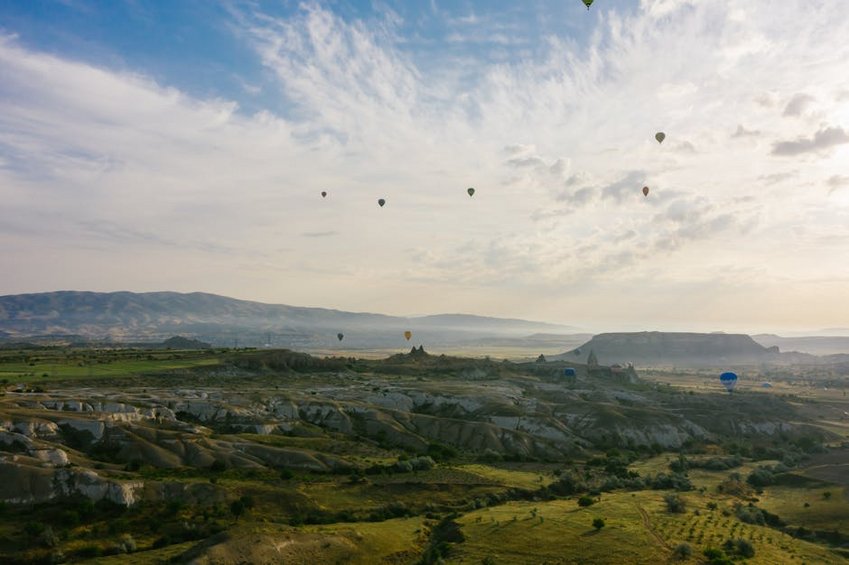
Argos in Cappadocia (Uçhisar): A breathtaking complex of cave houses, tunnels, and courtyards carved into the hillside over millennia. It’s a luxurious yet deeply historical experience. Its terraces offer some of Cappadocia’s most iconic views of the fairy chimney valleys, especially at balloon-flight dawn.
Hich Hotel (Konya): A meticulously restored 19th-century mansion in the heart of Konya, blending Seljuk and Ottoman design motifs. The location is perfect for exploring the Mevlana Museum. Its intimate courtyard café is a serene spot for tea after a day of sightseeing.
Hidden Gems and Local Favorites
Gülşen Konak Hotel (Sivrihisar): A charming, family-run restored Greek mansion in a quiet town famous for its Seljuk architecture. The owners provide personalized service and deep local knowledge. It’s an ideal base for exploring lesser-known sites like the Ulu Cami and the haunting ruins of Pessinus.
Taşkonaklar (Urgup, Cappadocia): A beautiful collection of stone houses converted into a boutique hotel, offering more intimacy than some larger cave complexes. Its garden is wonderfully lush, and it features a lovely indoor pool carved from the rock. The hotel staff can arrange visits to local vineyards.
Venturing off the main tourist trail reveals smaller, family-operated heritage houses. These often provide the most genuine cultural interactions and direct support to local communities. Ask about the building’s specific history—many families have owned these properties for generations and love to share stories.
Architectural Highlights to Seek
Pay attention to the distinctive architectural elements that define these historic properties. Seljuk-era portals often feature intricate muqarnas (stalactite vaulting) and ornate stone carving. Central courtyards, once used for unloading goods and housing animals, are now peaceful gathering spaces.
Look for original details like stone troughs, inscribed plaques, and massive wooden doors with iron fittings. Many inns incorporate traditional materials like adobe, volcanic stone, and hand-hewn timber in their restoration, maintaining a tactile connection to the past. These features are the true soul of your stay.
Practical Travel Information
Navigating Central Anatolia and securing your stay requires specific logistical planning. The region is well-connected by air and road, but the rural location of many historic inns necessitates independent transportation. Domestic flights from Istanbul (IST or SAW) serve key gateways like Kayseri (ASR) for Cappadocia and Ankara (ESB) for the wider region.
Upon arrival, a rental car is highly recommended. It provides the flexibility to explore remote caravanserais and archaeological sites at your own pace. Roads are generally in good condition, and signage is adequate, though having an offline GPS app like Maps.me is a wise backup for rural areas.
| Accommodation Type | Key Features & Atmosphere | Average Price Range/Night (USD) |
|---|---|---|
| Restored Caravanserai | Monumental stone architecture, vast courtyards, historic Silk Road ambiance, often rural locations. | $100 – $300 |
| Cappadocia Cave Hotel | Rooms carved into volcanic rock (fairy chimneys), unique geological setting, luxury amenities common. | $150 – $500+ |
| Converted Ottoman Mansion | Wooden interiors, painted ceilings, central urban location in towns like Konya or Ankara’s old quarter. | $80 – $200 |
| Rural Stone House Inn | Intimate, family-run settings in villages, strong local interaction, simple authentic charm. | $60 – $120 |