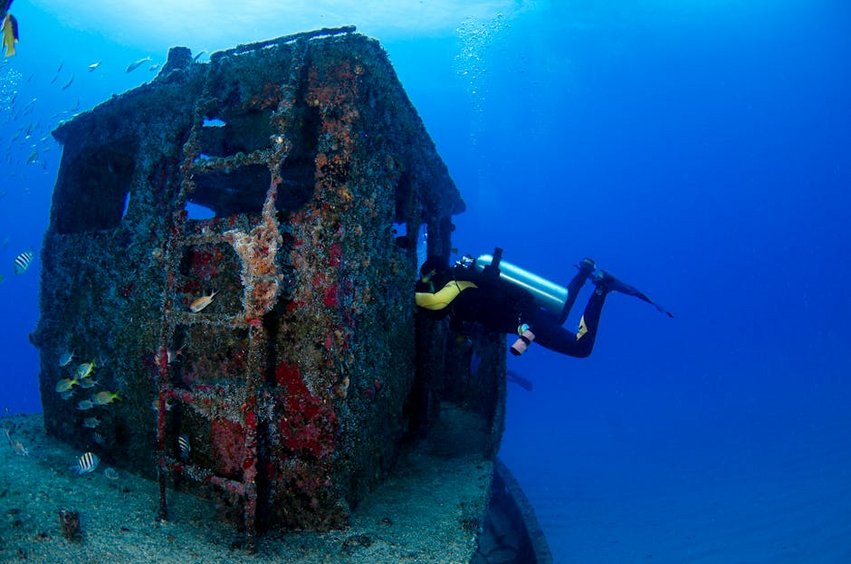
Diving Spots in the Mediterranean: Discover Underwater Paradises
Diving spots in the Mediterranean offer vibrant marine ecosystems and historic wrecks across crystal-clear seas. You will find accessible sites from coastal Spain to remote Greek islands suitable for all skill levels. This guide details top locations, seasonal planning, and essential tips for your underwater exploration.
Essential Mediterranean Diving Information
The Mediterranean Sea boasts over 46,000 kilometers of coastline with diverse underwater landscapes. Its waters contain ancient shipwrecks, volcanic formations, and protected marine reserves. You can explore these environments through guided tours or independent diving excursions.
Water visibility often exceeds 30 meters during summer months across many regions. Temperatures range from 57°F (14°C) in winter to 79°F (26°C) in peak season. These conditions support unique species like monk seals, loggerhead turtles, and colorful nudibranchs.
What You Need to Know Before Diving
Understand these fundamental aspects before planning your Mediterranean diving adventure.
- Certification requirements mandate Open Water Diver certification for most dive centers, with advanced certifications needed for deeper wrecks or technical diving sites across the region.
- Marine protected areas enforce strict regulations in zones like Medes Islands or Port-Cros National Park, requiring guided access and prohibiting certain activities to preserve ecosystems.
- Current patterns vary significantly between the calm Adriatic Sea and stronger currents in the Strait of Messina, affecting dive planning and safety protocols for each location.
- Budget options cost $800-$1,200 for week-long trips including hostel stays and shore diving packages in locations like Sicily or southern Spain, saving money by using public transport and preparing meals.
- Mid-range plans average $1,500-$2,500 covering hotel accommodations, boat diving trips, and equipment rental in destinations such as Cyprus or the Balearic Islands, offering good value through bundled packages.
- Luxury experiences reach $3,000-$5,000 featuring liveaboard cruises, technical diving guides, and premium resorts in areas like the French Riviera or private Greek islands, including gourmet meals and unlimited diving.
- Mediterranean Protected Areas Network
- PADI Mediterranean Diving Guide
- Divers Alert Network Safety Resources
Key Regional Characteristics
The Western Mediterranean features extensive Posidonia oceanica seagrass meadows and limestone caves. Spain’s Costa Brava and France’s Côte d’Azur provide structured dive sites with full facilities. Winter diving here requires 7mm wetsuits or drysuits for comfort.
Eastern Mediterranean areas offer warmer waters with higher salinity levels. Greece’s Aegean Sea and Turkey’s Turquoise Coast showcase volcanic rock formations and ancient amphora fields. Summer temperatures allow 5mm wetsuits for most recreational diving.
Marine Life and Conservation
Mediterranean marine biodiversity includes over 17,000 recorded species despite environmental pressures. Conservation efforts focus on endangered species like the fan mussel and dusky grouper. You contribute by choosing eco-friendly operators and avoiding contact with delicate organisms.
Invasive species like lionfish now appear in eastern basins, altering local ecosystems. Dive centers monitor these changes and adjust their conservation programs accordingly. Your awareness helps protect native species during underwater exploration.
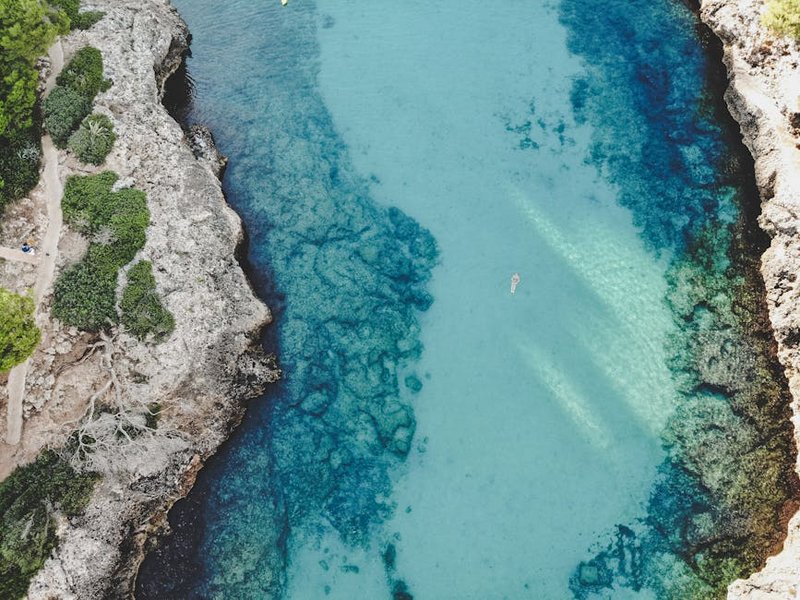
Diving Spots in the Mediterranean: Planning Your Trip
Planning your Mediterranean diving adventure requires attention to seasonal variations and regional specifics. The Mediterranean basin stretches across three continents with distinct climate zones affecting dive conditions. You should match destinations to your experience level and interests for optimal enjoyment.
Budget considerations range from affordable shore diving in Croatia to luxury liveaboard tours in the Greek archipelago. Research dive package inclusions carefully, as prices vary significantly between countries. Always verify operator credentials and insurance coverage before booking any underwater activities.
Best Time to Visit for Diving
Peak diving season runs from June through September with water temperatures 72-79°F (22-26°C) and minimal surface chop. July and August bring warmer conditions but increased crowding at popular sites like Malta’s Blue Hole. Book dive slots two months ahead for these busy months.
Shoulder seasons in May and October offer 64-70°F (18-21°C) waters with fewer divers and better availability. Winter diving from November to April requires drysuits for 57-61°F (14-16°C) temperatures but provides unique opportunities for wreck exploration without crowds. Monitor marine forecasts for sudden weather changes.
Budget Planning and Costs
Consider these three budget tiers for your Mediterranean diving holiday.
Essential Preparation Checklist
Pack a 5mm full wetsuit for summer or 7mm semidry for shoulder seasons, plus dive computer, torch, and SMB for safety. Verify your certification cards are current and carry digital copies. Research visa requirements for Schengen Area countries if traveling from outside Europe.
Book dive operators three months ahead for peak season and six months for specialized wreck or cave diving. Obtain travel insurance covering scuba diving to 30 meters depth. Schedule refresher courses if you haven’t dived in over six months before attempting deeper sites.
Top Mediterranean Diving Destinations and Sites
The Mediterranean delivers world-class underwater experiences across multiple countries and sea zones. Each region presents distinct geological formations and historical artifacts beneath the surface. You can explore submerged cities, vertical walls, and thriving marine habitats within short travel distances.
Accessibility varies from shore entries in Croatia to boat-only sites in remote archipelagos. Dive centers provide equipment rental, guided tours, and training facilities at most major locations. Always check local conditions and operator reputations through diving community reviews.
Must-See Highlight Dive Sites
Malta’s Blue Hole in Gozo features a natural limestone arch descending to 30 meters with abundant marine life. Morning dives avoid afternoon surge and provide better visibility for photography. Entry fees cost approximately $15 per person with guided tours averaging $65 per dive.
France’s Calanques National Park offers dramatic underwater canyons and caves near Marseille. Summer visibility reaches 40 meters but requires early booking due to daily visitor limits. Boat diving packages start at $80 including equipment and park permits for protected zone access.
Italy’s Christ of the Abyss statue in Portofino Marine Park sits at 17 meters depth surrounded by groupers and octopus. This iconic site attracts many divers, so visit on weekday mornings for quieter conditions. Local operators charge $55 for guided dives with statue viewing included.
Hidden Gems and Local Favorites
Albania’s Karaburun-Sazan Marine Park contains pristine walls and WWII wrecks with minimal tourism development. Access requires local guides from Vlora harbor, costing $50 per dive including tank and weights. You’ll encounter loggerhead turtles and monk seals in this protected area.
Spain’s Cabo de Palos reserve in Murcia features the “Bajo de Testa” seamount rising from 50 meters to 12 meters below surface. Advanced divers enjoy strong currents bringing pelagic species like barracuda and amberjack. Book through Murcia dive shops for $70 boat dives with current forecasts.
Wreck Diving Opportunities
The Mediterranean hosts thousands of shipwrecks from ancient Roman vessels to modern freighters. Cyprus’s Zenobia wreck near Larnaca is a 172-meter ferry lying at 42 meters maximum depth. Technical certifications are mandatory for full penetration, with guided tours starting at $90 per dive.
Croatia’s Baron Gautsch wreck sits upright at 40 meters near Rovinj with preserved interiors accessible to advanced divers. Summer months provide calm conditions for exploring this 1914 passenger steamer. Local operators offer nitrox fills and guided penetrations for $75 including equipment rental.
Practical Travel Information for Divers
Transportation to Mediterranean dive hubs typically involves flights to major airports followed by local connections. Consider travel time between airports and dive centers when scheduling your itinerary. Many operators provide transfer services for an additional fee from nearby towns or marinas.
Accommodation ranges from diving resorts with equipment storage to apartments near shore entry points. Choose lodging based on proximity to dive boats or preferred sites to minimize daily travel. Verify storage facilities for gear drying and security before booking.
| Destination | Best Dive Sites | Price Range (USD per dive) |
|---|---|---|
| Malta | Blue Hole, Um El Faroud wreck | $55-$85 |
| Greece | Peristera wreck, Alonissos Marine Park | $50-$80 |
| Croatia | Kornati Islands, Vis Island wrecks | $45-$75 |
| Turkey | Kas Island, Gallipoli wrecks | $40-$70 |
| Spain | Medes Islands, Cabo de Gata | $50-$90 |