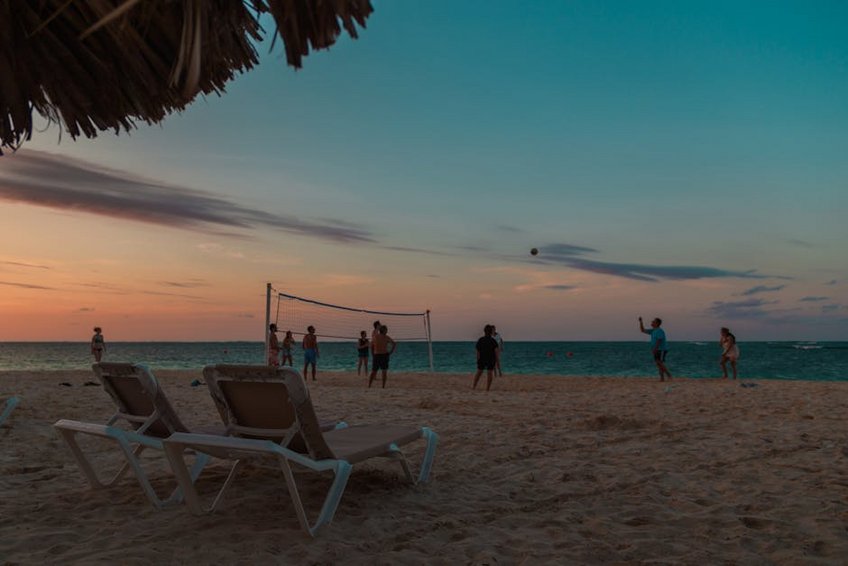
Beach Holiday in the Dominican Republic: Sun, Sand, and Caribbean Culture
The Dominican Republic offers a classic Caribbean beach holiday with over 1,000 miles of coastline featuring powdery white sand, turquoise waters, and vibrant coastal towns. You will find diverse shores, from the all-inclusive resorts of Punta Cana to the surfing waves of Cabarete and the tranquil bays of the Samaná Peninsula. This guide covers everything from choosing your perfect beach region to experiencing authentic local culture during your stay.
Essential Dominican Republic Information
The Dominican Republic occupies the eastern two-thirds of Hispaniola, sharing the island with Haiti. Its geography creates distinct coastal zones, each offering different vacation experiences. The country uses the Dominican Peso (DOP), but US dollars are widely accepted in tourist areas.
Spanish is the official language, though many hospitality workers speak English in resorts. The electrical system operates on 110V with North American-style two-pin plugs. Standard tourist visas are not required for US, Canadian, and EU citizens for stays under 30 days, though a tourist card fee is typically included in your airline ticket.
Top Beach Regions Overview
Understanding the different coastal areas helps you pick the right spot.
- Punta Cana (East): Famous for its long stretches of palm-fringed, resort-backed beaches like Bavaro and Macao, ideal for first-time visitors seeking convenience and calm waters.
- La Romana & Bayahibe (Southeast): Features more intimate coves and upscale resorts, with easy access to Saona Island for exceptional day trips to secluded beaches.
- Puerto Plata (North): Offers the Amber Coast with a mix of bustling beaches like Playa Dorada and water sports hubs like Cabarete, known for consistent Atlantic winds.
- Samaná Peninsula (Northeast): A lush, less-developed region with stunning natural beauty, perfect for those seeking secluded beaches like Playa Rincón and seasonal whale watching.
- Budget Traveler ($75-$125/day): Stay in guesthouses or hostels in towns like Cabarete, use local guaguas (buses), eat at comedores (local eateries), and focus on free beach days. A week can cost $600-$900 per person.
- Mid-Range Traveler ($150-$300/day): Book a well-reviewed all-inclusive resort in Punta Cana or a boutique hotel in Las Terrenas. This includes meals, drinks, and non-motorized sports. Expect to spend $1,200-$2,200 for a 7-night package.
- Luxury Traveler ($400+/day): Opt for premium suites at 5-star resorts like Casa de Campo or Eden Roc Cap Cana. Enjoy private transfers, gourmet dining, spa treatments, and yacht charters to private islands. A week easily exceeds $3,000 per person.
- Dominican Republic Ministry of Tourism
- Lonely Planet Dominican Republic Travel Guide
- U.S. Department of State – Dominican Republic Travel Advisory
Climate and Weather Patterns
The Dominican Republic enjoys a tropical climate year-round. Average temperatures range from 77°F to 88°F (25°C to 31°C). The sun shines consistently, but regional rainfall patterns vary.
The north coast experiences more rain, particularly from November to January. The southeastern coast, including Punta Cana, is generally drier. Brief afternoon showers are common but usually pass quickly. The Atlantic hurricane season officially runs from June to November, with peak activity historically in September.
Local Culture and Customs
Dominican culture is a vibrant mix of Spanish, African, and Taíno influences. This fusion is evident in the music, food, and daily life. Merengue and bachata music are integral to the national identity.
Locals, known as “Dominicanos,” are generally warm and hospitable. A friendly “buenos días” (good morning) goes a long way. While resort areas are very relaxed, dressing modestly when visiting towns or churches shows respect. Tipping is customary in the service industry, with 10% being standard.
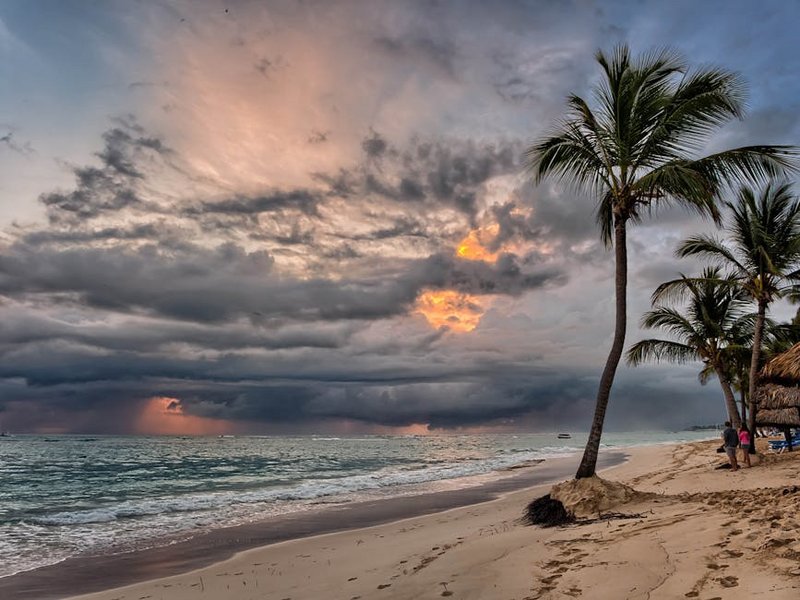
Alt: “dominican-republic-punta-cana-beach-palm-trees-turquoise-water”
Beach Holiday in the Dominican Republic – Planning Your Trip
Successful planning for a Caribbean getaway involves more than just booking flights. Your experience varies dramatically based on location, travel style, and timing. We recommend balancing resort comfort with local exploration for a richer trip.
Your budget should account for all-inclusive packages versus pay-as-you-go dining. Transportation between regions can take time, so choose one or two bases unless you have over ten days. Always purchase comprehensive travel insurance that covers medical evacuation.
Best Time to Visit the Dominican Coast
The peak tourist season runs from December to April, coinciding with dry, sunny weather and pleasant temperatures of 80-85°F (27-29°C). This is the most expensive and crowded period, requiring bookings 4-6 months in advance for the best resorts.
The shoulder seasons of May-June and November offer a great balance. You will find lower prices, fewer crowds, and still-excellent weather. The summer months (July-October) are hotter and more humid, with a higher chance of rain, but also feature the lowest hotel rates.
Budget Planning and Costs
Costs vary widely based on your chosen style of travel.
Essential Preparation Checklist
Pack light, breathable clothing, swimwear, a cover-up, reef-safe sunscreen (high SPF), insect repellent, and a hat. Bring a waterproof phone case, a power adapter if needed, and reliable sandals. Include a light rain jacket for unexpected showers.
Ensure your passport is valid for at least six months beyond your departure date. Have copies of your travel insurance documents. Book airport transfers in advance for ease. Check the CDC website for any recommended vaccinations before your trip.
Top Attractions and Beach Activities
Beyond lounging on the sand, the DR’s coastline offers endless water-based adventures. The calm Caribbean Sea is perfect for snorkeling and diving, especially near Bayahibe and Catalina Island. The north coast’s Atlantic waves provide world-class conditions for windsurfing and kitesurfing.
Boat tours are a quintessential part of the experience. Day trips to Saona Island or Los Haitises National Park combine beach time with scenic landscapes. Many resorts offer non-motorized water sports like kayaking and paddleboarding for free to guests.
Must-See Beach Highlights
Bávaro Beach in Punta Cana is iconic for its seemingly endless white sand and clear, shallow water. It’s ideal for families and first-time visitors. Playa Rincón on the Samaná Peninsula is consistently ranked among the world’s best beaches, with a remote, pristine feel.
For a unique experience, visit Bahía de las Águilas in the remote southwestern Pedernales province. This protected, undeveloped beach requires a boat or 4×4 to access. Its turquoise waters and desert-like backdrop are breathtaking. Entry involves a small national park fee.
Hidden Gems and Local Favorites
Venture beyond the resorts to find quieter shores. Playa Frontón near Las Galeras is a secluded beach only accessible by boat or a moderate hike. It offers exceptional snorkeling along its cliff walls. Playa Bonita, near Las Terrenas, is a long, golden-sand beach popular with locals and expats.
In the Puerto Plata area, Playa Encuentro is the surfing epicenter, with a relaxed vibe and beach shacks. For a cultural beach day, visit the malecon (seaside boulevard) in Santo Domingo’s Boca Chica neighborhood to see locals enjoying their weekend.
Adventure and Eco-Tourism
The DR isn’t only about beaches. You can take day trips to the mountainous interior for river rafting on the Río Yaque del Norte or hiking in the Cordillera Central. The 27 Waterfalls of Damajagua near Puerto Plata involves climbing and jumping into a series of natural pools.
From January to March, the Samaná Bay becomes a nursery for thousands of migrating humpback whales. Responsible boat tours from Santa Bárbara de Samaná offer a chance to witness these majestic animals. This is a truly unforgettable addition to a coastal holiday.
Practical Travel Information
Getting around the DR requires some planning. Major international flights arrive into Punta Cana (PUJ), Santo Domingo (SDQ), and Puerto Plata (POP). Domestic flights connect these hubs but are less common than road travel.
Rental cars offer flexibility but be prepared for variable road conditions outside main highways. Reputable taxi services and pre-booked private transfers are the most hassle-free options for most tourists. Internal buses like Caribe Tours are comfortable and affordable for long-distance travel between cities.
| Accommodation Type | Best For & Features | Avg. Nightly Rate (USD) |
|---|---|---|
| All-Inclusive Resort | Families & convenience; includes meals, drinks, activities | $200 – $600+ |
| Boutique Hotel | Couples & design; personalized service, unique location | $120 – $350 |
| Vacation Rental (Villa/Apartment) | Groups & longer stays; kitchen, living space, privacy | $80 – $300 |
| Guesthouse / Hostel | Budget travelers & solo explorers; local experience | $25 – $80 |