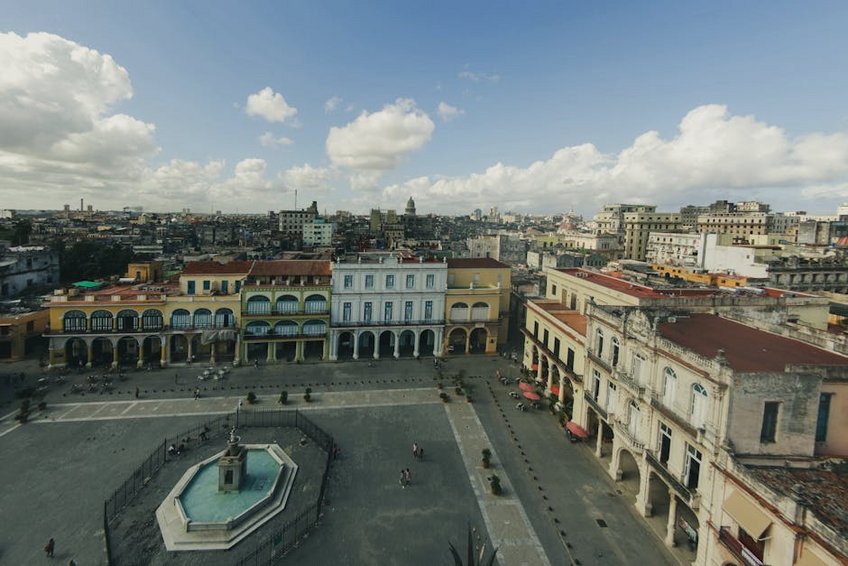
Colonial Cities in Cuba: A Journey Through Living History
Walking through Cuba’s colonial cities feels like stepping into a vibrant, sun-drenched history book where every pastel-colored building tells a story. These UNESCO-listed treasures, from Havana to Trinidad, preserve centuries of Spanish architectural grandeur, African cultural infusion, and revolutionary spirit within their cobblestone streets. This guide provides the practical details and cultural insights you need to plan an immersive trip through the island’s most captivating heritage centers, covering everything from classic car tours to finding the best live salsa music.
Essential Information on Cuban Colonial Heritage
Cuba’s colonial era began with the arrival of Spanish conquistadors in the early 1500s, establishing settlements that grew rich from sugar, tobacco, and the transatlantic trade. For over four centuries, Spanish rule left an indelible mark, constructing formidable fortresses, ornate churches, and sprawling plazas designed around the traditional Spanish colonial grid. This architectural and urban planning legacy was recognized globally when Old Havana and its fortification system became a UNESCO World Heritage Site in 1982, followed by cities like Trinidad, Cienfuegos, and Camagüey.
The preservation of these areas is remarkable, especially considering Cuba’s economic challenges over the past 60 years. Unlike many historic districts that become sterile museums, Cuban colonial towns are fully lived-in, with families, musicians, and artists animating the historic structures. This creates a dynamic atmosphere where history feels immediate and authentic, not just curated for tourists. The blend of Spanish, African, and Creole influences makes each city uniquely compelling.
What Defines a Cuban Colonial City
Several key architectural and urban features are common across these historic centers. Recognizing them will deepen your appreciation as you explore.
- Central Plaza (Plaza Mayor): Every Spanish colonial city was organized around a main square, flanked by the most important governmental and religious buildings. These plazas remain the social and cultural hearts of each town.
- Fortification Systems: Due to constant pirate threats, cities like Havana and Santiago de Cuba developed massive stone forts, seawalls, and watchtowers. El Morro in Havana is the most iconic example.
- Spanish Baroque Architecture: Look for intricate wooden window grilles (rejas), grand wooden doors, central courtyards (patios), and pastel-colored stucco facades that define the streetscapes.
- Budget Traveler ($50-75 USD/day): Stay in budget casas particulares ($20-30/night), eat most meals at paladares (private restaurants) or street pizza stands, use shared taxis (colectivos) or Viazul buses for transport, and focus on free wandering and plaza-sitting.
- Mid-Range Traveler ($100-150 USD/day): This allows for nicer casas or 3-star hotels ($40-60/night), dining at reputable paladares for most meals, private taxi trips between cities, and paid entrance to museums and live music venues.
- Luxury Traveler ($200+ USD/day): Enjoy boutique hotels in restored mansions ($100+/night), dine at top paladares and state-run hotel restaurants, hire private classic car tours with guides, and perhaps take a domestic flight to save time.
- UNESCO World Heritage Centre – Old Havana
- Lonely Planet Cuba Travel Guide
Key Historical Periods and Influences
The colonial period can be divided into distinct phases, each adding a layer to the cities’ character. The 16th and 17th centuries focused on defense, resulting in the formidable fortresses you see today. The 18th and early 19th centuries, often called the “sugar boom,” brought immense wealth and a flourish of ornate, neoclassical public buildings and mansions, particularly in cities like Trinidad.
African influence arrived through the forced migration of enslaved people, profoundly impacting music, religion (Santería), food, and the cultural fabric. This fusion is palpable in the rhythmic sounds and spiritual practices that permeate these historic streets. After independence and through the modern era, these districts have weathered change while maintaining their essential soul, making them authentic time capsules.
UNESCO World Heritage Sites
Seven Cuban locations with exceptional colonial core are UNESCO-listed. Old Havana (La Habana Vieja) is the most extensive, with over 4,000 historic buildings. Trinidad is a perfectly preserved gem from the sugar aristocracy era. Cienfuegos is noted for its French-inspired neoclassical elegance, while Camagüey is famous for its maze-like layout designed to confuse pirates.
The smaller towns of Remedios and Bayamo offer equally authentic but less-touristed experiences. Santiago de Cuba, the island’s second city, boasts a dramatic colonial core set against a mountainous backdrop. Each offers a different perspective on the nation’s complex history.
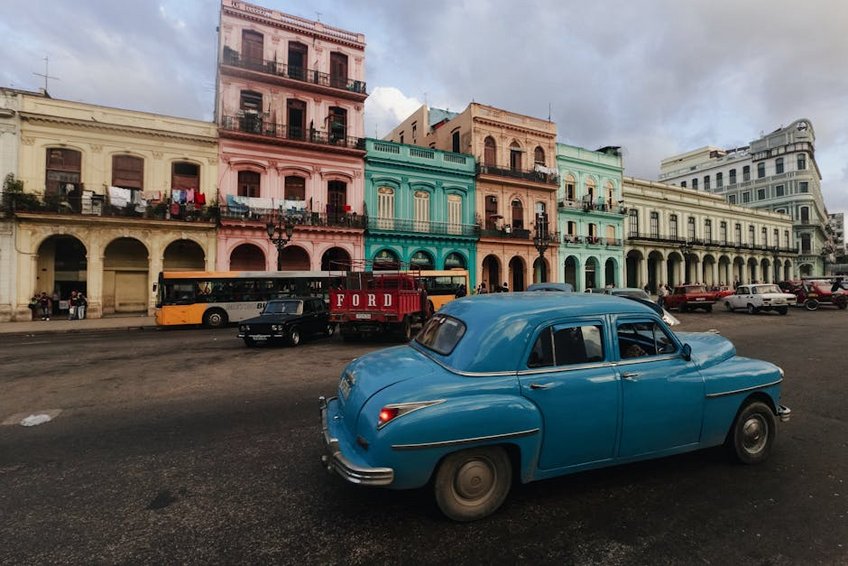
Alt: “habana-vieja-cobblestone-street-pastel-colonial-buildings-cuba”
Colonial Cities in Cuba – Planning Your Trip
To fully appreciate the colonial cities in Cuba, strategic planning is essential due to the island’s unique travel logistics. A well-planned itinerary allows you to experience the architectural grandeur and local life without unnecessary hassle. You must consider transportation between cities, accommodation types, and how to access cash, as U.S. credit and debit cards largely do not work.
Focus on connecting two or three key cities rather than trying to see everything. A classic route pairs Havana with Trinidad, or adds Viñales for natural beauty. Allow for slow travel; the magic is in wandering the plazas at different times of day and engaging with residents. Always have a buffer for the charming unpredictability of Cuban timetables and services.
Best Time to Visit Colonial Cuba
The ideal window for exploring Cuba’s colonial cities is during the dry season from November to mid-April. Daytime temperatures range from a pleasant 75-85°F (24-29°C) with lower humidity and minimal rainfall. This is peak tourist season, so book casas particulares and intercity transport several months in advance, especially for December holiday travel.
The shoulder months of May and October can be good compromises, though expect hotter weather and a higher chance of afternoon showers. The summer months from June to September are hot, humid, and squarely in hurricane season, but you’ll encounter fewer crowds and potentially lower prices. Many cultural festivals, like the Havana International Jazz Festival in January, occur in the dry season.
Budget Planning and Costs
Daily costs in Cuba vary widely based on travel style. Budgeting is unique due to the dual currency system (though the Cuban Convertible Peso CUC is being phased out for the Cuban Peso, CUP). Always carry enough cash.
Essential Preparation Checklist
Packing for Cuba requires specific items you might not need elsewhere. Bring all necessary medications and toiletries, as familiar brands can be scarce. Include a sturdy water bottle with a filter, sunscreen, insect repellent, and a powerful flashlight for uneven streets and occasional blackouts. Comfortable, broken-in walking shoes are non-negotiable for cobblestones.
Ensure you have a valid passport and a tourist card (visa), which your airline or tour operator typically arranges. Purchase comprehensive travel insurance that includes medical evacuation, as it is a mandatory entry requirement. Book your first few nights’ accommodation in advance to satisfy immigration formalities. Download offline maps (like Maps.me) and translation apps, as internet access is still limited and purchased via scratch cards.
Top Colonial Cities and Attractions
Each colonial city in Cuba offers a distinct personality and set of highlights. Havana pulsates with energetic street life, Trinidad feels like a perfectly preserved museum town, and Camagüey invites you to get lost in its winding alleys. Dedicating adequate time to wander without a strict agenda is the best way to connect with the ambiance of these living historic centers.
Beyond the major plazas, make time to visit local art galleries, community projects, and music venues that operate in restored colonial homes. Engaging with these initiatives offers a deeper understanding of contemporary Cuban culture thriving within the historic framework. The interaction between the preserved past and dynamic present is what makes visiting these places so special.
Must-See Highlights in Key Cities
In Old Havana, prioritize the Plaza de la Catedral, the Castillo de la Real Fuerza, and a stroll down the Malecón at sunset. The Museo de la Revolución provides crucial context housed in the former Presidential Palace. A classic car tour, while touristy, offers a fantastic overview.
Trinidad is about atmosphere. Climb the bell tower of the Museo Nacional de la Lucha contra Bandidos for panoramic views of the red-tiled roofs. Visit the Romantic Museum to see a preserved sugar baron’s mansion. In the evening, listen for live music spilling from Casa de la Música on the main staircase.
In Santiago de Cuba, visit the Castillo de San Pedro de la Roca (El Morro) and the Cementerio Santa Ifigenia. Feel the musical heart of Cuba at the Casa de la Trova. Each city’s central plaza remains the essential starting point for any exploration.
Hidden Gems and Local Favorites
Venture beyond the main squares to find quieter, equally beautiful streets. In Havana, explore the less-visited but charming Plaza del Cristo and the surrounding area. In Trinidad, the Barrio de los Carpinteros (Carpenters’ Neighborhood) offers a glimpse of local life away from the tourist center.
Visit the city of Remedios, one of Cuba’s oldest settlements, especially during its famous Parrandas festival in December. It’s far less crowded than Trinidad but boasts a stunning main church and plaza. In Camagüey, instead of just seeing the plazas, purposefully get lost in the tangle of streets between them to discover small workshops and hidden courtyards.
Architectural Walking Tours
Self-guided walking is the best way to appreciate architectural details. Focus on specific elements: look for the varied designs of the rejas (window grilles), the massive doors with different knockers, and the glimpses into interior patios. Notice how buildings use pilasters, arches, and stained glass.
Many cities offer free (tip-based) walking tours from the main plaza led by local students. These provide excellent historical context and can take you to spots you might otherwise miss. Always carry small change in Cuban Pesos (CUP) for these guides and for entering local neighborhood museums.
Practical Travel Information and Logistics
Navigating Cuba requires understanding its unique infrastructure. Internet is accessed via Wi-Fi hotspots in main parks or hotels using prepaid ETECSA cards; download essential info offline. Cash is king, so bring enough EUR, CAD, or GBP to exchange, as USD often incurs an extra fee. ATMs are unreliable for foreign cards.
Accommodation is primarily through casas particulares (private homestays), which offer the most authentic experience and directly support local families. State-run hotels are often in historic buildings but can be inconsistent in service. Booking platforms like Airbnb work for many casas, or you can book upon arrival by walking around and looking for the blue anchor symbol.
| Transportation Type | Description & Best For | Price Range (USD) |
|---|---|---|
| Viazul Bus | Air-conditioned coaches connecting major cities; reliable but must be booked ahead. | $20-50 per leg |
| Shared Taxi (Colectivo) | Faster, door-to-door service in shared classic cars or modern vehicles; arrange through your casa host. | $25-40 per person |
| Private Taxi | Full car hire for maximum flexibility and comfort for families/groups. | $80-150+ per trip |
| Local City Taxis | Classic cars or coco-taxis for short hops within a city; always negotiate price first. | $5-15 per ride |