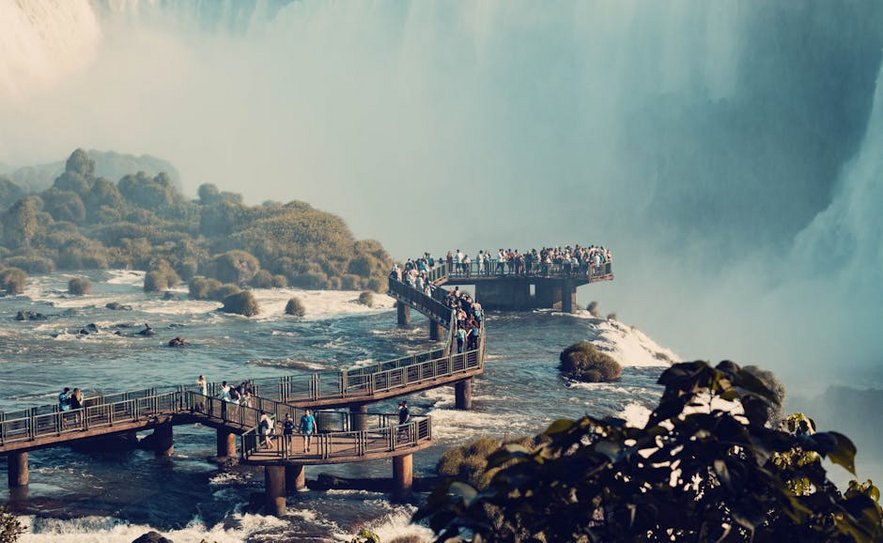
Iguazu Waterfalls in Argentina: Witness Nature’s Thunderous Power
The Iguazu Waterfalls in Argentina present one of the planet’s most astonishing natural spectacles, where 275 individual cascades plunge over a verdant, horseshoe-shaped cliff into a mist-filled gorge. Standing on the Argentinian side offers immersive walkways that bring you directly over the roaring Devil’s Throat and alongside dozens of powerful falls, creating an unforgettable sensory experience of sight and sound. This guide details the practical steps for visiting, from securing park tickets to choosing the best trails, ensuring you maximize your encounter with this UNESCO World Heritage site.
Essential Iguazu Falls Information
Straddling the border between Argentina and Brazil, the Iguazu system is significantly larger than Niagara Falls. The majority of the falls, approximately 80%, are located within Argentine territory, providing the most intimate and walkable access to the water. The surrounding Iguazú National Park protects a subtropical rainforest teeming with diverse wildlife, including coatis, toucans, and countless butterfly species.
The Argentine side is famed for its extensive network of metal walkways, which allow visitors to journey directly over the top of the cascades and stand at the precipice of the Garganta del Diablo. The constant spray creates perpetual rainbows, and the thunderous roar is audible long before the falls come into view. A visit here is as much about the journey through the lush ecosystem as it is about the monumental destination.
Key Facts and History
Understanding the scale and significance of this destination enhances any visit.
- The Iguazu Falls system is nearly 2.7 kilometers (1.7 miles) wide, with heights reaching up to 82 meters (269 feet) at the Devil’s Throat. The average flow is 1,756 cubic meters per second, but it can swell dramatically during the rainy season.
- Formed by a volcanic eruption, the falls were first officially documented by Álvar Núñez Cabeza de Vaca in 1542. The name “Iguazú” originates from the Guarani words for “big water.” The area was declared a UNESCO World Heritage site in 1984.
- The subtropical climate means high humidity year-round. Summers (Dec-Feb) are hot and wet with temperatures averaging 86°F (30°C), while winters (Jun-Aug) are milder and drier, around 68°F (20°C).
- Budget travelers can manage on $70-$100 per day. This covers a hostel dorm, self-catering or cheap local meals, public bus transport to the park, and the park entrance fee (approx. $25 USD). Focus your spending on the park experience itself.
- A mid-range budget of $150-$250 per day allows for a comfortable hotel in Puerto Iguazú, restaurant meals, guided tours like the Great Adventure boat ride, and taxi convenience. This tier offers the best value for comfort and experience.
- Luxury experiences start at $400+ per day, featuring stays at renowned jungle lodges like the Gran Meliá Iguazú with falls views, private guided tours, fine dining, and helicopter overflight tours for a breathtaking aerial perspective.
- Argentina National Parks Administration – Iguazú
- Lonely Planet – Iguazú Falls Guide
The Argentine Side Versus The Brazilian Side
Most travelers debate which country offers the better perspective. The Argentine side provides a more immersive, “inside the falls” experience with its extensive trail system. You walk alongside and above the water, feeling the mist and hearing the powerful roar from multiple vantage points. It requires more walking but delivers incredible proximity.
Conversely, the Brazilian side offers the grand, panoramic postcard view. You see the entire crescent of falls from a distance, which is spectacular for photography. A visit to both sides is ideal, but if choosing one, the Argentine side offers a more adventurous and physically engaging encounter with the natural wonder.
Park Logistics and Timing
The Argentine Iguazú National Park opens daily at 8:00 AM. You need a minimum of six to eight hours to fully experience the main circuits. The park operates a helpful ecological jungle train that transports visitors from the entrance to various trailheads, including the station for the Devil’s Throat walkway. Purchase tickets online in advance during high season to avoid long queues at the entrance.
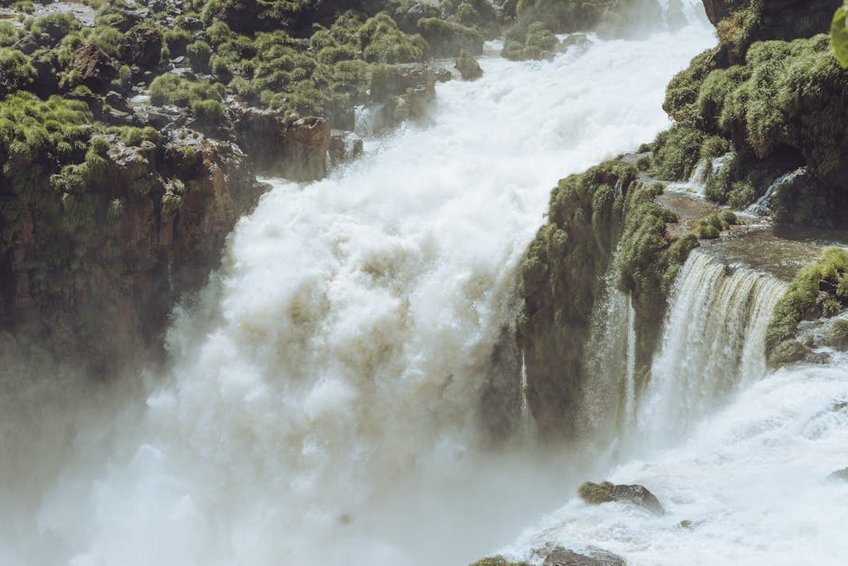
Alt: “iguazu-falls-devil-throat-argentina-walkway-mist”
Iguazu Waterfalls in Argentina – Planning Your Trip
A successful visit to the Iguazu Waterfalls in Argentina hinges on strategic planning around season, budget, and pace. The experience varies drastically between the flooded power of the summer rains and the clearer, more manageable flows of winter. Your itinerary should account for heat, humidity, and substantial walking on sometimes wet and slippery paths. Advance bookings for flights, lodging, and even park tickets are highly recommended, especially for travel between October and March.
Accommodation choices are split between the immediate gateway town of Puerto Iguazú and the remote jungle lodges within the park’s sphere. Puerto Iguazú offers convenience, dining options, and better value, while upscale resorts provide seclusion and direct access to nature. Allocate two full days if you wish to visit both the Argentine and Brazilian sides comfortably, as each requires a separate entry and a full day to explore.
Best Time to Visit Iguazu Falls
The ideal time for visiting is during the shoulder seasons of April-May or August-September. These months typically offer a balance between substantial water flow and pleasant weather, with temperatures between 70-80°F (21-27°C) and lower rainfall. Crowds are thinner compared to the peak South American summer vacation period from December through February.
Visiting in the summer rainy season (Jan-Mar) guarantees the most powerful, awe-inspiring cascades, but be prepared for intense heat, high humidity, frequent downpours, and the possibility of walkways temporarily closing due to flooding. The winter months (Jun-Aug) provide cooler, drier conditions and clearer views, though water levels are lower, which can reveal more rock face.
Budget Planning and Costs
Costs can vary based on accommodation style and dining choices. Here is a breakdown for a three-day trip.
Essential Preparation Checklist
Packing correctly is crucial for comfort. Essentials include waterproof, non-slip walking shoes or hiking sandals, a high-quality rain poncho (superior to a jacket), quick-dry clothing, sunscreen, insect repellent, and a waterproof case for your phone and camera. A lightweight backpack to carry water and supplies is a must.
Ensure your travel documents are in order. U.S. and EU passport holders do not need a visa for tourist visits to Argentina under 90 days. However, if you plan to visit the Brazilian side, check visa requirements well in advance. Purchase comprehensive travel insurance that covers adventure activities. Book domestic flights to Iguazú (IGR) from Buenos Aires at least two months ahead for the best fares.
Top Attractions and Trails on the Argentine Side
The Argentine park is organized into a series of clearly marked circuits that take you deep into the jungle and to the heart of the waterfalls. Each trail offers a distinct perspective, from panoramic overviews to intimate encounters with individual cascades. The efficient train system connects the central station to the trailheads, but much of the magic lies in the walks themselves, where you might spot wildlife like playful coatis and vibrant butterflies.
Beyond the iconic Devil’s Throat, the Upper and Lower Circuits provide a comprehensive understanding of the falls’ immense scale and power. Allocating a full day allows you to walk all trails at a relaxed pace, take numerous photos, and enjoy lunch at the park’s restaurant. Starting your day early helps you beat the largest tour groups that arrive mid-morning.
Must-See Highlights and Circuits
The Garganta del Diablo (Devil’s Throat) is the undisputed centerpiece. A walkway leads you 1.1 kilometers over the Iguazu River directly to the semicircular edge where 14 falls converge, creating a perpetual thunder and a towering plume of mist. It is an overwhelming and unforgettable experience, best visited first thing in the morning when crowds are lightest.
The Lower Circuit (Circuito Inferior) is a 1.7 km walkway that brings you to the base of several majestic falls, including Bossetti and Alvar Nunez. You get soaked by the spray here, making it incredibly refreshing on a hot day. The Upper Circuit (Circuito Superior) is a 1.3 km elevated path offering spectacular panoramic views looking down onto the curtain of water, perfect for photography.
Adventure Add-Ons and Boat Tours
The park offers thrilling paid add-ons. The Gran Aventura combines an open-sided truck ride through the jungle with a high-speed boat tour. The boats, operated by Iguazú Jungle, power directly into the base of the San Martín and Three Musketeers falls, guaranteeing a complete and exhilarating drenching. It is an absolute highlight for many.
For a more serene experience, the Macuco Trail is a lesser-trodden 7 km round-trip jungle walk to the quiet Arrechea waterfall, a chance to enjoy the rainforest away from the main crowds. Additionally, a moonlit tour to the Devil’s Throat on select full moon nights offers a magical, ethereal perspective of the falls under the moonlight.
Viewpoints and Photography Tips
For iconic photos, the balcony at the end of the Devil’s Throat walkway captures the power of the main cascade. The various viewpoints on the Upper Circuit provide wide-angle vistas. Use a polarizing filter to manage spray and glare, and always protect your camera with a waterproof bag or case. The soft light of early morning or late afternoon provides the best conditions for photography.
Practical Travel Information and Logistics
Reaching and navigating the Iguazu region is straightforward with proper planning. The Cataratas del Iguazú International Airport (IGR) receives direct flights from Buenos Aires, Cordoba, and other Argentine cities. The airport is conveniently located between the falls and Puerto Iguazú town, making transfers quick. For a broader itinerary, some travelers fly into Foz do Iguaçu Airport (IGU) on the Brazilian side.
Accommodation ranges from basic hostels to world-class luxury lodges. Staying in Puerto Iguazú offers access to a wider array of restaurants and services at more moderate prices. The remote jungle hotels offer unparalleled tranquility and immersion but require taxi rides for any outing. The local bus service between the town and the park entrance is reliable, frequent, and very inexpensive.
| Category | Options/Features | Price Range (USD/Night) |
|---|---|---|
| Budget Hostel | Dorm beds, shared kitchen, social atmosphere, pool. Example: Hostel Inn Iguazu. | $15 – $30 |
| Mid-Range Hotel | Private room with AC, pool, breakfast included. Example: Hotel Saint George. | $80 – $150 |
| Jungle Lodge | Luxury eco-lodge inside park reserve, spa, falls views. Example: Gran Meliá Iguazú. | $300 – $600+ |
| Full Resort | All-inclusive resort with multiple pools, kids’ club, tours. Example: Loi Suites Iguazu. | $200 – $400 |