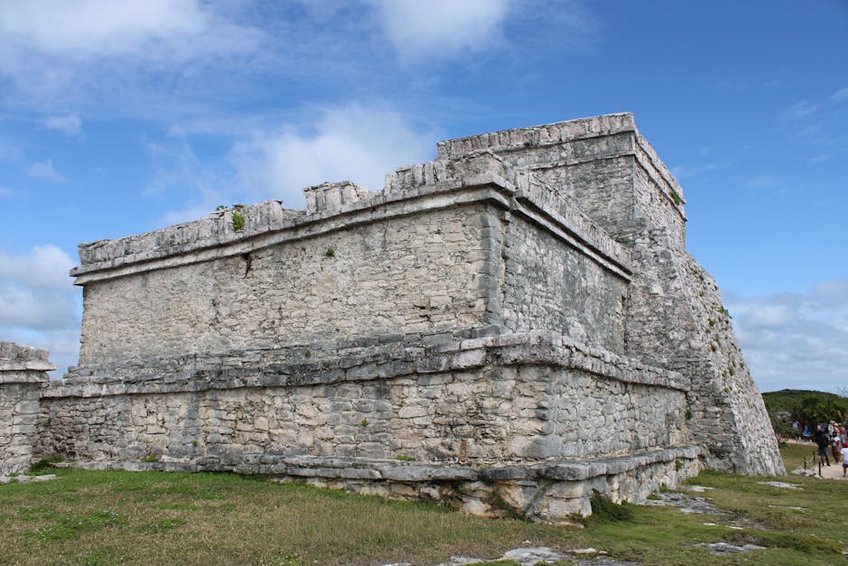
Exploring the Ancient Mayan Ruins in Mexico
Visiting the Mayan ruins in Mexico offers a profound journey into one of the most sophisticated pre-Columbian civilizations in the Americas. From the towering pyramids of Chichén Itzá to the jungle-clad temples of Palenque, these archaeological sites reveal advanced astronomical knowledge, intricate artistry, and complex city-states. This guide provides essential planning details, historical context, and practical tips for navigating the major and lesser-known sites across the Yucatán Peninsula and beyond.
Understanding the Maya Civilization
The Maya civilization flourished for over two millennia across Mesoamerica, reaching its Classic Period peak between 250 and 900 AD. Their territory spanned modern-day southeastern Mexico, all of Guatemala and Belize, and western parts of Honduras and El Salvador. This culture developed the only fully functional written language in the Americas and made groundbreaking advances in mathematics and calendar systems.
Maya society was organized into independent city-states, each ruled by a king considered a divine intermediary. Major centers like Tikal, Calakmul, and Caracol engaged in complex alliances and wars. Unlike a single empire, these states shared cultural and religious traits, including the worship of a vast pantheon of gods associated with nature and astronomy. Their decline remains a topic of debate, with theories pointing to prolonged drought, warfare, and political upheaval.
Key Archaeological Periods
Understanding the timeline helps appreciate the ruins’ historical context.
- Preclassic (2000 BC–250 AD): Establishment of early villages and the rise of ceremonial architecture. Sites like El Mirador in Guatemala feature some of the largest pyramids by volume ever built.
- Classic (250–900 AD): The golden age of monumental construction, artistic achievement, and widespread hieroglyphic writing. Great city-states like Palenque, Uxmal, and Copán thrived during this era.
- Terminal Classic (800–900/1100 AD): A period of decline in the southern lowlands, but continued florescence and new construction in northern Yucatán centers like Chichén Itzá.
- Budget Traveler ($40-70 USD/day): Stay in hostels or budget hotels, use ADO buses for transport, eat at local markets, and visit 2-3 major sites. Entrance fees are your main cost. A guided tour can be booked on-site for a small group to share the expense.
- Mid-Range Explorer ($100-200 USD/day): This allows for comfortable hotels, rental car flexibility, a mix of site entrances and private guided tours, and meals at good restaurants. You can comfortably visit both iconic ruins and a few off-path locations.
- Luxury/In-Depth Experience ($300+ USD/day): Includes stays at boutique hotels or eco-lodges, private drivers and expert archaeologist guides, exclusive early-access tours to popular sites, and multi-day tours focusing on specific regions like the Ruta Puuc or Calakmul.
- Instituto Nacional de Antropología e Historia (INAH)
- Lonely Planet Yucatán Peninsula Travel Guide
- Quintana Roo Tourism Board
Architectural Hallmarks at the Sites
Maya architecture is instantly recognizable and varies by region. The core of a city was the ceremonial precinct, featuring temples on stepped pyramids, palaces for the elite, and sacred ball courts. Pyramids often served as funerary monuments for rulers, with new layers built over old structures. Corbel arches, intricate stone mosaics, and elaborate roof combs are defining features.
Construction involved limestone blocks, mortar, and stucco, often painted in bright reds, blues, and yellows. While the grandeur of the stone plazas is captivating, imagine them filled with vibrant murals, bustling markets, and rituals that connected the people to their gods. The orientation of buildings was frequently aligned with celestial events, like the equinox sunrise at Chichén Itzá’s El Castillo.
The Importance of Astronomy and Writing
The Maya were exceptional astronomers, tracking the cycles of the sun, moon, and Venus with remarkable accuracy. This knowledge directly influenced their architecture, agriculture, and religious ceremonies. Their calendar system, including the cyclical Tzolk’in and the Haab’, was among the most complex ever created.
Their hieroglyphic script, a combination of logograms and syllabic signs, was carved on stone monuments (stelae), painted on pottery, and written in bark-paper books called codices. Deciphering this writing has been key to understanding their history, revealing names of kings, dates of battles, and details of ritual practices.
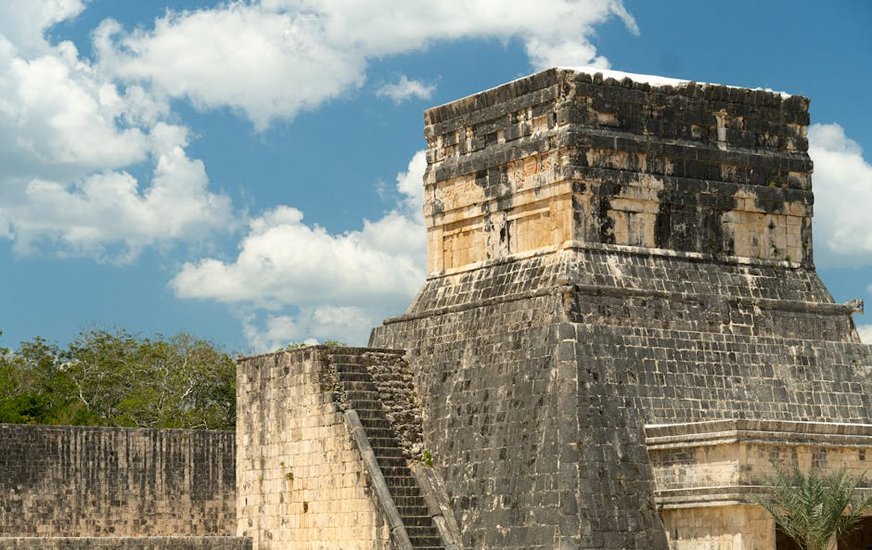
Alt: “chichen-itza-pyramid-el-castillo-sunrise-yucatan”
Mayan Ruins in Mexico – Planning Your Trip
A successful visit to the Mayan ruins in Mexico requires strategic planning around climate, geography, and your interests. The Yucatán Peninsula, home to the most famous sites, has a hot, humid climate with a distinct rainy season. You must choose between the popular, easily accessible ruins and the more remote, adventurous jungle sites, as travel logistics differ greatly.
Budgeting is relatively straightforward, with entrance fees ranging from $5 to $25 USD per site. The real cost variables are transportation between distant locations and guided tours, which are highly recommended for deeper understanding. Prioritize which sites align with your passion—whether for iconic photography, deep history, or jungle exploration—and build your itinerary accordingly.
Best Time to Visit the Ruins
The ideal window to explore Mexico’s Mayan ruins is during the dry season, from November through April. Daytime temperatures range from 75–85°F (24–29°C) with lower humidity, making extensive walking and climbing more comfortable. This is also peak tourist season, so sites like Chichén Itzá and Tulum can be crowded, especially around holidays.
The shoulder months of May and October offer a good balance, with slightly higher chances of rain but thinner crowds. The summer rainy season (June-September) brings intense heat, high humidity, and daily afternoon showers, though mornings are often clear. Visiting at opening time (usually 8 AM) is always best to avoid both crowds and the midday sun.
Budget Planning and Costs
Your budget depends on travel style and the number of sites visited.
Essential Preparation Checklist
Packing correctly is crucial for comfort and safety. Footwear is paramount—sturdy, broken-in hiking shoes or sneakers with good grip are essential for climbing uneven stone steps. A daypack should contain at least 2 liters of water per person, high-SPF sunscreen, a wide-brimmed hat, and insect repellent for jungle sites.
Carry cash (Mexican pesos) for entrance fees, as smaller sites may not accept cards. Bring your passport or a copy for identification. If you plan to hire guides at the site, having smaller denomination bills is helpful. Download offline maps (Google Maps or Maps.me) of the areas, as cellular service can be unreliable at remote archaeological zones.
Top Mayan Sites to Visit in Mexico
Mexico boasts dozens of significant Maya archaeological zones, each with a unique character. The most famous are concentrated in the states of Yucatán, Quintana Roo, and Chiapas. While it’s tempting to try to see them all, focusing on a logical geographic cluster will yield a richer experience than crisscrossing the peninsula.
For first-time visitors, a combination of Chichén Itzá, Uxmal, and Tulum offers a superb overview of coastal, inland, and architectural diversity. Those with more time can delve into the dense jungles of Palenque or the remote grandeur of Calakmul. Each site tells a different chapter of the Maya story.
Must-See Highlights: The Iconic Trio
Chichén Itzá is a UNESCO site and one of the New Seven Wonders. The centerpiece is El Castillo, a pyramid aligned to create a serpent shadow during equinoxes. Don’t miss the massive Great Ballcourt and the sacred Cenote Sagrado. Arrive at opening to experience it before the crowds.
Tulum is unique as the only major Maya city built on a coastal cliff. Its stunning Caribbean backdrop makes it incredibly picturesque. While smaller in scale, its location and well-preserved frescoes in the Temple of the Frescoes are unforgettable. Combine your visit with a swim at the beach below.
Uxmal, part of the Ruta Puuc, showcases the exquisite Puuc architectural style. The Pyramid of the Magician, with its oval base, is a masterpiece. The detailed stone mosaics on the Governor’s Palace and the Nunnery Quadrangle demonstrate the peak of Maya stonework without the influence of central Mexico seen at Chichén Itzá.
Hidden Gems and Local Favorites
For an atmospheric jungle experience without the crowds, head to Cobá. This sprawling site features tall pyramids you can still climb, like Nohoch Mul, and is explored by renting a bicycle or tricycle taxi along its ancient sacbeob (white roads). It feels adventurous and immersive.
Ek’ Balam, north of Valladolid, is another gem. Its main acropolis is home to the spectacular stucco sculpture of the “Entrance to the Underworld,” a well-preserved winged figure. The site is rarely crowded, and the view from the top of the main structure is breathtaking over the flat Yucatán jungle.
The Jungle Kingdoms: Palenque and Calakmul
Palenque, in the state of Chiapas, is often cited as the most beautiful of all Maya ruins. Set in lush tropical rainforest with waterfalls, its architecture is elegantly proportioned and covered in detailed stucco reliefs. The Temple of the Inscriptions houses the tomb of King Pakal, a major archaeological discovery.
Calakmul, deep in the Campeche biosphere reserve, is for the intrepid traveler. Once a superpower rivaling Tikal, its remote location keeps crowds away. The experience involves a long drive into the jungle, with opportunities to see wildlife. Climbing its massive Structure II offers a sea of green canopy as far as the eye can see.
Practical Travel and Logistics
Navigating the Yucatán Peninsula and beyond requires understanding the main hubs. Cancún (CUN) is the primary international gateway for the eastern ruins. Mérida (MID) is the ideal cultured capital for exploring western Yucatán sites. For Palenque, you can fly to Villahermosa (VSA) or use overnight buses from major cities.
Accommodation ranges from luxury resorts in Cancún and Riviera Maya to charming colonial hotels in Mérida and Valladolid. For the most immersive experience, base yourself in a central town like Valladolid (for Chichén Itzá and Ek’ Balam) or the city of Campeche (for Edzná and the Ruta Chenes).
| Site Location | Closest Major City/Hub | Approx. Travel Time from Hub | Recommended Minimum Visit |
|---|---|---|---|
| Chichén Itzá | Valladolid or Mérida | 45-60 mins / 2 hours | 3-4 hours |
| Tulum Ruins | Tulum Town or Playa del Carmen | 10-20 mins | 2-3 hours |
| Uxmal & Ruta Puuc | Mérida | 1 hour | 4-5 hours for multiple sites |
| Palenque | Palenque Town | 20-30 mins | 4-5 hours |
| Calakmul | Xpujil or Chetumal | 1.5-2 hours | 5-6 hours with travel |