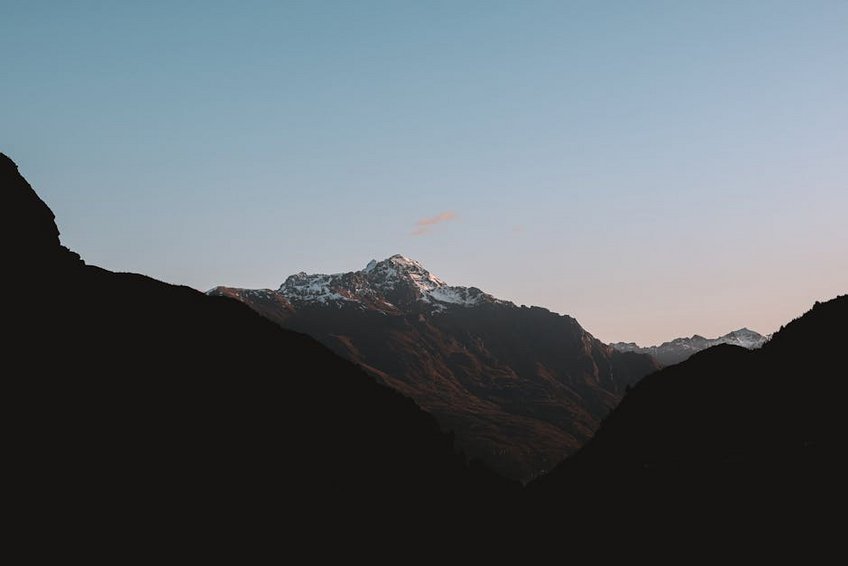
Nature Getaway in New Zealand: From Fiords to Forests
New Zealand offers a nature getaway defined by dramatic volcanic landscapes, ancient rainforests, and coastlines sculpted by the Pacific Ocean. You can explore this diversity across two main islands, with adventures ranging from multi-day coastal hikes to serene thermal pools and glacier valleys. This guide details the essential regions, seasonal timing, and practical tips for planning your journey into the heart of the South Pacific’s most compelling wilderness.
Understanding New Zealand’s Natural Landscape
New Zealand’s geological story shapes every adventure. The North Island is dominated by volcanic activity, featuring geothermal wonders, crater lakes, and expansive beaches. In contrast, the South Island presents the colossal Southern Alps, deep glacier-carved fiords, and vast braided river systems. This split creates two distinct touring circuits, each with a unique ecosystem.
Isolation over 80 million years allowed unique flora and fauna to evolve, including flightless birds like the kiwi. Conservation efforts are robust, with nearly one-third of the land protected as national parks and reserves. Your visit directly supports these initiatives through park passes and eco-certified tour operators.
Key Geographical Regions
Focus your itinerary around these core areas known for exceptional access to wilderness.
- South Island Southern Alps: Home to Aoraki/Mount Cook National Park, Fox and Franz Josef Glaciers, and the iconic hiking routes of the Mount Aspiring region, offering alpine vistas and glacier valley walks.
- Fiordland National Park: A UNESCO World Heritage area featuring Milford Sound and Doubtful Sound, where sheer cliffs meet dark waters, best explored by overnight cruise or kayak trip.
- North Island Volcanic Plateau: Encompasses Tongariro National Park with its legendary Alpine Crossing hike, plus the geothermal fields and Maori cultural sites around Rotorua and Lake Taupo.
- Budget Traveler ($75-$120 USD/day): Stays in DOC campsites or hostel dorm rooms, utilizes public transport (InterCity bus passes), prepares own meals, and focuses on free hikes and low-cost attractions. A DOC Annual Pass is essential for hut access.
- Mid-Range Traveler ($150-$250 USD/day): Books rental cars or campervans, stays in budget motels or private hostel rooms, mixes self-catering with occasional cafe meals, and includes paid activities like a Milford Sound day cruise or a Rotorua geothermal park entry.
- Luxury/Nature-Focused Traveler ($300+ USD/day): Utilizes premium guided multi-day walks (like the Milford or Routeburn Track with Ultimate Hikes), stays in boutique lodges near national parks, charters scenic flights, and books private guided wildlife tours for personalized experiences.
- New Zealand Department of Conservation (DOC)
- Tourism New Zealand Official Site
Unique Ecosystems and Wildlife
New Zealand’s native bush, known as “the bush,” consists of dense podocarp and beech forests. Guided night walks in protected sanctuaries like Zealandia in Wellington or on Stewart Island offer the best chance to hear and potentially see kiwi birds in their natural habitat. Coastal areas host fur seal colonies, penguins, and, between June and November, migrating whales along the Kaikōura coast.
Marine reserves provide incredible snorkeling and diving, particularly in the Poor Knights Islands near Northland. The absence of native land mammals means introduced species like possums and stoats are major predators, a key reason for strict biosecurity checks upon arrival to protect these fragile environments.
Climate and Seasonal Variations
The climate varies sharply from the subtropical north to the temperate south. Mountainous areas create their own microclimates, where weather can change rapidly. The western coasts of both islands receive significantly more rainfall, fueling the lush rainforests and fiords, while eastern areas like Canterbury and Hawke’s Bay are sunnier and drier.
This diversity means packing for all conditions is essential, even in summer. Layering with merino wool or synthetic fabrics provides the best adaptability. Always check the regional Department of Conservation (DOC) alerts for track conditions, avalanche risk in alpine areas, and river crossing safety before heading out.
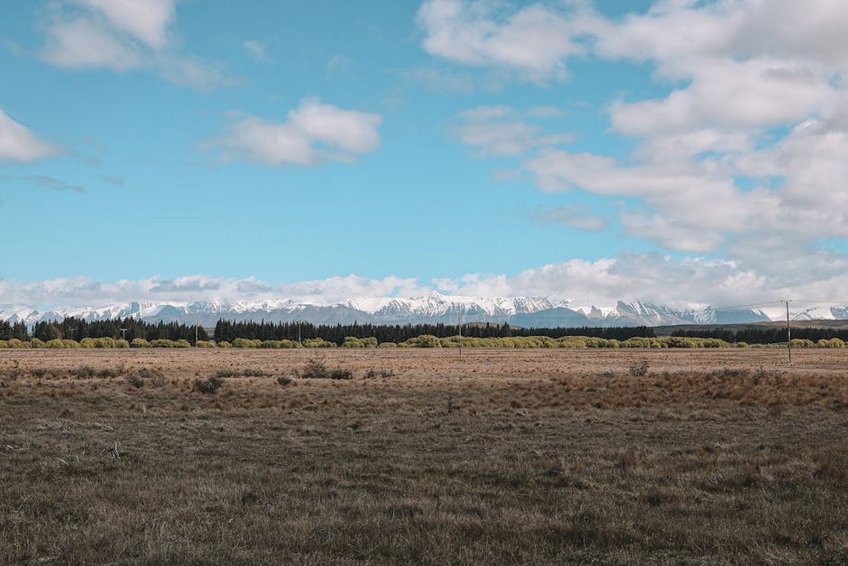
Alt: “milford-sound-new-zealand-fiordland-national-park-waterfall”
Nature Getaway in New Zealand – Planning Your Trip
An effective New Zealand nature getaway requires strategic planning around season, itinerary pacing, and activity booking. The country’s distances are greater than they appear on a map, with winding mountain roads making travel times longer. A common mistake is attempting to cover both islands extensively in under two weeks, leading to excessive driving.
Focus on one island for trips of 10-14 days or allocate at least three weeks for a comprehensive national tour. Booking internal flights between major hubs like Christchurch and Queenstown can save valuable time. Invest in a valid DOC pass for hut stays and park entry, and always book popular Great Walks and key tours like Milford Sound cruises many months in advance.
Best Time to Visit for Outdoor Adventures
Visit between December and March (summer to early autumn) for the most reliable weather, with temperatures from 68°F to 77°F (20°C to 25°C) in the north and 59°F to 68°F (15°C to 20°C) in the south. This is peak season for the Great Walks and coastal activities, with long daylight hours. Accommodation and rental car prices are at their highest, and popular trails require bookings the moment they open.
The shoulder seasons of April-May and September-November offer cooler temperatures, 50°F to 64°F (10°C to 18°C), fewer crowds, and often stunning autumn colors or spring blossoms. Winter, June through August, transforms the Southern Alps into a ski and snow sports destination, with temperatures often dropping below freezing in alpine areas, creating a dramatic snowy landscape.
Budget Planning and Costs
Daily costs vary dramatically based on your travel style. Here is a breakdown for a moderate pace trip focusing on outdoor activities.
Essential Preparation Checklist
Packing must account for variable conditions. Essential gear includes waterproof hiking boots with good ankle support, a high-quality rain jacket and pants, and multiple moisture-wicking base layers. A power adapter for Type I plugs (used in NZ) is required, and a portable power bank is useful for long days on the trail.
International visitors do not need a visa for stays under 90 months (check official NZ immigration website for your nationality). Comprehensive travel insurance that includes medical evacuation and adventure activity coverage is non-negotiable. Book major inter-island ferries, rental vehicles, and top-tier accommodation at least four to six months ahead for summer travel.
Top Attractions and Immersive Activities
The national parks form the cornerstone of any wilderness itinerary. Fiordland National Park’s Milford Sound is the iconic destination, where waterfalls cascade down sheer rock faces. Taking an overnight cruise allows you to experience the sound’s tranquility after day-trippers depart. Further north, the glacier country around Franz Josef offers guided ice hikes on the terminal face of the glacier.
On the North Island, Tongariro National Park presents one of the world’s best day hikes, the Tongariro Alpine Crossing. This 12-mile journey passes active volcanic craters, emerald lakes, and vast lava flows. Near Rotorua, Wai-O-Tapu Thermal Wonderland showcases vividly colored hot springs, geysers, and mud pools, illustrating the earth’s raw power.
Must-See Natural Highlights
Abel Tasman National Park combines golden beaches with coastal native bush, best explored by kayak or on the multi-day Coastal Track. Water taxi services allow for flexible itineraries. Aoraki/Mount Cook National Park offers breathtaking alpine scenery with accessible walks like the Hooker Valley Track, leading to a glacial lake with icebergs.
The Coromandel Peninsula is famous for Hot Water Beach, where you can dig your own thermal pool in the sand at low tide, and Cathedral Cove, a majestic coastal arch reached by foot or kayak. Kaikōura provides year-round whale watching opportunities, with sperm whales commonly sighted alongside dolphins and albatross.
Hidden Gems and Local Favorites
For a remote experience, consider Stewart Island/Rakiura. Over 85% of the island is a national park, and it’s one of the best places to spot wild kiwi birds. The Rakiura Track is a Great Walk offering a serene, muddy, and beautiful journey. In the North Island, the East Cape features the world’s most easterly lighthouse and authentic, less-visited Maori communities.
The Paparoas on the South Island’s West Coast are home to the Pancake Rocks blowholes at Punakaiki and the new, challenging Paparoa Track Great Walk. Locals often favor the quieter Doubtful Sound over Milford Sound for overnight kayaking, as it receives fewer visitors and offers a greater sense of isolation amidst the fiords.
Multi-Day Hiking (Tramping) on the Great Walks
New Zealand’s network of Great Walks represents the premier hiking experiences. The Milford Track (53.5 km) is famously called “the finest walk in the world,” traversing from Lake Te Anau to Milford Sound. Bookings for the summer season open months in advance and sell out within minutes. The Routeburn Track (32 km) links Mount Aspiring and Fiordland National Parks across alpine passes.
For coastal scenery, the Abel Tasman Coast Track (60 km) and the Rakiura Track (32 km) offer lower difficulty levels. All walks require booking huts or campsites through the DOC website. Be prepared for all weather conditions, carry sufficient food, and understand proper hut etiquette, including cleaning up completely after yourself.
Practical Travel Information and Logistics
Transportation is your biggest logistical consideration. Renting a car or campervan provides maximum flexibility to reach trailheads and remote areas. Note that rental companies often have strict rules about driving on unsealed (gravel) roads, which access many beautiful spots. Driving is on the left-hand side, and road journeys take longer than estimated due to topography.
Accommodation ranges from DOC huts and campsites to luxury lodges. In popular tourist towns like Queenstown, Wanaka, and Te Anau, booking accommodation well ahead is crucial. Consider staying in smaller satellite towns for better value; for example, stay in Glenorchy to explore the Routeburn Track area instead of Queenstown.
| Category | Options & Features | Price Range (USD) |
|---|---|---|
| Rental Car (Economy) | Compact car, unlimited km, basic insurance. Excludes gravel road access. | $35-$60/day |
| Campervan (2-Berth) | Self-contained with bed, kitchenette. Freedom camping allowed in approved sites. | $80-$180/day |
| Domestic Flight (AKL to ZQN) | One-way, main airline (Air NZ). Book early for best fares. | $70-$150/one-way |
| InterCity Bus Pass (Flexi) | Flexible travel on national coach network. Eco-friendly but less flexible. | $200-$400/pass |