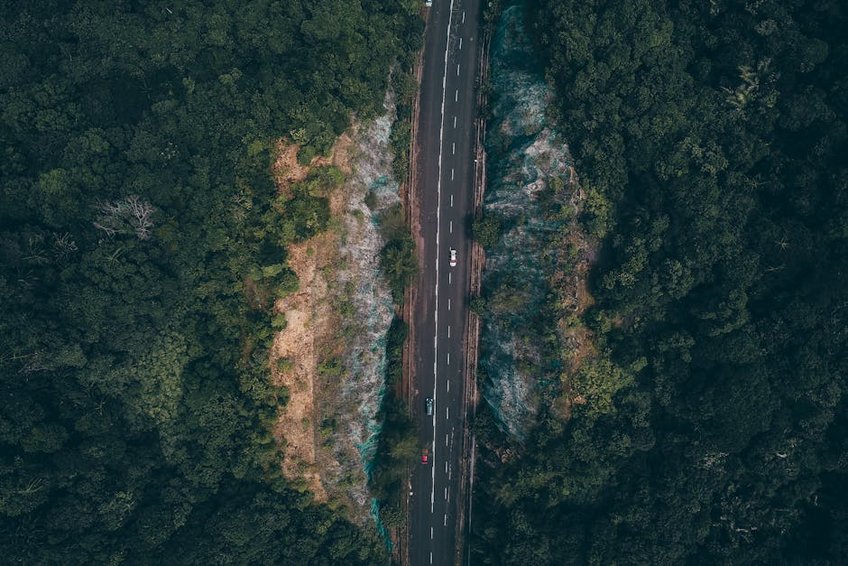
Rainforest Exploration in Malaysia: A Guide to Ancient Jungles
Rainforest exploration in Malaysia immerses you in one of Earth’s oldest tropical ecosystems, where biodiversity thrives across vast national parks and protected reserves. Your adventure spans iconic locations like Taman Negara and Borneo’s rainforests, each offering unique wildlife encounters and canopy walkway experiences. This guide provides essential logistics, seasonal strategies, and cultural insights for navigating these lush environments safely and respectfully.
Essential Malaysian Rainforest Information
Malaysia’s rainforests form part of the Sundaland biodiversity hotspot, estimated to be over 130 million years old. The country’s most famous protected area is Taman Negara, established in 1938 as King George V National Park. These ecosystems are crucial for global climate regulation and house thousands of endemic species found nowhere else on the planet.
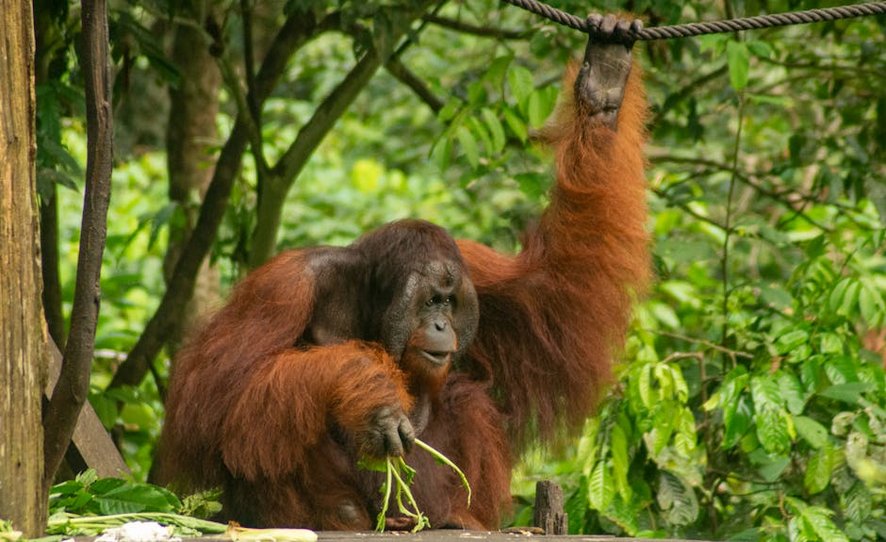
Peninsular Malaysia and Malaysian Borneo (the states of Sabah and Sarawak) offer distinct jungle experiences. The western peninsula features massive dipterocarp trees and easier accessibility from Kuala Lumpur. Eastern Borneo presents more rugged terrain with unique species like the Bornean orangutan and pygmy elephant, requiring more extensive travel planning.
Key Ecosystems and Regions
Understanding Malaysia’s primary rainforest regions helps tailor your itinerary.
- Taman Negara: Accessible via Kuala Tahan, this 4,343 sq km park features the world’s longest canopy walkway, river systems, and hides for wildlife spotting, perfect for first-time visitors.
- Sabah (Borneo): Home to Danum Valley Conservation Area and Kinabalu Park, this region offers pristine primary rainforest and mountain ecosystems, ideal for serious naturalists and trekkers.
- Sarawak (Borneo): Features Gunung Mulu National Park, a UNESCO site with colossal caves and the iconic Pinnacles limestone formations, demanding good physical fitness.
- Endau-Rompin National Park: Straddling Johor and Pahang states, this is one of Peninsular Malaysia’s last lowland rainforests, known for its waterfalls and rafflesia flowers.
- Budget (approx. $40-70 USD/day): Includes hostel dorms near park entrances, self-guided trekking on main trails, public transport, and local eateries. Permits and basic park fees are extra. This level involves more logistical planning.
- Mid-Range (approx. $100-200 USD/day): Covers guided day tours, comfortable lodges or resorts with air conditioning, private transport from nearby towns, and most meals. This offers the best value for guided wildlife spotting and canopy walks.
- Luxury (approx. $300-600+ USD/day): Features stays at premium eco-resorts like Borneo Rainforest Lodge, private guided expeditions, night wildlife safaris, all-inclusive meals, and domestic flights to remote airstrips. Focuses on exclusive access and expert guiding.
- Tourism Malaysia Official Website
- World Wildlife Fund – Sundaland
Climate and Seasonal Patterns
Malaysia experiences a humid equatorial climate with consistent temperatures year-round. Average lows range from 72°F to 75°F (22°C to 24°C), while daytime highs reach 86°F to 91°F (30°C to 33°C) in the lowlands. Humidity typically exceeds 80%, making hydration and breathable clothing essential.
Two primary monsoon seasons influence travel plans. The northeast monsoon affects the east coast of Peninsular Malaysia and Borneo from November to March, bringing heavier rainfall. The southwest monsoon impacts the west coast from May to September, though rain showers occur frequently throughout the year.
Conservation Status and Ethical Tourism
Malaysia has established a network of protected areas, but deforestation for palm oil plantations remains a significant threat. Ethical tour operators contribute to conservation by hiring local guides and adhering to strict park guidelines. Visitors should choose certified eco-lodges and follow the principle of leaving no trace during all activities.
Alt: “taman-negara-canopy-walkway-malaysia-rainforest-view”
Rainforest Exploration in Malaysia – Planning Your Trip
Organizing your jungle adventure requires attention to permits, health precautions, and gear selection. For Taman Negara, you must obtain a permit from the Department of Wildlife and National Parks, which is often arranged by your accommodation or tour operator. In Borneo, specific parks like Mulu or Danum Valley require advance bookings through official conservation bodies or licensed tour companies.
Health preparation is non-negotiable. Consult a travel clinic 6-8 weeks before departure for vaccinations and antimalarial prophylaxis recommendations for specific regions. Pack a comprehensive medical kit including rehydration salts, antiseptic, blister plasters, and any personal medications. Travel insurance must explicitly cover emergency evacuation from remote areas.
Your gear directly impacts comfort and safety. Essentials include broken-in hiking boots, quick-dry clothing, a high-quality headlamp, a lightweight rain poncho, and multiple pairs of moisture-wicking socks. Invest in a waterproof bag or dry sacks to protect electronics and important documents from the relentless humidity and sudden downpours.
Best Time to Visit Malaysian Rainforests
The optimal window for rainforest exploration in Peninsular Malaysia is between February and September, avoiding the peak of the northeast monsoon. During these months, you’ll experience slightly lower rainfall, making trails less muddy and river crossings safer. Temperatures remain steady at 75-90°F (24-32°C).
For Borneo’s rainforests, the drier period from March to October is preferable, particularly for challenging climbs like Mount Kinabalu or the Mulu Pinnacles. However, wildlife viewing can be excellent year-round, as animals still frequent mineral licks and rivers even during lighter rains. Always expect some precipitation regardless of the season.
Budget Planning and Costs
Daily costs vary dramatically based on comfort level and park location.
Essential Preparation Checklist
Packing strategically is crucial. Beyond clothing, your kit must include a reusable water bottle with purification tablets or a filter, high-DEET insect repellent, sun protection, and a power bank for charging devices where electricity is limited. Break in your footwear thoroughly on varied terrain before the trip to prevent blisters.
Documentation requires your passport with at least six months’ validity. Most Western nationals receive a 90-day visa on arrival. Print copies of your travel insurance policy, tour confirmations, and emergency contacts. Book domestic flights and major park lodges 3-6 months in advance, especially for July-August or December holidays.
Top Rainforest Attractions and Activities
Taman Negara’s canopy walkway remains a highlight, suspending you 45 meters above the forest floor across 530 meters. Early morning visits increase chances of seeing hornbills or gibbons. The park’s network of trails, like the challenging trek to Bukit Teresek, offers stunning viewpoints over the jungle canopy.
In Borneo, the Danum Valley Field Centre provides access to untouched primary rainforest with excellent wildlife research facilities. Night drives here reveal seldom-seen creatures like the western tarsier and slow loris. Meanwhile, Kinabalu Park combines rainforest exploration with the achievement of climbing Southeast Asia’s highest peak.
Must-See Highlights
Gunung Mulu National Park’s Deer Cave and Sarawak Chamber are geological wonders. The chamber is the world’s largest cave room by area. Visiting requires joining a guided group; book these tours well in advance through the official park website. The adjacent rainforest is home to millions of bats that perform spectacular evening exoduses.
The Sepilok Orangutan Rehabilitation Centre in Sabah offers a responsible way to observe semi-wild orangutans during feeding times. Combine this with a visit to the adjacent Rainforest Discovery Centre for its canopy walkways and botanical gardens. These facilities support vital conservation work.
Hidden Gems and Local Favorites
For a less-visited experience, consider the Royal Belum State Park in Perak, part of the larger Belum-Temengor Rainforest Complex. It requires a permit and is best accessed via a guided boat tour from Pulau Banding. This area is renowned for its rafflesia flowers and has a very healthy elephant population.
In Sarawak, the Batang Ai National Park offers immersion in Iban longhouse culture alongside jungle trekking. Trips here often include overnight stays in traditional longhouses, river travel by longboat, and learning about forest survival techniques from indigenous guides. Access is typically through tour operators in Kuching.
River Safaris and Night Exploration
Many Malaysian parks offer boat-based wildlife watching along their main rivers, such as the Tembeling River in Taman Negara or the Kinabatangan River in Sabah. Evening cruises increase sightings of proboscis monkeys, crocodiles, and various bird species. Always wear your life jacket and listen to your boatman’s instructions.
Guided night walks reveal the forest’s nocturnal activity. Armed with a guide’s spotlight, you might spot insects, frogs, snakes, and sleeping birds. Never attempt this activity without an experienced local guide who can ensure safety and minimize disturbance to wildlife. Fees are usually $20-40 USD per person.
Practical Travel and Logistics
Reaching Malaysia’s rainforest hubs involves international flights to Kuala Lumpur (KUL) for the peninsula or Kota Kinabalu (BKK) for Sabah. From these cities, you’ll take domestic flights, buses, or boats to gateway towns. For example, reaching Taman Negara involves a bus to Kuala Tembeling jetty followed by a riverboat.
Accommodation ranges from basic hostels in gateway towns to luxurious jungle resorts. Booking platforms like Agoda.com work well for mainstream hotels, but remote eco-lodges often require direct booking via their official websites or specialized tour agencies. Always confirm your booking via email.
| Transport Method | Key Routes & Details | Approx. Price (USD) |
|---|---|---|
| Domestic Flight | Kuala Lumpur to Kota Bharu for Taman Negara; Kota Kinabalu to Mulu for Gunung Mulu. | $50 – $150 |
| Intercity Bus | Comfortable coaches from KL to Jerantut (for Taman Negara) or Kuching to Miri. | $10 – $25 |
| Boat Transfer | Shared longboat from Kuala Tembeling to Kuala Tahan; river taxi in Mulu. | $15 – $40 |
| Private Car & Driver | Hire for door-to-door service to remote park entrances; arrange via hotel. | $80 – $150/day |