Color Festivals in India: A Guide to Vibrant Cultural Celebrations
Experiencing a color festival in India immerses you in a world of joyous celebration and ancient tradition. These vibrant events, most famously Holi, symbolize the victory of good over evil and the arrival of spring with a spectacular explosion of powders and pigments. This guide provides detailed planning advice, festival comparisons, and cultural insights to help you navigate these unforgettable cultural phenomena across the subcontinent.
Essential Festival Information
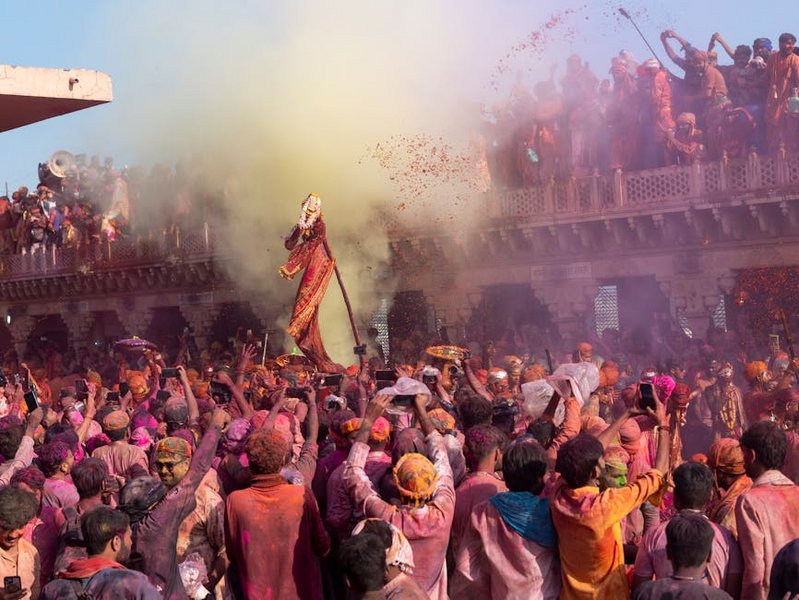
Indian festivals of color are deeply rooted in Hindu mythology and seasonal cycles. Holi, the most renowned, originates from legends involving deities like Lord Krishna and Prahlad, marking a time for social harmony. The throwing of colored powder, known as gulal, and water balloons creates a playful, egalitarian atmosphere where social norms relax.
Beyond Holi, regional variations offer distinct experiences tied to local harvests and folklore. Timing follows the Hindu lunisolar calendar, meaning Gregorian dates shift yearly, typically between late February and late March. Understanding these origins enriches the experience, transforming it from a chaotic party into a meaningful cultural participation.
What You Need to Know Before You Go
Participating requires cultural sensitivity and practical preparation. These events are public, energetic, and can be overwhelming for first-time visitors.
- Wear old, white cotton clothing you intend to discard, as synthetic dyes stain permanently, and avoid leather items that water can damage.
- Protect your skin and hair by applying coconut or mustard oil liberally beforehand, which helps the colored powder wash off more easily later in the day.
- Safeguard electronics and valuables in waterproof pouches, and consider wearing protective eyewear as the powder can irritate eyes during the lively public celebrations.
- Budget travelers can manage on $35-50 USD daily by staying in hostels, using public transport, and joining public Holi gatherings; focus costs on non-toxic color packets, simple meals, and a modest hotel room booked months ahead.
- Mid-range visitors spending $80-150 USD daily enjoy boutique hotels, pre-booked cultural tours, and private Holi event tickets, balancing authentic experience with comfort and safety, especially regarding colored powders.
- A luxury experience at $250-400+ USD daily includes palace hotel stays, guided heritage walks, and exclusive festival parties with gourmet food, ensuring a pristine, high-end celebration with guaranteed photo opportunities and ease.
- Incredible India Official Tourism Website
- Holifestival.org – Cultural Guide
Key Historical and Cultural Details
The festival’s eve features Holika Dahan, a bonfire ceremony reenacting the burning of the demoness Holika. Communities gather to sing, dance, and pray around the fire, symbolizing purification. This solemn prelude starkly contrasts with the following day’s frenetic color play.
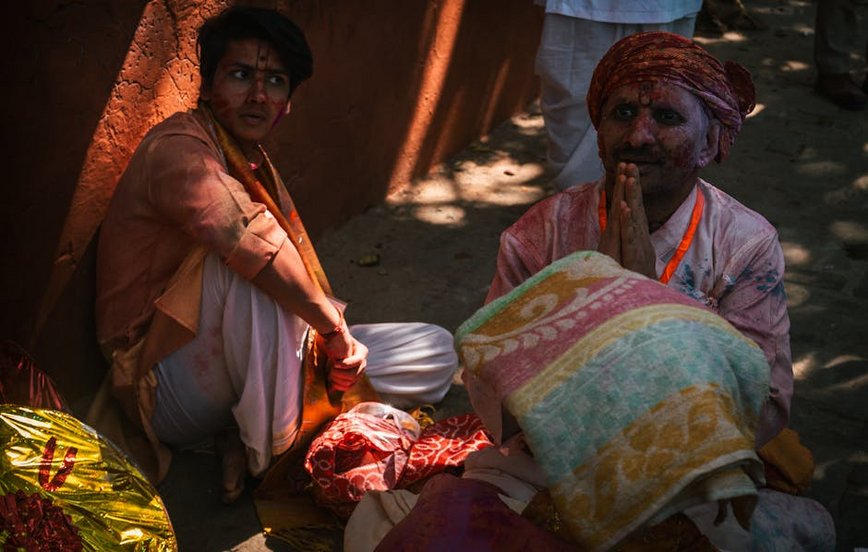
Traditional gulal was once made from natural sources like turmeric, sandalwood, and flower extracts. Today, synthetic versions are common, so checking for non-toxic, skin-friendly powders is advisable, especially for those with sensitivities. The colors carry symbolic meanings, too, with red for love and green for vitality.
Regional Significance and Variations
While Holi is pan-Indian, local customs create fascinating diversity. In Mathura and Vrindavan, Lord Krishna’s birthplace, celebrations last over a week with unique rituals like Lathmar Holi, where women playfully chase men with sticks. South India observes the festival, but often with more subdued, temple-focused ceremonies.
In Punjab, the Sikh community celebrates Hola Mohalla, a festival of martial arts and mock battles held a day after Holi. These regional twists highlight India’s incredible cultural tapestry, offering travelers multiple ways to experience the color festival tradition beyond the mainstream narrative.
Alt: “holi-festival-crowd-throwing-color-powder-india-spring”
Color Festivals in India – Planning Your Trip
Organizing your visit around a color festival in India requires strategic timing and location choices. The main Holi date changes annually; for example, in 2025, it falls on March 14th. Booking flights and accommodations three to four months in advance is crucial, as prices surge and hotels fill quickly, especially in prime destinations like Jaipur or Udaipur.
Your budget must account for premium experiences like private, family-oriented Holi parties at heritage hotels, which offer a more controlled environment. Researching specific city celebrations helps match the experience to your comfort level, from massive public gatherings to curated cultural events. A successful trip balances spontaneity with careful logistical planning.
Best Time to Visit for Festival Experiences
The primary window for Holi is late February through March, with exact dates varying yearly. Early March typically offers pleasant weather across North India, with average temperatures between 68-86°F (20-30°C). This is the peak season, so expect dense crowds and higher prices at all major tourist centers.
Shoulder seasons like October-November host other regional color events, such as Durga Puja in West Bengal, which sometimes features color rituals. Visiting during these months provides cultural immersion with fewer international tourists and more moderate temperatures, ranging from 59-77°F (15-25°C). Always verify local festival calendars before finalizing travel dates.
Budget Planning and Costs
Your total cost fluctuates dramatically based on travel style and festival location choice.
Essential Preparation Checklist
Packing requires specific items beyond standard travel gear. Bring sealed waterproof bags for phones and passports, multiple sets of old clothing, and a good-quality moisturizer to combat dry skin from repeated washing. Purchase protective glasses and bandanas locally if you prefer not to pack them.
Arrange comprehensive travel insurance covering festival activities, secure e-visas well in advance, and download offline maps and ride-hailing apps. Learn basic Hindi phrases like “Bura na mano, Holi hai!” (Don’t mind, it’s Holi!) to engage positively with locals. Confirm your accommodation’s specific Holi policies regarding check-in/out and event hosting.
Top Festivals and Regional Celebrations
India’s diverse geography births unique interpretations of color festivals. While Holi dominates the north, eastern states celebrate Basanta Utsav with cultural programs, and the south observes Kamadahana with distinct rituals. Each offers a different lens on this shared tradition, from chaotic street parties to poetic, music-filled gatherings.
Choosing where to go depends on your desired atmosphere. Major cities provide organized, tourist-friendly events, while rural villages offer raw, traditional celebrations. The following highlights showcase the spectrum of experiences available, helping you pinpoint the ideal destination for your personal adventure.
Must-See Festival Highlights
Vrindavan and Mathura host arguably the most legendary Holi celebrations, spanning weeks. Events like the Phoolon Wali Holi (Flower Holi) at the Banke Bihari Temple involve throwing marigold petals, creating a breathtakingly beautiful scene. These towns are deeply spiritual, offering an authentic pilgrimage feel alongside the colorful chaos.
Jaipur’s Elephant Festival, held a day before Holi at the Chaugan Stadium, features decorated elephants, folk dances, and a royal procession. It’s a ticketed, organized event ideal for families. Meanwhile, Shantiniketan in West Bengal celebrates Basanta Utsav with students performing dances and songs, reflecting Nobel laureate Rabindranath Tagore’s vision of a cultural Holi.
Hidden Gems and Local Favorites
For a unique twist, visit Barsana for Lathmar Holi, where women chase men with sticks amid colors and songs. This small town near Mathura provides an intensely local and photographic experience far from standard tourist trails. Arrive very early to navigate the crowds and secure a safe viewing spot.
In Punjab, Anandpur Sahib comes alive for Hola Mohalla, with impressive displays of gatka (Sikh martial arts), poetry recitals, and community meals. This celebration emphasizes valor and service, offering a profoundly different cultural context from Holi’s romantic and playful themes. It’s a powerful, lesser-known spectacle.
Urban vs. Rural Festival Experiences
Delhi and Mumbai host massive, energetic public gatherings in parks and societies. They offer convenience and accessibility, with clear areas for public play and easy access to amenities. However, they can feel commercialized and lack the deep-rooted traditional rituals found in smaller communities.
Rural village celebrations in Rajasthan or Uttar Pradesh are raw, community-centric, and deeply traditional. Participation here feels more authentic and immersive, though facilities are basic, and navigating logistics requires more effort and local guidance. The choice defines your entire festival narrative.
Practical Travel Information
Navigating India during a major festival demands extra logistical planning. Domestic flights and trains get fully booked, and last-minute travel becomes expensive and unreliable. Prioritize arriving in your festival city at least two days before the main event to acclimate and finalize preparations.
Accommodation ranges from budget hostels to heritage havelis, with prices often doubling or tripling for festival nights. Book well in advance and confirm your reservation directly with the property. Many hotels organize their own Holi events for guests, providing a safe and celebratory environment.
| Accommodation Type | Key Features & Tips | Price Range/Night (USD) |
|---|---|---|
| Heritage Hotel/Haveli | Hosts private Holi events, historic ambiance, premium service. Book 6+ months ahead. | $150 – $400+ |
| Boutique/Guesthouse | Curated local experience, family-run, often includes festival guidance. Book 4 months ahead. | $60 – $150 |
| Budget Hotel/Hostel | Basic amenities, social atmosphere, may organize group outings. Book 3 months ahead. | $20 – $50 |
| Homestay | Authentic family interaction, home-cooked meals, deep cultural immersion. Book 2-3 months ahead. | $30 – $80 |