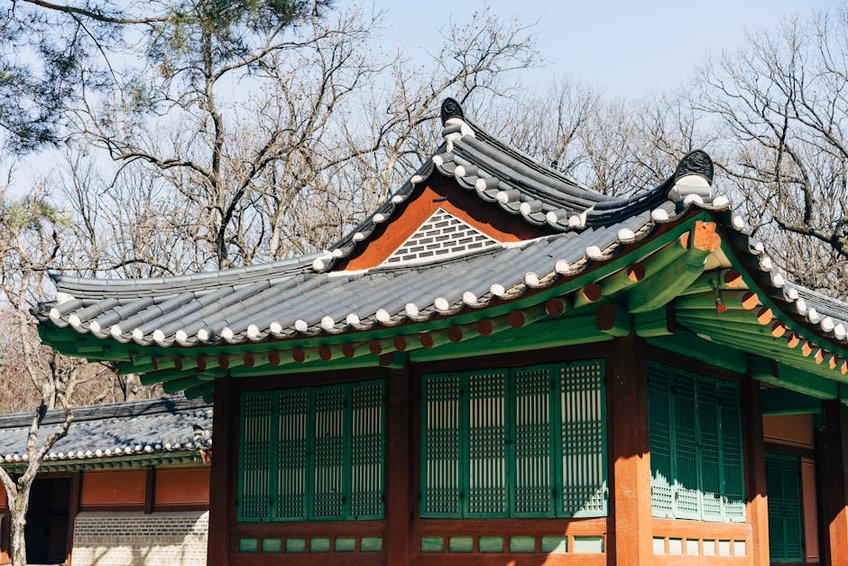
Palace Tour in South Korea
Exploring the grand Joseon Dynasty palaces is a cornerstone of any visit to Seoul, offering a profound journey through five centuries of Korean history, architecture, and royal culture. A well-planned palace tour in South Korea connects you with the heart of the nation’s heritage, from the iconic Gyeongbokgung to the secret gardens of Changdeokgung, each telling a unique story of kings, queens, and dynastic intrigue. This guide provides the essential details for navigating these UNESCO sites, securing the best tickets, understanding ceremonial schedules, and experiencing these historic complexes like a true insider.
Essential Korean Palace Information
The Five Grand Palaces of Seoul, primarily built during the Joseon Dynasty (1392–1910), served as the administrative and residential centers of kings. These complexes are not mere museums but vast, living monuments where traditional architecture harmonizes with natural landscapes. Each palace has a distinct character and history, shaped by periods of prosperity, invasion, and restoration.
Understanding their layout is key to appreciating your visit. Palaces follow a Confucian design principle, with official government buildings at the front, the king’s living quarters in the middle, and the gardens at the rear. Key structures you will repeatedly encounter include the throne hall, the king’s council hall, and the royal residence buildings, all set within walled compounds and majestic gates.
Palace Architecture – What You Need to Know
Korean palace architecture is a masterpiece of wooden construction and symbolic design.
- Dancheong: These are the intricate, colorful patterns adorning the wooden beams and eaves. Far from mere decoration, they served to protect the wood and denote the building’s status and purpose, with specific colors and patterns reserved for royal structures.
- Giwa Roof Tiles: The elegant, curved grey roof tiles are a signature element. The end tiles often feature intricate designs, including guardian figures meant to ward off evil spirits, and their arrangement follows strict hierarchical rules.
- Ondol Heating: This ingenious underfloor heating system, using flues from the kitchen, made the typically drafty wooden buildings livable during Korea’s harsh winters and is a testament to advanced pre-modern engineering.
- Budget-Conscious: ($20-30 USD) Rely on the Integrated Palace Ticket ($7.50), subway transport ($1-2 per ride), and bring your own water and snacks. Skip paid guided tours and use free audio guide apps or information plaques. Wear comfortable walking shoes to avoid transportation costs between nearby sites.
- Mid-Range Comfort: ($50-80 USD) Includes the Integrated Ticket, a dedicated 1-2 hour guided tour in English ($10-20), lunch at a nearby traditional restaurant like Tosokchon Samgyetang ($15-20), and a Hanbok rental for 4 hours ($15-25) to get free palace entry and enhance photos.
- Premium Experience: ($150+ USD) Book a private half-day tour with a historian guide ($100+), include a premium Hanbok rental from a top shop near Insadong, and finish with a refined Korean royal cuisine dinner at Jihwaja or Balwoo Gongyang ($50-70 per person) to complete the royal theme.
- Korea Tourism Organization
- Lonely Planet Seoul Guide
Key Details on Palace Access
All major palaces are centrally located in Seoul, making them incredibly accessible. They are well-served by the Seoul Metropolitan Subway system, with stations a short walk from their main gates. For instance, Gyeongbokgung Palace is directly accessible from Gyeongbokgung Station (Line 3) or Gwanghwamun Station (Line 5).
Operating hours vary by season, typically from 9:00 AM to 5:00 or 6:00 PM, with last admission one hour before closing. Most palaces are closed on Mondays, so plan your itinerary accordingly. It is crucial to check the official websites for any unexpected closures due to state events or maintenance.
The Royal Guard Changing Ceremony
A highlight of any palace visit is witnessing the Royal Guard Changing Ceremony. This meticulously researched reenactment occurs at Gyeongbokgung Palace’s main Gwanghwamun Gate several times a day. Guards in vibrant traditional costumes perform precise drills to the beat of drums and gongs.
The ceremony lasts about 20 minutes and is free to watch. The main show is at 10:00 AM and 2:00 PM, with shorter gate guard ceremonies on the hour. Arrive at least 15 minutes early to secure a good viewing spot, as it draws large crowds, especially on weekends.
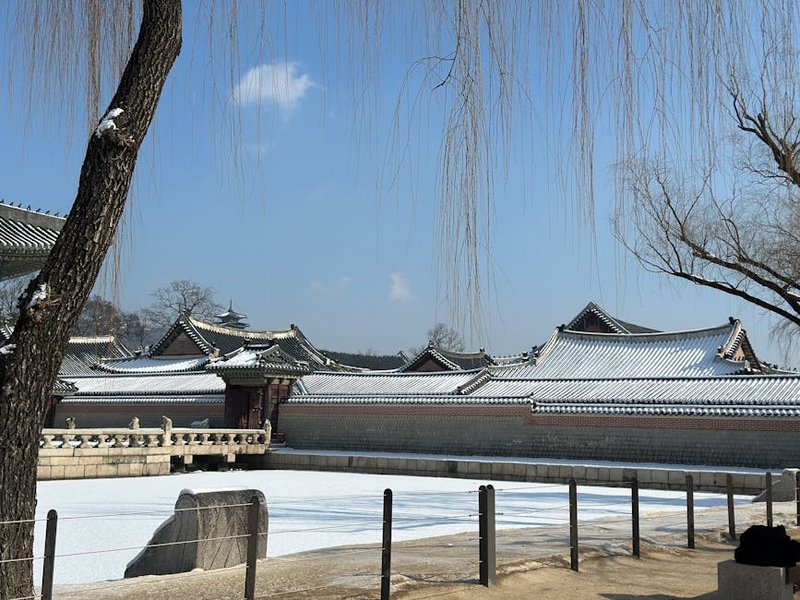
Alt: “gyeongbokgung-palace-main-throne-hall-dancheong-architecture”
Palace Tour in South Korea – Planning Your Trip
To maximize your experience, strategic planning for your Korean palace exploration is essential. A thoughtful approach saves time, money, and ensures you see the most important elements without feeling rushed. The complexity of the sites means you cannot see everything in one day without experiencing significant fatigue.
Focus on quality over quantity. Most travelers find that visiting two palaces thoroughly in one day is the ideal pace. This allows time to wander the grounds, sit in a pavilion, and absorb the atmosphere beyond just photographing the main buildings. Combining a larger palace with a smaller one or a secret garden tour creates a balanced day.
Your budget for palace entry is very manageable. Individual tickets are affordable, but the Integrated Ticket of Palaces offers outstanding value. This pass, valid for three months, grants single entry to four palaces (including the Secret Garden) and the Jongmyo Shrine for approximately 10,000 KRW (about $7.50 USD).
Best Time to Visit Korean Palaces
The optimal months for palace touring are April through early June and September through October. During these periods, daytime temperatures are a pleasant 60-75°F (15-24°C), and the natural scenery is spectacular—cherry blossoms in spring and vibrant foliage in autumn frame the historic buildings perfectly. Crowds are moderate on weekdays but swell on weekends.
Winter (December-February) offers a stark, serene beauty with possible snow cover, but temperatures can drop below 20°F (-6°C), making extended outdoor exploration challenging. Summer (July-August) is hot, humid, and coincides with the rainy monsoon season, though mornings can still be suitable for a visit before afternoon showers.
Budget Planning and Costs
Here is a typical cost breakdown for a comprehensive palace experience.
Essential Preparation Checklist
Physical preparation is key, as you will be walking and standing on stone and packed earth paths for several hours. Break in comfortable, supportive walking shoes—this is non-negotiable. Dress in layers appropriate for the season, and always carry a portable water bottle, as fountains may be limited within the compounds.
Ensure your phone is charged for photos and navigation, and consider downloading the official “Discover Seoul Pass” app or audio guide content in advance. International travelers should have their passport details handy if purchasing certain tickets online. While not mandatory, a basic understanding of Joseon history from a documentary or article will significantly enrich your visit.
Top Palaces and Cultural Sites
Seoul’s palaces offer distinct narratives and architectural styles. Gyeongbokgung, the largest and most formal, represents the dynasty’s power. Changdeokgung, a UNESCO World Heritage site, is celebrated for its harmonious integration with the natural topography. Deoksugung provides a unique contrast with early 20th-century Western-style buildings within its walls.
Beyond the main complexes, sites like the Jongmyo Shrine, where royal ancestral rites are still performed, and the Bukchon Hanok Village, a traditional neighborhood, complete the historical picture. Allowing time for these supplementary sites provides a more nuanced understanding of Joseon-era life beyond the royal court.
Must-See Palace Highlights
Gyeongbokgung’s Geunjeongjeon Hall is the supreme throne hall, where major state events were held. Its double-tiered stone platform and majestic interior are awe-inspiring. Time your visit to see the guard ceremony outside its gates. Changdeokgung’s Huwon (Secret Garden) requires a separate guided tour ticket but is essential. This 78-acre rear garden features ponds, pavilions, and ancient trees, designed as a place of contemplation for the royal family.
Changgyeonggung’s Grand Greenhouse is a fascinating juxtaposition—a Western-style glass greenhouse built during the Japanese colonial period, now sitting within the palace grounds. It symbolizes a complex layer of Korean history. Deoksugung’s Seokjojeon Hall is a neoclassical stone building from the early 1900s, housing an art museum, and showcases Korea’s rapid modernization at the end of the dynasty.
Hidden Gems and Local Favorites
For a quieter experience, head to Unhyeongung Palace. Smaller and less visited, it was the residence of a regent and offers intimate insights into royal domestic life, often with few tourists. The nearby Jongmyo Shrine, while not a palace, is a solemn and profoundly spiritual site where the spirit tablets of Joseon kings and queens are enshrined; its long, raised walkways and simple, dignified architecture are powerfully atmospheric.
Locals love walking the stone-wall path beside Deoksugung Palace, especially in autumn. This street is famously scenic and leads directly to the Seoul Museum of Art. For a unique vantage point, visit the Bugaksan Seoul Fortress trail, which offers stunning elevated views down onto the rooftops of Gyeongbokgung Palace and the Blue House.
Hanbok Rental Experience
Renting a Hanbok (traditional Korean attire) is immensely popular and highly recommended. Not only does it make for unforgettable photographs against the palace backdrops, but many palaces, including Gyeongbokgung and Changdeokgung, offer free admission to visitors wearing Hanbok. Rental shops are clustered around the palace gates, particularly near Gyeongbokgung.
A standard rental for 4 hours costs $15-25 USD. Staff will help you choose and put on the outfit. Opt for vibrant colors for photos, and consider adding small hair accessories. While comfortable, the skirts can be wide, so be mindful when navigating stairs and doorways. It’s a fun, immersive way to connect with the culture you’re exploring.
Practical Travel Information
Navigating Seoul to visit these historic sites is remarkably straightforward thanks to the city’s efficient and user-friendly public transportation system. The subway is your best friend, with signs and announcements in English. Taxis are also plentiful and affordable for shorter hops, especially if you’re in a group or tired from walking.
Accommodation choices are vast. For palace-focused visits, staying in areas like Jongno-gu or Insadong places you within walking distance or a short subway ride from all major sites. These neighborhoods are also rich with traditional tea houses, craft shops, and restaurants, keeping you immersed in the historic atmosphere.
| Accommodation Area | Best For & Features | Average Nightly Price (USD) |
|---|---|---|
| Jongno / Insadong | Walking to palaces, traditional atmosphere, central location for history. | $80 – $180 |
| Myeongdong | Shopping, food, vibrant nightlife, excellent subway connectivity. | $70 – $160 |
| Gangnam | Modern luxury, high-end dining, different vibe, requires subway rides to palaces. | $100 – $250+ |
| Hongdae | Youthful energy, indie culture, cafes, more budget-friendly options. | $60 – $130 |