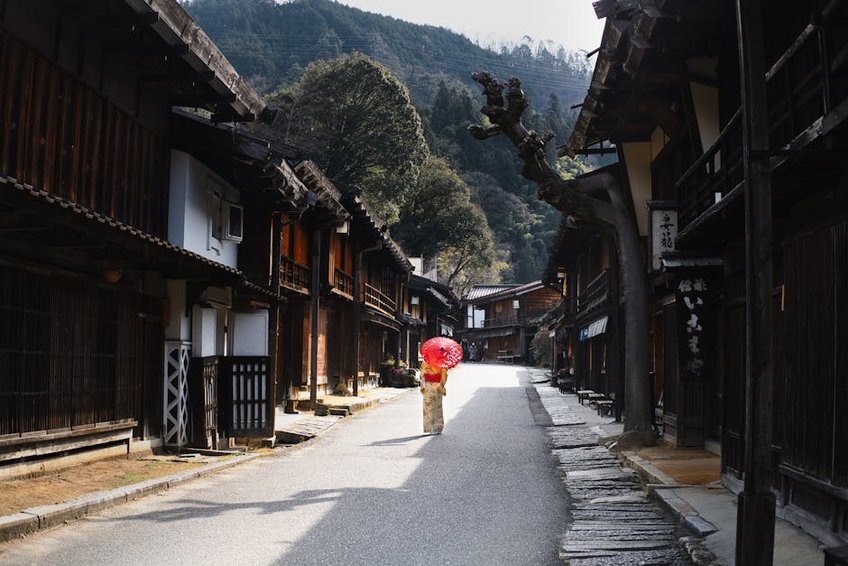
Traditional Villages in Japan: A Journey Through Preserved History
Exploring the Traditional Villages in Japan offers a profound connection to the country’s architectural heritage and rural soul. These preserved settlements, often nestled in mountainous valleys or along historic routes, showcase centuries-old craftsmanship and community life unchanged by modern development. This guide provides the essential details for planning an immersive visit, from navigating remote locations to understanding the cultural significance behind each unique hamlet.
Understanding Japan’s Preserved Villages
Japan’s historic hamlets are officially recognized and protected as Important Preservation Districts for Groups of Traditional Buildings. This designation, managed by the Agency for Cultural Affairs, helps maintain the original structures, layouts, and atmospheres of villages that exemplify specific regional architectural styles. Many sites date back to the Edo period (1603-1868), surviving due to geographic isolation or economic specialization.
The cultural value lies not just in the buildings but in the continued practice of traditional crafts, agriculture, and festivals. Visiting these locations supports ongoing preservation efforts and offers a tangible link to a pre-industrial way of life. Each area reflects its local environment, using materials like thatch, wood, and stone in distinct ways.
What Defines a Traditional Village
These settlements share several key characteristics that distinguish them from standard rural towns.
- Gassho-zukuri architecture features steep thatched roofs designed to shed heavy snow, found primarily in Shirakawa-go and Gokayama.
- Post town layouts include honjin (main inns) and hatago (secondary inns) lining historic highways like the Nakasendo trail, as seen in Tsumago and Magome.
- Fishing village structures, like those in Ainokura or Kitamaebune port towns, are built to withstand sea winds and utilize specific local materials.
- Budget travelers can manage on $100-$150 per day by staying in nearby towns, using local buses, and preparing some meals. This covers a hostel dorm ($30), bus transport ($20), village admission fees ($5-$10), and supermarket meals ($25).
- Mid-range visitors should budget $200-$300 daily for a minshuku stay within the village ($80-$120 including dinner/breakfast), regional train passes ($40), paid attractions ($15), and restaurant lunches ($25).
- Luxury experiences cost $400+ per day, featuring stays in high-end ryokans with private onsens ($250+), private taxi tours ($100), multi-course kaiseki meals ($80), and exclusive cultural workshops ($50).
- Japan National Tourism Organization – Shirakawa-go & Gokayama
- Kiso Valley Tourism Association
Key Cultural and Historical Context
The preservation of these historic Japanese hamlets began in earnest during the 1970s, as modernization threatened their existence. Villages like Shirakawa-go and Gokayama gained UNESCO World Heritage status in 1995, cementing their global importance. This recognition provided funding and framework for meticulous restoration projects that continue today.
Local residents often lead preservation associations, deciding on maintenance schedules and tourism guidelines. This community-based model ensures that tourism development respects the living culture rather than turning villages into mere museums. Seasonal festivals, such as winter light-ups or summer dances, remain active parts of the social calendar.
Regions and Architectural Styles
Central Japan’s Hida region is famous for its Gassho-zukuri farmhouses with iconic steep thatched roofs. The Kiso Valley hosts beautifully preserved post towns along the old Nakasendo road, featuring wooden inns and shops. In Noto Peninsula, villages showcase unique thatching techniques and layouts adapted to coastal life and salt production.
Each architectural style directly responds to climate, available resources, and historical industry. The thatch for roofs, often replaced every 30-40 years, requires community labor and specialized knowledge passed through generations. Understanding these regional variations deepens appreciation for the ingenuity behind each preserved settlement.
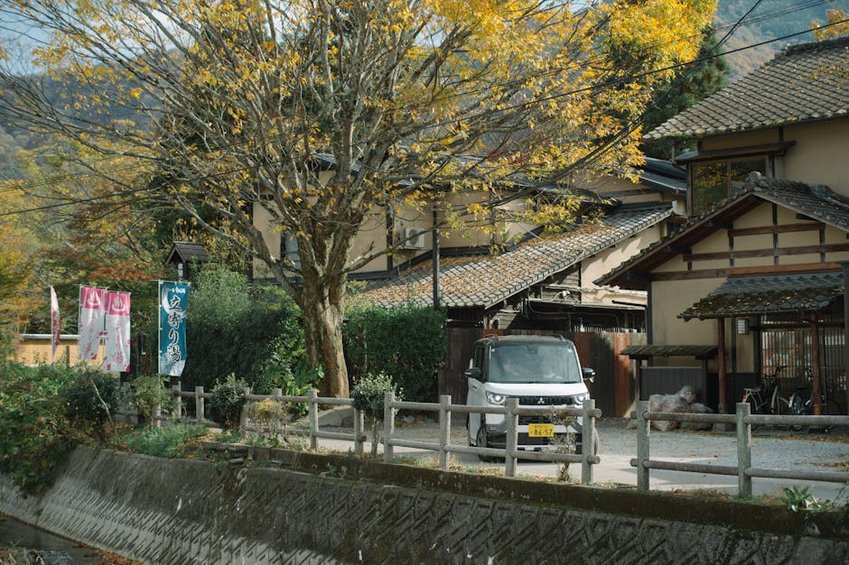
Alt: “gassho-zukuri-farmhouse-shirakawa-go-japan-snowy-winter”
Traditional Villages in Japan – Planning Your Trip
Visiting these historic settlements requires more planning than a typical city itinerary in Japan. Their remote locations demand careful consideration of transportation, seasonal accessibility, and accommodation availability. A successful trip balances advance bookings with flexibility for weather and local events.
You should allocate at least two full days for exploring a primary village and its surrounding area. Rushing through in a day trip from a major city is possible but misses the opportunity to experience the atmosphere after day-trippers depart. Overnight stays in a minshuku (family-run guesthouse) provide the most authentic insight.
Budget considerations include transportation costs, which can be significant for remote areas, and the premium for staying within preserved districts. Purchasing a regional rail pass, like the Takayama-Hokuriku Area Tourist Pass, can offer substantial savings for multi-destination itineraries focusing on these rural heritage sites.
Best Time to Visit Japan’s Historic Villages
The ideal season for visiting most preserved settlements is late spring (May to early June) or autumn (October to November). May offers comfortable temperatures between 60-75°F (15-24°C) with lush green landscapes and fewer crowds before the rainy season. October provides brilliant fall foliage, crisp air of 50-68°F (10-20°C), and vibrant seasonal festivals.
Winter (December to February) presents a magical, snowy scene, particularly in the Hida region, with temperatures dropping to 23-37°F (-5 to 3°C). However, some roads may close due to heavy snow, and public transport schedules are reduced. Summer (July to September) can be hot, humid, and crowded with domestic tourists, though it features lively local matsuri (festivals).
Budget Planning and Costs
Costs vary significantly based on travel style and village location. Here is a breakdown for a two-night visit.
Essential Preparation Checklist
Pack comfortable walking shoes with good grip for uneven stone paths and potential wet conditions. Bring layers, including a waterproof jacket, as mountain weather changes rapidly. A small daypack should carry water, snacks, cash (many small shops don’t accept cards), and a power bank for your phone.
Book accommodations three to six months in advance, especially for popular villages during autumn foliage or winter illumination events. Ensure you have valid travel insurance covering rural areas and possible transportation delays. Learn a few basic Japanese phrases; while tourist centers have English speakers, deeper interactions with locals require simple greetings and thank-yous.
Top Villages and Cultural Experiences
Japan’s preserved settlements offer diverse experiences, from mountain farmsteads to coastal communities. Each village tells a different story of adaptation and tradition. Prioritize villages that align with your interests, whether it’s architecture, hiking, crafts, or photography.
Accessibility varies; some villages have direct bus links from regional hubs, while others require rental cars or local taxis. Consider combining visits to geographically clustered sites, like those in the Kiso Valley or Noto Peninsula, to minimize travel time. Always check official tourism websites for current access information before finalizing your itinerary.
Must-See Historic Hamlets
Shirakawa-go in Gifu Prefecture is the most famous Gassho-zukuri village, with over 100 thatched-roof houses. Visit the Wada House, a designated Important Cultural Property, to see the interior structure. The Shiroyama Viewpoint offers the classic panoramic photo, especially stunning during sunset or winter illuminations.
Tsumago-juku in Nagano Prefecture is a beautifully restored post town on the Nakasendo trail where cars are banned from the main street. Stay at a historic inn like Fujioto to experience the atmosphere after day-trippers leave. Walk the preserved trail between Tsumago and Magome (about 2.5 hours) for a immersive historical experience.
Ouchijuku in Fukushima Prefecture features a street of thatched-roof houses that served travelers during the Edo period. Try the local specialty, negi soba, where you use a green onion as a utensil. The village is particularly photogenic in winter when snow blankets the roofs and stone pathways.
Hidden Gems and Lesser-Known Settlements
Miyama Kayabuki no Sato in Kyoto Prefecture is a thatched-roof village often called “Little Shirakawa-go” but sees far fewer visitors. The surrounding countryside offers excellent hiking and cycling routes. The local folklore museum provides context on the area’s history and preservation efforts.
Iwami Ginzan Silver Mine area in Shimane Prefecture is a UNESCO site featuring a mining village with samurai houses, shrines, and tunnels. The atmospheric Omori district maintains its Edo-period layout along a gentle stream. It’s significantly off the standard tourist trail, offering a quiet, contemplative visit.
Ainokura Village in Toyama Prefecture, part of the Gokayama region, is quieter than neighboring Suganuma. Its farmhouses are spread across terraced rice fields, creating a more dispersed, pastoral scene. You can participate in traditional washi paper-making or sake brewing workshops here with advance reservation.
Traditional Crafts and Hands-On Workshops
Many villages offer short workshops where visitors can learn local crafts from master artisans. In Wajima on the Noto Peninsula, you can try your hand at lacquerware decorating. Kiso Valley villages offer woodworking classes using local cypress. These experiences typically last 1-2 hours and cost $20-$50 per person.
Booking workshops in advance is crucial, especially during peak seasons or if translation is required. These activities not only provide a memorable souvenir but also contribute directly to sustaining the cultural knowledge that defines these communities. Check with local tourism associations or your accommodation for current availability and pricing.
Practical Travel Information and Logistics
Reaching these preserved settlements requires navigating Japan’s excellent but complex rural transport network. Major hubs like Takayama, Kanazawa, or Matsumoto serve as gateways to different village clusters. From these cities, local trains, buses, or rental cars provide the final connection.
Accommodation within the villages themselves is limited and books quickly. Alternatives include staying in nearby towns and visiting as a day trip, though this reduces the opportunity for evening and early morning exploration. A mix of one night inside a village and additional nights in a regional hub can optimize both experience and convenience.
| Accommodation Type | Features & Considerations | Price Range (USD/Night) |
|---|---|---|
| Minshuku (Family Guesthouse) | Includes home-cooked dinner & breakfast, shared bathroom, cultural immersion | $80 – $150 per person |
| Traditional Ryokan | Private onsen available, multi-course kaiseki dinner, tatami rooms | $200 – $400 per person |
| Nearby Town Hotel/Business Hotel | Western-style beds, private bathroom, convenient for transit | $60 – $120 per room |
| Vacation Rental (Whole House) | Full privacy, kitchen facilities, often in restored property | $150 – $300 per house |