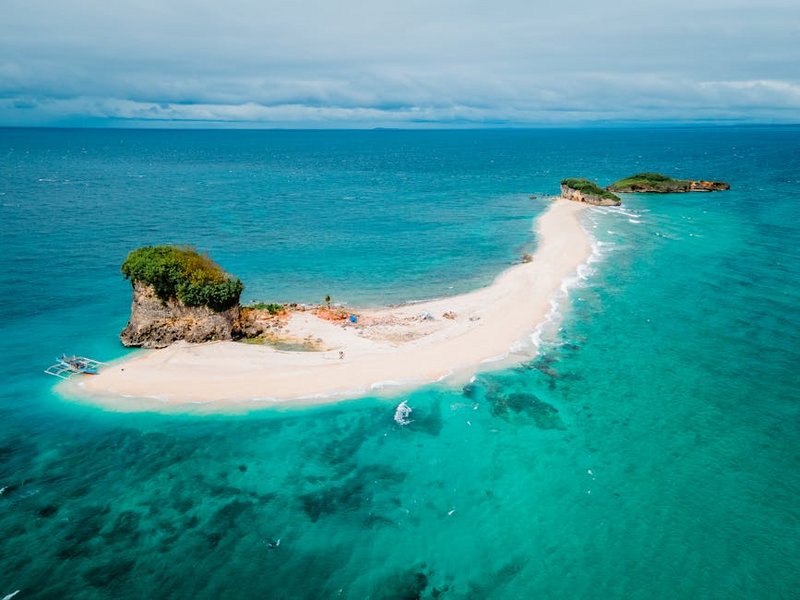
Tropical Island Holiday in the Philippines
Planning your next beach escape leads many travelers to consider a tropical island holiday in the Philippines. This Southeast Asian archipelago offers over 7,600 islands, each presenting unique combinations of powdery white sand, crystal-clear turquoise water, and vibrant marine ecosystems. Your vacation here can range from secluded luxury resorts to lively backpacker hubs, all surrounded by some of the planet’s most biodiverse coral reefs.
The Philippine Archipelago Essentials
The Philippines occupies a strategic position in Southeast Asia, bordered by the Philippine Sea and the South China Sea. Its history includes Spanish colonial rule for over 300 years, followed by American influence, creating a distinct cultural blend visible in its architecture, festivals, and cuisine. This complex past contributes to the country’s warm hospitality and widespread use of English, making navigation straightforward for international visitors.
Three main geographical areas divide the island groups: Luzon in the north, the Visayas in the center, and Mindanao in the south. Major international airports in Manila (MNL) and Cebu (CEB) serve as primary gateways. The tropical climate means consistently warm temperatures averaging 80°F to 90°F (27°C to 32°C) year-round, with distinct dry and rainy seasons affecting travel plans.
Understanding the Island Regions
Each region provides a different flavor for your beach vacation.
- Luzon: Home to the capital Manila and iconic spots like Palawan’s El Nido, offering dramatic limestone cliffs and hidden lagoons accessible via island-hopping tours.
- The Visayas: The central heart includes famous destinations like Boracay, Bohol with its Chocolate Hills, and Cebu, known for excellent diving and historical sites.
- Mindanao: Features more adventurous and less-crowded spots like Siargao, the surfing capital, and the pristine islands of the Zamboanga peninsula.
- Budget Traveler ($30-$50/day): Stays in hostels or basic fan rooms, eats at local carinderias (eateries), uses public ferries and jeepneys, and focuses on free activities like beach days. Island-hopping tours cost extra but are affordable when shared.
- Mid-Range Traveler ($80-$150/day): Enjoys air-conditioned hotel rooms or beachfront cottages, dines at nicer restaurants, takes occasional taxis or private transfers, and books guided tours. This budget allows for comfortable domestic flights between regions.
- Luxury Traveler ($250+/day): Reserves boutique resorts or 5-star properties, enjoys private boat charters, fine dining, and spa treatments. This tier includes seamless private transfers and bespoke multi-island itineraries with a guide.
- Tourism Promotions Board Philippines
- Lonely Planet Philippines Travel Guide
Climate and Seasonal Patterns
The country experiences two main seasons dictated by monsoon winds. The dry season, from November to April, brings sunny skies and lower humidity, making it peak tourist time. Amihan winds from the northeast create ideal beach conditions across the western islands like Palawan and Boracay during these months.
Meanwhile, the rainy or wet season runs from May to October, characterized by the southwest Habagat monsoon. This period brings heavier rainfall, particularly in the afternoons, and higher humidity. However, the eastern side of the country, including Siargao, often experiences better weather during these months, offering fantastic surfing conditions with smaller crowds.
Cultural Context and Local Life
Filipino culture centers on strong family ties and community, known locally as “bayanihan.” You will notice this in the genuine friendliness of the people and their readiness to help travelers. Major influences from Spanish, American, and indigenous traditions create a vibrant cultural tapestry.
This blend appears in grand Spanish-era churches, festive celebrations like Sinulog, and the universal love for karaoke. Respectful interaction involves a polite greeting, modest dress when visiting towns, and understanding the importance of “saving face” in social situations. Tipping is appreciated but not always mandatory, with 10% being generous for good service.
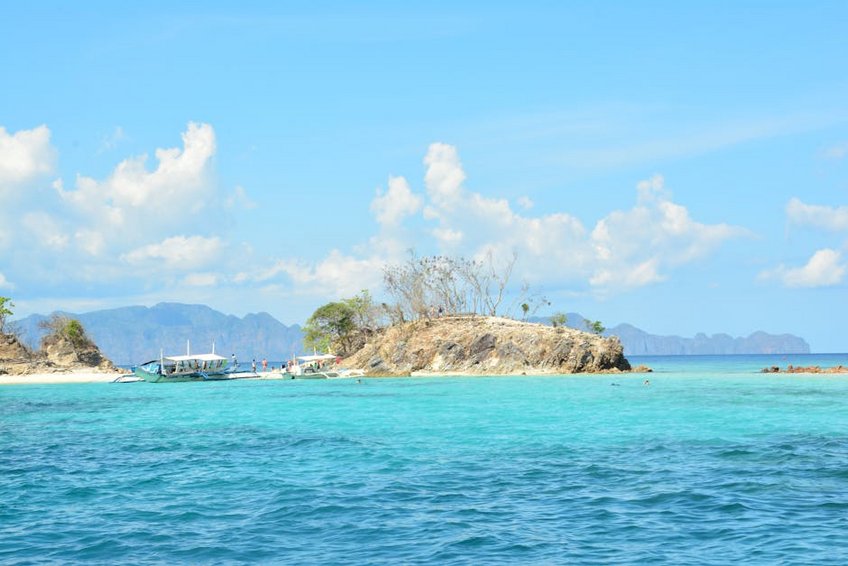
Alt: “philippines-palawan-lagoon-turquoise-water-limestone-cliffs”
Tropical Island Holiday in the Philippines – Planning Your Trip
Organizing your Philippine beach getaway requires matching your ideal experience with the right island and timing. For first-time visitors, combining popular spots like El Nido with a quieter destination such as Siquijor often works best. Your budget will stretch further during the shoulder seasons of late April-May or October-November when rates drop but weather remains favorable.
Consider travel time between islands, as domestic flights or ferry rides can consume half a day. Booking internal flights with carriers like Cebu Pacific or Philippine Airlines in advance secures better fares. For a smooth tropical island holiday in the Philippines, prioritize two or three bases rather than attempting to see too many locations in a short period.
Connectivity can vary; major resorts have WiFi, but signal in remote islands may be limited. Purchasing a local SIM card upon arrival from Globe or Smart Telecom provides affordable data for navigation and communication. Always carry some Philippine Pesos (PHP) in cash, as smaller islands and local eateries may not accept credit cards.
Best Time to Visit the Philippine Islands
The absolute best weather window for most islands falls between December and February. These months offer cool Amihan winds, minimal rainfall, and temperatures around 77°F to 88°F (25°C to 31°C). This is peak season, so expect higher prices and advance bookings are essential, especially for Christmas and New Year.
Shoulder seasons from March to May are hotter, with temperatures reaching 95°F (35°C), but seas remain calm perfect for diving. June to October is the low season with frequent rain, but this brings lush greenery, fewer tourists, and significant discounts. Surfers target Siargao from August to November for consistent cloud breaks.
Budget Planning and Costs
A daily budget can vary dramatically based on your travel style.
Essential Preparation Checklist
Pack light, breathable clothing, a high-SPF reef-safe sunscreen, a reusable water bottle, and a quality dry bag for boat trips. Essential gear includes waterproof phone cases, sturdy sandals, and a hat. Don’t forget a universal power adapter (Type A/B, 220V) and any required medications, as specific brands may not be available.
Required documentation includes a passport valid for six months beyond your stay. Many nationalities receive a 30-day visa-free entry, extendable at immigration offices. Purchase comprehensive travel insurance covering medical evacuation and adventure activities. Book major domestic flights and popular resort accommodations at least three months in advance for peak season travel.
Top Island Destinations and Activities
Choosing where to go depends on your preferred pace and interests. Palawan consistently ranks top for its otherworldly landscapes, featuring jagged karst cliffs rising from azure seas. Boracay, after a major rehabilitation, offers a perfect blend of powdery White Beach, vibrant nightlife, and every water sport imaginable in a compact area.
For divers, the Visayas provide unparalleled access to world-class sites. You can explore sardine runs in Moalboal, thresher sharks in Malapascua, and pristine coral walls in Apo Island. Adventure seekers head to Siargao for surfing, island-hopping through mangrove forests, and relaxing in laid-back beach communities.
Must-See Highlights
El Nido and Coron in Palawan are non-negotiable for first-timers. El Nido’s Tour A takes you through the Big and Small Lagoons, with snorkeling stops at Shimizu Island. In Coron, don’t miss the iconic Kayangan Lake, a crystal-clear brackish lake, and the sunken Japanese warship wrecks, perfect for snorkeling and diving.
In Bohol, combine a visit to the unique Chocolate Hills geological formation with a cruise along the Loboc River. The nearby Philippine Tarsier Sanctuary allows you to see the world’s smallest primate. Cebu offers historical depth at Magellan’s Cross and the Basilica del Santo Niño, alongside natural wonders like Kawasan Falls for canyoneering.
Hidden Gems and Local Favorites
Venture beyond the big names to discover equally stunning, less crowded islands. Siquijor, once known for folklore healers, now attracts travelers with its pristine beaches, natural springs, and affordable cliff-side diving. The slow pace and friendly locals make it ideal for a digital detox.
Another secret is the Caramoan Peninsula in Camarines Sur, Luzon. Its dramatic coastlines and secluded beaches served as the filming location for the *Survivor* TV series. Access requires a road trip and boat ride, filtering out mass tourism. For a unique cultural immersion, visit the Banaue Rice Terraces in Luzon, a 2,000-year-old UNESCO landscape.
Water Sports and Marine Adventures
The Philippines is a global hub for scuba diving, with PADI certification courses often cheaper than elsewhere. Top sites include Tubbataha Reefs Natural Park, a UNESCO site accessible only via liveaboard during a short season. For snorkelers, Apo Reef and Honda Bay offer vibrant coral gardens teeming with life.
Surfing conditions vary by season and coast. La Union in Luzon is popular for beginners, while the legendary Cloud 9 in Siargao challenges experienced surfers. Other activities include paddleboarding through mangroves, kayaking in hidden lagoons, and parasailing above the brilliant coastline.
Practical Travel and Logistics
Moving between islands uses a mix of air, sea, and land transport. Domestic aviation is well-developed, with frequent flights connecting Manila and Cebu to major tourist gateways like Puerto Princesa, Kalibo (for Boracay), and Siargao. Always account for potential delays, especially during the rainy season.
Ferries are the backbone of inter-island travel, with companies like 2GO Travel, Oceanjet, and SuperCat offering regular schedules. For shorter hops, local bangka (outrigger boats) are available. On land, use ride-hailing apps like Grab in major cities, while tricycles and jeepneys provide cheap local transport in towns.
| Accommodation Type | Features & Best For | Price Range/Night (USD) |
|---|---|---|
| Hostel / Budget Guesthouse | Dorm beds or basic private rooms, shared bathroom, social atmosphere, often includes breakfast. Best for solo travelers and backpackers. | $10 – $25 |
| Mid-Range Resort / Hotel | Private air-conditioned room, ensuite bathroom, pool, on-site restaurant, beachfront or central location. Best for couples and families. | $50 – $120 |
| Boutique / Luxury Resort | Villas with private plunge pools, premium amenities, spa, fine dining, private beach access, and personalized service. Best for honeymoons and splurges. | $150 – $400+ |
| Island Hopping Tour | Full-day private or group tour including lunch, snorkel gear, and visits to 4-5 islands/lagoons. Price is per person for a group tour. | $20 – $40 |