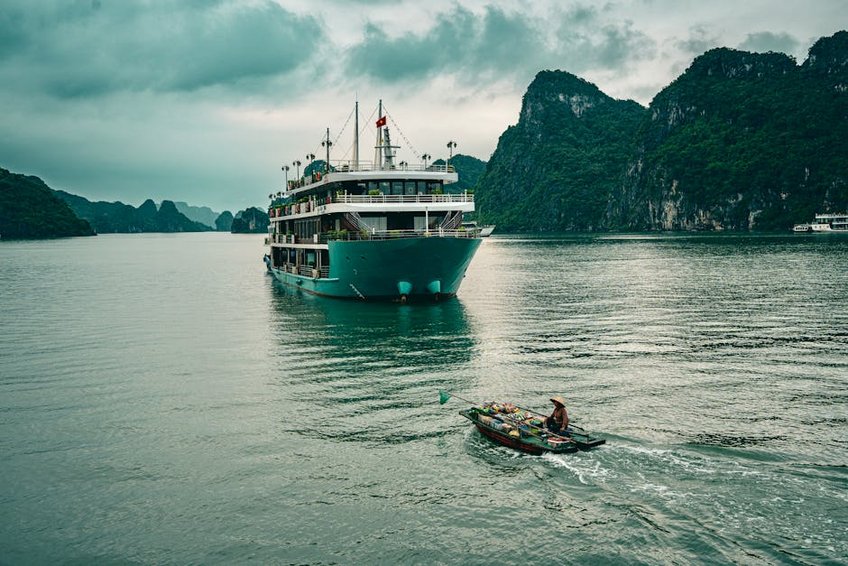
Halong Bay Travel Guide in Vietnam: Cruise Planning & Scenic Secrets
Exploring Halong Bay offers a journey through one of Earth’s most stunning seascapes, a UNESCO World Heritage site defined by thousands of limestone karsts rising from emerald waters. This Halong Bay travel guide in Vietnam provides essential tips for navigating cruise options, discovering hidden lagoons, and experiencing authentic local culture beyond the tourist decks. You’ll learn the best seasons to visit, how to choose your ideal boat, and practical advice for making the most of your adventure in Vietnam’s iconic bay.
Essential Halong Bay Information
Located in Northeast Vietnam within Quang Ninh Province, Halong Bay covers approximately 1,553 square kilometers. The name “Ha Long” translates to “Descending Dragon,” stemming from a local legend about dragons sent to protect the land. UNESCO designated the area a World Heritage Site in 1994, recognizing its outstanding geological and aesthetic value.
The bay’s unique landscape consists of nearly 2,000 limestone islands and islets, many untouched by human activity. These formations took shape over 500 million years through various geological processes and tropical weathering. Today, they create a breathtaking maze of pillars, arches, and caves.
Tourism infrastructure is well-developed, centered around the gateway city of Ha Long. Visitors typically access the bay via Tuan Chau International Marina. Management focuses on balancing conservation with sustainable tourism, regulating cruise operations to protect the fragile ecosystem.
Understanding the Bay’s Geography
The bay divides into three primary zones for travelers: the core UNESCO area, Lan Ha Bay to the south, and Bai Tu Long Bay to the northeast. Each offers distinct experiences.
- The core Halong Bay zone features the most famous sights like Sung Sot Cave and Titop Island, with higher boat traffic.
- Lan Ha Bay, adjacent to Cat Ba Island, presents calmer waters, excellent kayaking routes through lagoons, and luxury cruise options.
- Bai Tu Long Bay offers a more remote and less crowded alternative with similar dramatic scenery, ideal for escaping busy routes.
- Budget tours (1-day, $70-100 USD) offer a basic introduction with lunch, cave visits, and kayaking, but involve long bus rides and crowded itineraries with limited comfort.
- Mid-range cruises (2-day/1-night, $180-300 USD per person) provide significantly better value with private cabins, full-board meals, multiple activities, and a more relaxed pace on higher-quality boats.
- Luxury experiences (3-day/2-night, $450-800+ USD) feature spacious suites with balconies, gourmet dining, premium beverages, exclusive activities like private beach visits, and impeccable service on boutique vessels.
- Vietnam National Administration of Tourism – Halong Bay
- UNESCO World Heritage Centre – Ha Long Bay Description
Historical and Cultural Significance
Beyond its natural beauty, the bay holds deep historical importance. Archaeological evidence shows human presence dating back tens of thousands of years. The area was also the site of significant naval battles throughout Vietnamese history.
Floating fishing villages, like Vung Vieng and Cua Van, represent a unique cultural heritage. Families have lived on the water for generations, sustaining themselves through fishing and aquaculture. Some villages now welcome respectful visitors for cultural exchanges.
Key Environmental Considerations
Preserving Halong Bay’s environment remains a critical challenge. Cruise operators follow stricter waste management protocols today. Travelers should choose companies with recognized eco-certifications.
Responsible tourism practices include refusing single-use plastics, not feeding wildlife, and staying on designated paths in caves. Your choices directly support conservation efforts for this irreplaceable landscape.
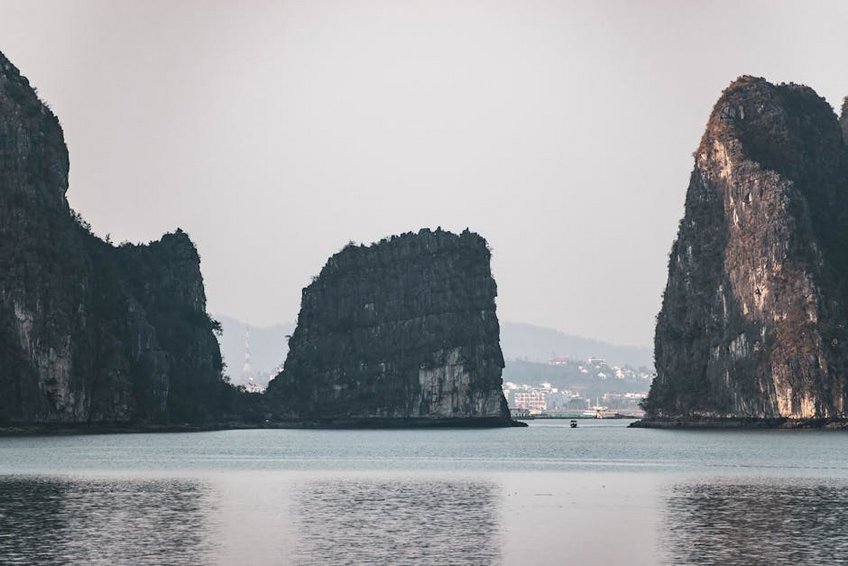
Alt: “halong-bay-limestone-karsts-emerald-waters-vietnam-coastline”
Halong Bay Travel Guide in Vietnam – Planning Your Trip
Effective planning transforms a standard cruise into an exceptional experience. Your itinerary should balance iconic sights with serene exploration. Consider your priorities: Are you seeking photography, relaxation, adventure, or cultural immersion?
Booking directly through a cruise operator’s official website often provides the most accurate information and best rates. Always confirm what’s included: meals, kayaking, cave entry fees, and transportation from Hanoi. Read recent traveler reviews focusing on service, food quality, and boat maintenance.
Budget extra for incidental costs like drinks on board, spa services, or gratuities. Also, allocate a buffer day in your Vietnam schedule for potential weather delays, especially during the transitional seasons. This foresight prevents stress and itinerary conflicts.
Best Time to Visit Halong Bay
The ideal visiting period falls between October and April, characterized by dry, sunny days and cooler temperatures. Peak season runs from December to February, with daytime averages of 68-72°F (20-22°C) and minimal rainfall. This period offers clear skies but also brings more tourists and higher prices.
Shoulder months like October, November, and March present a strong compromise. You’ll encounter pleasant weather, fewer crowds, and more competitive cruise rates. The summer months from May to September bring heat, high humidity, and the risk of tropical storms, which can disrupt schedules.
Budget Planning and Costs
Your total cost depends heavily on cruise duration, cabin category, and booking time.
Essential Preparation Checklist
Pack light, soft-sided luggage as cabin storage is limited. Essentials include a swimsuit, quick-dry towel, sunscreen, insect repellent, and a light jacket for breezy evenings. Bring motion sickness medication if you’re prone, as the bay can be calm or choppy.
Ensure your passport is valid for at least six months beyond your entry date. Most nationalities require a pre-arranged visa for Vietnam. Purchase comprehensive travel insurance that covers cruise activities and potential trip interruption due to weather.
Top Attractions and Bay Activities
A myriad of experiences awaits beyond your cruise ship’s deck. The iconic scenery serves as a backdrop for both adventurous and tranquil pursuits. Diversify your schedule to include geological wonders, water-based fun, and cultural touchpoints.
Guided excursions are typically included in cruise packages, but you often have choices. Prioritize early morning activities to avoid the peak heat and largest tour groups. Always carry water, your camera, and secure footwear for island explorations.
Must-See Highlights and Caves
Sung Sot Cave (Surprise Cave) is the bay’s largest and most famous grotto, featuring colossal chambers with impressive stalactite formations. Visits involve climbing about 100 steps, rewarded with spectacular interior views. Arrive early to appreciate its scale before crowds fill the space.
Ti Top Island provides a panoramic viewpoint accessible via a 400-step staircase. The climb is strenuous but offers the quintessential photo opportunity of the bay’s karst landscape. A small sandy beach at the base is perfect for a quick, refreshing swim.
Floating villages like Vung Vieng offer a glimpse into traditional aquatic life. Many residents now welcome visitors for short rowboat tours, providing insight into their sustainable fishing practices. It’s a meaningful cultural interlude.
Hidden Gems and Local Favorites
For a quieter alternative, seek out Luon Cave, a serene tidal lagoon accessible only by kayak or small bamboo boat. Its enclosed, calm waters are home to monkeys and diverse birdlife, creating a peaceful escape from engine noise.
Cat Ba Island, the largest in the archipelago, offers land-based adventures. You can explore Cat Ba National Park’s hiking trails, visit Cannon Fort for historical views, or stay overnight in the island’s main town for a different perspective on the region.
Local fishermen often know secret spots. Some cruises offer early-morning squid fishing or visits to less-commonly-traveled karst formations. Inquire with your cruise director about unique, off-itinerary opportunities.
Kayaking and Swimming Spots
Self-paddled kayaking is the best way to access hidden lagoons and tunnel caves. Most 2-3 day cruises include this activity. Paddle slowly to appreciate the silence and scale of the limestone walls rising directly from the water.
Designated swimming areas are usually in sheltered bays with calm conditions. Water clarity varies by season, but the experience is refreshing. Always follow your guide’s safety instructions regarding currents and boat traffic in the area.
Practical Travel and Logistics Information
Navigating the logistics of your trip ensures a smooth experience from start to finish. The journey involves multiple steps: getting to Vietnam, transferring to the coast, and boarding your vessel. Advance planning eliminates uncertainty.
Accommodation ranges from standard hotels in Ha Long city to luxurious cabins on the water. Your choice depends on budget, desired comfort, and how much time you wish to spend on land versus cruising among the karsts.
| Accommodation Type | Best For / Features | Price Range Per Night (USD) |
|---|---|---|
| Hostel/Guesthouse (Ha Long City) | Budget travelers, solo backpackers, basic private rooms, social atmosphere | $15 – $35 |
| Mid-Range Hotel (Ha Long City) | Families, pre/post-cruise stays, swimming pools, bay views, breakfast included | $50 – $120 |
| Standard Cruise Cabin | The classic experience, all-inclusive meals & activities, en-suite bathroom | $180 – $300 (for 2D/1N package) |
| Luxury Cruise Suite | Special occasions, private balconies, butler service, premium dining & wines | $450+ (for 2D/1N package) |