Modern Architecture Tour in Qatar
Exploring Qatar through its architecture reveals a nation crafting its future with steel and glass while honoring its sandy past. This modern architecture tour showcases Doha’s explosive growth, from the iconic skyline of West Bay to culturally profound museums and sustainable urban districts. The following guide covers essential landmarks, practical planning advice, cultural context, and logistical tips for experiencing this dynamic design landscape firsthand.
Essential Information on Qatar’s Design Scene
Qatar’s architectural transformation accelerated dramatically after it won the bid to host the 2022 FIFA World Cup. This catalyzed a wave of construction, bringing world-renowned architects like I.M. Pei, Jean Nouvel, and Rem Koolhaas to the peninsula. The result is a concentrated gallery of 21st-century design rising from the Arabian desert.
The architectural narrative here is twofold: celebrating global modernity and expressing Qatari identity. New structures often incorporate geometric patterns from Islamic art or symbolic references to the region’s maritime and desert history. This duality creates a visually striking urban environment that tells a story of ambition and heritage.
Architectural Philosophy and Influences
Understanding the design principles deepens your appreciation for the structures you will see. The philosophy blends international starchitecture with localized cultural motifs and a forward-looking vision of sustainability.
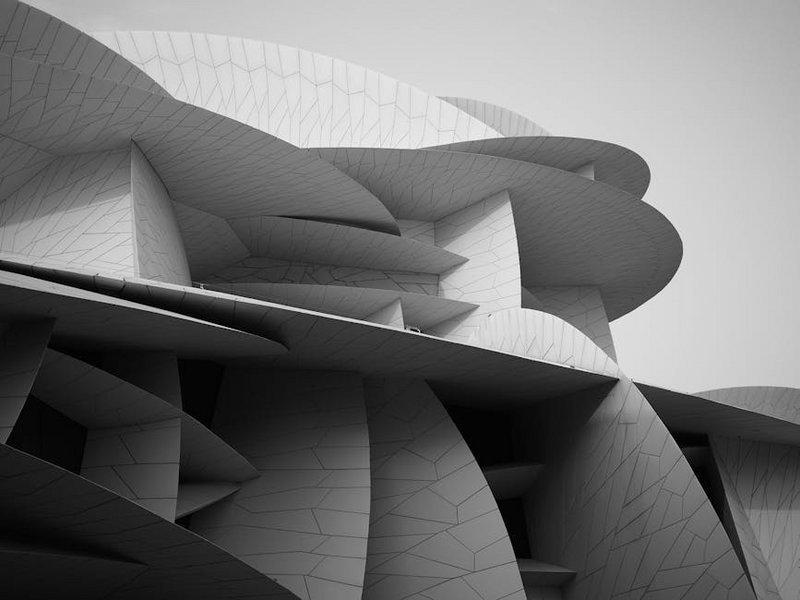
- Cultural Resonance: Many buildings abstract traditional elements. The Museum of Islamic Art’s design was inspired by the Ibn Tulun Mosque in Cairo, while the National Museum’s interlocking disc forms evoke the desert rose crystal.
- Sustainable Innovation: Amidst the opulence, significant investment goes into sustainable tech. Msheireb Downtown Doha is a flagship regeneration project aiming to be the world’s first sustainable downtown regeneration project, using traditional cooling techniques with modern engineering.
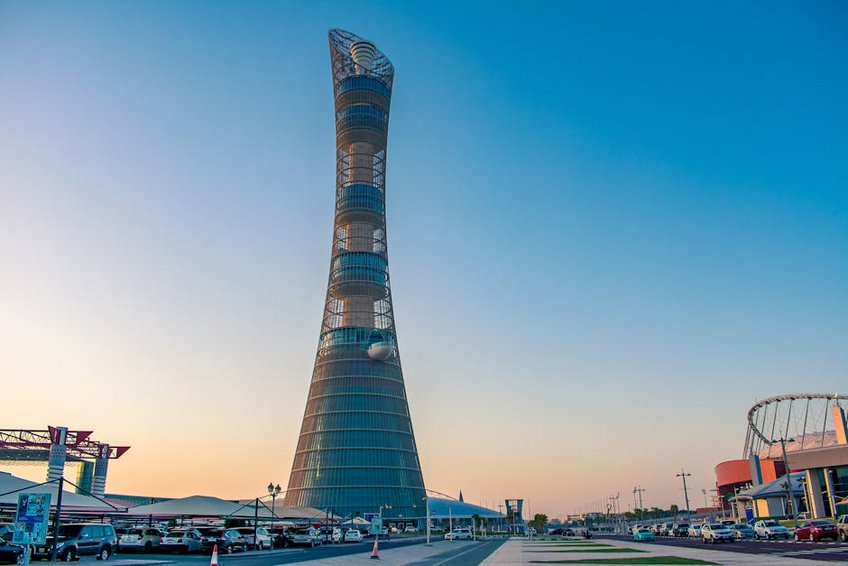
- Statement Engineering Pushing material and form to their limits is common. The Tornado Tower’s diagrid façade and the Aspire Tower’s iconic torch shape demonstrate a willingness to pursue complex, landmark engineering feats.
- Budget-Conscious Traveler ($100-$150/day): Stay in affordable areas like Al Sadd, using the Doha Metro to reach sites. Focus on free exterior viewing and visit a few select paid museums. Meals come from local cafes and food courts. Use ride-hailing apps sparingly, prioritizing the excellent metro system.
- Mid-Range Explorer ($200-$350/day): Book a hotel in West Bay or near the Corniche for walkable access. Purchase entry to 2-3 major museums. Enjoy mixed dining at mid-range restaurants and use a combination of metro and taxis for flexible transit. Consider a guided architectural walking tour for deeper insight.
- Premium Experience ($500+/day): Choose a luxury design hotel like the Mondrian or the National Museum’s hotel. Arrange private, expert-led architectural tours with transportation. Dine at award-winning restaurants within iconic buildings. Enjoy seamless comfort with private drivers and priority access.
- Visit Qatar Official Tourism Website
- ArchitectureAU – International Design Publication
Key Architectural Styles in Doha
Doha’s skyline is not monolithic; it represents a fascinating dialogue between distinct stylistic approaches. You will see sleek, minimalist towers standing beside more sculptural, culturally-inflected forms. This variety makes a self-guided exploration particularly rewarding.
Neo-futurism dominates West Bay, with its cluster of gleaming skyscrapers featuring sleek curves and intricate facades. Meanwhile, the cultural zone around the Corniche showcases more expressive, monumental architecture. Meanwhile, the Katara Cultural Village offers a contemporary reinterpretation of traditional Qatari and Middle Eastern village architecture.
Understanding the Urban Landscape
The city’s layout itself is part of the architectural story. Doha expanded rapidly around a central Corniche, creating distinct districts, each with its own character and architectural language. Navigating between them reveals the country’s planning priorities.
West Bay is the central business district, a dense forest of high-rises best viewed from the water. Msheireb, located just south of the Corniche, represents a human-scale, walkable alternative focused on heritage and sustainability. Lusail, a newly developed city to the north, presents the most futuristic vision, home to stadiums and avant-garde structures.
Alt: “doha-west-bay-skyline-modern-skyscrapers-corniche-view”
Modern Architecture Tour in Qatar – Planning Your Trip
Executing a successful architectural tour requires balancing iconic sightseeing with an understanding of local logistics. Your modern architecture tour in Qatar will be most rewarding with careful timing and a structured itinerary that accounts for climate and distances between districts. Doha is a spread-out city, and efficient planning maximizes your time spent appreciating design rather than sitting in traffic.
Focus your core sightseeing in the cooler months, from November through early April. During this period, daytime temperatures range from 70°F to 85°F (21°C to 29°C), making extended walks between buildings in areas like Msheireb or the Education City bearable. Summer months (May to October) see extreme heat exceeding 104°F (40°C), confining you largely to taxis between air-conditioned lobbies.
A practical itinerary spans three to four full days. This allows for thorough exploration of major districts without feeling rushed. Remember that many cultural sites close on specific days, often Sundays or Mondays, so check opening hours meticulously in advance.
Best Time to Visit for Architecture Enthusiasts
The optimal window for an architectural tour falls between November and March. During these months, comfortable weather allows for pleasant outdoor exploration and photography in golden hour light. You can comfortably walk the Corniche to view the skyline or explore the open spaces of the Education City campus.
Shoulder seasons in April and late October are acceptable, though prepare for warmer afternoons. The summer season, while offering lower hotel rates, severely limits the experience due to the prohibitive heat. Many outdoor areas are simply not accessible for long, and the intense haze can obscure the crisp architectural lines you came to see.
Budget Planning and Costs
Accommodation will be your largest variable cost, but many architectural wonders are free to view from the outside. A structured budget helps manage expenses in this high-end destination.
Essential Preparation Checklist
Pack lightweight, breathable clothing that also respects local customs—cover shoulders and knees when visiting museums or cultural sites. Sturdy walking shoes are non-negotiable for exploring different districts. Essential gear includes high-quality sunglasses, a wide-brimmed hat, and a powerful sunscreen due to the relentless sun and reflective glass facades.
Ensure your travel documents are in order. Many nationalities receive a visa-on-arrival, but always verify current requirements. Book museum tickets online in advance, especially for popular venues like the National Museum of Qatar. Finally, download the Doha Metro app and a reliable ride-hailing app like Uber or Karwa for seamless navigation.
Top Architectural Attractions and Landmarks
Doha’s architectural wonders are concentrated in several key districts, each offering a different perspective on the country’s design ambitions. From monumental cultural institutions to futuristic towers, the city provides a dense portfolio of contemporary works. Start your exploration with the iconic structures that define the skyline and cultural narrative.
The Corniche provides the classic panoramic view of West Bay’s cluster of skyscrapers, best appreciated at dusk when buildings begin to light up. Venturing inward, you will discover buildings that are as much about public space and experience as they are about form. This journey reveals how Qatar uses architecture to build its global brand and national identity.
Must-See Iconic Structures
The Museum of Islamic Art (MIA), designed by I.M. Pei, stands on its own man-made island. Its minimalist geometric form, inspired by ancient Islamic architecture, is a masterpiece of light and shadow. Visit in the late afternoon for perfect photo opportunities against the water and West Bay backdrop.
The National Museum of Qatar, by Jean Nouvel, resembles a desert rose crystal with its immense interlocking discs. The interior is equally stunning, with immersive galleries telling the nation’s story. Plan for at least two hours to appreciate both the architecture and the exhibits. Meanwhile, the Katara Cultural Village offers a different vibe, with its contemporary take on traditional alleyways, an amphitheater, and ornate details.
Hidden Gems and Innovative Districts
Beyond the headline museums, seek out innovative projects. Msheireb Downtown Doha is a must-visit for sustainable urban design. This regenerated city center uses shaded streets, traditional wind towers called “Barajeel,” and regional materials to create a pedestrian-friendly environment distinct from the car-centric norm.
The Education City, home to satellite campuses of elite international universities, is an architectural park in itself. Highlights include the Qatar National Library by Rem Koolhaas (OMA), with its stunning, book-filled interior plaza, and the Faculty of Islamic Studies building with its striking modern interpretation of classic Islamic design elements. These sites are quieter and offer a more academic design perspective.
Stadium Architecture from the 2022 World Cup
The FIFA World Cup left a legacy of spectacular stadiums, each with a unique narrative. While access varies, their exteriors are worth visiting. Al Thumama Stadium’s design is inspired by the “gahfiya” traditional headcap, and its circular form is particularly elegant. The nearby Ahmad Bin Ali Stadium features a dazzling facade of light patterns representing Qatari culture.
Stadium 974, made entirely from shipping containers, was a statement on sustainability and temporary design. It has been partially dismantled post-tournament, but its site remains a point of interest. Check official websites or tour operators for public access hours or tour availability, as these can change.
Practical Travel and Logistics
Getting around Doha efficiently is key to covering its dispersed architectural sites. The city boasts Hamad International Airport (DOH), a major global hub and an architectural attraction itself, featuring the iconic “Lamp Bear” sculpture. The excellent Doha Metro system connects the airport to key districts like West Bay, Msheireb, and the Education City via clean, driverless trains.
For areas not served by the metro, ride-hailing apps like Uber and the local Karwa service are reliable and affordable for short trips. Renting a car is an option, but navigating busy traffic and parking can be challenging for visitors. Your accommodation choice significantly impacts your daily transit time, so select a location central to your primary interests.
| Accommodation Area | Architectural Proximity & Vibe | Average Nightly Rate (USD) |
|---|---|---|
| West Bay | Heart of the skyscraper district; walkable to many towers and the Corniche. Modern, business-oriented atmosphere. | $180 – $400+ |
| Souq Waqif / Msheireb | Adjacent to the traditional market and the sustainable Msheireb district. Offers a blend of heritage and modern design. | $150 – $350 |
| The Pearl-Qatar | An artificial island with Mediterranean-inspired architecture, marinas, and upscale dining. More resort-like feel. | $200 – $500+ |
| Al Sadd / Bin Mahmoud | More residential and commercial areas with good metro access. Offers more budget-friendly hotel options. | $80 – $200 |