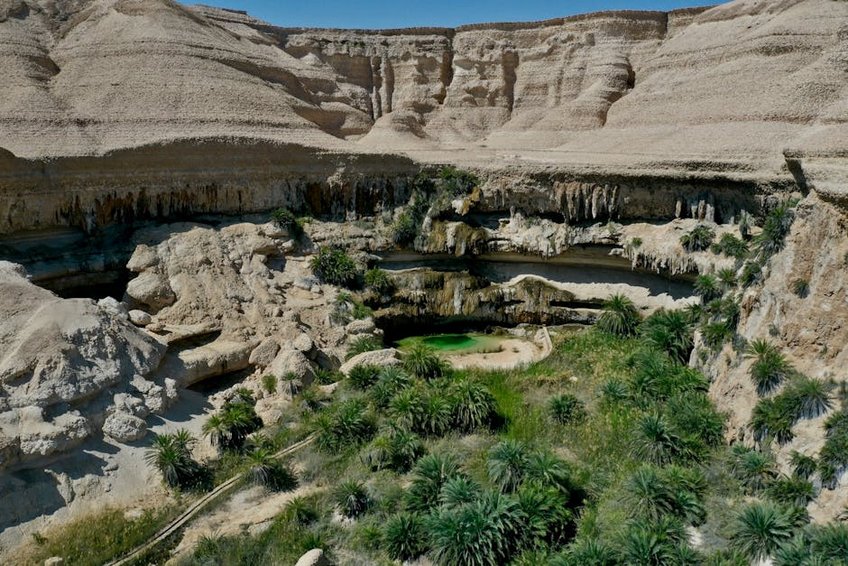
Canyon Exploration in Oman: Your Guide to Desert Wadi Adventures
Oman’s dramatic landscape is defined by its network of deep canyons, known locally as wadis, which cut through stark mountains and desert plains. Canyon exploration in Oman offers a unique adventure, combining challenging hikes, refreshing swims in turquoise pools, and breathtaking views of ancient geology. This guide provides the essential planning tips, route recommendations, and cultural insights you need to safely experience these remarkable natural wonders.
Understanding Oman’s Canyon Geography
The Sultanate of Oman features a diverse terrain where the Al Hajar Mountains dominate the north. These ranges are carved by seasonal waterways, creating the spectacular wadis that attract explorers. The rock formations, primarily limestone and serpentinite, tell a story of tectonic shifts over millions of years.
Wadis are typically dry riverbeds that can flash flood during rare rains. This hydrological cycle is responsible for sculpting the sheer cliffs and deep channels. Understanding this geology is key to appreciating the landscape and recognizing potential hazards during your visit.
What Defines an Omani Wadi
Not every valley qualifies as a premier exploration site. Key characteristics set the best apart.
- A reliable source of water, often from underground springs, creating year-round pools ideal for swimming after a hot hike.
- Navigable routes that involve a mix of hiking, scrambling over boulders, and sometimes short swims through narrow sections known as slot canyons.
- Significant vertical relief with towering cliff walls that provide shade and a sense of monumental scale, enhancing the adventure experience.
- Budget Explorer ($800-$1200): Covers rental of a basic 4×4, guesthouse stays, self-catered meals, and free wadi hikes. Costs are kept low by camping (where permitted) and focusing on easily accessible sites like Wadi Shab, avoiding guided tours.
- Comfort Adventurer ($1800-$2800): Includes a premium SUV rental, mid-range hotels or desert camps, meals at local restaurants, and a few guided hikes for more technical canyons like Wadi Tiwi. This offers the best balance of autonomy and local expertise.
- Luxury Expedition ($4000+): Features a private guide and driver, stays at luxury eco-lodges like those in Jebel Akhdar, all meals, and exclusive access to remote canyons. This tier includes high-end gear provision and focuses on photography and deep cultural immersion.
- Oman Ministry of Heritage and Tourism
- Lonely Planet Oman Travel Guide
Primary Canyon Regions
The most famous wadis are concentrated in the northern governorates. Wadi Shab and Wadi Bani Khalid are easily accessible from Muscat and offer stunning pools. For a more remote experience, the Western Hajar region around Jebel Akhdar hosts deep, dramatic canyons like Wadi Ghul, near Oman’s own “Grand Canyon.”
Meanwhile, the southern Dhofar region has a different character, with canyons influenced by the Khareef (monsoon) season. Exploration here is seasonal and offers lush, green vistas compared to the arid north. Each area requires different preparation and timing for your trip.
Historical and Cultural Context
These natural corridors have been vital for centuries, serving as routes for trade and communication between mountain villages. You’ll often find remnants of old falaj (irrigation) systems and abandoned stone dwellings nestled in the cliffs. Modern Omani families still frequent popular wadis for weekend picnics, blending recreation with tradition.
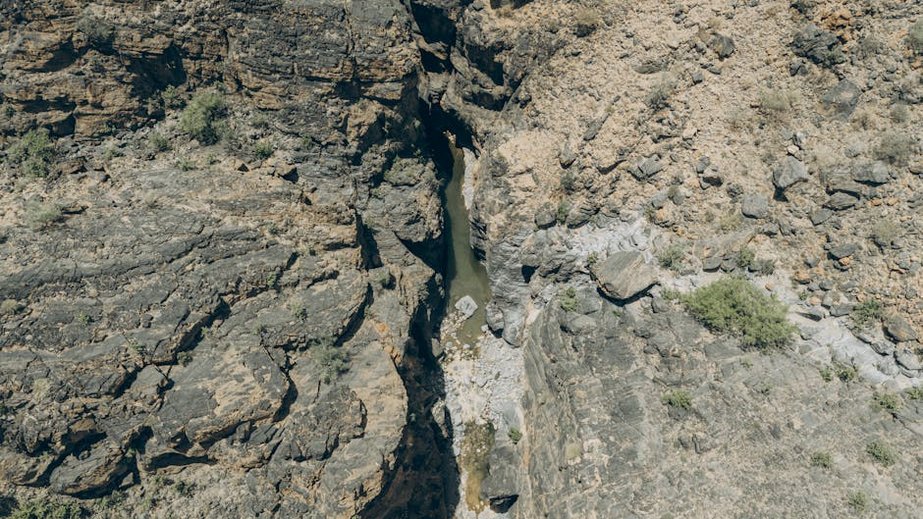
Alt: “wadi-shab-oman-canyon-turquoise-pool-hiking-trail”
Canyon Exploration in Oman – Planning Your Trip
Successful canyon exploration in Oman hinges on meticulous preparation, primarily due to the extreme climate and remote locations. The desert environment demands respect, with summer temperatures making many wadis unsafe for hiking. Planning focuses on seasonality, physical readiness, and obtaining the right gear for mixed terrain.
Logistical planning involves renting a capable vehicle, as most wadi trailheads are reached via rough, unpaved tracks. A 4×4 is not always mandatory but is highly recommended for clearance and safety. You’ll also need to carefully manage water and fuel, as services are non-existent once you leave main highways.
Best Time to Visit for Canyon Adventures
The ideal window for wadi hiking is from late October through early April. During these months, daytime temperatures range from a pleasant 75°F to 85°F (24°C to 29°C), while nights can drop to around 60°F (15°C). This cooler weather makes long hikes and scrambles manageable and enjoyable.
Avoid the summer months (May-September), when temperatures consistently exceed 100°F (38°C), creating a high risk of heatstroke. Note that winter months can bring rare but dangerous flash floods; always check local weather forecasts before entering any canyon. The water in the pools remains cool and refreshing year-round.
Budget Planning and Costs
Your budget varies significantly based on your travel style. Here’s a typical breakdown for a week-long trip focusing on wadis.
Essential Preparation Checklist
Packing correctly is non-negotiable for safety and comfort. Footwear is the most critical item; wear sturdy, closed-toe hiking shoes with excellent grip for wet, slippery rocks. Never attempt a wadi in sandals. A dry bag is essential for protecting electronics and towels during swim sections.
Other must-haves include a minimum of 3 liters of water per person per day, high-SPF sunscreen, a wide-brimmed hat, and lightweight, long-sleeved clothing for sun protection. Ensure your travel insurance covers adventure activities and off-road driving. Inform someone of your hiking route and expected return time before you set out.
Top Canyons and Wadi Experiences
Oman boasts a wealth of canyons, each with its own personality. From the famous swim-to-waterfall at Wadi Shab to the vast, multi-day treks in the Western Hajar, choices cater to all adventure levels. The experience often involves a rewarding journey where the effort of the hike is repaid with a serene swim in an unexpected oasis.
Beyond the physical activity, these places offer profound tranquility. The stillness inside a deep wadi, broken only by the sound of trickling water or bird calls, is a highlight. Many sites also feature small, working villages where you can witness traditional Omani agricultural life clinging to the cliffsides.
Must-See Highlights: Wadi Shab and Wadi Bani Khalid
Wadi Shab is the iconic Omani canyon experience. After a 45-minute scenic hike, you reach a series of stunning emerald and turquoise pools. The final challenge is a short swim through a narrow rock opening into a hidden cave containing a waterfall. It’s a moderately challenging but immensely rewarding day trip from Muscat.
Wadi Bani Khalid, further southeast, is renowned for its large, permanent pools that are more accessible. While less of a hike, its beauty lies in the vivid blue water contrasted against stark, smooth rocks. It’s a fantastic location for families or those seeking a more relaxed day of swimming and picnicking in a dramatic setting.
Hidden Gems and Remote Adventures
For seasoned hikers, Wadi Nakhr (the “Grand Canyon of Oman”) in Jebel Shams offers breathtaking rim walks with dizzying views down 1,000-meter drops. The hike to the abandoned village of As Sab requires a guide but provides an unparalleled sense of exploration. Access is via rugged mountain roads best tackled with a 4×4.
Wadi Tiwi, adjacent to Wadi Shab, is known as the “Wadi of the Nine Villages.” A drive and hike through its terraced plantations and narrow passages offer a more cultural canyon experience. It’s less crowded and provides intimate glimpses into falaj systems and traditional farming communities nestled within the gorge.
Slot Canyon and Technical Canyoning
True slot canyons, requiring technical skills and equipment, exist in areas like the Snake Gorge area near Jebel Akhdar. These involve rappelling, deep wading, and complex navigation. These activities should only be undertaken with certified local guides from reputable outfitters like Omran Tours or Muscat Diving & Adventure Centre, who provide gear and ensure safety.
Practical Travel Information for Oman
Navigating Oman is straightforward with preparation. Most visitors fly into Muscat International Airport (MCT), the primary hub. From there, renting a vehicle is the best way to reach the scattered canyon sites. Public transport is virtually non-existent for reaching wadi trailheads, making self-driving or hiring a driver essential.
Accommodation ranges from international chain hotels in Muscat to unique desert camps and mountain eco-lodges. Booking platforms like Booking.com and locally-operated sites like Nizwa Hotel Reservations are reliable. For remote areas, booking in advance is crucial, especially during the peak winter season from December to February.
| Category | Options/Features | Price Range (USD) |
|---|---|---|
| Economy Car Rental | Small sedan (e.g., Toyota Yaris) for main highways only; not for wadi access. | $25-$40/day |
| 4×4 SUV Rental | Toyota Fortuner or similar; mandatory for mountain & off-road tracks to most wadis. | $70-$120/day |
| Muscat City Hotel | 3-4 star hotels in Shatti Al Qurum or Al Ghubra areas. | $80-$180/night |
| Desert/Mountain Lodge | Eco-lodges like Sama Heights in Jebel Akhdar or Desert Nights Camp. | $200-$400/night |