3-Day Paris Itinerary for First-Time Travelers
This 3-day Paris itinerary for first-time travelers crams the city’s essential highlights into a manageable, unforgettable long weekend. You’ll scale the Eiffel Tower, wander the Louvre’s grand halls, and soak in the bohemian charm of Montmartre. We’ve balanced iconic sights with local neighborhoods to offer a genuine taste of the French capital’s rhythm, ensuring your introduction is both efficient and richly rewarding.
Essential Paris Information for First Timers
Paris is divided into twenty arrondissements (districts) spiraling out from the center. This three-day plan focuses on the heart of the city, primarily the 1st through 8th districts. First-time visitors should prioritize these central areas to minimize transit time and maximize sightseeing. Understanding this layout is key to an efficient and enjoyable visit.
The city is a major global hub, so English is widely spoken in tourist areas. However, learning a few basic French phrases like “Bonjour” (hello) and “Merci” (thank you) is greatly appreciated. Parisians value politeness, so always begin interactions with a greeting, even when entering a shop. This simple gesture smooths over many interactions.
Navigating the City – Getting Around
Paris boasts one of the world’s best public transport systems. The Métro is your fastest option for crossing town.
- Purchase a “carnet” (pack of 10 tickets) or a Navigo Easy pass for pay-as-you-go travel on the Métro, buses, and RER trains within the city center.
- For this three-day trip, a Paris Visite travel pass for zones 1-3 is also cost-effective, offering unlimited travel and some museum discounts.
- Taxis and rideshares like Uber are available but can be slow in heavy traffic; walking is often the best way to discover Paris’s charming streets.
- Budget Traveler ($100-150/day): Stay in hostels or budget hotels in the 10th or 11th arrondissements, enjoy picnics from bakeries and markets, use the Métro carnet, and focus on free sights like Notre-Dame’s exterior and city parks.
- Mid-Range Traveler ($250-400/day): Book a boutique hotel in the Saint-Germain or Marais districts, dine at casual bistros for lunch and dinner, take occasional taxis, and pre-book tickets for all major attractions.
- Luxury Traveler ($600+/day): Experience five-star hotels like The Ritz or Shangri-La, enjoy Michelin-starred dining, utilize private guides for tours, and arrange premium experiences like a private Seine cruise.
- Paris Convention and Visitors Bureau
- RATP Paris Transit Authority
Currency and Payment Details
The official currency is the Euro (€). Credit and debit cards are accepted almost universally, including for contactless payments on the Métro. However, it’s wise to carry some cash for smaller vendors, market stalls, or tips. Notify your bank of your travel plans before departing to avoid your card being flagged for suspicious activity abroad.
American Express is less commonly accepted than Visa or Mastercard. Look for cards with no foreign transaction fees to save on every purchase. Tipping is not obligatory as a service charge is included, but rounding up the bill or leaving small change is customary for good service.
Key Cultural Notes
Paris operates on a more relaxed timetable than some cities. Many smaller shops close for a few hours in the afternoon, and dinner typically starts after 7:30 PM. Reservations are highly recommended for popular restaurants. Dress tends to be smart-casual; Parisians generally avoid overly athletic or beachwear in the city center, even when touring.
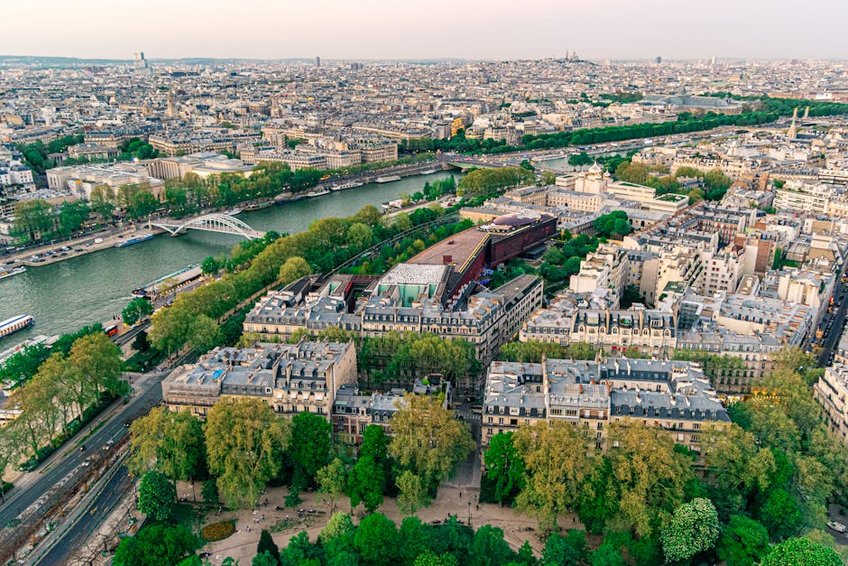
Alt: “paris-eiffel-tower-seine-river-sunset-view”
3-Day Paris Itinerary – Planning Your Trip
This packed schedule is designed for first-time travelers who want to see the major landmarks. The days are organized geographically to minimize backtracking across the city. We’ve built in strategic breaks at cafés and suggest pre-booking tickets for major attractions to bypass long queues. Flexibility is key, so feel free to swap activities based on your personal interests and energy levels.
Avoid scheduling museum visits on their weekly closure days. The Louvre is closed on Tuesdays, while the Musée d’Orsay shuts on Mondays. Planning around these closures prevents disappointment. Always confirm opening hours on official websites before your visit, as they can change seasonally.
Best Time to Visit Paris
The ideal months for a Parisian visit are April-June and September-October. These shoulder seasons offer mild weather, with average highs of 60-70°F (15-21°C), fewer crowds, and lush greenery or autumn colors. Summer (July-August) brings peak tourism, higher prices, and temperatures that can reach 80-85°F (27-29°C), though the city is vibrant with festivals.
Winter (November-March) is colder, with highs around 45-50°F (7-10°C), but it’s the least crowded time and boasts magical Christmas markets. Be prepared for rain year-round. A compact umbrella or a stylish trench coat is a wise packing addition regardless of your chosen season.
Budget Planning and Costs
Your daily budget will define your Parisian experience. Costs are broken down per person.
Essential Preparation Checklist
Comfort is paramount for days filled with walking. Pack supportive walking shoes, a reusable water bottle, a power adapter (Type E/F plug, 230V), and layers for changeable weather. A crossbody bag is recommended for security in crowded areas. Download essential apps before you go: the official RATP app for transit, Google Maps, and a translation app like Google Translate.
Ensure your passport is valid for at least three months beyond your departure date from the Schengen Area. EU and US citizens do not need a visa for tourist stays under 90 days. Purchase comprehensive travel insurance that covers medical emergencies and trip interruptions. Book your accommodations and key attraction tickets at least two to three months in advance, especially for travel during peak seasons.
Day-by-Day Paris Sightseeing Plan
This three-day schedule provides a structured yet flexible framework. Each day mixes iconic monuments with local flavor, ensuring you experience both the postcard views and the authentic Parisian atmosphere. We’ve timed entries to avoid the worst crowds where possible. Remember, the goal is to savor the city, not just tick boxes, so don’t hesitate to linger at a charming sidewalk café.
Day 1: Iconic Paris & The Right Bank
Start your Paris adventure at the Arc de Triomphe. Climb to the top for a stunning 360-degree view of the city’s radiating avenues. Then, stroll down the famous Champs-Élysées toward the Place de la Concorde. Your destination is the Musée de l’Orangerie in the Tuileries Garden, home to Monet’s breathtaking Water Lilies murals. This offers a more intimate art experience before tackling the Louvre.
After lunch, enter the Louvre (pre-book a timed-entry ticket for around 2 PM). Focus on the essentials: the Mona Lisa, Venus de Milo, and Winged Victory. The museum is vast, so decide on 2-3 wings to explore. In the evening, take a Seine River cruise just before sunset. This provides unparalleled views of Notre-Dame, the Musée d’Orsay, and a twilight approach to the illuminated Eiffel Tower, perfectly capping your first day.
Day 2: The Eiffel Tower & Elegant Left Bank
Begin at the Eiffel Tower. For the best experience, reserve a timed ticket to the second level in the morning. The view from here is optimal for identifying landmarks. Afterwards, wander through the elegant 7th arrondissement to Les Invalides, the final resting place of Napoleon. Then, cross the Seine to the Left Bank and explore the artistic and intellectual hub of Saint-Germain-des-Prés, once home to Hemingway and Picasso.
Visit the Musée d’Orsay in the afternoon (it’s closed on Mondays). Housed in a stunning former railway station, it showcases Impressionist and Post-Impressionist masterpieces by Van Gogh, Monet, and Renoir. Conclude your day by exploring the vibrant Latin Quarter. Get lost in its winding medieval streets, see the Sorbonne University, and find a traditional crêperie or bustling bistro for a classic Parisian dinner.
Day 3: Bohemian Montmartre & The Marais
Dedicate your final morning to Montmartre. Ascend the hill to the dazzling Sacré-Cœur Basilica for a panoramic view of Paris. Wander through the Place du Tertre, watching artists at work, and down the charming, vine-covered Rue de l’Abreuvoir. This area retains a unique village-like charm. For lunch, enjoy the bustling atmosphere and fresh food at the Marché des Enfants Rouges, Paris’s oldest covered market located in the Marais district.
The afternoon is for exploring the historic Marais. This fashionable district is a blend of Jewish history, LGBTQ+ culture, and chic boutiques. Visit the Place des Vosges, Paris’s oldest planned square, and perhaps the Musée Picasso if time allows. Your final evening is free for last-minute shopping, a special farewell dinner, or revisiting a favorite neighborhood to soak in the Parisian ambiance one last time.
Practical Travel Information for Paris
Paris is served by two main international airports: Charles de Gaulle (CDG) and Orly (ORY). Charles de Gaulle is larger and handles most long-haul flights, located about 45 minutes northeast of the city by RER B train. Orly is south of the city and is a hub for many European and domestic flights, accessible via the Orlyval shuttle and RER B. Always allow ample time for airport transfers due to traffic.
Within the city, the Métro is your best friend. It operates from around 5:30 AM to 1:15 AM. Buses are excellent for sightseeing above ground but are slower. The Batobus water bus offers a hop-on, hop-off service along the Seine, connecting major landmarks. For this three-day itinerary, walking between nearby sights is often the most pleasant and efficient choice.
| Accommodation Area | Best For | Average Nightly Rate (USD) |
|---|---|---|
| Saint-Germain-des-Prés (6th) | Classic charm, boutique shopping, literary history | $250 – $500 |
| Le Marais (3rd/4th) | Trendy vibes, vibrant nightlife, historic sites | $200 – $450 |
| Opéra / Grands Boulevards (9th) | Convenience, department stores, good transit links | $180 – $400 |
| Latin Quarter (5th) | Student energy, affordable eats, youthful atmosphere | $150 – $350 |