3-Day Istanbul Itinerary with Transportation Tips
Exploring Istanbul’s historic core and vibrant modern districts requires strategic planning over three full days. Your 3-day Istanbul itinerary balances iconic Ottoman and Byzantine landmarks with authentic neighborhood exploration across two continents. This guide pairs daily sightseeing schedules with essential Istanbul transportation tips for navigating ferries, trams, and traffic efficiently.
Essential Istanbul Information
Istanbul straddles the Bosphorus Strait, dividing its districts between Europe and Asia. The city served as capital for the Roman, Byzantine, and Ottoman empires, creating a layered historical landscape. Summer highs reach 82°F (28°C), while winter averages 41°F (5°C), affecting sightseeing comfort and crowds.
Turkish is the official language, though English is widely spoken in tourist hubs and hotels. The local currency is the Turkish Lira (TRY), but euros and US dollars are often accepted at major attractions. Always carry some cash for markets, taxis, and smaller eateries outside Sultanahmet.
Visa and Entry Requirements
Most Western travelers need an e-Visa for Turkey, obtainable online before arrival.
- US, UK, and Canadian passport holders must apply for the e-Visa via the official government portal, costing approximately $50 USD. Processing is instant, but allow 48 hours for any issues.
- Schengen EU passport holders can often enter visa-free for tourism for up to 90 days. Always verify current rules with the Turkish Ministry of Foreign Affairs three weeks before your trip.
- Ensure your passport is valid for at least six months beyond your entry date. Immigration officers may request proof of onward travel and accommodation bookings.
- Budget: $60-80 USD per day covers a hostel, street food (simit, kebabs), museum passes, and public transit. Prioritize free sights like the Spice Bazaar exterior and Süleymaniye Mosque gardens.
- Mid-Range: $120-180 USD daily affords a boutique hotel in Beyoğlu, restaurant meals, guided tours for Topkapi Harem, and a Bosphorus ferry cruise. This tier offers the best value for comfort and access.
- Luxury: $300+ USD per day includes five-star stays at places like the Four Seasons Sultanahmet, private guided tours, fine dining, and VIP fast-track entry at major attractions.
- Istanbul Official City Portal
- Lonely Planet Istanbul Travel Guide
Neighborhoods and Their Vibes
Sultanahmet forms the historic heart, housing the Blue Mosque and Hagia Sophia within walking distance. This area is ideal for first-time visitors prioritizing monuments but can feel crowded. Accommodation here suits early risers aiming to beat tour bus arrivals.
Beyoğlu, centered around İstiklal Avenue, offers a modern contrast with galleries, nightlife, and panoramic views from Galata Tower. Karakök provides a trendy, artistic bridge between old and new with its ferry terminal. The Asian Side, notably Kadıköy and Üsküdar, delivers authentic local life and superb seafood restaurants away from mainstream tourism.
Cultural Context and Timing
Major mosques close to visitors during the five daily prayer times, typically for 90 minutes at noon on Fridays. Schedule indoor visits to sites like the Blue Mosque for mid-morning or mid-afternoon windows. The call to prayer echoes across the city, adding to the atmospheric backdrop without disrupting plans.
Many museums operate Tuesday through Sunday, closing on Mondays. The Grand Bazaar observes Sunday closures. Verify individual opening hours online, as they shift seasonally. Turkish hospitality is warm; a simple “teşekkür ederim” (thank you) is appreciated.
Alt: “istanbul-sultanahmet-square-hagia-sophia-blue-mosque”
3-Day Istanbul Itinerary – Planning Your Trip
This efficient 3-day Istanbul itinerary maximizes your time by grouping geographically close attractions each day. Day one concentrates on the Sultanahmet historic peninsula, accessible entirely on foot. Day two utilizes ferries to explore the Bosphorus and Asian side, while day three connects the Grand Bazaar and Beyoğlu via historic tram.
Successful execution relies on an Istanbulkart transportation card, purchased upon arrival. This rechargeable pass provides discounted fares on all public transit, including trams, ferries, metros, and buses. Avoid renting a car; Istanbul’s traffic is famously congested, and parking is scarce and expensive in central districts.
Best Time to Visit Istanbul
Visit Istanbul between late April and early June or September and October for optimal weather. Spring temperatures range from 55°F to 70°F (13°C to 21°C) with manageable crowds before the summer rush. Fall offers similar conditions, with the added charm of harvest season and cultural events.
July and August see intense heat, with averages of 82°F (28°C) and dense tourist crowds at major sites. November through March is cooler, 41°F to 50°F (5°C to 10°C), with occasional rain, but you’ll encounter shorter lines and lower hotel rates. The city is vibrant year-round.
Budget Planning and Costs
Daily costs vary significantly based on accommodation style and dining choices.
Essential Preparation Checklist
Pack comfortable walking shoes with good grip for cobblestone streets and mosque floors requiring shoe removal. Bring a lightweight scarf or pashmina for women to cover heads and shoulders when entering active mosques. Modest dress covering shoulders and knees is respectful everywhere.
Download offline Google Maps of Istanbul and the BiTaksi app for reliable taxi hailing. Notify your bank of international travel to use ATMs (avoid airport ones for better rates). Secure comprehensive travel insurance covering trip delays and medical evacuation. Book Topkapi Palace and Hagia Sophia tickets online to skip long ticket queues.
Detailed Day-by-Day Istanbul Itinerary
This schedule balances iconic sightseeing with local immersion, accounting for travel time between districts. Start early each day to experience sites with fewer visitors. The rhythm incorporates midday breaks at cafes, aligning with the local pace of life. Flexibility is key, as ferry schedules can vary, and mosque access depends on prayer times.
Day 1: Historic Sultanahmet Core
Begin at Hagia Sophia, arriving at its 9:00 AM opening to admire its massive dome and Byzantine mosaics. Allocate 90 minutes here before walking five minutes to the Blue Mosque. Note its interior restoration may cover some areas, but the courtyard and architecture remain stunning.
Lunch at a nearby restaurant serving traditional lentil soup and grilled meats. Afternoon hours belong to Topkapi Palace, requiring three hours for its Harem, treasury, and imperial courtyards. Conclude at the Basilica Cistern, enjoying its mysterious, column-filled underground chamber. Dine in the quieter neighborhood of Kumkapı for fresh fish.
Day 2: Bosphorus & The Asian Side
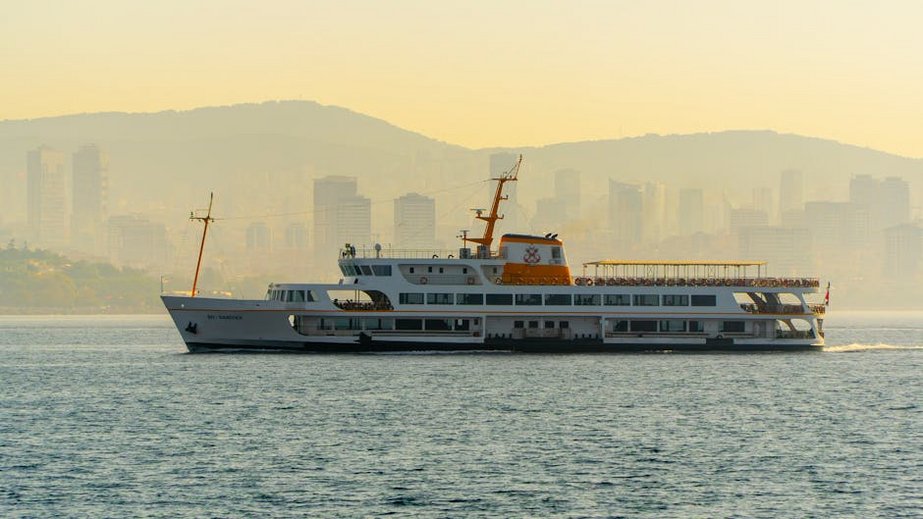
Take the T1 tram to Eminönü ferry terminal for a full Bosphorus cruise or a short ferry to Üsküdar. The long cruise takes 90 minutes one-way to the Black Sea confluence, ideal for photography. The shorter ferry provides panoramic views of Dolmabahçe Palace and Ottoman mansions for a fraction of the cost.
Disembark in Üsküdar to explore its waterfront mosque and market streets. Walk or take a local bus to Kadıköy for its vibrant food market and coffee shops. Return via ferry to Karaköy, then ascend to Galata Tower for sunset city views. Explore the independent boutiques and art spaces in the Galata district before dinner.
Day 3: Grand Bazaar & Beyoğlu
Enter the Grand Bazaar when it opens at 8:30 AM to experience its covered lanes before crowds swell. Practice polite bargaining and focus on unique items like ceramics or lanterns. Exit to the Spice Bazaar for sensory overload and dried fruit samples.
Walk across Galata Bridge, observing local anglers, to reach the İstiklal Avenue tramway. Ride the historic red tram to Taksim Square, exploring side streets like Çiçek Pasajı. Visit the Istanbul Modern Art Museum for a contemporary contrast. Your final evening is perfect for a traditional meyhane (tavern) in Beyoğlu for raki and meze plates.
Practical Istanbul Transportation Tips
Istanbul’s public transportation network is extensive and cost-effective but requires understanding. The Istanbulkart is non-negotiable; buy it at major tram, metro, or ferry terminals. Each card can be used by multiple people, but you’ll lose the transfer discount. Avoid metered taxis during rush hour (7-10 AM, 4-8 PM) due to gridlocked traffic.
Ferries are the most scenic and efficient way to cross the Bosphorus. Schedules are reliable, and fares are inexpensive with the Istanbulkart. For trips up steep hills to areas like Pierre Loti, use the cable cars (F1 line) for incredible views and saved energy. Always validate your card on the turnstile readers when entering any station.
| Transport Mode | Best For / Key Tips | Sample Fare with Istanbulkart |
|---|---|---|
| Tram (T1 Line) | Connecting Sultanahmet, Grand Bazaar, Eminönü, and Kabataş. Avoids traffic entirely. | ~$0.50 USD per ride |
| Ferry | Crossing between Europe and Asia. Use for commuting and scenic Bosphorus tours. | ~$0.60 USD (short cross), ~$3 USD (full cruise) |
| Metro (M2 Line) | Rapid north-south travel from Taksim to Yenikapı, connecting to tram and airport lines. | ~$0.50 USD per ride |
| Taxi / Rideshare | Late-night travel or direct point-to-point trips with light traffic. Use BiTaksi app. | $5-15 USD for central journeys |