Toronto Travel Guide: Navigating Canada’s Vibrant Urban Heart
This Toronto travel guide provides a detailed framework for exploring a city defined by towering skyscrapers, pristine lakefront, and distinct cultural neighborhoods. As Canada’s largest metropolis, it offers an experience blending world-class arts with diverse culinary traditions and accessible urban green spaces. The following sections outline essential logistics, seasonal strategies, and local insights to structure your visit efficiently.
Essential Toronto Information
Toronto is the capital of Ontario and Canada’s most populous city, located on the northwestern shore of Lake Ontario. Its history transformed from a colonial outpost known as York into a modern financial and cultural hub following massive post-war immigration waves. Today, over 140 languages are spoken, creating a genuinely multicultural urban fabric.
The city operates on Eastern Standard Time (UTC-5) and observes Daylight Saving Time. The local currency is the Canadian Dollar (CAD), though US dollars are widely accepted at many businesses, often with a less favorable exchange rate. Power outlets are standard North American 120V, Type A and B, identical to those used in the United States.
Key Facts and Figures
Understanding these fundamentals will help with daily planning.
- Population: Approximately 2.9 million within the city proper, over 6 million in the Greater Toronto Area.
- Climate: Humid continental, with warm summers and cold, snowy winters; average July high is 27°C (81°F), while January averages -6°C (21°F).
- Governing Region: Province of Ontario; the city is divided into over 140 official neighborhoods, each with its own character.
- Budget Traveler ($75-125 USD/day): Stay in a hostel dorm ($35-50), use public transit ($7/day), enjoy cheap eats from food halls or food trucks ($10-15/meal), and focus on free attractions like Kensington Market, the Harbourfront, and public parks.
- Mid-Range Traveler ($200-350 USD/day): Book a boutique hotel or Airbnb in a neighborhood like Leslieville ($150-250/night), dine at popular bistros ($50-75/day), visit 2-3 paid attractions like the CN Tower or Royal Ontario Museum, and use rideshares occasionally.
- Luxury Traveler ($500+ USD/day): Stay at a five-star hotel in the Entertainment District ($400+/night), enjoy fine dining at chef-led restaurants ($150+/meal), book private tours or theater tickets, and use concierge services for reservations and transportation.
- Destination Toronto Official Tourism Site
- Toronto Transit Commission (TTC)
Getting Oriented: Major Districts
Downtown Toronto is centered around the Financial District and Yonge-Dundas Square. Major east-west arteries include Bloor Street, Queen Street, and the Lakeshore Boulevard. The city’s grid system is relatively straightforward, with Yonge Street famously serving as the dividing line between east and west addresses.
Key areas for visitors extend beyond downtown. The Distillery District offers historic cobblestone charm, while Kensington Market provides bohemian eclecticism. To the west, Liberty Village and Parkdale present trendy, evolving scenes. Understanding these districts helps in planning daily itineraries based on your interests.
Cultural Context and Etiquette
Toronto is famously polite and orderly. Tipping is customary, with 15-20% standard in restaurants and for taxi rides. While English is the primary language, you’ll hear a multitude of others; basic French is appreciated but not required. The city is generally clean, safe, and pedestrian-friendly, with a strong emphasis on queuing and respecting personal space in public settings.
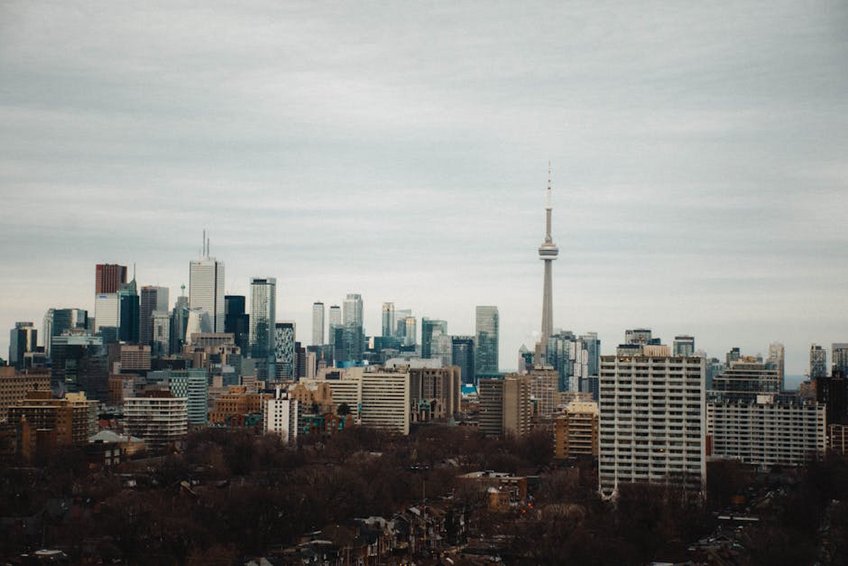
Alt: “toronto-skyline-cn-tower-lake-ontario-waterfront”
Toronto Travel Guide – Planning Your Trip
Effective planning for Canada’s largest city requires attention to seasonality and urban logistics. Summer and early fall see peak tourism, with festivals and patio season in full swing, while winter offers holiday markets and fewer crowds. Your budget should account for accommodation as the primary cost, with dining and attraction passes forming significant secondary expenses.
Accommodation prices fluctuate dramatically. A downtown hotel room averages $250-400 CAD per night in high season. Consider staying near a subway station outside the core, like in the Annex or near Davisville, for better value. Purchasing a Presto card for transit and booking major attractions online in advance can yield substantial savings.
Best Time to Visit Toronto
The ideal time for classic sightseeing is late May through early October. July and August offer warm weather, averaging 27°C (80°F), with long days perfect for lake activities and patio dining. This is also festival season, featuring events like Caribana and the Toronto International Film Festival, but expect higher prices and dense crowds.
Shoulder seasons provide excellent alternatives. Late April to May and September to October feature milder temperatures, between 10-20°C (50-68°F), and thinner crowds. Winter, from December to February, is cold with highs around -1°C (30°F), but it’s ideal for budget travelers and those seeking holiday cheer at the Distillery District’s Christmas Market.
Budget Planning and Costs
Daily costs vary widely based on travel style.
Essential Preparation Checklist
Pack for variable weather, even in summer. Include layered clothing, a waterproof jacket, and comfortable walking shoes. A power bank for your phone is essential for navigation and photography. If visiting in winter, a heavy coat, insulated boots, gloves, and a hat are non-negotiable for comfort outdoors.
Ensure your passport is valid for the duration of your stay. U.S. citizens do not need a visa for tourist visits under 180 days. Consider travel insurance that covers medical emergencies. Download the TTC (Transit) app, a map of the PATH underground network, and restaurant reservation apps like OpenTable well before your arrival.
Top Attractions and Activities
Toronto’s skyline is dominated by the CN Tower, a communications spire offering panoramic observation decks and a thrilling EdgeWalk for the adventurous. Just south, the Ripley’s Aquarium of Canada houses thousands of marine species in immersive tunnels. These two attractions, often visited together, anchor the downtown core’s tourist experience.
Beyond the iconic structures, the city’s cultural institutions are world-class. The Royal Ontario Museum (ROM) showcases natural history and world cultures within a striking crystalline addition. The Art Gallery of Ontario (AGO), redesigned by Frank Gehry, holds an impressive collection of Canadian and European art. Both require half a day to appreciate fully.
Must-See Highlights
The St. Lawrence Market, operating since 1803, is a food lover’s paradise. Its South Market buzzes with vendors selling peameal bacon sandwiches, artisanal cheeses, and fresh produce. The adjacent Market Gallery often hosts historical exhibits. Plan to visit on a Saturday morning for the full, bustling atmosphere and come hungry.
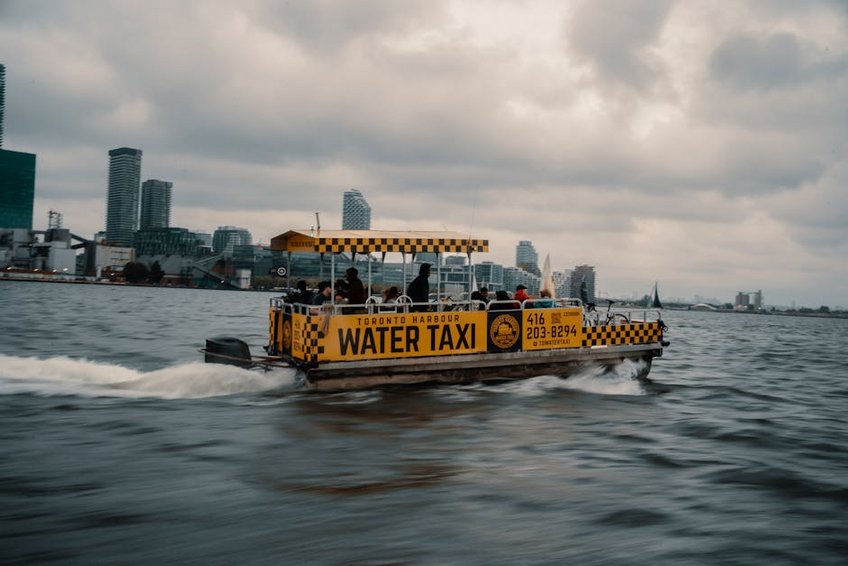
For a serene escape, the Toronto Islands provide stunning views of the skyline just a short ferry ride from the Harbourfront. Centre Island is family-friendly with beaches and an amusement park, while Ward’s and Algonquin Islands offer quiet residential lanes and picnic spots. Ferry schedules change seasonally, so check times in advance.
A walk through the Distillery District immerses you in preserved Victorian industrial architecture. This pedestrian-only zone is filled with art galleries, design shops, restaurants, and a popular brewery. It’s especially magical during the Christmas market. Meanwhile, catching a show in the Theatre District or a game at the Scotiabank Arena offers classic big-city entertainment.
Hidden Gems and Local Favorites
Explore the graffiti-filled laneways off Queen Street West, like Graffiti Alley, for an authentic look at the city’s street art scene. For a unique natural retreat within the city, visit Tommy Thompson Park, a man-made peninsula known as the “Leslie Street Spit.” It’s a vital bird sanctuary with rugged trails and unparalleled skyline views, accessible on weekends.
Venture into residential neighborhoods for authentic experiences. The Roncesvalles area has a strong Polish community with excellent bakeries. In the east, the beaches boardwalk along Lake Ontario feels miles away from the downtown bustle. These areas offer a slower pace and a chance to see where locals live, shop, and dine.
Neighborhood Exploration Strategy
Dedicate time to exploring distinct neighborhoods beyond downtown. Kensington Market is a chaotic, colorful maze of vintage stores, international food shops, and cozy cafes. Just north, the Annex and Yorkville offer a contrast with upscale boutiques and historic homes. Each area reveals a different layer of the city’s complex identity.
Practical Travel Information
Navigating Ontario’s capital is straightforward with its integrated public transit system. The Toronto Transit Commission (TTC) operates subways, streetcars, and buses. A single fare costs $3.35 CAD, but a day pass for unlimited travel is $13.50, offering excellent value for visitors. The subway system, while not extensive, connects key tourist areas.
Accommodation options cater to all budgets and styles. The Entertainment District and Downtown Core are most convenient for major sights but command premium prices. Neighborhoods like the West End’s King West or East End’s Riverside provide more local flavor and slightly better value, with easy streetcar access to the center.
| Accommodation Type | Best For/Features | Price Range (USD/Night) |
|---|---|---|
| Luxury Hotel | Entertainment District, concierge, lake views, rooftop pools | $300 – $600+ |
| Boutique Hotel | King West, Yorkville; unique design, personalized service | $200 – $400 |
| Mid-Range Hotel/Airbnb | Annex, Leslieville; more space, kitchenettes, local feel | $120 – $250 |
| Hostel/Budget Hotel | Downtown East, near College Street; basic amenities, social atmosphere | $35 – $100 |