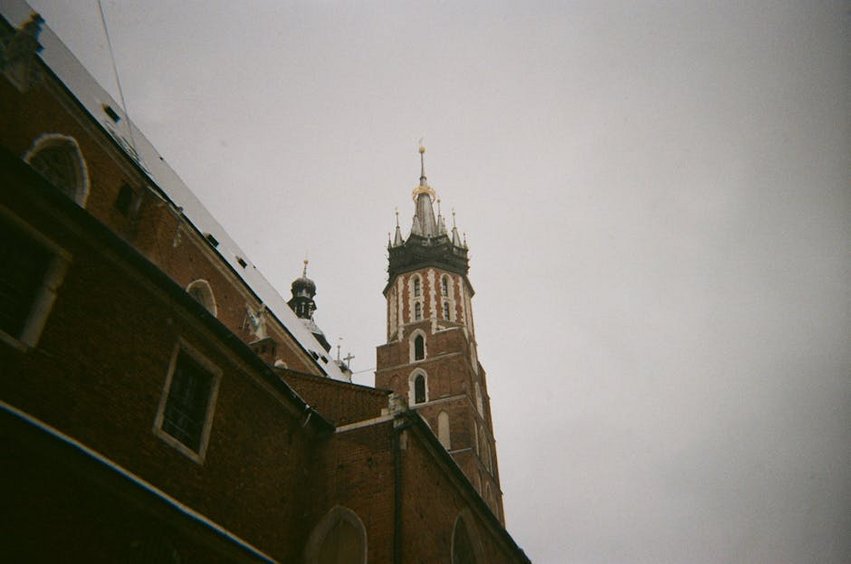
Medieval Streets of Krakow: History Unfolds at Every Corner
Walking the medieval streets of Krakow feels like stepping into a living history book where Gothic spires and Renaissance courtyards tell stories of kings, scholars, and merchants. Your exploration connects you directly with a UNESCO World Heritage site, offering an authentic urban experience preserved for over seven centuries. This guide details the key districts, hidden passageways, seasonal rhythms, and cultural insights to help you navigate Europe’s most complete medieval city center.
Krakow’s Historic Core Essentials
Krakow’s Old Town, or Stare Miasto, is the historic heart defined by its original 13th-century layout. The district is encircled by the lush Planty Park, which replaced the old city walls, creating a green belt around the core. Within this ring, a grid of streets leads to the expansive Main Market Square, one of Europe’s largest medieval town squares.
Royal authority centered on Wawel Hill, where the cathedral and castle have stood since the early Middle Ages. The city’s academic legacy began in 1364 with the founding of the Jagiellonian University, making it one of Europe’s oldest learning centers. These layers of political, religious, and intellectual history are physically embedded in the architecture you’ll see.
Understanding the City Layout
Navigating is intuitive once you grasp the basic structure.
- The Royal Route runs from St. Florian’s Gate, down Florianska Street, across the Main Square, along Grodzka Street, and up to Wawel Castle, marking the historic processional path for monarchs.
- The grid of streets between the Gate and the Square contains the medieval merchant quarters, each historically dedicated to specific trades like textiles or metalwork.
- Kazimierz, the former Jewish quarter located just south of the Old Town, evolved from a separate 14th-century town into a profound center of Jewish culture for centuries.
- Budget travel ($45-70/day): Stay in a hostel dorm, eat at milk bars (bar mleczny), use public transport, and focus on free sights like walking the streets and visiting churches. Many museums offer free entry on specific weekdays.
- Mid-range comfort ($90-150/day): This covers a private hotel room in Kazimierz, meals at traditional Polish restaurants (pierogarnia), paid entry to top museums like Wawel Cathedral, and occasional taxi rides.
- Luxury experience ($200+/day): Includes boutique hotels in the Old Town, fine dining, private guided historical tours, and exclusive experiences like a private organ concert in St. Mary’s Basilica.
- Official Krakow City Website
- UNESCO World Heritage Centre – Krakow
Key Historical Periods Visible Today
The city’s architecture showcases distinct eras due to spared wartime destruction. Romanesque foundations support structures like St. Andrew’s Church, a rare 11th-century fortress church. Gothic mastery is evident in the soaring St. Mary’s Basilica and the cavernous Cloth Hall, both defining the Main Square’s silhouette.
Later, the Renaissance influence arrived with Italian artisans, adding ornate courtyards and attic walls to burgher houses. The Baroque period then contributed elaborate church interiors. This chronological blend allows you to visually trace centuries of European artistic trends within a compact, walkable area.
Preservation and UNESCO Status
Krakow’s historic center earned UNESCO designation in 1978 for its exceptional authenticity and completeness. Preservation efforts maintain original street patterns, building footprints, and even cellar networks. When you walk these lanes, you are following the exact routes used in the Middle Ages, a rarity among major European cities.
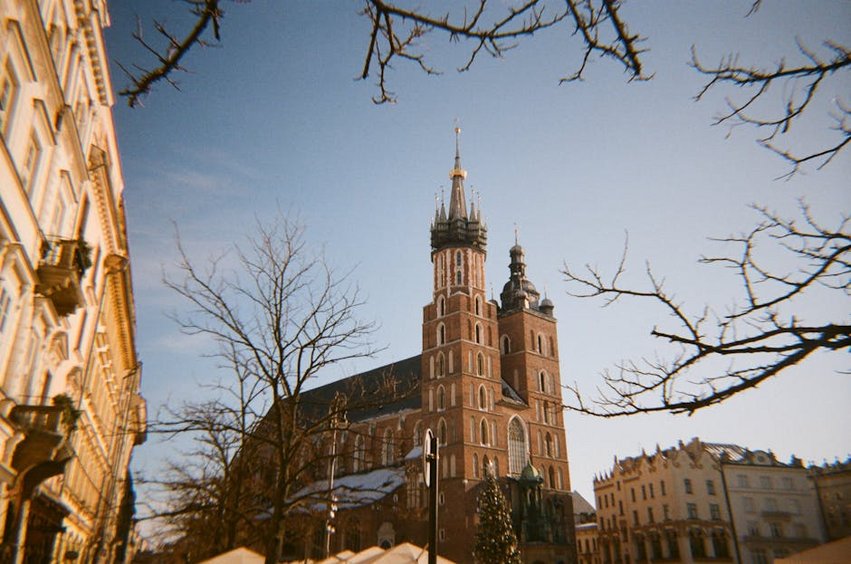
Alt: “krakow-old-town-medieval-street-florianska-gate-view”
Medieval Streets of Krakow – Planning Your Exploration
To fully appreciate the medieval streets of Krakow, you need a strategy that balances major sites with spontaneous discovery. Allocate at least two full days for the Old Town and Kazimierz district. A third day allows for deeper exploration of Wawel Hill or a day trip to the Wieliczka Salt Mine. Shoulder seasons like May or September provide pleasant weather and fewer tourists.
Comfortable walking shoes are non-negotiable, as cobblestones cover most paths and can be uneven. You’ll walk 5-8 miles daily if exploring thoroughly. Carry a reusable water bottle, as public fountains offer fresh water. Spring (April-June) brings mild temps of 50-68°F (10-20°C) and blooming flowers, while autumn (September-October) offers crisp air and golden foliage at 45-61°F (7-16°C).
Winter visits transform the city into a festive wonderland, with Christmas markets from late November and possible snow from December to February, though temperatures often hover around freezing, 23-32°F (-5 to 0°C). Summer sees the most crowds and warmest weather, reaching up to 75°F (24°C) in July. Book accommodations at least three months in advance for summer or Christmas market visits.
Best Time to Walk Krakow’s Historic Lanes
Visit between late April and early June for optimal conditions combining pleasant weather and manageable crowds. Daily highs range from 60-70°F (15-21°C), perfect for all-day walking. The shoulder months of September and October are equally ideal, with colorful autumn scenery and cultural events like the Jewish Culture Festival often occurring.
Winter, particularly December, offers a magical atmosphere with festive decorations and market stalls, though daylight is limited to about 8 hours. Summer provides long days but requires patience at major attractions. Regardless of season, mornings before 10 AM are always the quietest time on the main streets.
Budget Planning and Daily Costs
Krakow remains excellent value, but costs vary by travel style.
Essential Preparation Checklist
Pack layers, including a waterproof jacket and a warm sweater, as weather can shift quickly. Ensure your shoes have good grip for slick cobblestones. Bring a power adapter for Type E plugs (220V). A small crossbody bag is safer for navigating crowded areas than a backpack.
U.S. and EU passport holders do not need a visa for stays under 90 days. Have travel insurance that covers medical care. Download the Jakdojade app for excellent local public transport navigation. Book popular guided tours, such as the Wieliczka Salt Mine or Auschwitz-Birkenau, at least two weeks in advance.
Top Streets and Districts to Explore
Beyond the famous Royal Route, Krakow’s historic center contains a network of evocative lanes each with its own character. Kanonicza Street, leading to Wawel, is arguably the most picturesque, lined with beautifully preserved Renaissance townhouses that once housed cathedral canons. Its serene, cobbled slope feels removed from the bustle just a block away.
In contrast, the narrow Stolarska and Jagiellońska streets buzz with café life and student energy from the nearby university. These arteries are perfect for people-watching. For a quieter, more residential medieval feel, wander the western part of the Old Town near the former city wall, where streets like Szpitalna and Tomasza offer glimpses of everyday life amidst historic façades.
Must-See Highlights and Streetscapes
Florianska Street is your grand entrance from the north, passing through the only remaining gate of the city walls. The street is lively with shops and cafes, but look upward to admire the ornate façades and painted details. Grodzka Street forms the southern leg of the Royal Route, more subdued and lined with historic churches like St. Peter and St. Paul’s.
The Main Market Square (Rynek Główny) is the breathtaking centerpiece. You can spend hours here observing the hourly trumpet call from St. Mary’s Tower, exploring the Cloth Hall interior, or simply watching the world go by from a terrace café. Entry to the Square is free, but climbing the Town Hall Tower costs about $5. St. Mary’s Basilica interior admission is around $4.
Hidden Passages and Secret Courtyards
Seek out the Passage under the Barrier House (Przejście pod Domem Baranów) connecting the Square with Jagiellońska Street. Another gem is the small courtyard behind St. Mary’s Basilica, accessible via a passage next to the church. The Franciscan Monastery garden, open to the public, offers a peaceful green cloister just steps from the Square’s frenzy.
In Kazimierz, explore the network of small lanes around Plac Nowy, where you’ll find artisan workshops and hidden synagogues. The courtyard of the Old Synagogue often hosts quiet reflection. These spots provide essential moments of respite and a closer look at the city’s layered texture beyond the main tourist flow.
Kazimierz: The Historic Jewish Quarter
Once a separate town, Kazimierz boasts its own medieval street grid centered around Szeroka Street, which functions as a wide square. The district’s atmosphere is profoundly shaped by centuries of Jewish life and the tragic events of the 20th century. Today, it’s a vibrant area of rediscovery, with synagogues, cemeteries, and museums alongside trendy galleries and restaurants.
Walking from the Old Town to Kazimierz across the Dietl’s Footbridge (mosty Dietla) illustrates the historical connection between the two districts. Key streets like Miodowa and Józefa are filled with history, from the Remuh Synagogue and Cemetery to the evocative fragments of the former ghetto wall.
Practical Navigation and Logistics
Krakow’s medieval core is a compact, pedestrian-friendly zone where walking is the primary and best mode of transport. The city’s efficient tram and bus network encircles the Planty Park, perfect for reaching entry points like St. Florian’s Gate or returning to your accommodation after a long day. Taxis and ride-shares like Bolt are affordable for longer hops.
Choose accommodation based on your preferred atmosphere. Staying within the Old Town walls means you’re in the thick of the history, but nights can be lively. Kazimierz offers a more local, residential vibe with excellent dining and is just a 10-15 minute walk from the Main Square. The districts of Kleparz and Wesoła, just north and east of the Old Town, provide quieter, often more budget-friendly options with excellent tram connections.
| Accommodation Area | Atmosphere & Advantages | Price Range/Night (USD) |
|---|---|---|
| Old Town (Within Planty) | Maximum historical immersion, walk to everything, lively evening ambiance | $80 – $250+ |
| Kazimierz District | Bohemian character, best restaurants and bars, slightly quieter, short walk to Old Town | $60 – $180 |
| Kleparz / Wesoła (Just North/East) | Local residential feel, very good tram links, more budget options, 15-min walk to center | $40 – $120 |
| Podgórze (South of River) | Up-and-coming, near Schindler’s Factory Museum, scenic river views, requires bridge crossing | $50 – $150 |