Marrakech Travel Guide: Navigate the Red City Like a Local
Stepping into Marrakech is a sensory immersion, a vibrant blend of ancient traditions and modern energy. This guide provides the essential framework for navigating the city’s labyrinthine medina, bargaining in its legendary souks, and finding tranquility in its historic riads. You’ll learn how to plan efficiently, avoid common tourist pitfalls, and discover the authentic rhythm of Morocco’s most famous city.
Essential Marrakech Information
Founded in 1062, Marrakech earned its “Red City” nickname from the distinctive hue of its surrounding walls and buildings. It’s one of Morocco’s four imperial cities, acting as a crucial crossroads for trade and culture for nearly a millennium. The city divides clearly into the historic Medina, a UNESCO World Heritage site, and the modern French-colonial district of Gueliz.
Navigating these two zones requires different approaches and mindsets. The Medina is a dense, car-free maze best explored on foot, while Gueliz features wide boulevards and contemporary amenities. English is widely spoken in tourist areas, but learning a few basic Arabic or French phrases enhances your experience significantly. The local currency is the Moroccan Dirham (MAD), with cash remaining king in the old city.
Understanding the City Layout
Getting oriented is your first task upon arrival. The city’s layout directly influences your daily itinerary and transportation choices.
- The Medina (Old City): Enclosed by 12 miles of red walls, this is the historic heart containing the souks, Jemaa el-Fnaa square, and major palaces. Navigation relies on landmark recognition rather than street names.
- Gueliz (Ville Nouvelle): The “New City” built by the French, offering modern hotels, international restaurants, and boutique shopping on avenues like Mohammed V. It’s a 15-20 minute taxi ride from the Medina.
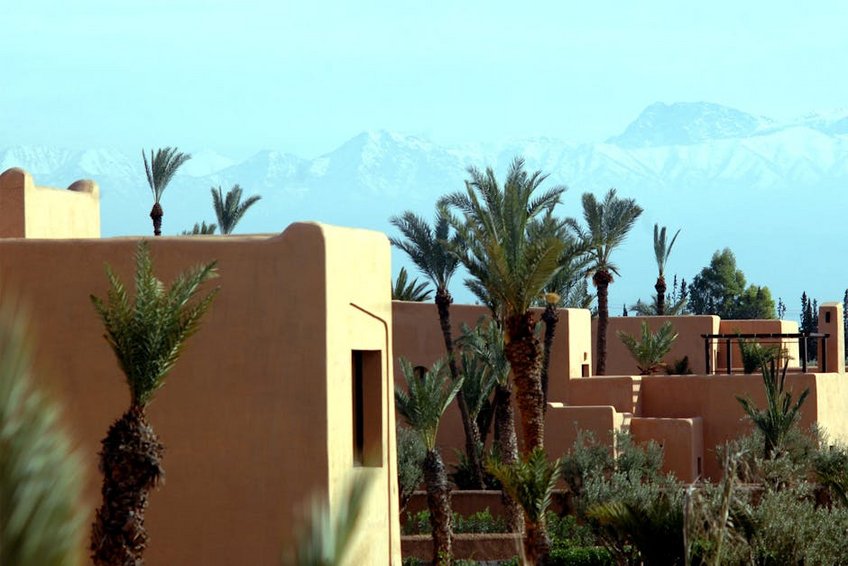
- The Palmeraie: A vast palm grove on the northern outskirts, home to luxury resorts, golf courses, and upscale villas, offering a secluded retreat from the urban buzz.
- Budget Traveler ($40-70/day): Stay in a basic riad or hostel dorm in the medina. Eat street food and at local cafés for most meals. Use local buses and walk extensively. Focus on free sights like the medina lanes and Jemaa el-Fnaa.
- Mid-Range Traveler ($100-200/day): Enjoy a beautiful, centrally-located riad with a pool. Dine at a mix of good local restaurants and nicer international spots. Take occasional petit taxis and book a few guided tours, like a souk or history walk.
- Luxury Traveler ($300+/day): Stay in a five-star palace hotel in the Palmeraie or a luxury boutique riad. Dine at award-winning restaurants like Le Jardin or Nomad. Arrange private guides and drivers for all excursions. Include spa treatments and premium experiences like hot air ballooning.
- Moroccan National Tourist Office (ONMT)
- Lonely Planet Marrakech Guide
- UNESCO: Medina of Marrakech
Key Cultural Norms
Respecting local customs smooths your interactions and shows appreciation for your host culture. Morocco is a conservative Muslim country, and while Marrakech is accustomed to tourists, mindful behavior is expected.
Dress modestly, particularly when visiting religious sites like the Koutoubia Mosque. Shoulders and knees should be covered for both men and women. Public displays of affection are frowned upon. Always ask permission before photographing people, especially in the souks. A simple smile and a polite “Salam Alaikum” (peace be upon you) go a long way.
Climate and Weather Patterns
Marrakech experiences a semi-arid climate with intense seasonal variations. Summers (June-August) are extremely hot, with average highs soaring to 100°F (38°C) and frequent spikes above 110°F (43°C). This season is best avoided unless you tolerate heat exceptionally well.
Spring (March-May) and autumn (September-November) offer the most pleasant conditions, with daytime temperatures between 70-85°F (21-29°C) and cool evenings. Winter (December-February) brings crisp, sunny days around 65°F (18°C) but temperatures can drop near freezing at night, requiring warm layers.
Alt: “marrakech-jemaa-elfnaa-square-sunset-food-stalls”
Marrakech Travel Guide – Planning Your Trip
Crafting a successful visit to the Red City hinges on thoughtful preparation and realistic expectations. Your itinerary should balance iconic sightseeing with relaxed immersion, allowing time to get lost in the medina’s alleyways. Booking key accommodations and tours in advance is wise, especially during peak seasons like spring and fall festivals.
Factor in the cultural adjustment period; the first day can be overwhelming. Build in downtime at your riad’s courtyard or a café terrace. This guide recommends focusing on one medina quadrant per day to avoid backtracking and sensory overload. A flexible attitude is your most valuable packing item.
Best Time to Visit Marrakech
The optimal months for a visit are April, May, October, and November. These periods deliver warm, sunny days ideal for exploration and cool, comfortable nights. Crowds are manageable, and prices remain below peak summer rates. Temperatures typically range from 75-85°F (24-29°C) during the day.
June through August is the low season due to scorching heat, though hotel rates plummet. December through February is pleasant but requires packing for cold nights, with daytime highs around 65°F (18°C). The Marrakech Popular Arts Festival in July and the International Film Festival in December are major events that draw crowds.
Budget Planning and Costs
Marrakech offers excellent value across all budgets. Daily expenses vary dramatically based on your accommodation and dining choices.
Essential Preparation Checklist
Pack light, breathable clothing made from natural fibers like cotton or linen, and include a warm layer for winter nights and air-conditioned spaces. Comfortable, closed-toe walking shoes are non-negotiable for the uneven medina paths. Essentials include a power adapter (Type C/E, 220V), a reusable water bottle with a filter, hand sanitizer, and sun protection.
Ensure your passport is valid for at least six months beyond your departure date. US and EU citizens do not need a visa for stays under 90 days. Purchase comprehensive travel insurance that covers medical evacuation. Book your first night’s accommodation in advance and arrange an airport transfer to avoid initial hassles.
Top Attractions and Cultural Experiences
The city’s magic lies in the contrast between its majestic historical sites and its vibrant, living street culture. Allocate time for both structured visits and spontaneous wandering. Major monuments like the Bahia Palace showcase exquisite craftsmanship, while the ever-changing spectacle of Jemaa el-Fnaa offers raw, unfiltered local life. Purchasing a combined ticket for several monuments can save time and money.
Remember that many sites are closed for prayer on Friday mornings. Start your days early to beat both the heat and the tour groups at popular spots. Hiring a certified local guide for a half-day to understand the medina’s layout and history is a worthwhile investment for first-time visitors.
Must-See Historic Highlights
The Koutoubia Mosque, with its 77-meter minaret, is the city’s iconic landmark and non-Muslims can admire its exterior gardens. The Bahia Palace, a 19th-century masterpiece, features stunning mosaic work, carved cedar ceilings, and peaceful courtyards built to capture the cool air. Plan to spend at least 90 minutes here exploring its two-acre grounds.
The Saadian Tombs, sealed for centuries and rediscovered in 1917, contain the ornate mausoleums of Sultan Ahmed al-Mansour’s family. The Ben Youssef Madrasa, once North Africa’s largest Islamic college, is renowned for its breathtaking central courtyard and intricate stucco and zellij tilework. Entry is around $7 USD.
Hidden Gems and Local Favorites
Venture beyond the main routes to discover the city’s quieter soul. The Musée de Marrakech, housed in the Dar Menebhi Palace, is often overlooked but features beautiful architecture alongside contemporary art exhibitions. The tranquil Le Jardin Secret, a recently restored riad garden, offers a quiet respite with its exotic and Islamic garden split.
For a truly local experience, visit the Henna Art Café, where you can get natural henna applied in a relaxed, female-friendly environment while sipping tea. The Dar Cherifa cultural centre in a 16th-century riad hosts literary evenings and art exhibits, providing a glimpse into the city’s intellectual scene.
Navigating the Souks
The medina’s souks are a vast, covered network of specialized alleyways. Each section focuses on a specific craft: the dyers’ souk, the leather souk, the metalworkers’ souk, and the famed spice square. Your first visit will feel overwhelming, so embrace getting lost as part of the fun.
Bargaining is expected and part of the cultural transaction. Start by offering about one-third of the initial asking price and negotiate politely with a smile. Be prepared to walk away if the price isn’t right. For higher-value items like rugs or lamps, consider visiting a fixed-price cooperative like the Ensemble Artisanal for quality assurance.
Practical Travel Logistics and Accommodation
Moving around the city efficiently requires understanding the local transport ecosystem. While the medina is pedestrian-only, connecting between districts relies on taxis or occasional buses. Always agree on a taxi fare before getting in, as meters are rarely used. A short ride within the city center should cost 20-30 MAD ($2-3 USD).
Accommodation defines your experience. Riads (traditional houses with interior courtyards) in the medina offer atmospheric immersion but can be hard to find initially. Hotels in Gueliz provide modern convenience and easier access, while Palmeraie resorts offer luxury and seclusion at the cost of being farther from the action.
| Accommodation Type | Best For / Features | Nightly Price Range (USD) |
|---|---|---|
| Medina Riad | Authentic atmosphere, central location, personalized service, often includes breakfast. | $80 – $300+ |
| Gueliz Hotel | Modern amenities, pool, restaurants, easy taxi access, proximity to modern shops. | $100 – $250 |
| Palmeraie Resort | Luxury, expansive grounds, golf, spa facilities, pools, tranquil retreat setting. | $250 – $600+ |
| Budget Guesthouse/Hostel | Solo travelers, social atmosphere, basic but clean rooms, very low cost. | $20 – $60 |