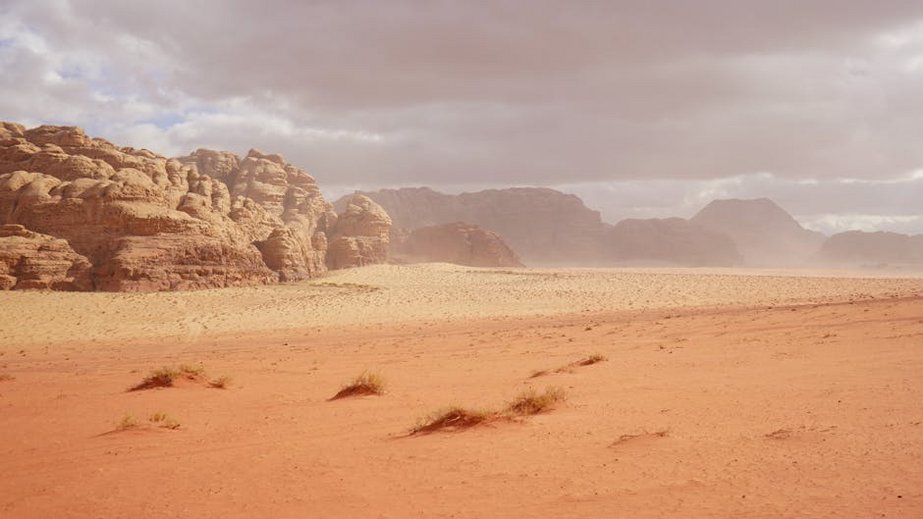
Jordan Wadi Rum Spring Hiking Adventure
Spring transforms Jordan’s Wadi Rum into the perfect landscape for an unforgettable hiking expedition. This season offers mild daytime temperatures between 70-85°F (21-29°C) and cool nights, creating ideal conditions for exploring the vast red desert. Your Jordan Wadi Rum Spring Hiking journey connects you with ancient Bedouin culture, dramatic rock formations, and star-filled skies.
Essential Wadi Rum Information
Wadi Rum, also known as the Valley of the Moon, is a UNESCO World Heritage site spanning 720 square kilometers in southern Jordan. The protected area features sandstone mountains, narrow canyons, and ancient rock inscriptions dating back thousands of years. This desert landscape served as the filming location for major Hollywood movies, adding to its global allure.
The Bedouin communities have inhabited this region for centuries, maintaining semi-nomadic traditions tied to the harsh desert environment. Spring brings a brief bloom of wildflowers, contrasting beautifully with the rust-colored sands. Visitors experience a profound sense of isolation and connection to nature rarely found elsewhere.
What Makes Spring Hiking Special
Spring conditions provide the optimal balance for desert exploration, unlike other seasons.
- Daytime temperatures are comfortable for long treks without the extreme heat of summer, which often exceeds 100°F (38°C).
- Clear skies offer unparalleled stargazing opportunities, with the Milky Way visible to the naked eye on moonless nights.
- The occasional wildflower bloom adds patches of green and color to the iconic red and orange desert palette.
- Budget tours ($80-100/day) include guided day hikes, communal tent camping, simple meals, and basic transportation from Rum Village. You’ll share facilities with other travelers and carry your own day pack.
- Mid-range options ($120-150/day) feature private guided hikes, stays at comfortable permanent Bedouin camps with proper beds, better meals, and dedicated 4×4 support. This offers the best value for most hiking enthusiasts.
- Luxury experiences ($200-300/day) provide exclusive guiding, stays at high-end desert camps like Memories Aicha Luxury Camp, gourmet dining, and additional activities like hot air balloon rides at sunrise.
- Jordan Tourism Board Official Site
- Wadi Rum Protected Area Information
Key Terrain and Landscape Features
The Wadi Rum desert consists primarily of massive granite and sandstone mountains rising from valley floors. Jebel Um Ishrin, the area’s highest peak, reaches 1,840 meters (6,037 feet) and presents a challenging multi-day climb. Narrow slot canyons, natural rock bridges, and ancient water catchments carved by infrequent rains define the hiking routes.
Navigating this terrain requires attention to changing sand conditions and rock stability. The soft sand in the valleys can make walking strenuous, while the rocky mountain paths demand good footwear. Always hike with a knowledgeable local guide who understands the subtle desert trail markers.
Historical and Cultural Significance
Wadi Rum’s human history spans over 12,000 years, evidenced by numerous Thamudic and Nabataean rock carvings. These inscriptions depict animals, hunting scenes, and ancient scripts, providing a direct link to past civilizations. The area gained modern fame through T.E. Lawrence’s exploits during the Arab Revolt, as described in “Seven Pillars of Wisdom.”
The Bedouin people continue their traditional lifestyle, offering genuine hospitality to visitors. Respecting their customs, such as accepting sweet tea when offered, is an important part of the cultural exchange. This living heritage turns a simple hike into a meaningful cultural journey.
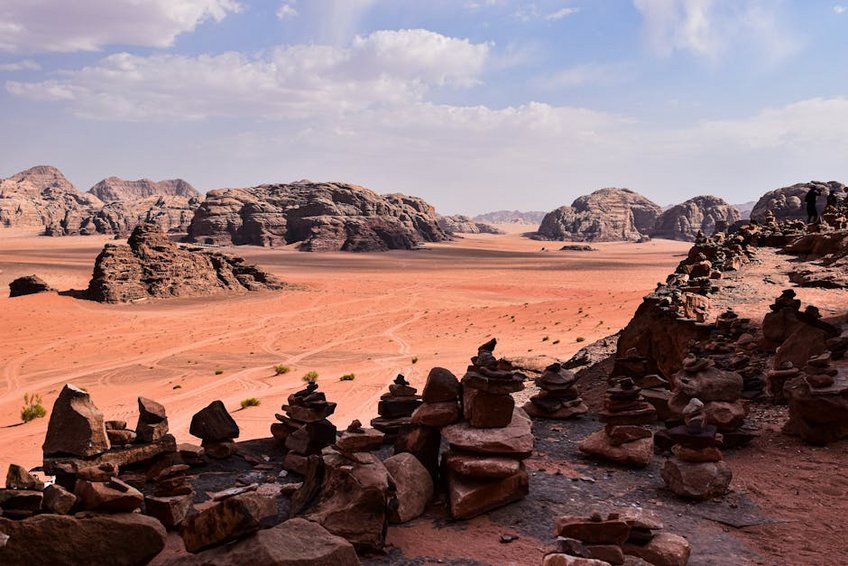
Alt: “wadi-rum-spring-desert-hiking-red-sandstone-mountains”
Jordan Wadi Rum Spring Hiking – Planning Your Trip
Successful desert exploration requires careful preparation focused on timing, logistics, and physical readiness. Your Wadi Rum hiking itinerary should balance ambition with the realities of the desert environment. Spring visits between March and May provide the most reliable weather window for extended treks.
Independent hiking is not permitted within the protected area; you must be accompanied by a licensed Bedouin guide. This regulation ensures visitor safety and supports the local community. Guides arrange all necessary permits, 4×4 transfers to trailheads, and overnight camping logistics.
Budget approximately $80-150 USD per person per day for a guided hiking experience, including meals, water, and basic camping. This investment covers expert navigation, cultural insight, and access to remote areas unreachable without local knowledge. More luxurious tours with private showers and gourmet meals cost upwards of $250 daily.
Best Time to Visit Wadi Rum for Hiking
The prime hiking season runs from early March through late May, when daytime highs range from 75-85°F (24-29°C) and nighttime lows dip to 50-60°F (10-16°C). Early March sometimes brings brief rain showers, which can make the sand firmer for walking. Late May begins the transition to hotter summer conditions.
Shoulder seasons in February and November offer cooler days, 60-70°F (16-21°C), but require warmer gear for chilly nights that can drop near freezing. The summer months from June to August are generally too hot for serious hiking, with temperatures regularly exceeding 100°F (38°C) in the sun.
Budget Planning and Costs
Your total cost depends on tour duration, group size, and accommodation comfort level.
Essential Preparation Checklist
Pack strategically for desert conditions: sturdy hiking boots with ankle support, moisture-wicking clothing, a wide-brimmed hat, and high-SPF sunscreen are non-negotiable. Bring a quality headlamp for nighttime, a refillable water bladder (3-liter capacity), and broken-in footwear to prevent blisters on sandy trails.
Secure a Jordan Pass online before arrival ($99-113 USD) to cover your tourist visa and entry to Petra and other sites. Book your guided hiking tour at least one month in advance for spring dates. Arrange travel insurance that covers emergency evacuation from remote desert locations.
Top Attractions and Hiking Routes
Wadi Rum offers diverse hiking experiences, from gentle valley walks to challenging mountain ascents. The most popular routes connect major geological formations with historical sites and panoramic viewpoints. Each trail reveals a different aspect of the desert’s stark beauty and ancient heritage.
Guides tailor routes based on your fitness level and interests, often incorporating rock scrambling, canyon navigation, and dune climbing. Multi-day treks allow you to reach more remote areas like the remote Jebel Khazali canyon or the stunning Burdah Rock Bridge. These extended journeys provide a deeper sense of desert immersion.
Must-See Highlights
Lawrence’s Spring is a natural water source made famous by T.E. Lawrence’s writings, featuring ancient rock carvings and shade-providing palms. Visit in the early morning to avoid crowds and enjoy the soft light on the surrounding cliffs. The short hike up offers excellent views across the central valley.
The Seven Pillars of Wisdom rock formation, named after Lawrence’s book, presents a spectacular sunrise photography opportunity. Nearby, the Anfashieh inscriptions display well-preserved Nabataean petroglyphs of camels and hunters. These sites cluster conveniently for a half-day hiking circuit from the main visitor center area.
Jebel Burdah, home to one of the world’s largest natural rock arches, requires a moderately challenging 3-4 hour hike with some scrambling. The arch spans over 80 meters and creates a dramatic frame for photography. Attempt this hike with a guide who knows the safest route to the viewpoint.
Hidden Gems and Local Favorites
Um Fruth Rock Bridge, smaller and more accessible than Burdah, offers a thrilling short climb with rewarding views without a full-day commitment. Local guides know the precise footholds for a safe ascent. This spot receives fewer visitors than the more famous bridges, providing a more intimate experience.
The red sand dunes near Jebel Umm Ulaydiyya provide excellent sunrise views and fun descents. Few organized tours come here, so you’ll likely have the area to yourself. The contrasting colors of red sand against blue sky create spectacular photographic compositions, especially in the golden hour light.
For a unique cultural encounter, some guides can arrange a visit to a traditional Bedouin family tent away from the tourist camps. These authentic experiences might include baking bread in the sand or learning about desert survival skills. Always follow your guide’s lead regarding appropriate cultural interactions.
Overnight Desert Camping Experience
Spending a night in the desert is an essential part of the Wadi Rum adventure. Basic camps provide shared goat-hair tents, simple mats, and communal meals cooked over an open fire. The silence and darkness of the desert night, followed by brilliant stars, justify the basic accommodations.
Mid-range permanent camps offer more comfort with proper beds, shared bathroom blocks, and sitting areas. The best camps are situated in scenic locations away from light pollution. Evening entertainment typically involves Bedouin music and storytelling around the central fire before spectacular stargazing begins.
Practical Travel Information
Reaching Wadi Rum requires flying into Jordan’s Queen Alia International Airport (AMM) near Amman. From there, you can take a 4-hour drive south or a domestic flight to Aqaba followed by a 1-hour transfer. Most visitors combine their desert hiking with visits to Petra and the Dead Sea in a comprehensive Jordan itinerary.
Accommodation options range from basic Bedouin camps in the protected area to hotels in Rum Village just outside the reserve boundary. Staying inside the desert provides the most authentic experience and better access to early morning trailheads. Book all desert accommodations as part of your guided hiking package.
| Category | Options/Features | Price Range (USD) |
|---|---|---|
| Desert Camp (Basic) | Shared goat-hair tent, communal meals, basic mats, shared pit toilet | $25-40 per night |
| Desert Camp (Comfort) | Private tent with bed, shared bathroom block, dinner/breakfast, common area | $50-80 per night |
| Desert Camp (Luxury) | Private cabin with ensuite, gourmet meals, sunset viewing deck, guided activities | $120-200+ per night |
| Rum Village Hotel | Standard hotel room, restaurant, WiFi, outside protected area | $40-70 per night |