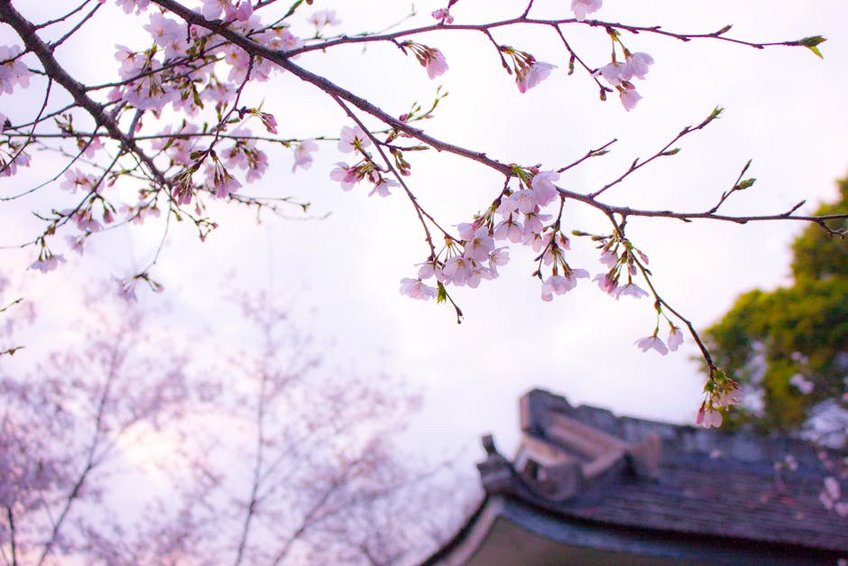
Japan Cherry Blossom Season Guide
Japan’s cherry blossom season is a breathtaking natural spectacle that transforms the entire country. This annual event, known locally as hanami, is far more than just flower viewing; it’s a deeply rooted cultural celebration of spring’s fleeting beauty. This guide provides everything you need to know about timing your visit, finding the best spots, and participating in the traditions that define the sakura experience across Japan.
Essential Hanami Information
The sakura, or cherry blossom, is Japan’s unofficial national flower, symbolizing the beauty and transience of life. The tradition of hanami dates back over a thousand years to the Nara period, initially practiced by aristocrats. Today, it’s a beloved national pastime that draws locals and visitors alike to parks, castles, and riverbanks for festive picnics.
Blooming is intensely weather-dependent, with warm spells accelerating the schedule and cold snaps delaying it. The season moves northward in a “blossom front” from late March to early May. Key factors influencing your trip include precise timing, crowd levels, and understanding regional bloom variations.
Understanding Sakura Varieties
While most famous for the Somei Yoshino variety, Japan boasts over 200 cherry tree species. Each type offers a slightly different aesthetic to your viewing experience.
- Somei Yoshino: The most common variety, featuring pale pink flowers that bloom before the leaves appear, creating iconic cloud-like canopies.
- Shidarezakura (Weeping Cherry): Known for its elegant, cascading branches, often illuminated at night for a dramatic effect in places like Kyoto’s Maruyama Park.
- Yaezakura (Double-Flowered Cherry): These blossoms have more petals, bloom later, and last longer, offering a great option if you miss the main Somei Yoshino peak.
- Budget Trip ($120-$200/day): Stay in business hotels or hostels outside city centers, use regional rail passes wisely, and enjoy convenience store meals or street food from festival stalls. Focus on free viewing spots in public parks.
- Mid-Range Trip ($250-$400/day): This allows for central 3-4 star hotels, a 7-day Japan Rail Pass, a mix of casual and mid-range dining, and entry fees to paid gardens or castle grounds for premium viewing.
- Luxury Trip ($600+/day): Enables stays at ryokan inns with private gardens, private guided hanami tours, kaiseki meals under the blossoms, and chartered transport to multiple remote viewing locations.
- Japan National Tourism Organization (JNTO)
- Japan Meteorological Agency
- JR East Railway Company
The Hanami Tradition and Etiquette
Participating in hanami means more than just looking at trees. It’s a social event centered around appreciation and community. Locals spread blue tarps in parks hours in advance to secure prime spots for family and colleagues.
Respectful etiquette is crucial. Always clean up all your trash, as public bins are scarce. Keep noise levels reasonable in public parks, and never break branches or climb the trees. The experience is about quiet appreciation as much as celebration.
Key Dates and Festivals
Major cities host large festivals coinciding with predicted full bloom. Tokyo’s Ueno Park Cherry Blossom Festival and Kyoto’s Higashiyama Hanatouro illumination event are iconic. These festivals feature food stalls, night illuminations, and traditional performances.
Check official forecasts from the Japan Meteorological Corporation, released in early January. The forecasts are updated weekly and provide the most accurate bloom and full bloom (mankai) predictions for hundreds of locations nationwide.
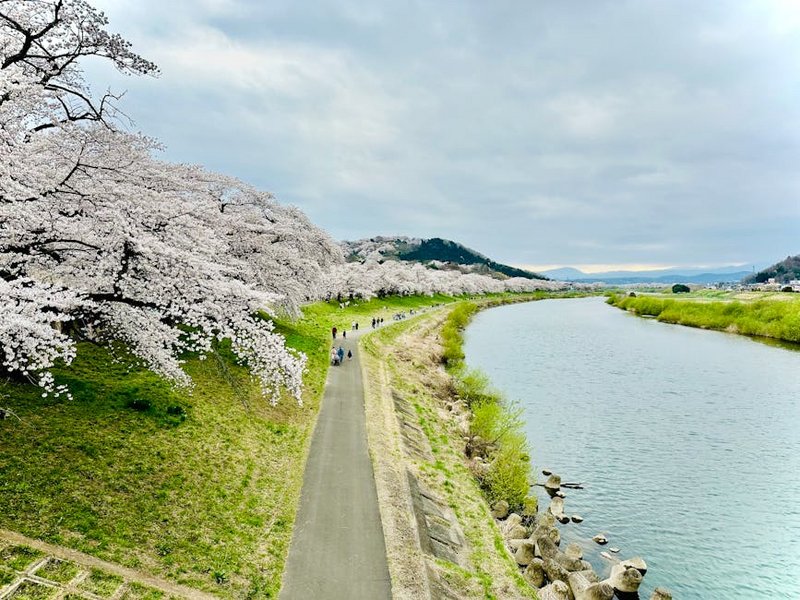
Alt: “tokyo-ueno-park-cherry-blossoms-hanami-picnic-spring”
Japan Cherry Blossom Season – Planning Your Trip
Successfully experiencing the cherry blossoms hinges on meticulous planning due to the season’s popularity and brevity. The window for perfect viewing in any given location is often just 4-7 days. Flexibility in your itinerary is the most valuable asset you can have, as dates can shift by a week based on spring weather patterns.
Accommodation and transport prices surge during this peak period. You’ll face higher rates and limited availability. Booking flights and hotels 6-9 months in advance is not just recommended; it’s essential for securing good options and reasonable prices for your spring visit.
Consider targeting less-famous destinations if your schedule is fixed. Locations like Hirosaki Castle in Aomori or Matsuyama Castle in Shikoku offer spectacular views with slightly thinner crowds than Kyoto’s Philosopher’s Path.
Best Time to Visit Japan for Cherry Blossoms
The peak bloom period generally spans from late March to mid-April for the main cities of Tokyo, Kyoto, and Osaka. In a typical year, Tokyo sees full bloom around March 28-April 5, while Kyoto follows a few days later. Temperatures during this time range from a pleasant 50°F to 65°F (10°C to 18°C).
For earlier blooms in late February, visit subtropical Okinawa. For later blooms into May, head north to Hokkaido, where Sapporo’s trees peak in early May. Shoulder seasons like late February or early May offer fewer crowds but require careful regional targeting to catch blossoms.
Budget Planning and Costs
Spring is a premium travel period. Your budget must account for significant price increases across all categories compared to off-season travel.
Essential Preparation Checklist
Packing correctly enhances comfort during variable spring weather. Essential items include layered clothing, a compact waterproof jacket, comfortable walking shoes, and a portable sitting mat for picnics. A quality camera or smartphone with good low-light capability is key for photography.
Secure your Japan Rail Pass exchange order before departure if applicable. Ensure you have comprehensive travel insurance. Download essential apps: a reliable weather forecast app, Google Maps/Japan Travel by NAVITIME for navigation, and a translation app for seamless communication.
Top Sakura Viewing Locations and Activities
From urban parks to mountain trails, sakura spots cater to every preference. The most famous locations offer stunning beauty but also draw immense crowds, especially on weekends. Arriving early in the morning or visiting on a weekday significantly improves the experience at popular sites like Shinjuku Gyoen.
Beyond static viewing, many activities are themed around the blossoms. Consider taking a traditional rowboat ride on the Meguro River in Tokyo or a scenic train ride on the Sagano Romantic Train in Arashiyama, Kyoto. These experiences provide unique perspectives on the floral landscapes.
Must-See Hanami Highlights
Tokyo – Chidorigafuchi: Renting a rowboat along the moat of the Imperial Palace provides a breathtaking, up-close view of the weeping cherries. Boats rent for about $12 USD per hour, and lines form quickly after opening.
Kyoto – Philosopher’s Path: This two-kilometer stone path follows a canal lined with hundreds of cherry trees. It’s most magical in the early morning light before the crowds arrive, offering a serene walking experience.
Hirosaki Park, Aomori: Often cited as Japan’s best sakura spot, this park features over 2,500 trees, a majestic castle, moats filled with floating petals, and hundreds of illuminated paper lanterns at night.
Hidden Gems and Local Favorites
Venture beyond the capitals to discover equally stunning but less crowded vistas. In Yoshino, Nara Prefecture, thousands of trees blanket entire mountain slopes in a breathtaking display. Access requires a train from Osaka but rewards with a truly majestic, layered view of blossoms.
For a unique urban escape, visit Shinjuku Gyoen National Garden in Tokyo. While popular, its expansive lawns and diverse garden styles (French Formal, English Landscape, Japanese Traditional) allow you to find a quiet corner. The entrance fee of about $5 USD helps manage crowds.
Nighttime Illuminations (Yozakura)
Many parks and castles offer special evening illuminations, transforming the sakura into an ethereal, glowing spectacle. The lighting techniques highlight the blossoms’ delicate forms against the night sky. Popular yozakura spots include Tokyo’s Rikugien Garden and Kyoto’s Nijo Castle.
Check illumination schedules carefully, as they may not run all week or for the entire bloom period. Expect these events to be particularly crowded. Visiting on a Sunday or Monday night often results in a slightly more manageable experience.
Practical Travel Information for Sakura Season
Navigating Japan during its busiest tourist period requires a solid logistical plan. Transportation networks are efficient but packed. Consider using local trains outside of peak commuter hours (7-9 AM, 5-7 PM) for more comfortable travel between cities and viewing spots.
Accommodation options range from western-style hotels to traditional ryokans. Ryokans offer a culturally immersive experience, often with kaiseki dinners and futon bedding, but must be booked far in advance. Many also feature beautiful private gardens.
| Accommodation Type | Best For / Features | Price Range/Night (USD) |
|---|---|---|
| Business Hotel | Solo travelers or couples; compact, clean, central locations near stations. | $100 – $180 |
| Ryokan (Traditional Inn) | Cultural experience; includes dinner & breakfast, often with garden views. | $250 – $600+ |
| Vacation Rental | Families or groups; more space, kitchen facilities, local neighborhood feel. | $150 – $350 |
| Luxury City Hotel | Premium service; concierge help with hanami plans, high-floor city views. | $400 – $800+ |