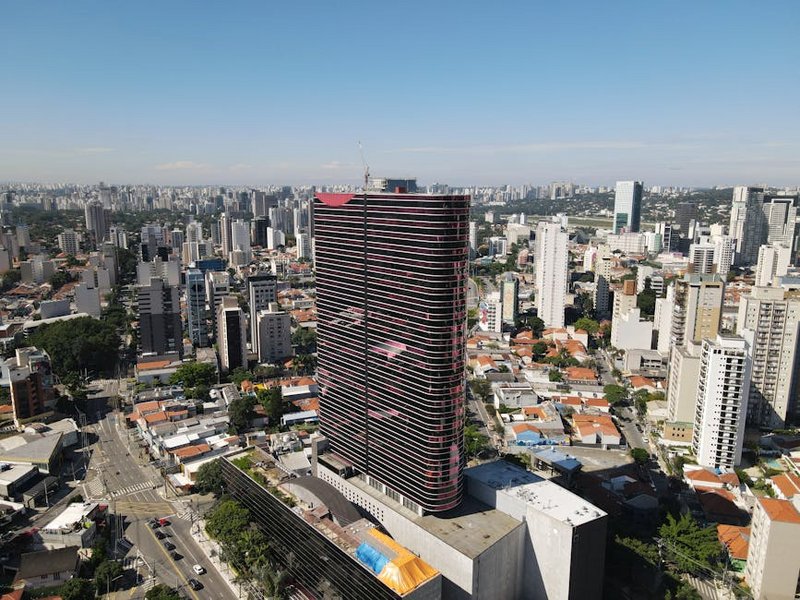
Sao Paulo Travel Guide: Navigating Brazil’s Vibrant Megacity
Exploring Sao Paulo presents an urban adventure through Latin America’s largest metropolitan area, home to over 12 million residents. Your visit uncovers a dynamic blend of global finance, cutting-edge art, and immigrant neighborhoods serving authentic cuisine from Italy to Japan. This guide details essential logistics, cultural hotspots, and local secrets for navigating the sprawling Paulistano landscape effectively.
Essential Sao Paulo Information
Sao Paulo, the capital of Brazil’s most populous state, functions as the nation’s economic and cultural engine. Founded in 1554 by Jesuit priests, its transformation from a small mission village into a global megalopolis defines its intense, fast-paced character. The city’s sheer scale can overwhelm first-time visitors, making strategic planning absolutely critical.
The local currency is the Brazilian Real (BRL), and while credit cards are widely accepted, carrying some cash for smaller markets and taxis is wise. Portuguese is the official language, though you’ll find English spoken in major hotels, upscale restaurants, and tourist districts. Paulistanos are generally friendly and patient with visitors attempting basic Portuguese phrases.
Key Facts at a Glance
Before you dive into planning, here are the fundamental details you need.
- Time Zone: Brasília Standard Time (BRT), which is GMT-3. Sao Paulo does observe daylight saving time periodically, typically from October to February, shifting to GMT-2.
- Best Airport: São Paulo–Guarulhos International Airport (GRU) is the primary international gateway. Congonhas Airport (CGH) handles most domestic and regional flights, located much closer to the city center.
- Getting Around: The city’s extensive metro system is the most efficient way to bypass notorious traffic. Rideshare apps like Uber and 99 are affordable and reliable for reaching areas not serviced by the subway.
- Budget Traveler ($50-80/day): Stay in hostels in Santa Cecília or República, use the metro exclusively, eat at lanchonetes (local snack bars) and padarias (bakeries), and focus on free attractions like street art tours in Beco do Batman and parks. Museum visits are possible on Sundays when many are free.
- Mid-Range Traveler ($100-180/day): This allows for boutique hotels in Vila Madalena, regular use of rideshares, sit-down meals at respected botecos (bars) and mid-range restaurants, and paid entry to key museums like MASP. You can also enjoy a guided tour or a football match at Morumbi Stadium.
- Luxury Traveler ($250+/day): Enjoy five-star hotels in Jardins or Itaim Bibi, private car transfers, degustation menus at top-rated restaurants like D.O.M. or A Casa do Porco, and exclusive guided cultural experiences or helicopter tours over the cityscape.
- São Paulo Tourism Board (SPTuris)
- Wikitravel São Paulo Guide
Understanding the City’s Layout
Sao Paulo isn’t organized around a single downtown core but is a collection of distinct neighborhoods, each with its own identity. Central areas like Centro Histórico house the old financial district and landmark cathedrals, while Jardins represents upscale shopping and dining. Meanwhile, neighborhoods like Vila Madalena offer bohemian art scenes, and Liberdade is the heart of the Japanese diaspora.
Navigating requires thinking in terms of these zones. Traffic congestion is severe, so choosing accommodation near a metro station in a neighborhood aligned with your interests will save hours. The city’s vastness means you cannot see everything in one trip, so focus on two or three key districts per day.
Climate and Weather Patterns
The Brazilian megacity experiences a subtropical climate with distinct wet and dry seasons. Summers (December to March) are warm and humid, with average highs around 82°F (28°C) and frequent afternoon thunderstorms. Winters (June to September) are mild and drier, with temperatures averaging 68°F (20°C) and cooler nights dipping to 55°F (13°C).
Despite the seasons, weather can be unpredictable, and air pollution sometimes creates a haze over the skyline. Packing layers, a compact umbrella, and comfortable walking shoes is non-negotiable for dealing with microclimates and sudden downpours that characterize the local weather.
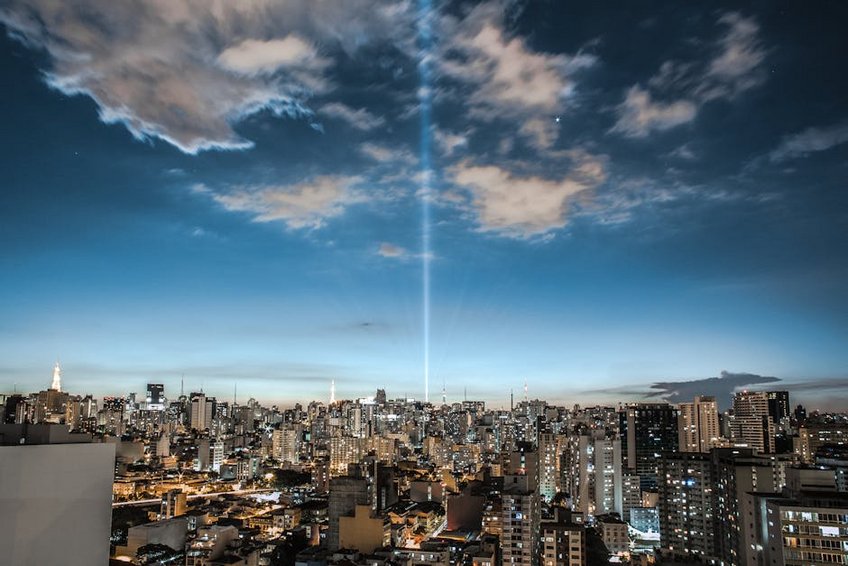
Alt: “sao-paulo-skyline-ibirapuera-park-aerial-view”
Planning Your Sao Paulo Adventure
Organizing a trip to this sprawling metropolis demands a clear strategy to maximize your time. A successful Sao Paulo itinerary balances iconic landmarks with immersive neighborhood exploration, accounting for travel time between districts. Allocate your budget thoughtfully, as costs can vary dramatically between a street food lunch in Liberdade and a haute cuisine dinner in Jardins.
Booking key attractions and popular restaurants a few days in advance is highly recommended, especially on weekends. While spontaneity has its place, having a daily framework for this city of 20 million people prevents logistical headaches. Your experience will be defined by the details you plan and the neighborhoods you choose to prioritize.
Best Time to Visit Sao Paulo
The ideal period for a visit is during the Southern Hemisphere’s autumn or spring. Between April and June, or September and November, you’ll encounter pleasant temperatures ranging from 65°F to 75°F (18°C to 24°C) and lower chances of heavy rain. These shoulder seasons offer a sweet spot between summer humidity and the slightly cooler, busier winter period.
Major events significantly impact crowds and prices. Avoid planning your trip during Carnival (February/March) unless that’s your primary goal, as the city gets packed and rates skyrocket. Similarly, the Formula 1 Grand Prix in November creates a surge in hotel demand. For consistent weather and manageable tourism levels, late April or October are optimal.
Budget Planning and Costs
Daily costs in the Brazilian capital vary widely based on your travel style. Here’s a realistic breakdown for different budgets.
Essential Preparation Checklist
Preparing for the urban intensity of Paulistano life requires specific steps. First, secure a visa if required; citizens of the US, Canada, and Australia need an e-visa for Brazil, which should be applied for at least two weeks before departure. Ensure your passport has at least six months’ validity from your entry date. Travel insurance with strong medical coverage is highly advisable.
Next, inform your bank of your travel plans to avoid card blocks. Download essential apps: Google Maps (with offline areas saved), Uber/99, and a translation app like Google Translate. Pack an international power adapter (Brazil uses Type N plugs, 127/220V) and a portable power bank for long days of navigation and photography.
Top Attractions and Urban Experiences
The cultural offerings in this Brazilian hub are immense, ranging from world-class art to iconic public spaces. Your exploration should mix celebrated institutions with grassroots cultural movements. Start with the anchor attractions to understand the city’s identity, then delve into the vibrant street life that gives each neighborhood its unique pulse.
Allocate time not just for moving between sites, but for observing daily life in a padaria or a bustling market. The city’s energy is an attraction in itself. Remember that many museums are closed on Mondays, and some attractions require advance online ticketing to avoid long queues, especially on weekends.
Must-See Highlights
Several landmarks define the Paulistano experience. The São Paulo Museum of Art (MASP) on Avenida Paulista is iconic for both its brutalist architecture and its formidable collection of Western art. Visit on Tuesday for free entry, and explore the antique market underneath the building on Sundays. Ibirapuera Park, the city’s “Central Park,” is essential for its museums, monuments, and people-watching.
For a taste of the historic center, the São Paulo Cathedral in Praça da Sé showcases impressive neo-Gothic architecture. Nearby, the Municipal Market (Mercadão) is a temple to food, famous for its mortadella sandwiches and exotic fruits. These sites provide a foundational understanding of the city’s artistic, green, and historic dimensions.
Hidden Gems and Local Favorites
Venture beyond the postcard spots to discover the city’s soul. Beco do Batman in Vila Madalena is an ever-evolving open-air gallery of stunning street art, best explored on a weekend morning. For a unique market experience, visit Feira da Liberdade on weekends for Japanese street food and crafts, a testament to the city’s immigrant roots.
Locals love the Sesc cultural centers, particularly Sesc Pompeia, a leisure complex built in a former drum factory with pools, theaters, and art exhibits. For a panoramic view without the price tag of a skybar, head to the terrace of the Edifício Itália’s restaurant during late afternoon for a stunning sunset over the endless urban landscape.
Cultural Immersion and Nightlife
After dark, the city transforms. The Vila Madalena and Pinheiros districts are packed with eclectic bars and live music venues, from samba to indie rock. For authentic samba, seek out a gafieira (traditional dance hall) in neighborhoods like Bixiga. The renowned nightlife along Rua Augusta offers everything from historic bars to cutting-edge electronic clubs.
Cultural immersion also means experiencing a futebol match. Seeing Corinthians at Arena Corinthians, Palmeiras at Allianz Parque, or São Paulo FC at Morumbi Stadium is a breathtaking dive into local passion. Tickets for most matches are easily purchased online in advance, offering an unforgettable spectacle of sport and community.
Practical Travel Information
Navigating the logistics of accommodation and transportation is key to a stress-free stay. The city offers every lodging type, from hostels to luxury chains, but location is paramount. Staying near a metro line, especially the efficient Line 4 (Yellow), provides unparalleled access to major attractions and business districts, saving you from traffic gridlock.
When booking, read recent reviews focusing on noise levels, neighborhood safety at night, and proximity to public transit. Many charming boutique hotels are located in quieter streets just off major avenues, offering the best of both worlds. Booking platforms often list properties in Portuguese; using translation tools can help you understand the full description and amenities.
| Accommodation Type | Best Neighborhoods & Features | Average Price Range (USD) |
|---|---|---|
| Luxury Hotels | Jardins, Itaim Bibi. Rooftop pools, fine dining, concierge services. | $200 – $500+ per night |
| Boutique Hotels | Vila Madalena, Pinheiros. Unique design, local art, curated breakfasts. | $100 – $250 per night |
| Business Hotels | Paulista Avenue, Brooklin. Conference facilities, central location. | $120 – $300 per night |
| Hostels & Budget | Santa Cecília, República. Social atmosphere, basic amenities, metro access. | $20 – $60 per night |