Nature Parks in Australia: Your Ultimate Guide to the Outback and Beyond
Exploring nature parks in Australia offers an immersion into some of the planet’s most ancient and diverse landscapes. From the iconic red deserts of the Outback to the lush, misty rainforests of the tropics, these protected areas showcase unique wildlife and geological formations found nowhere else. This guide provides detailed planning advice, seasonal insights, and practical tips to help you experience the vast beauty of the Australian bush, coast, and interior.
Understanding Australia’s Protected Lands
Australia’s network of protected areas is vast and varied, managed under different state and federal systems. National parks form the cornerstone, but you’ll also encounter state forests, conservation parks, and Indigenous Protected Areas. Each designation offers a different level of protection and visitor infrastructure, influencing the type of experience you can expect. Understanding this system is the first step to planning a successful trip.
The continent’s geological history, spanning billions of years, has created the dramatic settings for these parks. You can walk through rainforests that date back to the time of Gondwana, stand atop sandstone plateaus sculpted over eons, and snorkel reefs built by living organisms. This incredible diversity means you can have vastly different adventures in different parts of the country, all within the framework of its nature parks.
Key Park Designations Explained
Knowing the difference between park types helps set expectations for facilities and access.
- National Parks: Managed by state or territory governments, these offer the highest level of environmental protection. Facilities range from well-developed visitor centers and campgrounds to remote areas with no services. Entry fees often apply for vehicles.
- State Forests & Conservation Parks: These areas frequently allow for a broader range of activities, including regulated logging or dog walking on leads. They often have fewer facilities than national parks but can be excellent for quieter bushwalking.
- Indigenous Protected Areas (IPAs): Increasingly significant, IPAs are lands where Traditional Owners have entered into an agreement to promote biodiversity. Visitor access varies greatly; some offer cultural tours led by Indigenous rangers, providing a profound connection to Country.
- Budget Traveler ($70-120 USD/day): Focus on free activities like hiking, utilize national park campgrounds ($10-20 USD/night), and prepare your own meals. Rent a campervan for combined transport and accommodation. Limit paid tours to one or two key experiences, like a guided walk.
- Mid-Range Traveler ($150-300 USD/day): Stay in comfortable cabin parks or motels near park entrances ($80-150 USD/night). Rent a standard SUV for better access. Book a mix of self-guided exploration and a few premium guided tours, such as a wildlife-spotting cruise or a 4WD day trip.
- Luxury Traveler ($400+ USD/day): Opt for high-end eco-lodges within or adjacent to parks, like qualia on Hamilton Island or Bamurru Plains near Kakadu. Charter private scenic flights over dramatic landscapes, book exclusive guided safaris with expert naturalists, and dine on gourmet bush-tucker inspired meals.
- Parks Australia (Commonwealth National Parks)
- Tourism Australia Official Site
Unique Australian Flora and Fauna
The isolation of the Australian continent led to the evolution of remarkable species. In eastern nature parks, you’ll encounter eucalyptus forests that are home to koalas and colorful parrots. The understory is often dense with ancient fern species and flowering plants like waratahs and bottlebrushes. Spotting these species in their natural habitat is a highlight of any visit.
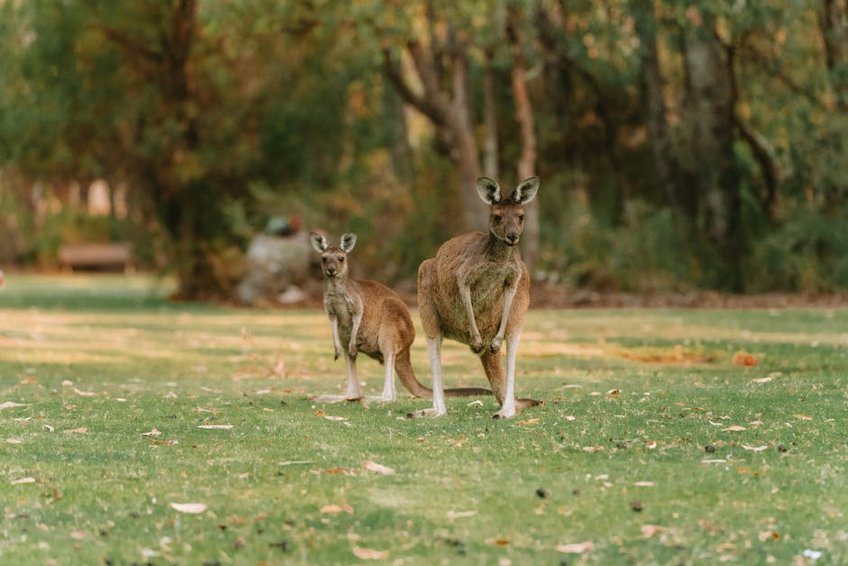
Meanwhile, the arid zone parks of the center and west present a different suite of life adapted to harsh conditions. Look for resilient spinifex grass, desert oaks, and acacias. Wildlife here includes iconic red kangaroos, thorny devils, and flocks of bright pink galahs. Remember, many animals are most active at dawn and dusk, so plan your explorations accordingly.
Climate Zones and What to Expect
Australia’s size means it encompasses several climate zones, dramatically affecting your park experience. The tropical north has a distinct Wet and Dry season, with the Dry (May to October) being the optimal time for visits. The southern regions experience four seasons, with pleasant springs and autumns ideal for hiking. Alpine areas in Victoria and New South Wales have cold, snowy winters suitable for skiing.
The arid interior features extreme temperature swings, with hot days and cold nights, especially in winter. Coastal parks can be visited year-round, though summer brings higher humidity and more rainfall in some areas. Always check local park alerts for fire danger in summer and flood warnings in the tropical wet season.
Alt: “uluru-kata-tjuta-national-park-sunset-red-desert-australia”
Nature Parks in Australia – Planning Your Trip
Organizing a journey to explore nature parks in Australia requires consideration of distances, seasons, and permits. The country is vast, and attempting to see too much can mean spending excessive time driving. Focus on one or two regions per trip, such as the Tropical North Queensland circuit or the Red Centre highlights. This allows for deeper exploration and more time on trails rather than highways.
Budgeting realistically is crucial. While park entry fees are modest (often $10-15 USD per vehicle per day), guided tours, specialized equipment hire, and internal flights can add up. Accommodation near popular parks books out months in advance, especially for school holidays. A well-planned itinerary balances iconic must-see locations with lesser-known gems to escape the crowds.
Your experience level should guide your ambitions. Well-marked trails in places like the Blue Mountains are suitable for most, while multi-day hikes in Tasmania or the Kimberley demand proper preparation and self-sufficiency. Research the difficulty of walks, ensure you have adequate water supplies, and always inform someone of your plans before heading into remote areas.
Best Time to Visit Australian Nature Parks
For most southern parks like the Grampians or Freycinet, the ideal windows are spring (September to November) and autumn (March to May). During these periods, temperatures are mild, ranging from 50-75°F (10-24°C), wildflowers bloom in spring, and autumn foliage can be spectacular. Summer visits are possible but require early starts to avoid the heat and heightened bushfire risk.
For the tropical north, including Daintree and Kakadu, the dry season from May to October is essential. Daytime temperatures hover around 86°F (30°C), humidity is lower, and waterfalls flow while access roads are open. The wet season (November to April) brings monsoonal rains, high humidity, closure of many tracks, and prolific insects, though it also offers dramatic storms and fewer tourists.
Budget Planning and Costs
Your budget will depend heavily on travel style and destinations.
Essential Preparation Checklist
Packing correctly is non-negotiable for comfort and safety. Essential gear includes sturdy, broken-in hiking boots, a wide-brimmed hat, UV-protective clothing, and a high-SPF, water-resistant sunscreen. Always carry more water than you think you’ll need—a rule of thumb is at least one liter per person per hour of hiking in warm weather. A detailed paper map and a power bank for your phone are wise backups.
Documentation is straightforward for most Western passport holders, who need an Electronic Travel Authority (ETA) visa obtained online before arrival. Comprehensive travel insurance that covers emergency evacuation from remote areas is highly recommended. Book major park accommodations and popular guided tours at least three to six months in advance, especially for travel during peak seasons.
Top Australian Nature Parks and Experiences
While iconic sites like Uluru are justifi famous, Australia’s park system holds countless other wonders. The dramatic sea cliffs and koala habitats of the Great Otway National Park in Victoria offer a coastal contrast to the interior. In Western Australia, the Purnululu National Park (the Bungle Bungles) reveals otherworldly striped sandstone domes, best seen from the air or on a guided walk.
For underwater enthusiasts, the marine parks of the Great Barrier Reef and Ningaloo Coast provide world-class snorkeling and diving. On land, the ancient Gondwana Rainforests of Australia World Heritage Area, spanning several parks in Queensland and New South Wales, allow you to walk among living fossils. Each region provides a distinct chapter in the continent’s natural story.
Must-See Highlights
Kakadu National Park (NT): A dual World Heritage site for both natural and cultural values. See ancient Aboriginal rock art at Ubirr, cruise the Yellow Water Billabong for crocodile spotting, and admire towering waterfalls like Jim Jim in the Dry season. The park requires several days to appreciate its scale.
Blue Mountains National Park (NSW): Easily accessible from Sydney, this park features deep sandstone valleys, eucalyptus forests, and famous rock formations like the Three Sisters. Excellent for day hikes, canyoning, and witnessing the blue haze created by evaporating eucalyptus oil. Scenic World offers accessible gondola and railway rides.
Wilsons Promontory National Park (VIC): Known locally as “The Prom,” this coastal park boasts pristine beaches, granite mountains, and abundant wildlife including wombats. The multi-day Southern Circuit walk is a classic, while Squeaky Beach and Tidal River offer easier, stunning day visits.
Hidden Gems and Local Favorites
Venture beyond the classics to find quieter beauty. Ikara-Flinders Ranges National Park in South Australia offers some of the country’s most dramatic outback scenery, with the epic Wilpena Pound formation as its centerpiece. The hiking here, especially the multi-day Heysen Trail sections, is exceptional, with fewer crowds than Uluru.
In Tasmania, Southwest National Park represents true wilderness, accessible mainly by light aircraft or long hiking trails like the famous South Coast Track. For a more accessible secret, Dorrigo National Park in NSW, part of the Gondwana Rainforests, features stunning waterfall circuits and a skywalk through the canopy, often overlooked for more famous northern rainforests.
Adventure Activities Across the Parks
Beyond hiking, national parks are hubs for adventure. In Tasmania’s Franklin-Gordon Wild Rivers National Park, white-water rafting is world-class. In the Northern Territory, Nitmiluk National Park offers canoeing through Katherine Gorge. For rock climbers, the pink granite of the Grampians National Park in Victoria provides countless routes.
Wildlife safaris are a major draw. Night spotting tours in many parks reveal possums, gliders, and quolls. On Kangaroo Island, Flinders Chase National Park is a sanctuary for sea lions, koalas, and the unique KI kangaroo. Always join ethical operators who maintain a respectful distance from animals and follow park guidelines.
Practical Travel and Logistics
Navigating Australia requires a realistic approach to its geography. Domestic flights are often the best way to cover large distances between regions, such as jumping from Sydney to Alice Springs for the Red Centre. Once in a region, a rental car is essential for reaching most parks. Consider a 4WD if planning to explore unpaved tracks in places like Karijini or Cape Range National Park.
Accommodation options within and near parks range from basic campgrounds to luxury lodges. National park campgrounds are often simple, with pit toilets and picnic tables, and require booking online in advance through state park websites. Nearby towns offer motels, B&Bs, and holiday parks with cabin facilities. For remote parks, check if you need to be fully self-sufficient, carrying all food, water, and fuel.
| Accommodation Type | Features & Considerations | Avg. Price Range (USD/night) |
|---|---|---|
| National Park Campground | Basic sites, shared amenities, often no power. Book online via park service. Ideal for self-contained campers. | $10 – $25 |
| Holiday Park Cabin | Private room with beds, shared kitchen & bathroom blocks. Great for road trips, often have pools. | $70 – $120 |
| Motel/Hotel (Park Gateway Town) | Standard private rooms with ensuite. Convenient for early park access. Book well ahead for peak seasons. | $100 – $180 |
| Wilderness Eco-Lodge | Luxury accommodation inside or adjacent to park. Includes guided activities, gourmet meals, unique settings. | $400 – $1000+ |