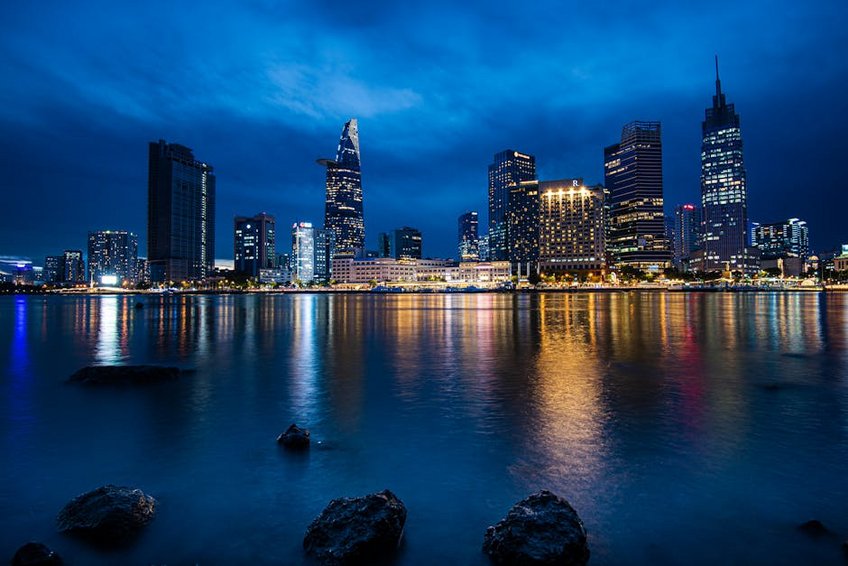
Ho Chi Minh City Travel Guide: Navigating Vietnam’s Dynamic Metropolis
Ho Chi Minh City is a thrilling immersion into Vietnam’s fast-paced present and poignant past, where French colonial architecture stands beside sleek skyscrapers and motorbikes flow like rivers through historic streets. This Ho Chi Minh City travel guide provides the essential blueprint for navigating its distinct districts, from the colonial-era landmarks of District 1 to the local markets of Chinatown, ensuring you experience both the iconic sights and authentic local life. You’ll find practical advice on transportation, cuisine, and cultural etiquette to confidently explore this city of relentless energy and profound history.
Essential Saigon Information
Formerly known as Saigon, Ho Chi Minh City serves as Vietnam’s economic engine and largest urban center, home to over 9 million people. The city’s climate is consistently hot and humid year-round, with average temperatures ranging from 77°F to 95°F (25°C to 35°C), divided into a distinct rainy season from May to November and a drier period from December to April. Understanding the city’s layout is your first step to easy exploration.
Districts are numbered, with District 1 forming the tourist core housing major historical sites, upscale hotels, and the famous Ben Thanh Market. District 3 offers a slightly quieter, more residential feel with excellent local restaurants, while District 5 is the vibrant heart of Cholon, the city’s sprawling Chinatown. The city operates on Indochina Time (ICT), which is UTC+7, and the official currency is the Vietnamese Dong (VND), though US dollars are widely accepted for larger purchases like hotel bills and tours.
Historical Context – War Remnants and Colonial Legacy
Saigon’s 20th-century history is central to its identity, visible at sites like the War Remnants Museum and the Cu Chi Tunnels. The city was the capital of South Vietnam until the Fall of Saigon on April 30, 1975, which marked the end of the Vietnam War. This complex history is presented from a Vietnamese perspective at key museums.
- The War Remnants Museum displays military equipment and powerful photojournalism, offering a sobering look at the war’s impact. Allow at least two hours for a visit, and be prepared for emotionally heavy exhibits.
- Reunification Palace, preserved exactly as it was in 1975, is where a North Vietnamese tank crashed through its gates, symbolizing the war’s end. Guided tours explain its role as the South Vietnamese presidential home and operations center.
- Notre-Dame Cathedral Basilica and the Central Post Office, magnificent examples of French colonial architecture built in the late 19th century, stand as landmarks of the city’s colonial era before independence.
- Budget Traveler ($35-50 USD/day): This covers a bed in a hostel dorm, all meals from street food stalls and local com tam (broken rice) shops, free walking tours, and transport via public buses or walking. You can visit many war history sites and pagodas for very low entry fees.
- Mid-Range Traveler ($80-120 USD/day): This allows for a private room in a 3-star hotel in District 1 or 3, a mix of street food and sit-down restaurant meals, guided half-day tours to the Cu Chi Tunnels or Mekong Delta, and convenient Grab bike or car rides around the city.
- Luxury Traveler ($200+ USD/day): Enjoy 5-star accommodation with river views, gourmet dining at venues like Anan Saigon, private guided tours with expert historians, and spa treatments. This budget also allows for seamless domestic flights to other Vietnamese destinations.
- Vietnam National Administration of Tourism
- Lonely Planet Ho Chi Minh City Guide
Navigating Language and Local Customs
While English is commonly spoken in tourist areas, hotels, and by younger generations, learning a few basic Vietnamese phrases is greatly appreciated. Simple greetings like “Xin chào” (sin chow) for hello and “Cảm ơn” (gam un) for thank you can enhance your interactions. The local people are generally friendly and helpful to visitors.
When visiting temples or pagodas, dress modestly by covering your shoulders and knees. It’s also customary to remove your shoes before entering someone’s home and certain shop interiors. Tipping is not a traditional part of Vietnamese culture but has become more common in tourism; leaving 5-10% at restaurants or a small amount for hotel staff is a generous gesture.
Visa and Entry Requirements
Most travelers, including US, UK, EU, Canadian, and Australian passport holders, require a visa to enter Vietnam. The process has been streamlined with the widespread availability of e-Visas, which are valid for up to 90 days with single or multiple entries. Apply online through the official government portal at least three business days before your trip, as processing times can vary.
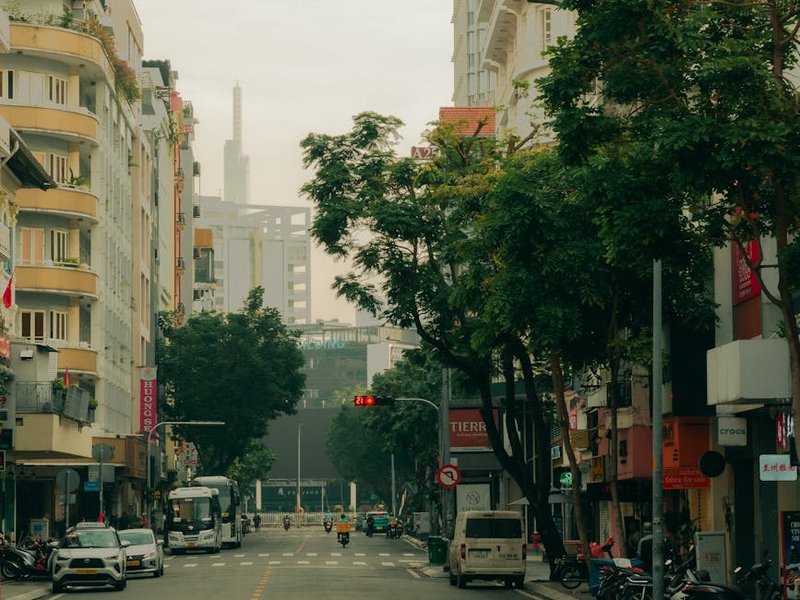
Alt: “ho-chi-minh-city-skyline-district-1-sunset-river-view”
Ho Chi Minh City Travel Guide – Planning Your Trip
Creating a successful itinerary for Vietnam’s largest city involves balancing historical exploration, culinary adventures, and urban navigation. Your Ho Chi Minh City travel guide strategy should account for the intense heat by planning indoor or morning activities, utilizing the efficient ride-hailing apps for transport, and booking key tours in advance. Distances between major sights in District 1 are often walkable, but the infamous traffic makes crossing streets an adventure in itself.
A solid plan accounts for the climate: start your days early to visit outdoor sites like the Notre-Dame Cathedral and Central Post Office before the midday sun peaks. Schedule museum visits, such as the War Remnants Museum or the Fine Arts Museum, for the afternoon. Evenings are perfect for street food tours, rooftop bars, and experiencing the night markets that come alive after dark.
Best Time to Visit Ho Chi Minh City
The ideal time for a visit is during the dry season, which runs from December through April. During these months, you’ll experience lower humidity and minimal rainfall, with average temperatures between 77°F and 95°F (25°C and 35°C). This is peak tourist season, so expect higher hotel rates and more crowds at major attractions, requiring earlier bookings.
The rainy season, from May to November, brings short, intense downpours most afternoons, high humidity, and occasional flooding in some streets. However, this period sees fewer tourists and lower prices. If you visit then, pack a compact umbrella or rain poncho and plan flexible indoor alternatives for the afternoons.
Budget Planning and Costs
Ho Chi Minh City offers excellent value, catering to backpackers and luxury travelers alike. Your daily budget dictates the style of your experience, from street food feasts to fine dining.
Essential Preparation Checklist
Pack lightweight, breathable clothing made from cotton or linen to cope with the heat and humidity. Include a light scarf or shawl for covering shoulders at temples and a pair of comfortable walking shoes you don’t mind getting dirty. A portable power bank is crucial for keeping your phone charged for navigation and ride-hailing apps throughout long days of exploration.
Essential documents include your passport with at least six months’ validity, your Vietnam e-Visa printout, and travel insurance documents. Health-wise, consult your doctor about recommended vaccinations like Hepatitis A and Typhoid. It’s also wise to carry hand sanitizer and avoid drinking tap water; sealed bottled water is widely available and inexpensive.
Top Attractions and Urban Adventures
Saigon’s energy is best absorbed through its mix of solemn historical landmarks and vibrant contemporary spaces. Must-see sites tell the story of 20th-century Vietnam, while immersive experiences connect you with the city’s modern pulse. Allocate at least three full days to experience the core attractions without feeling rushed.
Beyond the major museums and palaces, the city’s charm lies in its everyday scenes: early-morning tai chi sessions in Tao Dan Park, the skilled artisans in hidden alley workshops, and the evening social ritual of gathering at plastic stools on the sidewalk for fresh beer (bia hoi). Balancing scheduled tours with unstructured wandering time leads to the most memorable discoveries.
Must-See Historical Highlights
The War Remnants Museum is a profound and necessary visit, though its graphic exhibits require emotional preparation. Allocate two to three hours to fully absorb the indoor and outdoor displays, which include historical photographs, military vehicles, and replicas of the “tiger cage” prisons. The Cu Chi Tunnels, located about 1.5 hours from the city center, offer a tangible understanding of guerrilla warfare; book a half-day tour that includes transport and a guide.
Reunification Palace (Independence Palace) is a time capsule of 1970s architecture and political history. Join a guided tour to access the basement war rooms, presidential reception areas, and the rooftop where helicopters landed. Notre-Dame Cathedral and the Central Post Office, situated across from each other, are stunning examples of French colonial design and make for excellent photographs, especially in the morning light.
Hidden Gems and Local Favorites
Venture into District 5, Cholon (Chinatown), to explore the bustling Binh Tay Market, which feels less touristy than Ben Thanh. Here, you’ll find everything from dried seafood to traditional herbs. Visit the atmospheric Thien Hau Temple, dedicated to the goddess of the sea, with its intricate ceramic dioramas covering the roof.
For a glimpse of local creative life, seek out the hidden cafes and galleries in the alleys of District 1, like the “Apartment Cafes” on Nguyen Hue Walking Street. The Ho Thi Ky Flower Market operates 24/7 but is most magical late at night or very early in the morning when deliveries arrive, filling the air with incredible fragrances and vibrant color.
Markets and Shopping Experiences
Ben Thanh Market is the iconic covered market for souvenirs, lacquerware, and coffee, but be prepared to haggle vigorously. For a more local and less pressured experience, visit Tan Dinh Market in District 3 for textiles and clothing, or the street market along Ton That Dam for electronics and quirky gadgets. Shopping malls like Vincom Center offer air-conditioned respite and high-end international brands.
Practical Travel Information
Navigating Saigon is an integral part of the adventure. Tan Son Nhat International Airport (SGN) is the primary gateway, located in the city itself, making transfers quick. Upon arrival, the most reliable way to get to your hotel is via a pre-booked private transfer or the official airport taxi queue (use Vinasun or Mai Linh companies). Ride-hailing apps are the modern key to efficient city movement.
Accommodation choices define your experience. District 1 places you within walking distance of major landmarks and nightlife but in the busiest area. District 3 offers a more residential, quieter vibe with excellent local dining, often at better value. For ultra-luxury with panoramic views, consider properties along the Saigon River in District 2 or 7.
| Accommodation Type | Best For / Location Tips | Price Range (USD/Night) |
|---|---|---|
| Hostels & Guesthouses | Backpackers, social travelers; Pham Ngu Lao (Backpacker Street) in D1 | $8 – $20 |
| 3-Star Boutique Hotels | Mid-range comfort, local design; Districts 1 & 3 | $35 – $70 |
| 4-5 Star International Hotels | Luxury, pools, river views; D1 Riverside or D2 | $100 – $300+ |
| Serviced Apartments | Longer stays, families, kitchenettes; D3, D7, Thao Dien (D2) | $50 – $150 |