Belgrade Travel Guide: Exploring Serbia’s Vibrant Capital
Navigating Belgrade requires understanding its complex history and contemporary energy. This guide provides essential details for first-time visitors tackling its blend of Ottoman, Austro-Hungarian, and socialist architecture. We’ll cover the best neighborhoods for stays, seasonal weather patterns, and how to experience the legendary nightlife responsibly.
Essential Belgrade Information
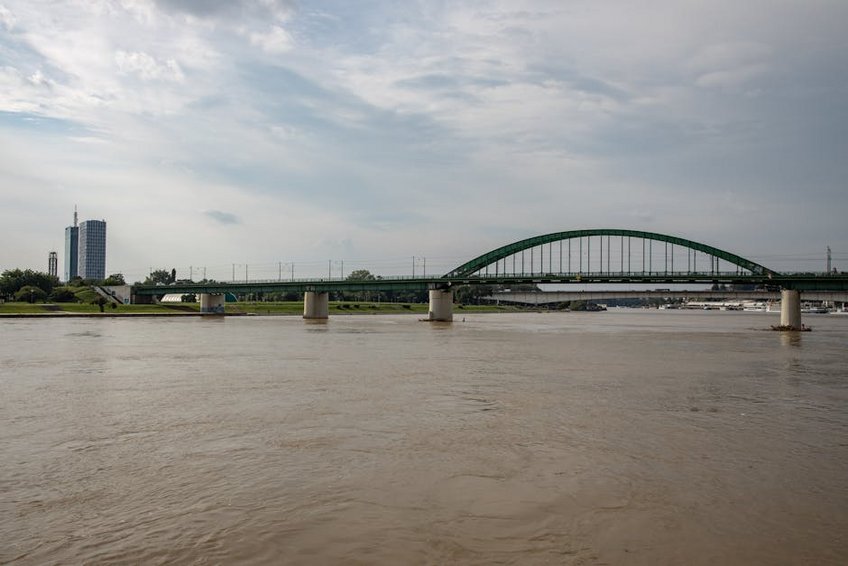
Belgrade serves as Serbia’s political, economic, and cultural heart. The city’s strategic position at the confluence of the Sava and Danube Rivers has shaped its tumultuous past. You’ll notice this history in the architectural layers from Kalemegdan Fortress to New Belgrade’s brutalist blocks.
The local currency is the Serbian Dinar (RSD), though Euros are accepted in many tourist areas. Most travelers from the US, UK, Canada, and EU can visit visa-free for up to 90 days. English is widely spoken by younger generations and within the hospitality sector, easing communication.
Historical Context and Cultural Identity
Belgrade’s spirit is defined by resilience. The city has been destroyed and rebuilt over 40 times throughout its history.
- Kalemegdan Fortress symbolizes this endurance, with structures from Celtic, Roman, Ottoman, and Austrian periods visible within its walls.
- The city’s 20th-century history under Yugoslavia is explored at the Museum of Yugoslavia, which houses Tito’s mausoleum and historical exhibits.
- Modern Belgrade actively reclaims its cultural narrative through street art, riverside clubs, and a thriving café society that debates the past and future.
- Budget travelers can manage on $40-60 USD daily, staying in hostels, eating street food like pljeskavica, and using public transport. Many museums have free admission days, and walking tours operate on a tip basis.
- Mid-range visitors spend $80-120 USD daily for boutique hotels, restaurant meals, taxi trips, and entrance fees to major sites like the Nikola Tesla Museum. This budget allows for guided experiences and nicer dinners.
- Luxury trips cost $150+ USD daily, covering five-star hotels, fine dining at top restaurants, private drivers, and exclusive experiences like wine tours in nearby Fruška Gora. Spa treatments and upscale nightclub tables fit this tier.
- Tourist Organization of Belgrade
- Serbia.com Tourism Portal
Navigating Language and Currency
While Serbian is the official language, you’ll find English menus and signs in the city center and Stari Grad. Learning basic Cyrillic helps with reading street signs and some restaurant menus. However, Latin script is equally common in Belgrade.
Currency exchange is straightforward. Use official exchange offices (menjačnica) rather than hotels for better rates. Credit cards are accepted in most restaurants and shops, but keep dinars for bakeries, taxis, and market purchases. ATMs are widely available.
Climate and Seasonal Variations
Belgrade experiences a continental climate with four distinct seasons. Summers (June-August) are hot, often reaching 86°F (30°C), perfect for riverfront activities. Winters (December-February) are cold and foggy, with temperatures averaging 32°F (0°C) and occasional snow.
Spring and autumn offer the most pleasant weather for sightseeing. Shoulder seasons see fewer tourists and comfortable temperatures between 50-68°F (10-20°C). Always carry an umbrella, as rain is possible year-round.
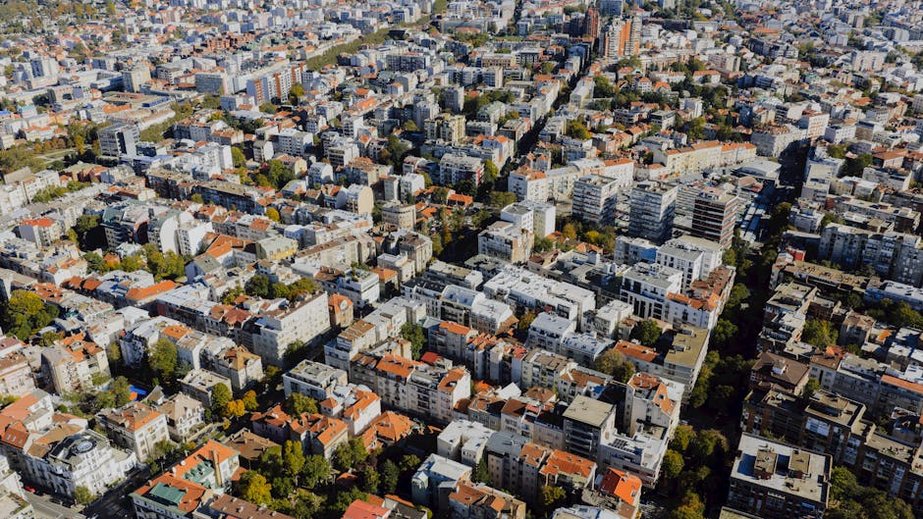
Alt: “kalemegdan-fortress-belgrade-river-confluence-aerial-view”
Belgrade Travel Guide – Planning Your Trip
Crafting your Serbian capital itinerary demands balancing historical sites with contemporary culture. Prioritize location when booking accommodation to minimize transit time between districts. Most major attractions are walkable in the city center, but public transport connects farther points efficiently.
Your budget determines the experience significantly. Belgrade offers exceptional value, with meal costs lower than most European capitals. Allocate funds for a splurge dinner in Skadarlija and a sunset cruise on the Danube. Advance booking is essential for summer visits and major festivals.
Best Time to Visit Belgrade
Visit Belgrade between May-June or September-October for ideal conditions. These months provide mild weather, averaging 65-75°F (18-24°C), perfect for walking tours and café sitting. Major events like the Belgrade Beer Fest in August draw large crowds, so book early.
Winter offers a moody, local experience with Christmas markets and cozy kafanas (taverns). However, some riverfront activities close. July and August can be very hot, with temperatures exceeding 86°F (30°C), though this is peak season for Danube nightlife.
Budget Planning and Costs
Belgrade is highly affordable for Western travelers. Daily costs vary dramatically based on dining and entertainment choices.
Essential Preparation Checklist
Pack comfortable walking shoes for cobblestone streets and layers for variable weather. A power adapter for European Type F sockets (220V) is necessary. Bring a reusable water bottle, as tap water is safe to drink in Belgrade.
Ensure your passport has at least six months validity. While travel insurance isn’t mandatory, it’s highly recommended for medical coverage. Download the Moovit app for public transport routes and Car:Go or Yandex.Taxi for ride-hailing. Learn a few Serbian phrases like “hvala” (thank you).
Top Attractions and Activities
Belgrade’s sights span ancient fortresses, poignant museums, and vibrant urban spaces. Start your exploration at the historic core around Knez Mihailova Street. This pedestrian zone leads directly to Kalemegdan Park and the fortress, offering a perfect introduction.
Dedicate time to understand the city’s recent history through its architecture and memorials. Contrast the grandeur of St. Sava Temple with the alternative vibe of Savamala district. The city rewards visitors who explore beyond the main tourist trail.
Must-See Highlights
Kalemegdan Fortress and Park is the city’s symbolic heart. Walk its ramparts for panoramic views where the Sava meets the Danube. Inside, you’ll find military museums, an Orthodox church, and the iconic Pobednik (Victor) monument. Allow two hours minimum.
Saint Sava Temple dominates the Vračar skyline as one of the largest Orthodox churches globally. Its magnificent marble interior and crypt are awe-inspiring. Entry is free. The Nikola Tesla Museum nearby is a must for science enthusiasts, featuring interactive demonstrations of his inventions.
Skadarlija, Belgrade’s bohemian quarter, preserves a 19th-century atmosphere with cobbled streets and traditional restaurants. Come in the evening for live music and Serbian cuisine. While touristy, it offers an authentic kafana experience with institutions like Tri Šešira.
Hidden Gems and Local Favorites
Explore the Zemun neighborhood, once a separate town. Its Gardoš Tower provides stunning city views, and the riverside fish restaurants (restorani) along Kej Oslobođenja serve excellent fresh carp and catfish. The area feels distinctly different from central Belgrade.
Visit the Museum of Yugoslav History in Dedinje for a deep dive into the socialist era. The House of Flowers contains Josip Broz Tito’s tomb. It’s a fascinating, sobering look at the country’s recent past, located in a peaceful park setting.
For a unique perspective, take a tour of Belgrade’s underground attractions. This includes the Roman Hall, a well-preserved site beneath the National Bank, and the wartime bunkers used during the 1999 NATO bombing. These tours require advance booking.
Belgrade Nightlife and Splavovi
Belgrade’s nightlife is legendary, centered on splavovi (floating river clubs). These barges moored along the Sava and Danube host world-class DJs from spring through autumn. Start your evening in the bars of Savamala before heading to the river.
Different splavovi cater to various music tastes, from techno to turbo-folk. Entry fees vary, and the party often starts after midnight, continuing until dawn. For a more relaxed evening, the trendy Beton Hala complex offers upscale restaurants and bars with fortress views.
Practical Travel Information
Navigating Belgrade is straightforward with a mix of walking, trams, and taxis. The city center (Stari Grad) is very walkable, with most key sites within a 30-minute radius. For longer distances, an efficient public transport network of buses, trams, and trolleybuses operates.
Accommodation options range from hostels to luxury hotels, with Airbnb apartments offering excellent value in neighborhoods like Dorćol. Location significantly impacts your experience, so choose based on your priorities—history, nightlife, or local immersion.
| Accommodation Type | Best Neighborhoods & Features | Price Range (USD per night) |
|---|---|---|
| Budget Hostels | Stari Grad & Studentski Trg: social atmosphere, shared kitchens, walkable locations | $12-25 |
| Mid-Range Hotels | Dorćol & Vračar: boutique style, breakfast included, near cafes and parks | $60-100 |
| Luxury Hotels | City Center & Waterfront: five-star amenities, spa, fine dining, panoramic views | $120-250+ |
| Apartment Rentals | Savamala & Zemun: full kitchens, local living, more space for families/groups | $40-80 |