Vermont Maple Syrup Farms: A Sweet Guide to Springtime Sugaring
Visiting Vermont maple syrup farms provides a delightful journey into the heart of New England’s sweetest tradition during the spring sugaring season. This authentic experience connects you with family-owned operations that have perfected their craft over generations, offering tastings, educational tours, and a firsthand look at sap becoming syrup. Your trip promises scenic drives through snowy woods, the comforting smell of boiling sap, and a deeper appreciation for America’s favorite natural sweetener.
Essential Vermont Maple Heritage
Maple sugaring defines Vermont’s cultural and agricultural identity. Native Americans pioneered the process long before European settlers arrived, using heated stones to evaporate water from sap. Today, Vermont produces nearly half of the United States’ maple syrup, with its specific terroir and strict grading laws ensuring a superior product.
The sugaring season is a fleeting annual event tied directly to weather patterns. It requires a precise freeze-thaw cycle that typically occurs for just four to six weeks between February and April. This creates a narrow, exciting window for visitors to witness the magic.
You will find operations ranging from small, rustic sugar shacks to larger commercial producers. Each offers a unique perspective on the same timeless process. The tradition supports local economies and preserves vast tracts of working forestland across the Green Mountain State.
The Sugaring Process – From Tree to Table
Understanding how sap becomes syrup enriches your farm visit.
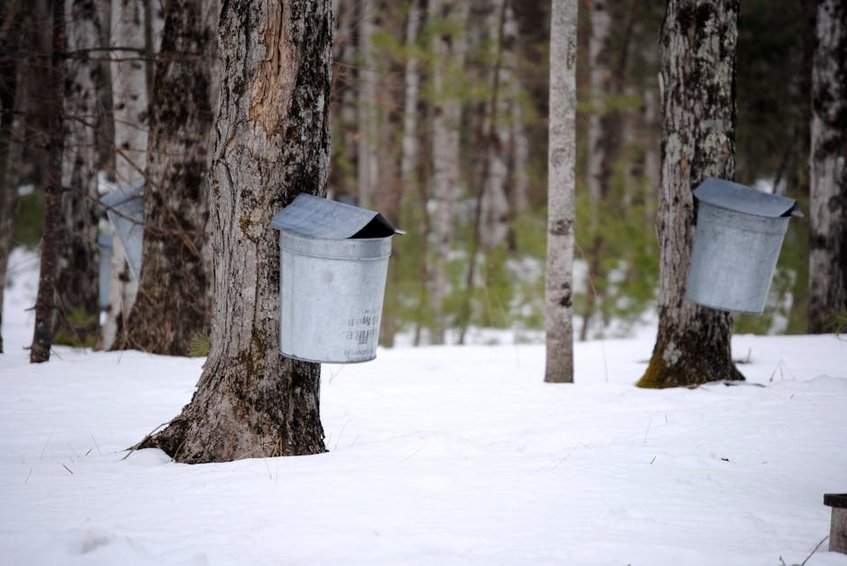
- Sap runs when nighttime temperatures drop below freezing and daytime temps rise above, creating pressure in the sugar maples. Modern tubing systems or traditional buckets collect the clear, watery liquid.
- Boiling occurs in an evaporator inside the sugarhouse, where sap is heated until most of its water content steams away. It takes about 40 gallons of sap to make one gallon of pure maple syrup.
- Finishing involves precise temperature monitoring to reach the correct density, followed by filtering and grading. The final product is then bottled while still hot to ensure sterility.
- Budget travelers can enjoy free farm tours and tastings, focusing on purchasing syrup directly. Expect to spend $50-70 per night for a motel or Airbnb room, plus $15-25 per meal at casual diners. A weekend trip might total $250-350 per person.
- A mid-range trip includes paid tours at larger educational centers ($10-15 per person) and stays at comfortable country inns ($120-180 per night). Dining at farm-to-table restaurants adds $30-50 per dinner. Plan for a total budget of $500-700 for a two-day visit.
- Luxury experiences involve multi-course maple-themed dinners, stays at high-end resorts like Topnotch or Twin Farms ($300-600+ per night), and private guided tours of heritage sugar bushes. Allocate $1,000-1,500+ for a weekend of premium culinary and lodging experiences.
- Vermont Maple Sugar Makers’ Association
- Vermont Agency of Agriculture, Food & Markets
Maple Syrup Grades and Flavors
Vermont uses a universal grading system based on color and flavor intensity. Golden Color with Delicate Taste is the first run of the season, offering a light, mild sweetness. Amber Color with Rich Taste is the classic, versatile grade most common for table use.
Dark Color with Robust Taste has a stronger maple flavor ideal for cooking and baking. Very Dark Color with Strong Taste is the final run, with a hearty, molasses-like character perfect for baked beans and barbecue sauces. Flavor evolves throughout the season as the trees begin to bud.
Key Regions for Sugarhouse Tours
The Northeast Kingdom, including Orleans and Essex counties, is famed for its dense maple forests and high-quality production. Central Vermont, around the Mad River Valley, offers scenic tours with mountain backdrops. Southern Vermont provides easy access from major routes, with many farms near Brattleboro and Bennington.
Alt: “vermont-sugarhouse-wooden-evaporator-boiling-sap-steam”
Vermont Maple Syrup Farms – Planning Your Trip
Your visit to Vermont maple syrup farms requires strategic timing around the unpredictable sugaring season. Aim for a flexible mid-March to mid-April window, checking farm social media for real-time “sap’s running” updates. Book accommodations early, as this is a popular period for leaf-peepers in the fall and holds similar appeal for spring tourism.
Focus your itinerary on a specific region to minimize driving time on potentially muddy back roads. Many producers only welcome visitors on weekends or by appointment during the active boiling season. A successful trip balances scheduled tours with spontaneous stops at roadside sugar shacks selling fresh syrup.
Best Time to Visit Sugarhouses
The peak activity period falls between mid-March and mid-April, when daytime temperatures consistently hit the 40s°F (4-9°C) and nights dip below freezing. This is when you’re most likely to see steam pouring from sugarhouse cupolas and active boiling. Earlier in February, operations may be more limited and weather less predictable.
Visiting in late April risks missing the season’s end, as warmer weather halts the sap flow. For a guaranteed experience with fewer crowds, target the first two weeks of March. Call individual farms ahead of your visit to confirm they are actively boiling sap that day.
Budget Planning and Costs
Planning costs for a sugarhouse tour weekend helps manage expectations.
Essential Preparation Checklist
Pack for variable “mud season” conditions with waterproof boots, layered clothing, and a warm hat. Temperatures swing from 20°F to 50°F (-7°C to 10°C) in a single day. Bring cash for purchasing syrup at small roadside stands that may not accept cards, and coolers to transport your liquid purchases home safely.
Check if your chosen farms require advance reservations for tours, especially for groups. No special visas are needed for U.S. domestic travel. Consider travel insurance if booking non-refundable accommodations far in advance, given the weather-dependent nature of the season.
Top Attractions and Maple Experiences
Beyond watching sap boil, the Vermont maple landscape offers diverse activities. Many farms host pancake breakfasts with fresh syrup, sleigh or wagon rides through the sugarbush, and tree-tapping demonstrations. You can also find producers making maple candy, cream, and even maple-infured beer and spirits.
Driving the backroads during sugaring season is an attraction itself. Look for plumes of steam rising from wooden sugarhouses and hand-painted signs for syrup sales. This is a photogenic time of year with lingering snow, bright blue skies, and the stark beauty of late winter forests.
Must-See Highlights and Sugarhouses
The Vermont Maple Sugar Makers’ Association website lists members open for tours. Morse Farm Maple Sugarworks in Montpelier is a top attraction with a great museum, free tasting, and scenic views. Their eight-generation operation provides a comprehensive overview of the industry’s past and present.
Baird Farm in Chittenden offers a rustic, authentic experience focusing on organic production methods. Shelburne Farms near Burlington combines syrup production with a historic agricultural estate and cheesemaking. Bragg Farm Sugar House in East Montpelier is famous for its maple creemees (soft serve).
Hidden Gems and Local Favorites
Seek out smaller, off-the-beaten-path sugar makers who sell from their barn or garage. These spots often provide the most direct connection to the farmer and the best prices. Look for handwritten signs along Routes 100, 7, and 30, which are classic syrup country byways.
Many towns host Maple Open House Weekends, where multiple farms collaborate on special events. Local general stores, like the Warren Store or the Putney General Store, often carry a curated selection of hyper-local syrups you won’t find elsewhere. Attending a small-town sugar-on-snow supper is a cherished community event.
Maple Festivals and Annual Events
The St. Albans Maple Festival, Vermont’s oldest, celebrates with a parade, craft fair, and cooking contests in late April. The Vermont Maple Festival in Springfield offers similar festivities with a focus on heritage skills. These events are ideal for sampling products from dozens of producers in one location.
Practical Travel Information
Getting around Vermont’s maple country requires a car, as public transportation is limited and farms are spread across rural landscapes. A standard sedan is usually sufficient, though all-wheel drive provides extra confidence on potentially muddy or snowy secondary roads. Book rental cars early, especially if flying into Burlington.
Accommodation options range from chain hotels in larger towns to quintessential bed and breakfasts, rustic cabins, and ski resort lodges operating in their spring “mud season” mode. Staying at a farmstay or inn connected to a working sugarhouse maximizes your immersion in the sugaring lifestyle.
| Accommodation Type | Best For & Features | Price Range (USD/Night) |
|---|---|---|
| Country Inn/B&B | Authentic charm, homemade breakfasts, often near multiple sugarhouses. | $120 – $220 |
| Ski Resort Lodge | Spring discounts, spacious rooms, on-site dining, scenic mountain views. | $100 – $180 |
| Motel/Hotel Chain | Budget convenience, reliable amenities, locations in larger towns like Rutland or St. Johnsbury. | $70 – $130 |
| Farmstay/Cabin | Full immersion, direct access to sugaring operations, rustic seclusion. | $90 – $175 |