Thermal Holiday in Hungary: Rejuvenate in Europe’s Spa Capital
Hungary offers one of Europe’s most accessible and culturally rich wellness experiences through its abundance of geothermal springs. A thermal holiday in Hungary combines therapeutic relaxation with architectural beauty, from Ottoman-era bathhouses in Budapest to modern wellness resorts in the countryside. This guide details everything from historic spa towns and treatment options to practical logistics for planning your restorative getaway, ensuring you maximize both health benefits and cultural immersion during your visit.
Essential Hungarian Spa Culture and History
Hungary’s relationship with thermal waters spans over two millennia, deeply rooted in both Roman and Ottoman traditions. The capital, Budapest, sits atop over 125 thermal springs, earning its title as the “City of Spas.” This geological gift has shaped national culture, making public bathing a cherished social ritual for locals and visitors alike, focused on both health and community.
Therapeutic bathing in this region dates to Roman times, but the most iconic structures were built during the 150-year Ottoman occupation starting in the 16th century. Turkish pashas constructed magnificent bathhouses like the Király and Rudas, featuring classic domed architecture. Subsequent periods, including the Art Nouveau era, added stunning facilities like the Gellért Baths, blending healing traditions with architectural grandeur.
Today, these waters are classified as “medicinal” due to their rich mineral content, including calcium, magnesium, and hydrogen-carbonate. Doctors frequently prescribe specific baths for ailments like joint disorders, circulatory issues, and chronic inflammation. This medical validation, paired with sheer relaxation, forms the dual core of a true Hungarian spa experience.
Understanding Bath Types and Etiquette
Navigating a traditional Hungarian bathhouse involves understanding its layout and customs for a smooth experience. Most large complexes are divided into distinct sections with varying temperatures and functions.
- Thermal Pools: These are the main medicinal pools, often indoor and featuring mineral-rich geothermal water at temperatures ranging from 28°C to 40°C (82°F to 104°F). Bathers typically move between different temperature pools to stimulate circulation.
- Swimming Pools: Larger, cooler pools meant for actual swimming or aquatic exercise, usually maintained at standard pool temperatures around 26°C (79°F). Swim caps are often mandatory in these lanes.
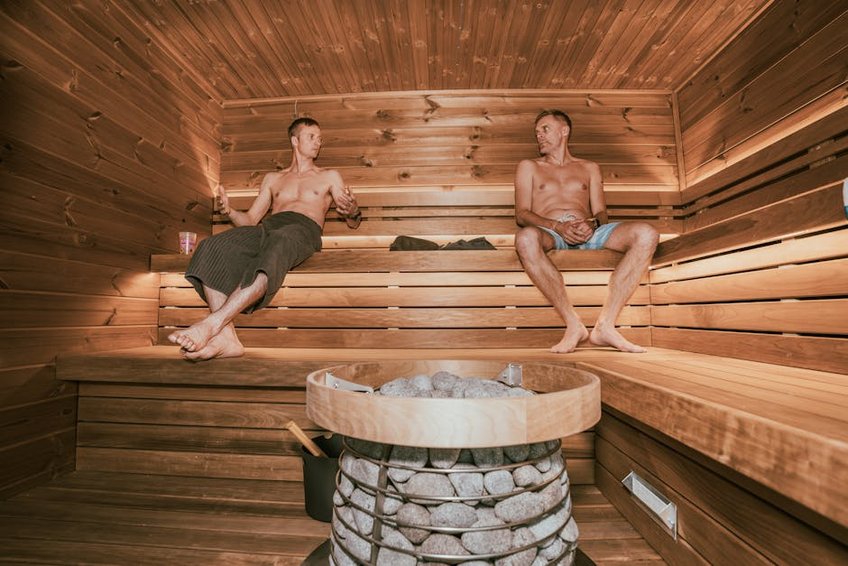
- Wellness Areas: Modern additions include steam rooms, saunas (Finnish and infrared), cold plunge pools, and relaxation rooms. Separate entry fees or time slots may apply for these “worlds of steam.”
- Budget (Under $60/day): Focus on public transportation to city baths, purchasing basic entry passes ($15-20). Stay in hostels or budget apartments, using self-catering for meals. Prioritize free walking tours and relax in the included thermal pools without extra treatments.
- Mid-Range ($100-$200/day): Stay in comfortable hotels near spa complexes. Enjoy daily bath entry, one or two paid treatments like a 30-minute massage ($35-50), and dine at local étkezdes (canteens). Consider regional train trips to nearby towns like Eger for its Turkish bath.
- Luxury ($300+/day): Book all-inclusive packages at premium thermal hotels like the Danubius Health Spa Resort chain. This covers unlimited spa access, daily therapeutic treatments, gourmet half-board meals, and personalized medical consultations. Private transfers and guided cultural tours complete the experience.
- Budapest Official Tourist Information – Spas and Baths
- Hévíz Official Tourism – Therapeutic Offer
Key Health Benefits and Mineral Profiles
The proven health benefits stem from unique mineral compositions found in different regions. Sulfur springs, common in places like Harkány, are particularly effective for psoriasis and rheumatic diseases. Radon-rich waters, found in the Mátra Mountains, are used in controlled therapies for degenerative joint conditions, with effects that can last months after treatment.
Magnesium-rich waters aid muscle relaxation and stress reduction, while calcium-carbonate springs benefit osteoporosis prevention. A typical treatment plan might involve a 20-minute soak in a specific thermal pool, followed by a prescribed period of rest. Most baths offer medical consultation services to help visitors design an effective personal regimen.
Cultural Significance of the Bathhouse
Beyond therapy, Hungarian bathhouses serve as vital social hubs. Locals gather to play chess on floating boards in the pools, engage in lengthy discussions, or simply unwind after work. This transforms a visit from a simple dip into a cultural observation. Respecting this social space means keeping voices moderate and being mindful of shared areas.
Gender norms have evolved; while some historic Turkish baths still have single-sex days or sections, most facilities are now fully mixed. Bringing your own towel, flip-flops, and a lock for the locker is standard practice. Tipping the locker attendant a few hundred Forints (roughly $1-2) is a customary gesture of appreciation.
Alt: “budapest-szechenyi-bath-outdoor-pools-architecture”
Thermal Holiday in Hungary – Planning Your Trip
Organizing a successful thermal retreat requires balancing location, treatment goals, and budget. Your primary decision is choosing between the vast urban bath complexes of Budapest and the specialized wellness hotels scattered across the Hungarian countryside. Budapest provides incredible variety and architectural splendor, while regional spas offer quieter, more intensive therapeutic environments often connected to full-board hotel packages.
Budget planning should account for entry fees, which range from $15-25 for a basic day pass at a city bath to over $150 per night at all-inclusive spa resorts. Booking treatments like massages or mud packs in advance is highly recommended, especially during weekends and peak tourist seasons from May to September and during the winter Christmas markets.
Consider purchasing multi-day passes or city cards like the Budapest Card, which includes entry to some baths. For a dedicated wellness trip, allocate at least five to seven days to experience different springs and allow your body to respond to the treatments. Travel insurance should cover any pre-existing conditions you intend to treat with hydrotherapy.
Best Time to Visit Hungarian Thermal Baths
The ideal period for a thermal holiday spans from late September to November and from March to early June. These shoulder seasons offer pleasant outdoor air temperatures of 10-20°C (50-68°F), perfect for contrasting with warm pools, without the peak summer crowds. Winter, particularly December, is magical for outdoor baths like Széchenyi with steam rising into the cold air, but requires braving temperatures often below freezing.
Summer (July-August) is popular but can be crowded, especially in Budapest. This is the best time for baths with extensive outdoor sections. Regional spas like Hévíz are lovely in early autumn when the surrounding forests change color. Regardless of season, weekdays are always less crowded than weekends at major facilities.
Budget Planning and Costs
Costs vary dramatically based on location and service level. Here’s a tiered overview to help you plan.
Essential Preparation Checklist
Packing correctly enhances comfort and hygiene. Essential items include a sturdy swimsuit (chlorine-resistant), waterproof sandals for walking around wet areas, a microfiber towel for drying off, and a robe if your accommodation doesn’t provide one. A small waterproof bag for your wet gear and a reusable water bottle to stay hydrated between soaks are also crucial.
Documentation should include travel insurance with health coverage and any doctor’s notes regarding conditions you wish to treat. Book key bathhouse entries and popular treatments like the Rudas Baths’ weekend night spa session weeks in advance. Check if your chosen baths require a medical certificate for using certain high-temperature or medicinal pools.
Top Thermal Destinations and Bath Experiences
Hungary’s spa landscape offers incredible diversity, from grand historical monuments to serene lake baths. Budapest is the undisputed epicenter, but venturing beyond reveals unique geothermal treasures. Each location provides a distinct atmosphere and specializes in different water compositions and health benefits.
The country’s most famous thermal lake, Lake Hévíz, is a natural marvel with a constant temperature, while the Art Nouveau splendor of the Gellért Baths offers a different kind of awe. Combining a few of these destinations creates a richly layered thermal journey, blending urban energy with pastoral calm.
Must-See Historic Bathhouses
Budapest’s Széchenyi Baths are the largest medicinal bath complex in Europe, famous for their majestic yellow Neo-Baroque buildings and sprawling outdoor pools where locals play chess. The indoor labyrinth features 18 pools of varying temperatures and a range of saunas. Entry starts at around $22 for a weekday pass with locker access, and it’s busiest in the afternoons.
The Gellért Baths, part of the iconic Gellért Hotel, represent the pinnacle of Art Nouveau design with stained glass, mosaics, and statues. Its thermal pool features a wave machine, and the open-air rooftop pool offers spectacular city views. A day pass with cabin rental costs approximately $25. For an authentic Ottoman experience, the 16th-century Rudas Baths, with its central octagonal pool under a classic dome, is unparalleled, especially during its popular late-night weekend sessions.
Hidden Gems and Regional Spas
Beyond Budapest, the town of Harkány is renowned for its unique, highly sulfuric warm water, exceptionally effective for treating psoriatic and rheumatic diseases. Its modern therapeutic complex is a pilgrimage site for those seeking specific medical relief. Further north, Eger’s Turkish Bath is a beautifully preserved 17th-century facility offering a more intimate, historical setting than the capital’s giants.
For a completely natural experience, head to the Thermal Lake of Bük. This large, landscaped outdoor complex surrounded by parkland is ideal for families and those preferring a resort-style atmosphere over historic interiors. The water park section makes it a hit with children, while the medicinal pools cater to adults seeking therapy.
The Unique Lake Hévíz Experience
Lake Hévíz, near the western shore of Lake Balaton, is the world’s second-largest thermal lake and a biological wonder. Its water is completely replenished every 72 hours from a deep spring, maintaining a temperature between 24°C in winter and 37°C in summer (75°F to 99°F). The lake’s unique flora and bacteria create a special mud used in treatments at the surrounding sanatoriums.
Visitors float among water lilies in the open-air lake, accessing its therapeutic benefits directly from nature. The adjacent Hévíz Treatment Center offers professional medical supervision and a range of mud-pack and physiotherapy services. It’s less than a two-hour drive from Budapest, making it an excellent add-on to a capital-based thermal holiday.
Practical Travel and Accommodation Guide
Navigating Hungary is straightforward, with a well-connected transport network. Budapest’s Liszt Ferenc International Airport (BUD) is the main international gateway, served by numerous carriers from across Europe and North America. From the airport, the 100E express bus provides a direct 30-minute connection to the city center for about $4.
For exploring regional spas, Hungary’s train system is reliable and affordable. Major destinations like Hévíz, Harkány, and Eger are accessible via direct or single-change routes from Budapest’s main stations. Renting a car offers maximum flexibility for visiting multiple countryside spas, with well-maintained highways and clear signage.
| Accommodation Type | Best For / Features | Price Range (USD per night) |
|---|---|---|
| Budget Hostel/Guesthouse | Solo travelers, basic private rooms, often near public baths, shared kitchens. | $25 – $50 |
| Mid-Range City Hotel | Couples & small groups, included breakfast, proximity to major attractions like Széchenyi. | $70 – $130 |
| Thermal Wellness Resort | Dedicated spa-goers, all-inclusive treatment packages, direct pool access, half-board meals. | $150 – $300+ |
| Luxury Historic Hotel | Splurge experiences, iconic locations (e.g., Gellért Hotel), premium spa services, fine dining. | $250 – $500+ |