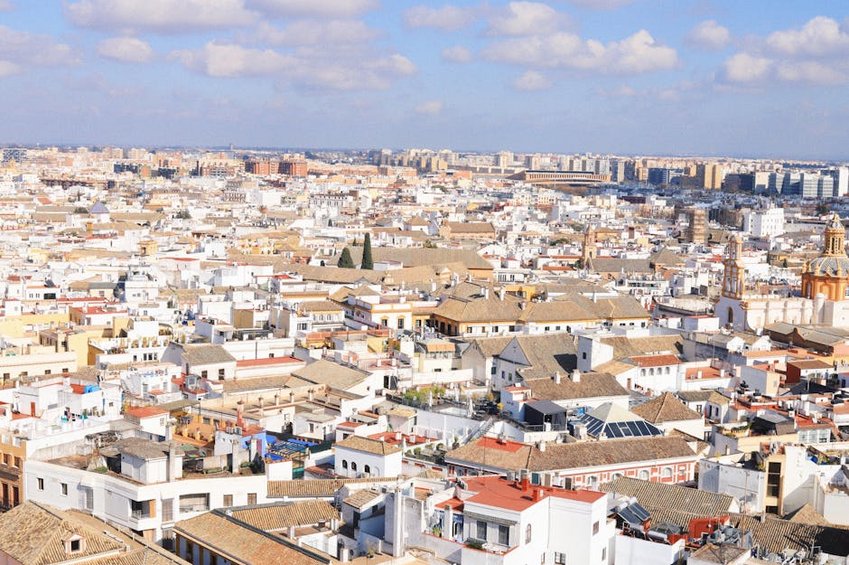
Seville Travel Guide
This Seville travel guide provides the essential roadmap for experiencing the profound beauty and vibrant culture of Andalusia’s capital. You will navigate its UNESCO-listed palaces, lively tapas bars, and passionate flamenco tablaos with the confidence of a well-prepared traveler. We cover detailed itineraries, seasonal timing, budget breakdowns, and local secrets to craft your perfect Spanish journey.
Essential Seville Information
Seville, the capital of Andalusia, is a city built on a grand scale of history and emotion. Its strategic location on the Guadalquivir River made it a crucial port during Spain’s Golden Age of exploration. Today, its historic center is one of the largest in Europe, a labyrinth where Roman, Moorish, and Christian influences visibly layer upon each other.
The city operates on a distinctly Andalusian timetable. Lunch happens between 2:00 PM and 4:00 PM, while dinner rarely starts before 9:00 PM, with many restaurants filling up around 10:30 PM. Major sights often close for a mid-day siesta, typically from 2:00 PM to 5:00 PM, especially during the warmer months. Planning your daily schedule around these rhythms is key to a smooth visit.
Key Historical Context
Understanding these eras helps appreciate the city’s architecture.
- Roman Hispalis: Founded over 2,000 years ago, remnants are visible at the Antiquarium museum beneath the Metropol Parasol.
- Moorish Ishbiliya: The ruling period from the 8th to 13th centuries left an indelible mark, most famously in the Alcázar’s Mudejar palaces and the Giralda tower, originally a minaret.
- Post-Reconquista Golden Age: After 1248, Seville became the hub for New World trade, funding the construction of the massive Cathedral and the Archive of the Indies.
- Budget ($70-100 USD): Dorm bed in a central hostel ($25-35), tapas or menú del día meals ($15-25), public transport/walking ($5), and one paid attraction like the Cathedral ($10). Free activities include exploring Triana, Parque de María Luisa, and Plaza de España.
- Mid-Range ($150-250 USD): Double room in a 3-star boutique hotel in Santa Cruz ($100-140), sit-down meals at respected tapas bars ($40-60), taxi rides between districts ($15), and entry to both the Alcázar and Cathedral with audio guides ($30).
- Luxury ($350+ USD): Five-star hotel or historic palace conversion ($250+), gourmet tasting menus ($100+), private guided tours ($150), and premium flamenco show seating with drink ($50).
- Turismo de Sevilla Official Website
- Official Spain Tourism Board
City Layout and Neighborhoods
The historic center is broadly divided into several walkable districts. Santa Cruz, the former Jewish quarter, is a maze of narrow streets, plazas, and hidden gardens surrounding the Cathedral and Alcázar. It is the most atmospheric area for wandering but also the most crowded with tourists.
Just west, the Arenal neighborhood houses the monumental bullring and the Torre del Oro. Across the river, Triana offers an authentic, working-class vibe famed for its flamenco heritage, ceramic workshops, and bustling market. For more modern shopping and dining, head to the Nervión district south of the center.
Language and Local Customs
While Spanish (Castellano) is universal, you will hear Andalusian Spanish characterized by dropped consonants. Basic greetings like “Hola” (Hello) and “Gracias” (Thank you) are always appreciated. Sevillanos are generally formal; use “usted” (the formal “you”) with older strangers and “buenos días/tardes” (good morning/afternoon) when entering shops.
Tipping is not obligatory but customary. In restaurants, leaving 5-10% of the bill for good service is standard, often just rounding up the total. For taxis, rounding up to the nearest euro is typical. Always check if a “servicio” charge is already included on your bill.
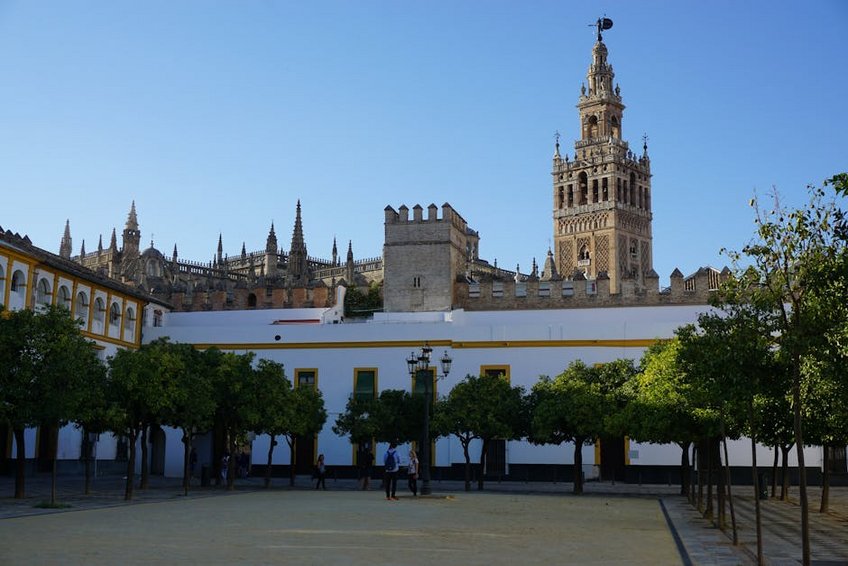
Alt: “seville-cathedral-giralda-tower-sunny-plaza”
Seville Travel Guide – Planning Your Trip
Effective planning transforms a good Seville visit into a great one. Your itinerary must account for seasonality, as summer temperatures can exceed 104°F (40°C), making extensive outdoor sightseeing challenging. Shoulder seasons like April-May and September-October offer ideal conditions. Booking major attractions like the Alcázar weeks in advance is non-negotiable to avoid hours-long queues.
Budget planning requires understanding cost tiers. A budget traveler can manage on $70-100 USD per day by staying in hostels, eating menú del día lunches, and using public transport. Mid-range visitors spending $150-250 USD daily will enjoy boutique hotels, nicer restaurants, and guided tours. Remember, many churches and plazas are free, balancing out paid monument entries.
Best Time to Visit Seville
The absolute best months are April, May, September, and October. Daytime temperatures range from a pleasant 70-85°F (21-29°C) with abundant sunshine. April is particularly magical due to the Feria de Abril, a week-long festival of dance, music, and traditional dress, but requires booking accommodation a year in advance.
Summer (June-August) is intensely hot, with July averages of 97°F (36°C) and frequent peaks above 104°F (40°C). If you visit then, plan indoor activities for midday. Winter (December-February) is mild, with highs around 60°F (16°C), but some hotels lack heating. November and March are excellent shoulder months with fewer crowds and lower prices.
Budget Planning and Costs
Daily costs vary significantly based on style.
Essential Preparation Checklist
Pack for sun and walking. Essentials include robust walking shoes for cobblestones, high-SPF sunscreen, a wide-brimmed hat, and a reusable water bottle. A light scarf or shawl is useful for women to cover shoulders when entering active churches. From March to October, breathable, light-colored clothing is a must.
Secure tickets online for the Royal Alcázar and Cathedral/Giralda at least two weeks ahead, especially for spring visits. EU citizens need only a valid ID card, while US, UK, and Canadian travelers require a passport valid for three months beyond their departure date from the Schengen Area. No visa is needed for tourist stays under 90 days.
Top Attractions and Authentic Activities
Seville’s monuments are not just sights but experiences that tell the story of Spain. The Cathedral, the largest Gothic church in the world, houses the tomb of Christopher Columbus and offers a breathtaking climb up the Giralda ramp. Adjacent, the Royal Alcázar is a stunning palace complex where Islamic, Gothic, Renaissance, and Baroque styles converge in its rooms and gardens.
Beyond the major landmarks, the city’s soul lives in its neighborhoods and traditions. A morning spent getting lost in Santa Cruz, followed by an evening of flamenco in Triana, provides a more complete cultural picture than checking off monuments alone. The riverfront, parks, and markets offer equally compelling, less crowded encounters.
Must-See Highlights
The Plaza de España, built for the 1929 Ibero-American Exposition, is a monumental, semi-circular complex of buildings, bridges, and a canal. It is free to enter and most spectacular in the early morning light. Allocate at least an hour to admire the detailed tile work representing each Spanish province.
The Real Maestranza bullring is one of Spain’s most prestigious. Even non-aficionados will appreciate the history in its museum and the architectural beauty of the arena itself. Guided tours run every 20 minutes. For a panoramic view, visit the Metropol Parasol (“Las Setas”), a modern wooden structure with a rooftop walkway offering 360-degree views of the old city.
Hidden Gems and Local Favorites
For a peaceful escape, visit the Jardines de Murillo, lush gardens bordering the Alcázar walls, or the quieter sections of the Parque de María Luisa. The Hospital de los Venerables in Santa Cruz is a beautifully restored 17th-century hospital with a stunning central courtyard and often hosts excellent art exhibitions with minimal crowds.
Cross the Isabel II Bridge to Triana. Visit the Mercado de Triana, a traditional food market built over the ruins of Castillo de San Jorge. Then, wander Calle Alfarería to see ceramic workshops creating the iconic Triana tiles. This area feels distinctly local, especially in the evening when families gather at tapas bars.
Experiencing Authentic Flamenco
True flamenco is an intense, emotional art form, not just a tourist show. For authentic performances, seek out smaller tablaos in Triana or the Alameda district, like Casa Anselma or La Carbonería (which offers free shows but expects drink purchases). Avoid large, dinner-included shows on the main tourist streets.
A flamenco performance consists of singing (cante), guitar (toque), and dance (baile). The audience participates with shouts of encouragement (“¡olé!”) and rhythmic clapping. Shows typically start late, around 9:30 PM or later. Booking ahead is recommended, though some smaller venues work on a first-come basis.
Practical Travel Information
Navigating Seville is straightforward due to its compact, walkable core. Most major attractions in Santa Cruz, the Cathedral area, and along the river are within a 30-minute walk of each other. For longer distances, the city has an efficient network of trams, buses, and a single metro line, though the latter is less useful for the historic center.
Accommodation spans from historic parador hotels to modern apartments. Staying within or just outside the Santa Cruz neighborhood offers the greatest atmospheric immersion and proximity to key sights. For a more local feel with excellent tapas bars, consider the Macarena or Triana districts, which are slightly further out but well-connected.
| Accommodation Type | Best For / Location Tips | Average Nightly Rate (USD) |
|---|---|---|
| Luxury Historic Hotel | Palace conversions in Santa Cruz; rooftop pools, concierge service. | $250 – $450+ |
| Boutique Hotel | Style-focused stays in Arenal/Macarena; modern design, personalized attention. | $120 – $250 |
| Apartment Rental | Families or longer stays; full kitchens, located in Triana or near Alameda. | $90 – $180 |
| Central Hostel | Solo travelers & groups; social atmosphere, prime Santa Cruz locations. | $25 – $50 (dorm) |