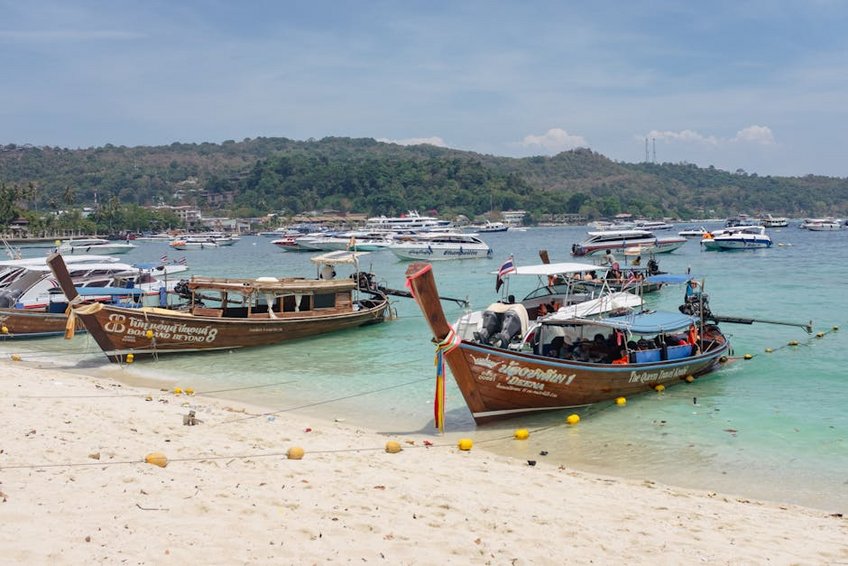
Island Holiday Guide in Thailand
Thailand’s islands offer a legendary tropical getaway, blending powdery beaches with vibrant marine life and rich cultural encounters. Your experience ranges from the full-moon parties of Koh Phangan to the tranquil limestone cliffs of Krabi, all accessible through an efficient network of ferries and domestic flights. This guide provides specific seasonal advice, budget breakdowns in USD, and insider tips to craft your perfect beach vacation across the Andaman Sea and Gulf of Thailand.
Essential Thai Island Information
Thailand’s archipelagoes are divided between two coastlines, each with distinct seasonal patterns. The Andaman Sea side, home to Phuket and the Phi Phi Islands, experiences its best weather from November to April. The Gulf of Thailand, featuring Koh Samui and Koh Tao, has a different peak season, typically from January to August.
Understanding this split is crucial for planning. The monsoon seasons bring heavy rains and rough seas, causing some ferry services to halt and islands to partially close. Western travelers from the US, UK, Canada, and Australia do not need a visa for stays under 30 days when arriving by air, but always verify current entry requirements.
Key Geographic Regions
Your choice of coastline defines your holiday’s weather and vibe.
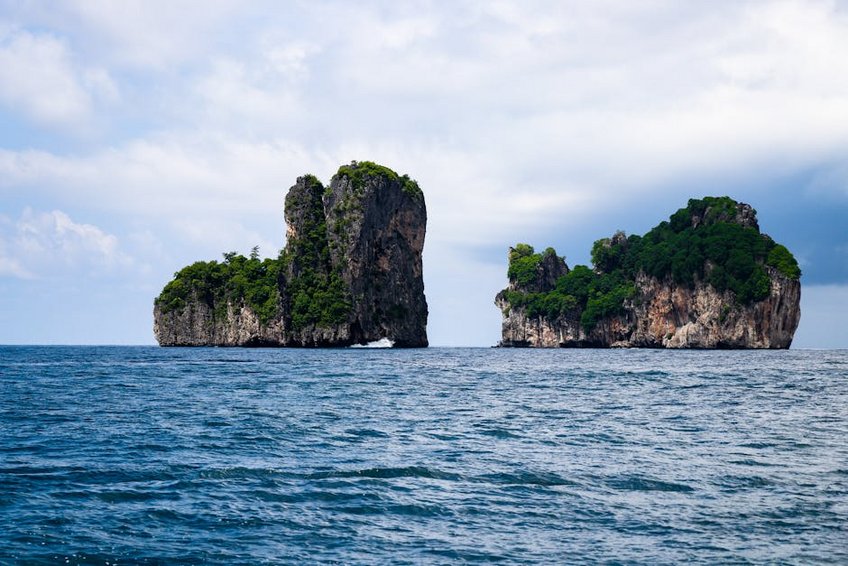
- Andaman Coast (West): Features dramatic limestone karsts and world-class diving sites like the Similan Islands. Major hubs include Phuket, Krabi (for Railay Beach), and Koh Lanta. The high season runs from November to April.
- Gulf Coast (East): Known for gentler seas, palm-fringed bays, and the famous full moon party on Koh Phangan. Key islands are Koh Samui, Koh Phangan, and Koh Tao. Optimal weather is from January to August, with a rainy period around November.
- Lesser-Visited Areas: For a quieter escape, consider the islands near Trang (like Koh Ngai) or the eastern seaboard near Cambodia, such as Koh Chang.
- Budget Traveler ($30-$50 USD/day): This covers dorm accommodation, local food from markets and street stalls, public ferry transport, and free activities like beach time and hiking. You’ll stay in hostels on islands like Koh Lanta or Koh Tao, where diving courses are also relatively affordable.
- Mid-Range Traveler ($80-$150 USD/day): Allows for private air-conditioned bungalows or 3-star hotels, scooter rental, a mix of street food and restaurant meals, and paid tours like snorkeling trips or cooking classes. This is a comfortable range for couples or families on islands like Koh Samui.
- Luxury Traveler ($250+ USD/day): Provides 5-star resort stays with private pools, fine dining, private speedboat transfers, and bespoke experiences like private yacht charters or spa treatments. This tier is readily available in Phuket, Krabi (Railay), and on exclusive private islands.
- Tourism Authority of Thailand
- Lonely Planet Thailand Travel Guide
Cultural Context and Etiquette
Thai culture is deeply respectful and Buddhist principles influence daily life. When visiting temples on islands like Phuket’s Big Buddha or Koh Samui’s Wat Plai Laem, dress modestly by covering shoulders and knees. The monarchy is revered, so always treat images of the King and Queen with the utmost respect.
Social etiquette is important. The traditional Thai greeting, the “wai” (a slight bow with palms pressed together), is appreciated when received from staff. Feet are considered the lowest part of the body, so avoid pointing your soles at people or religious icons. Tipping is not mandatory but is customary for good service; 10-20% in restaurants or 50-100 THB for drivers is standard.
Marine Conservation and Responsible Tourism
Thailand’s coral reefs have faced significant pressure from tourism. Choose snorkel and dive operators committed to eco-friendly practices, such as not anchoring on reefs and providing biodegradable sunscreen. Refrain from touching marine life or riding elephants, as many camps have questionable welfare standards.
Support local economies by eating at family-run restaurants and booking tours through local guides. Plastic pollution is a severe issue, so carry a reusable water bottle; many guesthouses offer refill stations. Your choices directly impact the preservation of these beautiful destinations.
Alt: “thailand-andaman-coast-limestone-cliffs-tropical-beach”
Island Holiday Guide in Thailand – Planning Your Trip
Effective planning for a Thai island adventure requires matching your desired experience with the correct region and season. A beach-centric holiday focused on diving is best on the Andaman coast from December to March, while a mix of relaxation and nightlife in the Gulf thrives from February to June. You must also decide on a single-island deep dive or a multi-island hopping itinerary, which affects your budget and travel pace.
Budget is a primary consideration. Backpacker trails are well-established, but luxury resorts are equally prevalent. Your budget should account for inter-island transport, which can add up, and seasonal price surges of 50-100% during peak months like December and January. Booking key ferry connections and the first few nights’ accommodation in advance is highly recommended, especially for travel between November and April.
Best Time to Visit the Thai Islands
The ideal months for the Andaman Coast islands like Phuket and Koh Phi Phi are November through April. During this period, you can expect daily sunshine, minimal rainfall, and calm seas perfect for sailing and diving. Temperatures range from 77°F to 95°F (25°C to 35°C), with humidity being high but manageable.
For the Gulf Coast islands of Koh Samui and Koh Phangan, the driest and sunniest weather typically runs from January to August. A short rainy season occurs around November, but showers are often brief. The famous Full Moon Party on Koh Phangan happens monthly, regardless of weather, but the experience is best during the drier months. Shoulder seasons (May-June and September-October) can offer lower prices and fewer crowds with generally good conditions.
Budget Planning and Costs
Your daily budget varies dramatically based on travel style and island choice.
Essential Preparation Checklist
Pack light, breathable clothing, a high-SPF waterproof sunscreen, a hat, and mosquito repellent. For footwear, bring sandals and water shoes for rocky beaches. A quality dry bag is essential for boat trips, and a universal power adapter (Thailand uses 220V, Type A/B/C plugs) will keep your devices charged. If you plan to dive, bring your certification card.
Ensure your passport has at least six months’ validity. While no visa is needed for short stays from many Western countries, confirm the latest rules. Purchase comprehensive travel insurance that covers medical evacuation and water sports. Book domestic flights between Bangkok and island hubs (like Samui or Phuket) and your first ferry at least a few weeks in advance for peak season travel.
Top Island Destinations and Activities
Each Thai archipelago presents a unique character. Phuket serves as the bustling gateway to the Andaman Sea, offering extensive infrastructure and nightlife. Conversely, the Trang Islands provide near-deserted beaches and a slower pace. Your activity list should blend relaxation with adventure, from underwater exploration to jungle treks in national parks.
Diving and snorkeling are world-class. The Similan and Surin Islands, accessible from Phuket or Khao Lak, offer some of the planet’s best dive sites from October to May. In the Gulf, Koh Tao remains one of the most affordable places globally to get scuba certified, with vibrant reefs teeming with life year-round.
Must-See Highlights
Phi Phi Leh’s Maya Bay, famous from *The Beach*, has reopened with strict visitor limits to allow reef recovery—visit with a licensed tour operator. Railay Beach in Krabi, accessible only by boat, is a rock-climbing mecca with stunning lagoons and viewpoints. The Ang Thong Marine Park, a pristine archipelago of 42 islands near Koh Samui, is perfect for kayaking and snorkeling day trips.
For cultural sites, Phuket’s Big Buddha offers panoramic island views. The historic Old Town of Phuket showcases beautiful Sino-Portuguese architecture. On Koh Samui, the golden Big Buddha Temple (Wat Phra Yai) and the mystical mummified monk at Wat Khunaram are significant spiritual stops. Entry to most temples is free, though modest donations are welcome.
Hidden Gems and Local Favorites
Venture south from Phuket to the islands of Koh Yao Noi and Koh Yao Yai. These islands offer a glimpse of traditional Muslim fishing village life with breathtaking views of Phang Nga Bay’s limestone towers. Stay in small boutique resorts and explore by bicycle. The pace here is profoundly peaceful compared to its famous neighbor.
On the Gulf side, skip the crowds of Chaweng Beach on Koh Samui and head to the southwestern coast. Areas like Lipa Noi offer serene sunsets and fewer tourists. Explore the secret Buddha Garden (Magic Garden) in the hills, a quirky sculpture garden created by a local farmer. These spots provide a more authentic and tranquil Thai island experience.
Adventure and Water Sports
Beyond diving, the islands are hubs for adventure. Rock climbing on Railay’s limestone cliffs caters to all levels, with stunning ocean backdrops. Sea kayaking through the mangrove forests and hidden lagoons of Ao Thalane in Krabi or the Hong Islands is a serene way to explore. Kite surfing has a growing scene on Koh Phangan’s northern beaches during the winter monsoon winds.
For a unique perspective, try stand-up paddleboarding at sunrise on a calm bay. Many islands, like Koh Lanta, offer ethical wildlife encounters at national parks or sanctuaries focusing on rehabilitation. Always research animal welfare policies before visiting any attraction involving wildlife.
Practical Travel Information
Transport between islands is reliable but requires planning. Major ferry companies like Lomprayah and Seatran connect the main Gulf islands, while in the Andaman, you’ll use a mix of ferry services and long-tail boat transfers. During peak season, book ferry tickets online at least a day or two in advance, especially for popular routes like Phuket to Phi Phi or Samui to Phangan.
Accommodation spans every budget. Agoda and Booking.com are widely used, but for smaller bungalows, direct booking via email or phone can sometimes secure a better rate. Consider your location carefully; a beachfront resort may require a taxi or scooter to reach restaurants and shops, while a town-center hotel offers walkability.
| Accommodation Type | Best For & Features | Average Nightly Price (USD) |
|---|---|---|
| Hostel / Guesthouse | Budget solo travelers, social atmosphere, basic fan rooms, shared facilities | $10 – $25 |
| Beach Bungalow | Couples, rustic charm, direct beach access, often no AC | $30 – $80 |
| Mid-Range Resort | Families & couples, swimming pool, air conditioning, on-site restaurant | $80 – $180 |
| Luxury Villa/Resort | Splurge, privacy, private pool, butler service, spa, fine dining | $250 – $800+ |