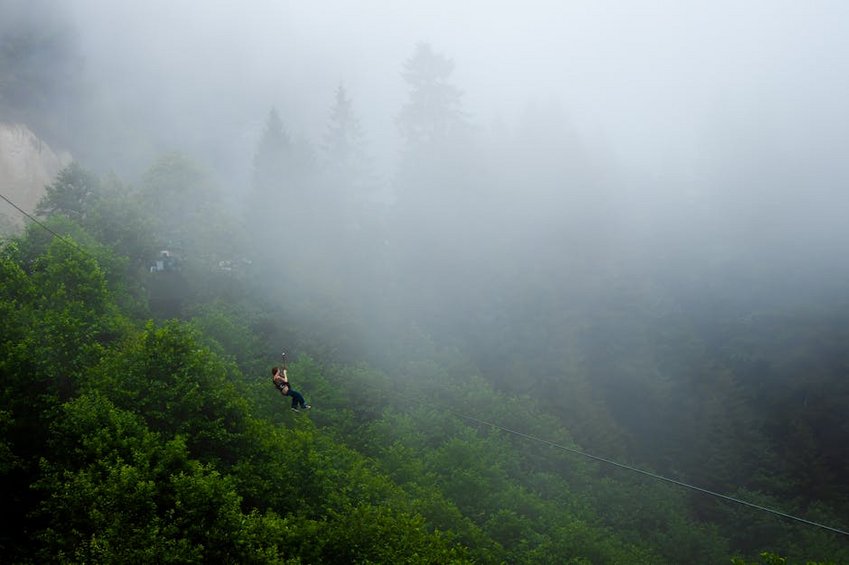
Undiscovered Plateaus in the Black Sea Region
Turkey’s Black Sea Region offers a stunning collection of upland meadows and high-altitude plains that remain largely untouched by mass tourism. These Turkish highlands provide a breathtaking escape into serene landscapes characterized by rolling grasslands, glacial lakes, and traditional yayla culture. This guide covers everything from accessing these remote areas and seasonal timing to experiencing authentic local life and capturing the region’s unique beauty.
Essential Geographic and Cultural Context
The northeastern Black Sea coast of Turkey rises dramatically into the Kaçkar and Pontic Mountains, creating a series of elevated plateaus, or yaylas. Historically, these summer pastures have been vital for transhumance, where herders move livestock to higher ground from May to October. This practice has shaped a distinct highland culture centered around community, animal husbandry, and a deep connection to the land.
Unlike more famous Turkish destinations, these upland areas see very few international visitors. Infrastructure is basic, which preserves their authentic charm but requires more planning from travelers. The climate is notably cooler and wetter than the Mediterranean coast, fostering lush, green vistas that defy typical images of Turkey.
Defining the “Yayla” Experience
A yayla is more than just a meadow; it’s a seasonal settlement and a way of life. Understanding this concept is key to appreciating your visit.
- Seasonal Migration: Families move their livestock—primarily cattle, sheep, and goats—to the yaylas in late spring, living in simple wooden homes or tents until autumn. This centuries-old pattern dictates the rhythm of life and the best times for visitors to experience active communities.
- Community Hubs: Each plateau has a central area often featuring a small mosque, a tea house, and open spaces for gatherings and festivals. These are the best places to observe daily life and interact with locals.
- Natural Bounty: The grasslands are rich with wildflowers, herbs, and berries. The famous Black Sea tea grows at lower elevations, while the highlands produce exceptional honey and dairy products like butter and cheese.
- Budget Traveler ($40-60/day): Rely on dolmuş transport, camp or stay in basic village pensions, eat at local eateries, and focus on free hiking. Costs are for food, basic lodging, and public transport.
- Mid-Range Explorer ($80-120/day): Rent a compact car, stay in comfortable guesthouses on the plateaus with half-board, enjoy restaurant meals, and book occasional guided day hikes. This offers the best balance of comfort and authenticity.
- Comfort & Convenience ($150+/day): Rent a 4×4 SUV, stay at the best-known boutique hotels in areas like Ayder, dine at recommended restaurants, and hire a private guide for multi-day treks and cultural interpretation.
- Turkey Culture Portal
- Lonely Planet – Black Sea Coast Guide
Key Regions and Their Characters
The plateaus are scattered across several provinces, each with a different character. The Kaçkar Mountains in Rize and Artvin offer the most dramatic, alpine-style scenery with peaks over 3,900 meters (12,800 feet). Here, you’ll find plateaus like the stunning Pokut and Sal.
Further west, the plateaus of Trabzon, like the famous Hıdırnebi and Şolma, are more accessible and often forested. The Sinop and Kastamonu regions feature gentler, more rolling highlands that blend into dense pine forests, offering a different, more secluded vibe.
Climate and Weather Patterns
Weather defines the travel window. Summers (July-August) are mild, with daytime temperatures between 15-25°C (59-77°F) but nights can drop to 5-10°C (41-50°F). Afternoon fog and sudden showers are common. The season is short, with snow often lingering into June and returning by October.
This cool, humid climate creates the iconic emerald-green landscapes but demands proper clothing. Waterproof layers, sturdy hiking boots, and warm attire for evenings are non-negotiable, even in peak summer.
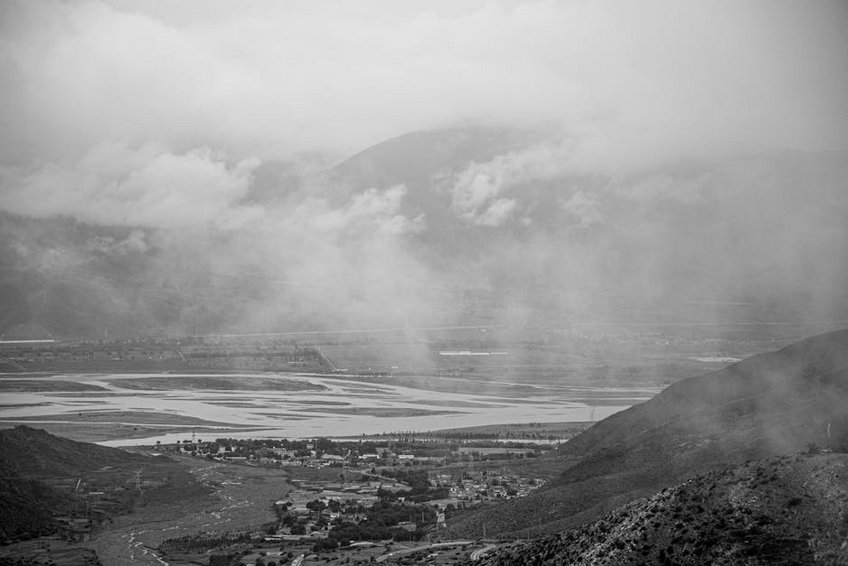
Alt: “pokut-plateau-kackar-mountains-summer-green-landscape”
Undiscovered Plateaus in the Black Sea Region – Planning Your Trip
Successfully exploring these remote highlands requires strategic planning focused on access, timing, and self-sufficiency. Road conditions can be challenging, and services are limited, so advance preparation is your key to a smooth adventure. Your journey to these undiscovered plateaus in the Black Sea Region will be most rewarding if you embrace flexibility and a spirit of exploration.
Renting a capable vehicle is almost essential. While some plateaus are reachable by infrequent minibuses (dolmuş) from towns like Çamlıhemşin or Ayder, having your own transport allows you to explore multiple locations and adjust plans for weather. A standard sedan might suffice for main roads, but a high-clearance vehicle is recommended for rougher tracks.
Best Time to Visit the Highland Plateaus
The ideal window for visiting is from mid-July to mid-September. During July and August, the weather is most stable, wildflowers are in bloom, and the yaylas are fully inhabited, offering a vibrant cultural experience. Daytime temperatures are pleasant for hiking, averaging 18-22°C (64-72°F).
June and late September are shoulder seasons with higher chances of rain, fog, and colder nights, but also fewer visitors. Some higher plateaus may still have snow patches in early June. The yaylas are virtually inaccessible and deserted from November through May due to heavy snowfall.
Budget Planning and Costs
Daily costs are lower than in Turkish resorts, but logistics can add up.
Essential Preparation Checklist
Pack for variable mountain weather. Essential gear includes waterproof hiking boots, a quality rain jacket and pants, insulating layers (fleece, down), quick-dry clothing, a daypack, and a reusable water bottle. Also bring a power bank, Turkish power adapter (Type F), and a detailed paper map, as cellular service is unreliable.
Ensure your passport has at least six months validity. U.S. and EU passport holders can obtain an e-Visa online before travel. Purchase comprehensive travel insurance that covers emergency evacuation from remote areas. Inform your bank of your travel plans and carry some Turkish Lira in cash, as ATMs are scarce on the plateaus.
Top Plateaus and Natural Attractions
The region boasts dozens of named yaylas, each with its own allure. Prioritizing based on your interests—dramatic scenery, cultural immersion, or hiking access—is crucial. Many are connected by ancient trails, allowing for multi-day treks between them, which is the ultimate way to experience the landscape.
Facilities range from none to simple tea houses offering çay (tea), gözleme (stuffed flatbread), and sometimes a basic room. The reward is unparalleled tranquility and views of soaring peaks, deep valleys, and grazing herds in meadows dotted with wildflowers.
Must-See Highland Highlights
Pokut and Sal Plateaus: Often mentioned together, these neighboring plateaus in the Kaçkars offer iconic, panoramic views of mountain ridges. Pokut has a few more pensions, while Sal feels slightly more remote. Both are accessible via a long, winding road from Çamlıhemşin. Waking up above a sea of clouds here is a common and magical experience.
Ayder Plateau: The most developed gateway, Ayder has hotels, restaurants, and the famous hot springs. While it’s less “undiscovered,” it’s a practical base. From here, you can drive or hike to more pristine areas like the stone-vaulted bridges and waterfalls of the nearby Hala Valley.
Gito Plateau (Yusufeli): Located in Artvin near the Barhal Valley, Gito is a sprawling green expanse with stunning views of the Kaçkar peaks. It’s a fantastic area for day hikes and is less frequented than the Rize plateaus, offering a greater sense of solitude.
Hidden Gems and Local Favorites
Samistal Plateau: A challenging drive or a rewarding hike from Ayder leads to Samistal, a vast meadowland with fewer visitors. It’s a true working yayla where you can witness herding life firsthand. The journey itself, through dense forest, is part of the adventure.
Hazindag (Avar) Plateau: Near the town of İkizdere, this plateau is known for its beautiful small lakes and peaceful atmosphere. It’s popular with Turkish campers but sees almost no foreign tourists, making it ideal for those seeking quiet immersion.
For the truly adventurous, asking locals in tea houses about “daha yüksek” (higher) or “daha sakin” (more calm) yaylas often leads to personal recommendations for places not found in guidebooks.
Hiking and Trekking Opportunities
The network of trails between plateaus forms the backbone of the experience. The Kaçkar Mountains Trek is a famous long-distance route. Shorter, equally stunning loops connect plateaus like Pokut-Sal-Ambar or hikes from Ayder to Kale.
Trails are often well-marked with stone cairns or paint marks, but conditions can be muddy and steep. Hiring a local guide for anything beyond short day hikes is highly recommended for navigation, safety, and cultural insight. The hiking season is strictly limited to July, August, and September.
Practical Travel Information and Logistics
Navigating the Black Sea highlands involves a mix of modern and traditional travel methods. The nearest major airports are in Trabzon (TZX) and, to a lesser extent, Samsun (SZF). Most travelers fly into Istanbul (IST or SAW) and then take a domestic flight to Trabzon, which takes about 1.5 hours.
From Trabzon Airport, you’ll need to rent a car or arrange a private transfer. The drive to a central base like Çamlıhemşin or Ayder takes 2-3 hours, following the scenic coastal highway before turning inland and climbing into the mountains. Road signs are in Turkish, so having an offline map app like Maps.me is crucial.
| Accommodation Type | Description & Features | Price Range (Night/USD) |
|---|---|---|
| Yayla Pansiyon (Guesthouse) | Basic family-run lodging on the plateau, often with shared bathroom, includes homemade breakfast and dinner. | $25 – $45 |
| Boutique Hotel (Ayder) | Converted wooden houses with private facilities, heating, and on-site restaurant; best comfort in the region. | $65 – $120 |
| Camping | Wild camping is generally accepted on plateaus. No facilities; must be fully self-sufficient and leave no trace. | $0 (gear cost) |
| Village House (Köy Evi) | Rental of a simple traditional stone or wood house in a lower village; requires self-catering. | $40 – $70 |