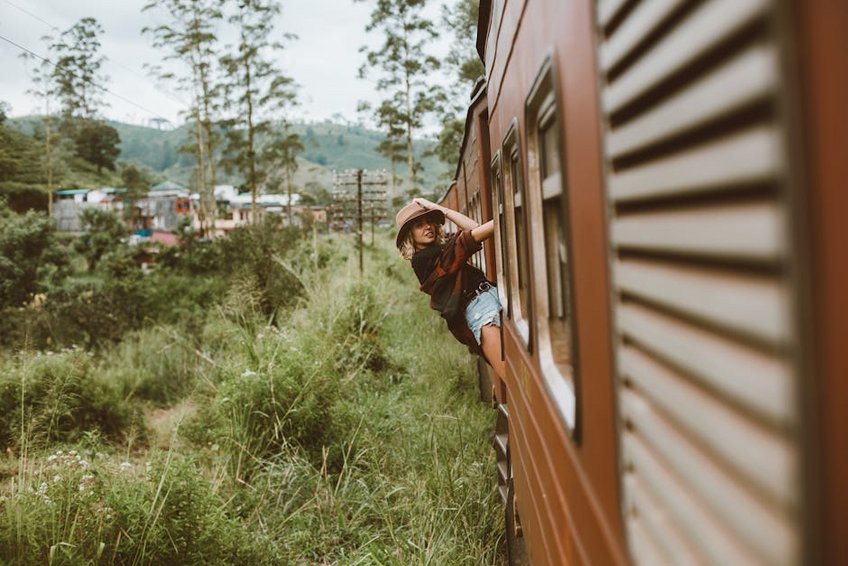
Train Journey Experience in Sri Lanka: Scenic Rails Through Paradise
Embarking on a train journey experience in Sri Lanka offers an unparalleled way to witness the island’s stunning diversity, from misty highland tea plantations to golden coastal stretches. These iconic rail routes provide more than mere transport, delivering immersive cultural encounters and some of the world’s most photographed landscapes right from your carriage window. This guide details the essential routes, practical booking tips, and cultural insights to transform your rail adventure from a simple ride into the highlight of your Sri Lankan itinerary.
Essential Information on Sri Lanka’s Railways
Sri Lanka’s railway network, established in 1864 during British colonial rule, is a historic system connecting key regions across the island. The infrastructure, featuring classic stations and aging carriages, operates less on punctuality and more on providing a uniquely nostalgic and scenic travel atmosphere. Travelers should embrace the slower pace as part of the charm, where the journey itself consistently outweighs the destination.
The network is divided into several main lines: the Coastal Line, the Hill Country or Main Line to Badulla, the Northern Line, and the Kelani Valley Line. Each offers distinct vistas and cultural snapshots, from bustling local commutes to internationally renowned scenic passages. Understanding this structure helps in planning a multi-leg trip that showcases Sri Lanka’s varied geography.
Understanding the Different Train Classes
Choosing your class significantly impacts comfort, cost, and your overall interaction with fellow travelers. Here is a breakdown of what to expect in each category.
- First Class Observation: Features large panoramic windows, reserved seating, and air-conditioning on some routes (like Kandy to Ella). It’s the most expensive and books out weeks in advance, especially for the famous observation car at the rear.
- Second Class Reserved: Offers comfortable padded seats in a reserved carriage, often with fans. This is the best value for a guaranteed seat with good comfort, though windows may not open fully on modern intercity trains.
- Third Class Reserved & Unreserved: The most local experience with basic wooden or padded benches. Unreserved carriages can be crowded, but they offer the most authentic cultural immersion and unlimited access to open doorways and windows for photography.
- Budget Traveler ($15-30 USD/day): Focus on third-class unreserved tickets ($1-5 per leg), street food from platform vendors, and budget guesthouses near stations. This offers maximum local interaction but requires flexibility and tolerance for crowds.
- Mid-Range Traveler ($50-100 USD/day): Mix second-class reserved seats ($10-15 per scenic leg) with occasional first-class on premier routes. Dine at local restaurants and stay in comfortable boutique hotels or homestays with easy station access.
- Luxury Experience ($150-300+ USD/day): Book first-class observation cars well in advance ($20-35 per leg). Consider a private car with driver to connect to stations. Stay in luxury colonial-era hotels like Tea Trails and use a specialist travel agent to handle all bookings and logistics seamlessly.
- Sri Lanka Railways Official Website
- Lonely Planet Sri Lanka Train Travel Guide
Key Historical and Cultural Context
The railway was originally built to transport tea and coffee from the central highlands to Colombo for export. This history is woven into the very tracks, passing endless emerald plantations and colonial-era stations like the beautiful one at Nanu Oya for Nuwara Eliya. The system remains a vital lifeline for locals, carrying people, goods, and produce across the island every day.
Your journey will be shared with Sri Lankan families, monks, students, and vendors selling everything from spicy vadai and sweet treats to toys. This daily rhythm of life is a cultural show you cannot buy a ticket for elsewhere. Engaging respectfully with this environment is key to a rewarding experience.
Safety and Travel Considerations
While generally safe, standard precautions apply. Keep valuables secure and within sight, especially in crowded unreserved carriages. The famed practice of riding with doors open or leaning out is common but carries obvious risks; always maintain a firm hold and be hyper-aware of tunnels and passing obstacles. Motion sickness can be an issue on the winding hill country routes, so consider medication if you’re prone to it.
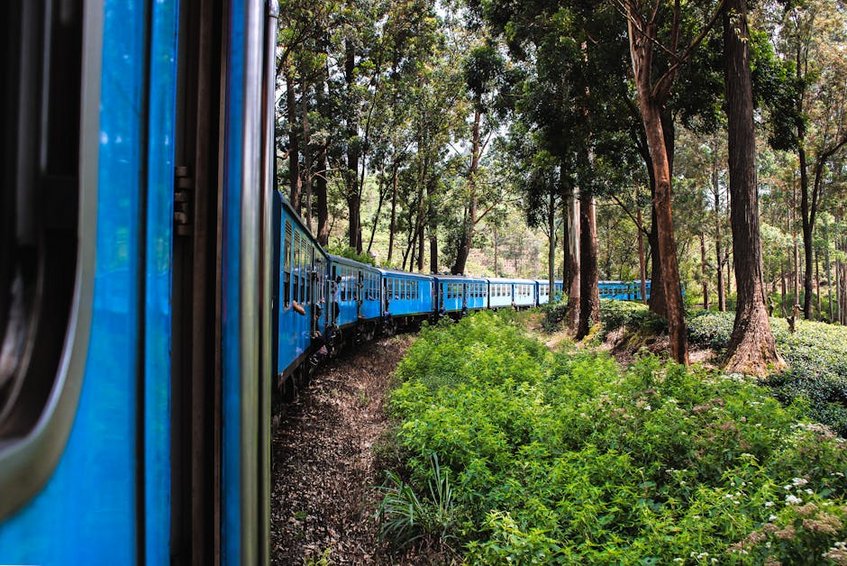
Alt: “sri-lanka-train-ella-kandy-route-mountain-view”
Train Journey Experience in Sri Lanka – Planning Your Trip
Strategic planning transforms a hopeful idea into a seamless rail adventure. The core of your planning should focus on route selection, ticketing strategy, and aligning your travel with ideal seasonal conditions. Unlike many destinations, here the “how” you travel is as important as the “where”.
Your budget will dictate class and flexibility. A first-class observation car ticket from Kandy to Ella costs around $20-25 USD, while a second-class reserved seat is about $10-15 USD. Third-class unreserved is often under $2 USD. Consider mixing classes on different legs to experience both comfort and authentic local ambiance.
Best Time to Visit for Scenic Rail Travel
The optimal period for clear mountain views and dry weather on the hill country routes is from January to April. Daytime temperatures in the highlands range from 60-75°F (16-24°C), with cool, crisp mornings. The southwest coast and routes from Colombo to Galle are best visited from November to March during the dry Yala monsoon season.
Shoulder seasons like May and September can offer good conditions with fewer tourists, though brief showers are possible. The major monsoon periods (southwest from May-August, northeast from November-February) can obscure views with heavy rain and mist on their respective sides of the island, but often mean emptier trains.
Budget Planning and Costs
A rough daily budget for train travel can be broken down into three tiers, excluding inter-city flights or long-distance tours.
Essential Preparation Checklist
Pack light but strategically. A small backpack is easier to manage than a rolling suitcase on crowded platforms and carriages. Essential items include wet wipes, hand sanitizer, a reusable water bottle, snacks, a power bank, and a light jacket for the cool highland air. A physical map of the rail network is also surprisingly useful.
Book train tickets online via the official Sri Lanka Railways website or trusted agents like 12Go.asia at least two weeks in advance for reserved classes on popular routes. Have digital copies of your passport, visa, and travel insurance. For photography, a versatile zoom lens and a polarizing filter will help capture the vibrant landscapes through train windows.
Top Scenic Routes and Unforgettable Journeys
While the entire network has charm, certain routes are legendary for their visual spectacle. The journey from Kandy to Ella via Nanu Oya and Haputale is the crown jewel, traversing tea-clad mountains, dramatic viaducts, and tunnels. The coastal run from Colombo to Galle offers a different beauty, with tracks skimming the Indian Ocean, passing fishing villages and fortresses.
For a deeper cultural immersion, consider the less-traveled Northern Line to Jaffna, which reveals a different, arid landscape and a resilient society rebuilding. The Kelani Valley Line to Avissawella is a short but sweet journey into lush river valleys, popular with locals on day trips from Colombo.
Must-See Highlights: Kandy to Ella
This 7-hour journey covers approximately 150 kilometers of Sri Lanka’s most iconic scenery. Key highlights include the Nine Arch Bridge between Ella and Demodara, a stunning stone railway viaduct set in jungle. The view from the Pattipola loop, the highest point of the Sri Lankan railways, offers breathtaking panoramas.
Plan to break the journey in towns like Nuwara Eliya or Haputale for a night or two. This allows you to explore tea factories, hike to Lipton’s Seat, or visit Horton Plains National Park before continuing your rail adventure. Tickets for the observation car sell out fastest for this route.
Hidden Gems and Local Favorites
The train from Colombo Fort to Badulla is the longest and most complete journey, taking nearly 12 hours to traverse from coast to highlands. Few tourists ride its entire length, offering a profound cross-section of Sri Lankan life. The coastal ride from Matara to Beliatta is a newly opened section offering pristine ocean views without the tourist crowds of the Galle line.
For a unique experience, ride a local commuter train during peak morning or evening hours on a weekday. The energy is palpable, and you’ll witness the daily rhythm of Sri Lanka in its purest form. Stations like the restored Jaffna Railway Station are also architectural attractions worth visiting independently of a departure.
Photography Tips from the Train
For the best shots, secure a window seat facing the direction of travel. Morning light is generally superior for the hill country, while late afternoon sun illuminates the coastal line beautifully. Use a fast shutter speed (1/500s or faster) to freeze motion and minimize blur from the moving train. Don’t just shoot landscapes; capture the life inside the carriage—the vendors, the families, the monks gazing out windows.
Practical Travel Information and Logistics
Navigating the practicalities of Sri Lankan rail travel requires specific knowledge. Major hubs like Colombo Fort, Kandy, and Badulla are well-organized, while smaller stations are basic. Station signage is in both Sinhala and English, and station masters are usually helpful. Always confirm your platform and departure time, as last-minute changes can occur.
Accommodation near major stations, especially in Colombo Fort and Kandy, ranges from budget hostels to five-star hotels. Booking a place within walking distance of your departure station eliminates pre-dawn taxi stress. For early morning trains, consider staying at a rest house or hotel managed by the Sri Lankan government, often located in historic buildings adjacent to stations.
| Accommodation Type | Best For & Features | Price Range (USD/Night) |
|---|---|---|
| Station-Adjacent Guesthouse | Budget travelers, early departures, basic amenities, fan room | $15 – $30 |
| City Center Boutique Hotel | Mid-range comfort, easy taxi to station, restaurant, AC | $50 – $120 |
| Plantation Bungalow | Luxury experience near hill country stations, full board, guided tours | $200 – $400+ |
| Colonial Rest House | Historical charm, often near stations, classic architecture, dining | $80 – $180 |