Jaipur Travel Guide: Exploring the Pink City’s Royal Heritage
Your Jaipur travel guide starts in Rajasthan’s capital, where history meets vibrant culture across palaces and markets. This resource helps you navigate top attractions, seasonal events, and practical logistics seamlessly. We cover Amber Fort visits to local cuisine for authentic experiences.
Essential Information About Jaipur
Jaipur, founded in 1727 by Maharaja Sawai Jai Singh II, serves as Rajasthan’s cultural heart. The city earned its “Pink City” nickname after buildings were painted terracotta pink in 1876. Today, Jaipur blends historical preservation with modern traveler amenities.
Visitors encounter a dry climate with hot summers and mild winters requiring seasonal packing. Temperatures range from 50°F to 105°F (10°C to 40°C) across the year. The city’s 1,400-foot elevation (427 meters) ensures pleasant evenings during cooler months.
Key Facts for First-Time Visitors
Understand these details before arriving in the Pink City.
- Jaipur International Airport (JAI) connects to major Indian cities and hubs like Dubai.
- The city operates on Indian Standard Time (UTC+5:30) with no daylight saving adjustments.
- English works in tourist areas, but basic Hindi phrases enhance vendor interactions.
- Budget travelers spend $25-$40 daily on dorm beds, street food, and public transportation. Save by visiting free attractions like Govind Dev Ji Temple and using auto-rickshaws for short trips.
- Mid-range visitors allocate $60-$100 per day for three-star hotels, restaurant meals, and guided tours. This budget allows entrance fees to major sites and occasional taxi rides.
- Luxury experiences cost $150-$300 daily with palace stays, private drivers, and fine dining. Heritage hotels like Rambagh Palace include cultural performances and spa services.
- Rajasthan Tourism Development Corporation
- Lonely Planet Jaipur Guide
- Incredible India Official Tourism Site
Historical and Cultural Context
Jaipur represents one of India’s first planned cities designed via Vastu Shastra principles. The grid layout divides the city into nine blocks with palaces at the center. This design facilitates navigation while preserving historical integrity across neighborhoods.
Royal heritage shines through sites like City Palace where the royal family resides. Cultural festivals like Diwali transform the city with lights, colors, and traditional music. Visiting during these events requires advanced booking but rewards with unforgettable experiences.
Architectural Marvels and Styles
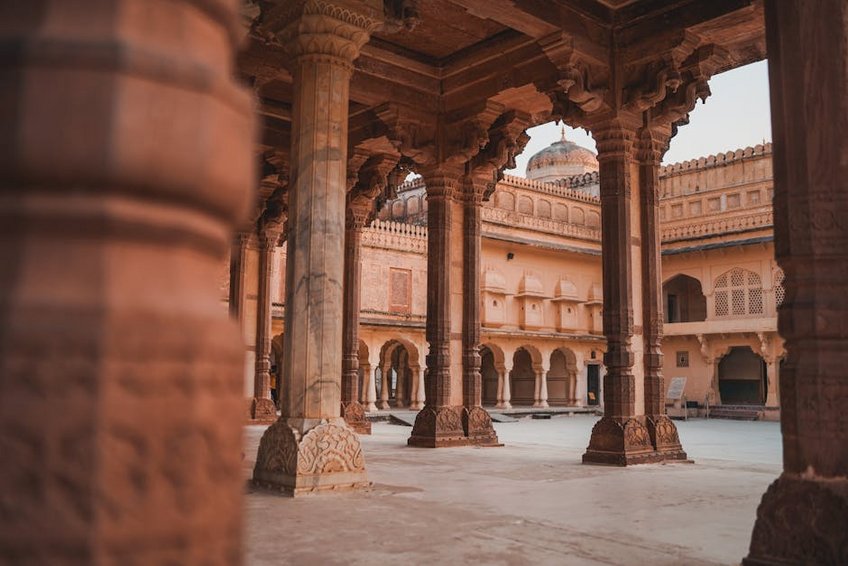
Jaipur showcases Rajput and Mughal architectural fusion in its monuments and buildings. Intricate jali work, ornate courtyards, and expansive gardens define Hawa Mahal and Jal Mahal. Restoration projects maintain these structures while allowing public access year-round.
Jaipur Travel Guide – Planning Your Trip
This Jaipur travel guide section details seasonal timing, budget considerations, and preparation steps. October through March offers ideal weather with daytime temperatures of 70°F to 85°F (21°C to 29°C). Book accommodations three months ahead for December and January peak visits.
Budget travelers find hostels from $10 nightly, while mid-range hotels cost $30-$50 with breakfast. Luxury heritage properties charge $100-$300 per night, offering palace stays with modern amenities. Always confirm if prices include India’s 18% GST on hotel services.
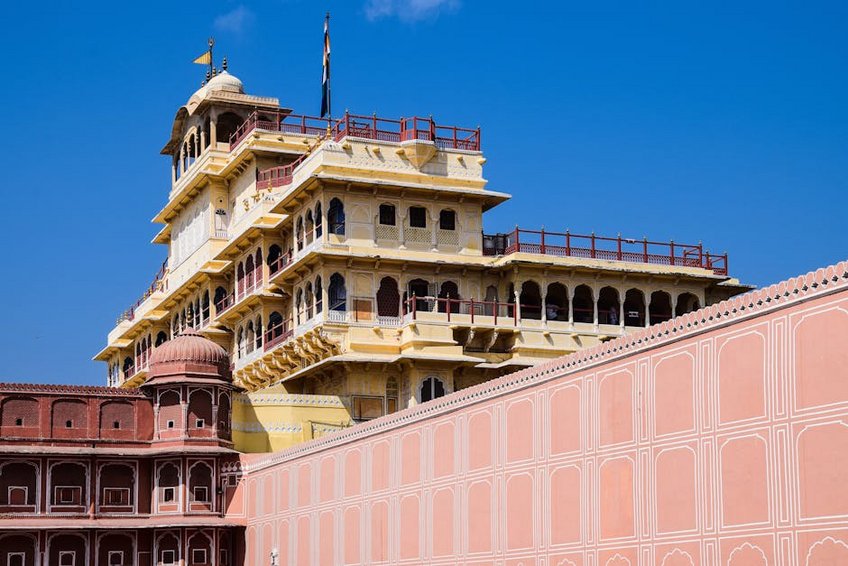
Alt: “jaipur-amber-fort-elephant-ride-courtyard-architecture”
Best Time to Visit Jaipur
Visit Jaipur between October and March for pleasant weather with minimal rainfall. Daytime temperatures average 75°F (24°C), while nights cool to 50°F (10°C). This period avoids intense summer heat and monsoon humidity affecting comfort.
Shoulder seasons in April and September see fewer crowds but higher temperatures near 95°F (35°C). July and August bring monsoon rains that refresh landscapes but limit outdoor activities. Plan indoor museum visits during afternoon heat regardless of season.
Budget Planning and Costs
Jaipur accommodates various budgets from backpacker to luxury experiences.
Essential Preparation Checklist
Pack lightweight cotton clothing for daywear and a jacket for cooler evenings. Include comfortable walking shoes for palace explorations and market bargaining sessions. Sun protection with hats and sunscreen is crucial year-round.
Secure a tourist visa before arrival, as India requires advance application for most nationalities. Purchase travel insurance covering medical emergencies and trip cancellations. Download offline maps and translation apps to navigate without constant internet access.
Top Attractions and Activities in Jaipur
Jaipur’s crown jewels include Amber Fort, City Palace, and Hawa Mahal with unique historical insights. These sites operate from 9 AM to 5 PM daily with extended hours during festivals. Purchase composite tickets for multiple monuments to save on entrance fees.
Beyond palaces, explore local markets like Johari Bazaar for jewelry and Bapu Bazaar for textiles. Cooking classes and block printing workshops provide hands-on cultural immersion. Evening sound and light shows at Amber Fort narrate Rajasthan’s history in English.
Must-See Highlights
Amber Fort requires half a day to explore its palaces, temples, and panoramic views. Elephant rides to the entrance cost $10 but walk the ramparts for free. The fort’s Sheesh Mahal features mirror work that sparkles under candlelight.
City Palace displays royal artifacts, weapons, and costumes across several museums. Entry tickets cost $10 for foreigners with additional fees for camera use. Time your visit for morning hours to avoid crowds and heat.
Hawa Mahal’s honeycomb facade allowed royal women to observe street life unnoticed. View the structure from across the street for best photography angles. Interior access is limited but includes a small museum on Rajput history.
Hidden Gems and Local Favorites
Panna Meena Ka Kund is an ancient stepwell with geometric staircases rarely crowded. Located near Amber Fort, it offers peaceful reflections and photography opportunities. Local guides often skip this site, so visit independently.
Anokhi Museum of Hand Printing showcases traditional textile techniques in a restored haveli. Workshops allow visitors to create their own block-printed fabrics. The museum shop sells ethical handicrafts supporting local artisans.
Cultural Experiences in Jaipur
Attend a Kathak dance performance at Rajmandir Cinema or cultural centers. These shows occur weekly with tickets priced at $5-$15 depending on seating. Traditional music and puppet shows also entertain at heritage hotels.
Participate in a village safari to see rural life and artisan communities near Jaipur. Tours include pottery demonstrations, camel rides, and home-cooked meals. Book through reputable operators who fairly compensate local hosts.
Practical Travel Information for Jaipur
Jaipur’s transportation network includes taxis, auto-rickshaws, and ride-sharing apps like Ola and Uber. Negotiate fares before auto-rickshaw rides or use meter-based pricing when available. The city’s bus system serves major attractions but can be crowded during peak hours.
Accommodation spans budget guesthouses in the old city to luxury resorts on the outskirts. Wi-Fi is standard in hotels, but speed varies; consider a local SIM card for reliable internet. Most establishments accept credit cards, but keep cash for market purchases.
| Category | Options/Features | Price Range (USD) |
|---|---|---|
| Budget Accommodation | Hostels with dorm beds, shared bathrooms, basic breakfast | $10-$20 per night |
| Mid-Range Hotels | Three-star properties, private rooms, AC, restaurant on site | $30-$60 per night |
| Luxury Heritage Stays | Palace hotels, spa services, fine dining, cultural performances | $100-$300 per night |
| Transportation | Auto-rickshaws, taxis, private drivers, rental cars | $5-$50 per day |