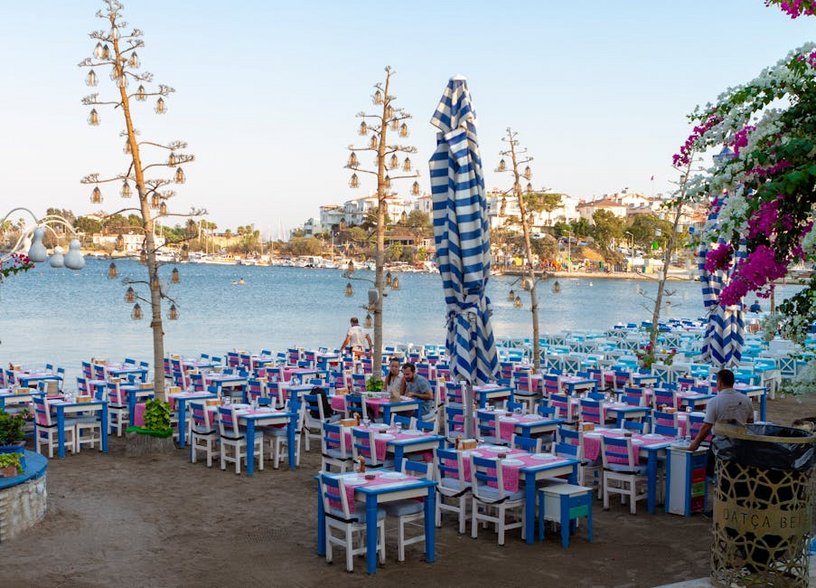
Datça Travel Guide: Your Essential Aegean Escape
Datça offers a serene alternative to Turkey’s busier coastal resorts, a slender peninsula where the Aegean meets the Mediterranean. This Datça travel guide provides the practical insights you need to discover its pine-backed coves, ancient ruins, and authentic harbor towns. You’ll find detailed information on optimal visit times, hidden swimming spots, transport routes, and the local culinary scene for a perfectly planned trip.
Discovering the Datça Peninsula
The Datça Peninsula extends 75 kilometers (47 miles) into the sea, creating a stunning finger of land between the Gulf of Gökova and the Gulf of Hisarönü. Its unique microclimate, often cited in the myth of the Dorian city of Knidos, is famed for clean air and healing properties. This geographical isolation has preserved its rugged beauty and slow-paced lifestyle.
Administratively part of Muğla Province, the region centers around the main town of Datça, with smaller villages like Mesudiye and Eksere dotting the coastline. The peninsula’s western tip is crowned by the ancient city of Knidos, a major archaeological site accessible by road or boat. Development here is intentionally limited, focusing on small-scale tourism that complements the natural environment.
Key Details About the Region
Before you visit, understanding a few core facts helps with planning. The peninsula operates on a different rhythm than major Turkish holiday centers.
- The local economy blends tourism with traditional almond and olive cultivation, with many family-run businesses operating seasonally from April through October.
- Public transport exists but is infrequent; renting a car or scooter is highly recommended for full exploration beyond Datça town center.
- English is spoken in hotels and main restaurants, but learning a few Turkish phrases enhances interactions in smaller villages and markets.
- Budget travelers can manage on $70-100 per day by staying in pensions, using public dolmuş buses, self-catering, and enjoying public beaches. This covers simple meals, local transport, and entry to key sites like Knidos.
- Mid-range travelers should budget $150-250 daily for a comfortable hotel with breakfast, a rental car for several days, mixed dining at tavernas and nicer restaurants, and a few guided boat trips or tours.
- A luxury experience costs $400+ per day, covering villa rentals with pools, private yacht charters, fine dining with wine, and personalized guided tours of archaeological sites and natural reserves.
- Republic of Turkey Ministry of Culture and Tourism – Datça Portal
- Lonely Planet Travel Guide – Datça Region
Climate and Best Seasons
Datça enjoys a classic Mediterranean climate with hot, dry summers and mild, wet winters. Summer temperatures from June to September average 28-32°C (82-90°F), with cooling Meltemi winds providing afternoon relief. The sea remains warm and swimmable from late May until mid-October.
The shoulder seasons of May and October are ideal for many travelers. You’ll experience pleasant temperatures of 22-26°C (72-79°F), fewer visitors, and lower accommodation rates. Winters are quiet and rainy, with many tourist-oriented services closing from November to March.
A Brief Historical Context
Human settlement on the Datça Peninsula dates back millennia, with the most significant ancient site being the city of Knidos. This Dorian port city, established around 360 BC, was a major center of trade, art, and medicine in the classical world. Its famous statue of Aphrodite and advanced medical school drew visitors from across the Mediterranean.
Later periods saw Byzantine, Seljuk, and Ottoman influence. The modern town of Datça developed around its natural harbor, historically connected to the sponge diving trade. This layered history is visible in local architecture, from stone houses to ancient olive groves.
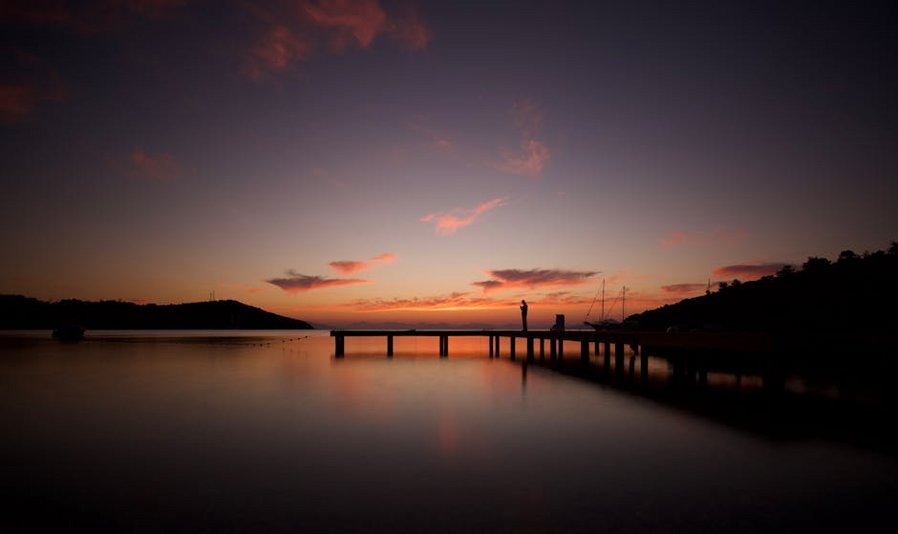
Alt: “datca-peninsula-aerial-view-coastline-coves-marmaris”
Datça Travel Guide – Planning Your Trip
Effective planning transforms a good vacation into a great one, especially for a destination with seasonal variations. Your Datça travel guide should account for transportation logistics, which differ from more connected resorts. Booking ferries or rental cars in advance during peak summer months is a wise precaution to avoid limited availability.
Accommodation ranges from boutique hotels in the old town to self-catering villas with private pools overlooking the sea. Decide whether you prefer being within walking distance of restaurants and the marina or seeking solitude in a coastal village. Your choice significantly impacts your daily experience and transportation needs.
Budget considerations extend beyond lodging. Factor in costs for fuel if renting a car, boat trips to secluded bays, and dining at waterfront fish restaurants. While daily expenses can be moderate, activities like private gulet charters or guided archaeological tours represent premium additions.
Best Time to Visit Datça
Visit between late May and late June, or throughout September, for the ideal balance of weather and tranquility. These months offer daily highs of 25-30°C (77-86°F), warm sea temperatures, and minimal crowding. You’ll secure better accommodation rates and experience more relaxed service at restaurants compared to the July-August peak.
July and August deliver the hottest and busiest period, with temperatures often exceeding 32°C (90°F) and European school holidays in full swing. Visit during this time for vibrant nightlife and guaranteed sunny beach days, but book everything months ahead. The October shoulder season is perfect for hiking and cultural exploration despite cooler water.
Budget Planning and Costs
Daily budgets vary widely based on travel style and season. Here is a breakdown for a one-week trip for two people.
Essential Preparation Checklist
Pack for a mix of casual beachwear, comfortable walking shoes for cobblestone streets and archaeological sites, and a light jacket for cooler evenings. Essentials include high-SPF sunscreen, a sun hat, a reusable water bottle, and a European two-pin power adapter for Turkey’s 220V electrical system.
Ensure your passport is valid for at least six months beyond your entry date. U.S., U.K., and EU citizens need an e-Visa for Turkey, easily obtained online before travel. Purchase comprehensive travel insurance that covers medical evacuation and consider a local SIM card for reliable navigation on the peninsula’s rural roads.
Top Attractions and Activities
Beyond its stunning beaches, the peninsula offers a rich tapestry of historical, natural, and culinary experiences. Allocate time to explore both the famous sites and the quieter corners where local life unfolds. A balanced itinerary typically combines relaxation, exploration, and cultural immersion.
Start your discovery in Datça town center, wandering the palm-lined waterfront promenade and the backstreets of the old town. Visit the lively morning market for local produce and crafts. From this base, you can plan day trips to ancient Knidos, boat excursions to hidden coves, and drives to picturesque villages like Mesudiye.
Must-See Highlights
Knidos Ancient City is the peninsula’s crowning historical attraction. Allow at least three hours to explore its extensive ruins, including the renowned circular Temple of Aphrodite, two ancient theaters, and the fortified acropolis. The site offers breathtaking views of the converging Aegean and Mediterranean Seas.
Palamutbükü Beach, a long stretch of fine pebbles and clear water on the southwest coast, is perfect for swimming and sunbathing. Its beachfront is lined with restaurants serving fresh fish. Alternatively, visit Ovabükü Beach for a more secluded feel, backed by fragrant pine forests and offering calm, shallow waters ideal for families.
Datça Marina and harbor provide constant activity, with fishing boats, gulets, and yachts coming and going. Enjoy a sunset drink at one of the many cafes lining the quay. For a nature escape, hike a section of the Carian Trail, a long-distance footpath offering spectacular coastal vistas across the peninsula’s rugged interior.
Hidden Gems and Local Favorites
Hayıtbükü Cove, accessible via a steep but manageable path, rewards with turquoise water and a rustic beach club. It’s less crowded than the main beaches. Similarly, Kargı Bay, near the peninsula’s midpoint, features a lovely sandy beach and several excellent fish restaurants favored by locals and returning visitors.
Visit the sleepy village of Eksere to see traditional stone houses and old coffee houses. For a unique experience, take a boat tour from Datça harbor to the nearby Greek island of Symi for a day trip, checking visa requirements in advance. The trip offers a fascinating cultural contrast and beautiful harbor scenery.
Boat Trips and Sailing Excursions
The absolute best way to appreciate the Datça coastline is from the water. Daily group boat trips depart from the harbor, visiting 3-5 secluded bays for swimming and snorkeling, with lunch included onboard. These typically cost $25-40 per person and operate from May to October.
For a more exclusive experience, charter a private gulet with a captain for a full or half-day. This allows you to customize your itinerary, visiting harder-to-reach coves like Kızılbük or Bencik. Private charters start around $300-500 for a day, accommodating up to 8-10 people, making them excellent value for small groups.
Practical Travel Information
Navigating the Datça Peninsula requires understanding its transport network and accommodation landscape. While the main town is compact and walkable, the region’s true beauty lies in its scattered beaches and villages. Planning your logistics is key to a stress-free visit, especially if you’re not renting a vehicle.
Accommodation options cater to all preferences, from sociable hostels to luxurious seafront villas. The high season from mid-June to August sees prices peak and availability shrink, so early booking is crucial. Shoulder season visits offer better value and a wider selection of properties.
| Accommodation Type | Features & Best For | Price Range/Night (USD) |
|---|---|---|
| Boutique Hotel | Central location, personalized service, character; best for couples & culture lovers. | $80 – $180 |
| Self-Catering Villa | Privacy, pool, multiple bedrooms; ideal for families or groups seeking independence. | $150 – $400+ |
| Pension (Guesthouse) | Family-run, budget-friendly, local experience; perfect for solo travelers & backpackers. | $30 – $70 |
| All-Inclusive Resort | Beachfront, multiple pools & restaurants, activities; suits those wanting everything on-site. | $120 – $250 |