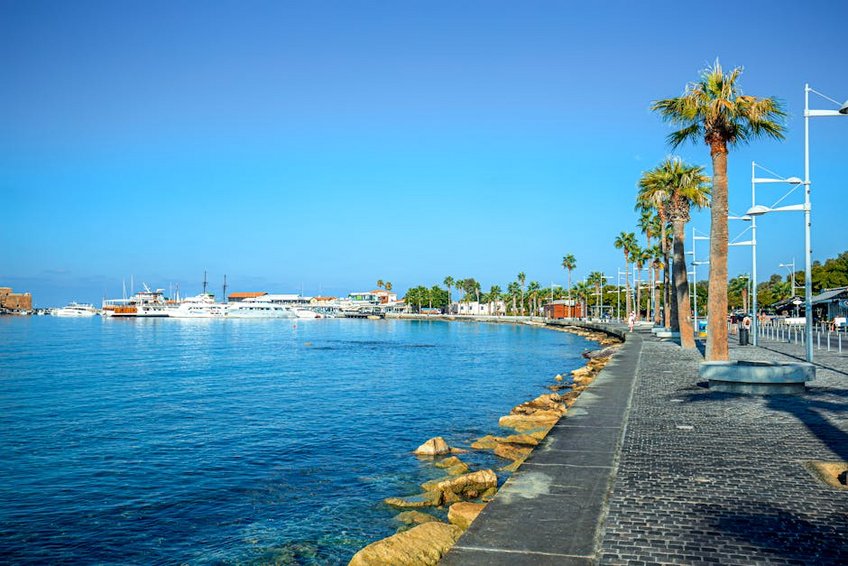
Cyprus Travel Guide
Planning a trip to Cyprus reveals a Mediterranean island nation where ancient Greek mythology, Venetian history, and vibrant modern culture converge on sun-drenched shores. You will discover dramatic coastlines, Troodos mountain villages, and archaeological sites spanning over ten millennia of human history. This guide provides detailed planning advice, local secrets, and practical tips for navigating this unique destination.
Essential Island Information
Cyprus occupies a strategic location in the eastern Mediterranean Sea, south of Turkey and west of Syria. The island operates as two main areas: the internationally recognized Republic of Cyprus in the south and the Turkish Republic of Northern Cyprus. This political situation affects travel logistics, especially crossing between the two sectors.
English is widely spoken due to former British colonial rule, making navigation straightforward for Western travelers. The official currency is the Euro in the south, while the Turkish Lira is used in the north. Driving is on the left-hand side, and the electrical system uses 230V with British-style three-pin plugs.
History and Cultural Influences
Cyprus boasts a layered history visible at every turn. This background shapes everything from architecture to cuisine.
- Ancient Greek settlers arrived around 1400 BC, establishing city-kingdoms like Paphos and leaving behind sacred sites linked to Aphrodite.
- Subsequent rulers included Romans, Byzantines, Lusignan Franks, Venetians, Ottomans, and the British, each adding distinct cultural layers.
- The island gained independence in 1960, with a complicated modern history leading to the de facto division that exists today.
- Budget travel costs $60-90 per person daily, using self-catering apartments, local buses, and taverna meals. Focus on free attractions like public beaches and village wandering. The Paphos Archaeological Park entry is around $5.
- Mid-range travel budgets $120-200 daily, covering rental cars, boutique hotels, and guided tours to sites like Choirokoitia. Enjoy regular restaurant meals and occasional boat trips along the Akamas coast.
- Luxury travel exceeds $300 daily, featuring five-star beach resorts, private guided tours of ancient Salamis, and gourmet dining. Consider chartering a yacht for a day to explore the Blue Lagoon from Latchi harbor.
- Cyprus Tourism Organisation
- Lonely Planet Cyprus Guide
Must-Visit Cities and Regions
Nicosia, the divided capital, offers a unique urban experience where you can walk from the modern Republic into the historic northern sector. The Venetian walls encircle a fascinating old town with museums and local crafts. Crossing the Ledra Street checkpoint requires presenting your passport for a stamp.
Coastal cities provide contrasting vibes. Limassol buzzes with a vibrant marina, nightlife, and wine culture. Paphos, a UNESCO World Heritage site, is quieter and famed for its extensive Roman mosaics and Tombs of the Kings. Larnaca and Ayia Napa cater to different crowds, from family beaches to famous nightlife.
Climate and Weather Patterns
The island enjoys a typical Mediterranean climate with long, hot, dry summers and mild, wetter winters. Summer temperatures from June to September consistently reach 86-95°F (30-35°C) with almost zero rainfall. Coastal breezes provide some relief, but the sun is intensely strong during midday hours.
Winter, from December to February, sees average temperatures of 57-64°F (14-18°C) in coastal areas. The Troodos Mountains receive snow, creating a ski season from January to March. Spring and autumn deliver ideal conditions with warm days, cool nights, and blooming landscapes.
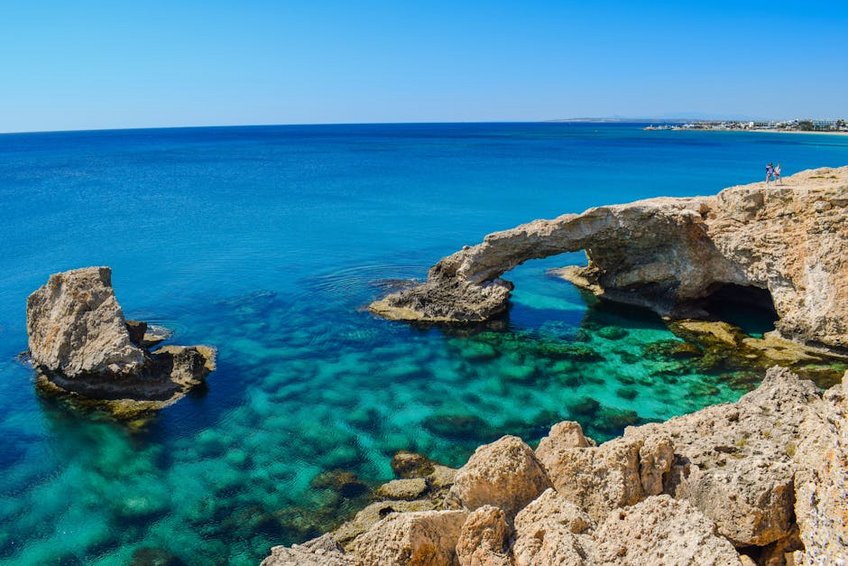
Alt: “cyprus-coastal-view-mediterranean-sea-paphos-harbor”
Cyprus Travel Guide – Planning Your Trip
Effective planning for this destination requires understanding its dual-nature logistics and seasonal highlights. Your itinerary should balance beach relaxation, archaeological exploration, and mountain excursions. Allocate time for leisurely meals and unexpected discoveries along scenic driving routes.
Booking inter-sector travel requires checking current political guidelines and crossing procedures. Most tourists base themselves in the southern Republic, making day trips north. Always carry your passport when planning to cross the Green Line, the UN buffer zone dividing the island.
Budget planning varies widely between all-inclusive resorts and self-catered villa stays. Car rental is highly recommended for flexibility, costing approximately $25-45 per day. Dining costs range from $12 for a casual taverna meal to $60+ for fine dining with local wine.
Best Time to Visit Cyprus
The peak season runs from late May through September, offering guaranteed sunshine and warm sea temperatures of 75-82°F (24-28°C). This period brings higher prices and crowds, especially in family resorts like Protaras. Book accommodations and ferries at least three months in advance for summer travel.
Shoulder seasons in April-May and October-November provide the best overall conditions. Daytime temperatures range from 70-80°F (21-27°C) with cooler evenings. This is perfect for hiking and sightseeing without summer’s intense heat. The winter months attract travelers seeking cultural sites and mountain scenery.
Budget Planning and Costs
Daily costs depend heavily on your travel style and accommodation choices.
Essential Preparation Checklist
Pack lightweight, breathable clothing for summer, plus a sweater for cooler mountain evenings and air-conditioned interiors. Include sturdy walking shoes for archaeological sites and cobblestone streets. Essentials include high-SPF sunscreen, a wide-brimmed hat, and a reusable water bottle to stay hydrated.
Ensure your passport is valid for at least six months beyond your departure date. EU and US citizens do not need a visa for tourist stays up to 90 days in the Republic of Cyprus. If crossing to the north, you’ll receive a separate visa stamp on a slip of paper, not in your passport.
Top Attractions and Activities
The island’s diverse landscape supports endless exploration, from underwater museums to mountain trails. Prioritize a mix of UNESCO sites, natural wonders, and authentic village life. Many top sites are located outside main cities, necessitating your own transport or organized tours.
Ancient history enthusiasts can follow themed routes like the Aphrodite Cultural Route. Nature lovers explore the Akamas Peninsula National Park or the Cape Greco sea caves. Foodies embark on wine trails through the Vouni Panayias region or halloumi cheese making demonstrations.
Must-See Historical Highlights
The Tombs of the Kings in Paphos is a vast necropolis dating to the 4th century BC. Carved directly into solid rock, these underground tombs feature Doric columns and atrium courtyards. Visit early morning to avoid the midday heat and large tour groups.
Kourion, an ancient city-kingdom near Limassol, boasts a stunning Greco-Roman theater overlooking the sea. The site includes elaborate floor mosaics in the House of Eustolios and an early Christian basilica. The nearby Sanctuary of Apollo Hylates provides further insight into ancient religious practices.
In the north, the ancient city of Salamis presents sprawling ruins with a restored gymnasium, Roman baths, and a magnificent theater. The site’s scale illustrates the importance of this once-great capital. Combine a visit with a stop at the hauntingly beautiful St. Barnabas Monastery.
Natural Wonders and Beaches
Cyprus offers over 40 Blue Flag beaches with crystal-clear waters. Fig Tree Bay in Protaras features shallow, calm waters ideal for families. Nissi Beach in Ayia Napa attracts a younger crowd with its vibrant atmosphere and water sports.
For unique geology, visit the Sea Caves near Ayia Napa or the Avakas Gorge on the Akamas Peninsula. The Troodos Mountains provide cool retreats with trails to waterfalls like Caledonia and traditional villages such as Omodos and Lefkara, famous for its lace.
The Akamas Peninsula remains a protected wilderness area with limited road access. Join a 4×4 safari tour or hike the Aphrodite Trail to the Baths of Aphrodite pool. Boat trips from Latchi harbor visit the stunning Blue Lagoon for swimming in turquoise waters.
Wine and Culinary Tours
Commandaria, produced in the Limassol foothills, is the world’s oldest named wine still in production. Visit local wineries along the Cyprus Wine Routes to sample this sweet dessert wine alongside modern varieties. The Zambartas Winery offers excellent tours and tastings.
Halloumi cheese tasting is a quintessential experience. Many agrotourism farms in villages like Psematismenos demonstrate traditional cheese-making. Pair it with locally produced zivania spirit and fresh village bread for an authentic meze platter.
Practical Travel Information
Navigating the island is straightforward with some prior knowledge. Renting a car provides the greatest freedom to explore remote monasteries and coastal coves. Main highways are modern and well-signposted in both Greek and English, while mountain roads are winding but scenic.
Accommodation options cater to all preferences, from all-inclusive resort complexes to renovated stone houses in hill villages. Booking.com and Airbnb offer wide selections. For authentic stays, seek out certified agrotourism guesthouses that support rural communities.
| Transportation Type | Key Features & Tips | Approximate Daily Cost (USD) |
|---|---|---|
| Rental Car | Necessary for full exploration. Book in advance for summer. Requires credit card and valid license from home country. | $25 – $65 |
| Intercity Buses | Limited network connecting major cities like Nicosia, Limassol, Larnaca, Paphos. Reliable but infrequent in rural areas. | $5 – $15 per journey |
| Local Taxis & Services | Taxis are metered. Use Bolt app in cities for convenience. Negotiate fixed fares for longer rural trips. | $10 – $50+ per trip |
| Organized Day Tours | Ideal for visiting specific sites like Troodos villages or northern Cyprus without rental car logistics. | $50 – $120 per person |