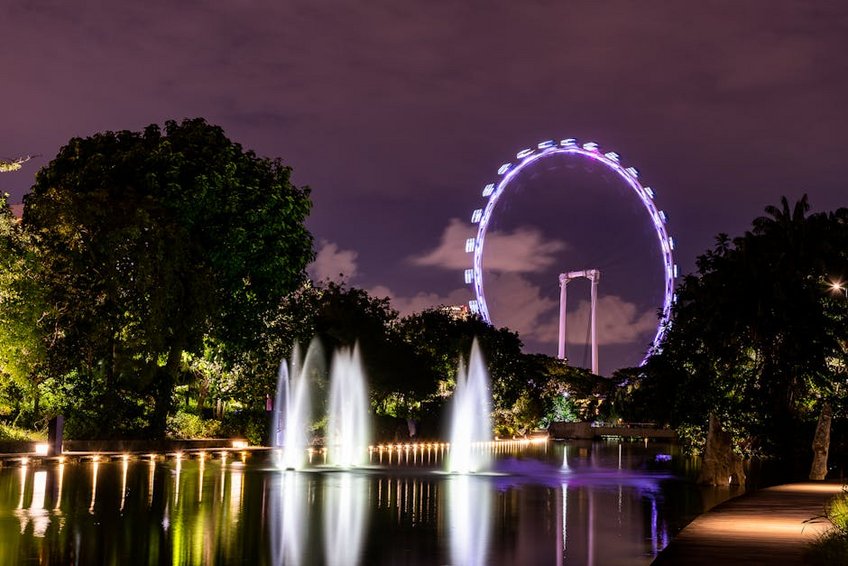
Singapore Travel Guide: Unveiling the Lion City’s Diverse Charms
Planning your first visit to Singapore opens the door to a meticulously clean, green, and dazzlingly modern city-state where cultures converge. Your Singapore Travel Guide journey reveals an efficient urban landscape intertwined with vibrant ethnic neighborhoods, world-class cuisine, and futuristic architecture. This detailed guide provides the essential planning tips, cost breakdowns, and cultural insights you need to navigate this dynamic destination like a seasoned traveler.
Essential Lion City Information
Singapore is a sovereign island city-state located at the southern tip of the Malay Peninsula. Founded as a British trading post in 1819 by Sir Stamford Raffles, its strategic position fueled rapid growth. Today, it stands as a global financial hub with a rich tapestry of Chinese, Malay, Indian, and Peranakan heritage. The nation’s laws are famously strict, ensuring an exceptionally safe and orderly environment for all visitors.
English serves as the primary administrative language, making navigation straightforward for international travelers. Mandarin, Malay, and Tamil are also official languages. The local currency is the Singapore Dollar (SGD), and credit cards are widely accepted. You will need a valid passport to enter; U.S., U.K., and EU passport holders typically receive a 90-day visa-free stamp upon arrival.
Before You Go – Key Details
Understanding a few core facts will enhance your trip preparation significantly. The city’s equatorial climate means consistent heat and humidity year-round.
- Climate: Expect daily averages of 86°F (30°C) with high humidity. Afternoon thunderstorms are common, so packing a light rain jacket or umbrella is wise.
- Connectivity: Purchase a local SIM card at Changi Airport upon arrival for affordable data. Free public Wi-Fi (Wireless@SG) is available across the island with a simple registration.
- Tipping Culture: Tipping is not customary. A 10% service charge is automatically added to bills at restaurants and hotels, so no additional tip is required.
- Budget Traveler (S$80-120/day): Stay in hostels in Little India or Lavender, eat at hawker centers (meals S$5-8), use public transport, and focus on free attractions like Gardens by the Bay (outdoor gardens) and exploring ethnic neighborhoods.
- Mid-Range Traveler (S$200-350/day): Book a 3-4 star hotel in Kampong Glam or near Bugis, enjoy mixed hawker and cafe dining, visit 2-3 paid attractions (like the Flower Dome), and take occasional taxis.
- Luxury Traveler (S$500+/day): Experience 5-star hotels like Marina Bay Sands, dine at celebrity chef restaurants, take private tours, and enjoy VIP access to attractions and evening cocktails at rooftop bars.
- Singapore Tourism Board
- Land Transport Authority – Getting Around
Understanding Local Etiquette
Respecting local customs enriches your experience and shows consideration for the multicultural society. Singaporeans value order, cleanliness, and harmony. Always use public trash bins, as littering fines are substantial. Chewing gum is banned for import and sale, though personal medicinal use is allowed with a prescription.
When visiting places of worship, such as Sri Mariamman Temple or Sultan Mosque, dress modestly by covering shoulders and knees. Remove your shoes before entering temples and mosques. Use your right hand for giving and receiving items, especially when interacting with Malay or Indian communities, as the left hand is considered unclean.
Navigating Rules and Fines
Singapore’s reputation for strict enforcement is well-earned but manageable for informed travelers. Familiarize yourself with common regulations to avoid unintentional penalties. Smoking is prohibited in all indoor public spaces and many outdoor areas like bus stops and parks; look for designated yellow boxes.
Jaywalking is illegal, and you must use pedestrian crossings. The famous ban on chewing gum is primarily on its sale. However, importing large quantities can lead to fines. Eating and drinking are forbidden on public buses and the MRT metro system, with violations carrying fines starting around S$500.
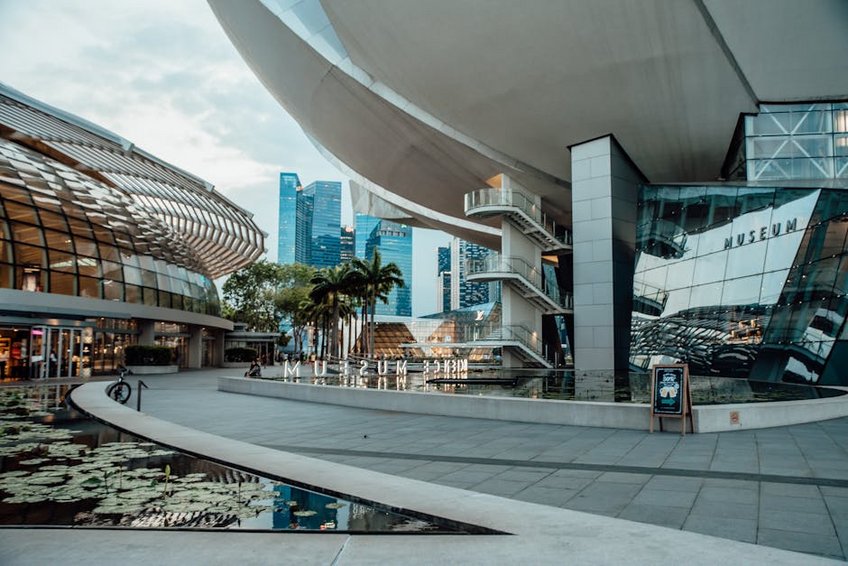
Alt: “singapore-marina-bay-sands-skyline-evening-lights”
Singapore Travel Guide – Planning Your Trip
Creating a successful itinerary for the Lion City requires balancing iconic sights with neighborhood exploration. Allocate days strategically between major attractions and cultural districts. Your Singapore Travel Guide planning should account for the compact size but dense offerings of the island.
Booking accommodations and key attraction tickets online in advance secures better rates and guarantees entry. Popular spots like Gardens by the Bay and Universal Studios often have timed entry. Consider purchasing a tourist pass for unlimited public transportation, which offers tremendous value for getting around efficiently.
Best Time to Visit Singapore
The city-state welcomes visitors year-round due to its consistent equatorial climate. Peak tourist seasons align with major holidays and festivals. December through early January sees high crowds for Christmas and New Year celebrations, with hotel prices at their highest.
Shoulder seasons from February to April and July to September offer a good balance of pleasant weather and manageable crowds. The mid-year Great Singapore Sale typically runs from June to July. Note that the haze season from August to October can sometimes affect air quality due to regional forest fires.
Budget Planning and Costs
Singapore can cater to various budgets with careful planning. While luxury options abound, affordable meals and attractions exist. Daily costs vary significantly based on your choices.
Essential Preparation Checklist
Packing for Singapore is straightforward due to the casual, warm climate. Focus on light, breathable clothing made from cotton or linen. Include a light sweater or scarf for intensely air-conditioned malls and cinemas. Comfortable walking shoes are non-negotiable for exploring neighborhoods and parks.
Ensure your passport is valid for at least six months beyond your arrival date. While travel insurance is not mandatory, it is highly recommended for covering medical costs and trip interruptions. Download essential apps before you go: Grab (ride-hailing), Google Maps, and the official Visit Singapore guide for offline maps and tips.
Top Attractions and Unmissable Activities
The Lion City’s attractions range from futuristic supertrees to historic temples. Efficient public transport makes visiting multiple sites in one day feasible. Prioritize your must-see list based on personal interests, whether in nature, culture, or entertainment.
Many major attractions are clustered near Marina Bay, allowing for a walkable itinerary. The Singapore Zoo, Night Safari, and Sentosa Island require more dedicated travel time. Consider grouping geographically similar sights together to minimize transit time and maximize your experience.
Must-See Highlights
Gardens by the Bay remains the city’s iconic green landmark. The outdoor Supertree Grove and OCBC Skyway offer stunning views, especially during the nightly Garden Rhapsody light show. The cooled conservatories, the Flower Dome and Cloud Forest, house exotic plants and a towering indoor waterfall. Ticket prices start at S$28 for two conservatories.
Marina Bay Sands is more than a hotel; its SkyPark Observation Deck provides a breathtaking 360-degree panorama of the city. Visit in the late afternoon to see the city transition from day to night. The ArtScience Museum nearby features innovative rotating exhibitions. A trip to Sentosa Island offers beaches, Universal Studios Singapore, and the impressive S.E.A. Aquarium.
Hidden Gems and Local Favorites
Venture beyond the postcard sights to discover the city’s soul. The Southern Ridges is a 6.2-mile (10 km) trail connecting several parks via scenic bridges like the Henderson Waves. It offers serene jungle walks with skyline views, largely free of tourist crowds. This pathway is perfect for a morning hike.
Explore the Tiong Bahru neighborhood, one of Singapore’s oldest housing estates, now filled with indie boutiques, art deco architecture, and trendy cafes. Visit the wet market for a local experience. For a unique cultural blend, head to Joo Chiat/Katong to admire beautifully preserved Peranakan shophouses and sample traditional kueh (cakes).
Neighborhood Exploration Deep Dive
Each of Singapore’s main ethnic quarters tells a distinct story. Chinatown is not just for souvenirs; visit the Buddha Tooth Relic Temple, explore the Chinatown Heritage Centre, and eat at the Maxwell Food Centre. Little India bursts with color, spice, and energy, especially on Sundays. Must-visits include the Tekka Centre for food and the Sri Veeramakaliamman Temple.
Kampong Glam, the historic Malay-Arab quarter, centers around the magnificent Sultan Mosque. Explore Haji Lane for its narrow, graffiti-lined street packed with quirky shops and cafes. This area comes alive in the evening and provides a completely different vibe from the financial district just minutes away.
Practical Travel Information: Logistics Made Easy
Getting around the Lion City is remarkably efficient thanks to its world-class public transport system. The Mass Rapid Transit (MRT) subway is clean, safe, and reaches most tourist areas. Complemented by an extensive bus network and affordable ride-hailing, navigation is straightforward even for first-time visitors.
Accommodation options span from budget-friendly hostels to some of the world’s most luxurious hotels. Location is key; staying near an MRT station significantly enhances convenience. Neighborhoods like Bugis, Clarke Quay, and City Hall offer excellent access to multiple train lines and major sights.
| Accommodation Type | Best For & Features | Avg. Nightly Rate (USD) |
|---|---|---|
| Hostels/Guesthouses | Solo travelers, budget groups; social atmosphere, basic amenities, shared facilities in areas like Little India. | $25 – $60 |
| Mid-Range Hotels | Couples, families; private rooms, often include pool, located near MRT stations in Kampong Glam or Novena. | $120 – $220 |
| Luxury Hotels | Splurge, iconic stays; infinity pools (Marina Bay Sands), world-class service, prime locations with stunning views. | $350 – $700+ |
| Serviced Apartments | Longer stays, families; kitchenette, laundry, more space, residential feel in areas like Orchard or Robertson Quay. | $180 – $350 |