Rome Travel Guide: Planning Your Eternal City Adventure
This Rome travel guide provides essential insights for navigating Italy’s historic capital, where ancient ruins stand alongside vibrant modern life. You’ll uncover practical tips for visiting the Colosseum and Vatican, strategies for beating the crowds, and how to savor authentic pasta carbonara. We’ll cover budgeting, seasonal timing, neighborhood choices, and cultural etiquette to maximize your visit.
Essential Rome Information
Rome, Italy’s capital and the heart of the former Roman Empire, is a sprawling metropolis in the Lazio region. Founded in 753 BC, its historical layers span nearly three millennia, offering an unparalleled open-air museum experience. The city’s historic center is a UNESCO World Heritage Site, protecting landmarks from the Roman Forum to Baroque piazzas.
The local currency is the Euro (€), and while credit cards are widely accepted, smaller cafes and markets often prefer cash. Italy uses Type C, F, and L electrical outlets with a standard voltage of 230V, so US travelers will need an adapter and potentially a converter. The primary language is Italian, though English is commonly spoken in tourist areas, making communication relatively straightforward.
What You Need to Know Before You Go
Prepare for your Roman holiday with these key logistical points.
- US and EU passport holders do not need a visa for tourist stays under 90 days, but your passport must be valid for at least three months beyond your planned departure date from the Schengen Area.
- Purchase tickets online for major attractions like the Colosseum, Vatican Museums, and Borghese Gallery weeks in advance to secure time slots and avoid immensely long queues.
- Comfortable walking shoes are non-negotiable, as the historic center’s cobblestone streets and expansive archaeological sites require miles of exploration on foot each day.
- Budget travelers can manage on $80-$120 per day by staying in hostels or budget B&Bs, enjoying picnic lunches with market fare, using public transit, and visiting free attractions like the Pantheon and Trevi Fountain. Prioritize one or two paid sites.
- Mid-range visitors should budget $200-$350 daily for a comfortable 3-star hotel, sit-down meals at traditional trattorias, taxi rides when needed, and entry to major sites like the Colosseum and Vatican Museums with pre-booked tours.
- Luxury experiences start at $500+ per day, covering 5-star hotels near the Spanish Steps, fine dining at Michelin-starred restaurants, private guided tours with skip-the-line access, and premium experiences like after-hours Vatican visits.
- Roma Turismo Official Tourism Website
- CoopCulture Official Colosseum & Roman Forum Tickets
- The Holy See Vatican Official Website
Key Cultural and Historical Context
Understanding Rome’s timeline enriches every site visit. The city’s history is divided into distinct periods: the Monarchy, the Republic, the Empire, the Papal States, and modern Italy. Monuments like the Pantheon showcase engineering prowess from 27 BC, while the Trevi Fountain represents the opulent Baroque era of the 18th century.
Rome is also the center of the Roman Catholic Church, making Vatican City—an independent city-state within Rome—a spiritual and artistic focal point. This religious significance means you should dress modestly (covering shoulders and knees) when entering churches like St. Peter’s Basilica or the Pantheon. Respecting local customs, like greeting shopkeepers with “buongiorno,” enhances your interactions.
Climate and Weather Patterns
Rome enjoys a Mediterranean climate with hot, dry summers and mild, wetter winters. Summer temperatures from June to August frequently soar between 85°F and 95°F (29°C-35°C), with intense sun and sparse rainfall. This is peak tourist season, so expect dense crowds at all major monuments under the relentless heat.
Spring (April-May) and autumn (September-October) offer the most pleasant conditions, with daytime temperatures ranging from 65°F to 75°F (18°C-24°C) and fewer tourists. Winter, from November to February, sees cooler weather, with temperatures between 45°F and 55°F (7°C-13°C), and occasional rain, but offers the advantage of minimal queues and a more local atmosphere.
Alt: “ancient-rome-colosseum-roman-forum-historic-ruins”
Rome Travel Guide – Planning Your Trip
Your Roman adventure requires strategic planning to balance iconic sights with local discovery. Allocate your time between the ancient core, Vatican City, and vibrant districts like Trastevere. A well-structured itinerary prevents burnout and lets you appreciate the city’s dolce vita pace, including time for long meals and aimless strolls.
Budgeting accurately is crucial, as costs can vary dramatically. While entrance fees for major sites are fixed, you can save on meals by opting for trattorias away from main piazzas. Consider purchasing combination passes like the Roma Pass for transit and discounted museum entry if you plan to visit several paid attractions.
Booking accommodations near a metro station saves valuable time, even if it’s slightly outside the historic center. Research restaurant menus posted outside to gauge prices, and always reserve popular eateries ahead. Your planning should include daily siesta time, as many smaller shops close between 1:00 PM and 4:00 PM.
Best Time to Visit Rome
Visit Rome between April-May and September-October for ideal weather and manageable crowds. These shoulder seasons provide comfortable temperatures, averaging 70°F (21°C), and longer daylight hours for exploration. You’ll encounter fewer tourists than in summer, making popular sites slightly more accessible and outdoor dining thoroughly enjoyable.
Peak summer from June to August brings intense heat, prices at their highest, and the largest tourist crowds. The winter months, particularly November and January, offer a starkly different experience with chilly, damp weather but significant advantages: minimal lines, lower hotel rates, and a more authentic local vibe, though some attractions have shorter hours.
Budget Planning and Costs
A daily budget for Rome varies significantly based on your travel style. Here is a breakdown across three common tiers.
Essential Preparation Checklist
Pack lightweight, breathable clothing for summer, and layers with a waterproof jacket for spring and fall. Comfortable, broken-in walking shoes are the single most important item. Bring a portable power bank for your phone, as you’ll use it constantly for maps and photo-taking, draining the battery quickly.
Ensure you have a valid passport, and make photocopies or digital scans. Purchase comprehensive travel insurance that covers medical emergencies and trip interruptions. Book all major attractions, guided tours, and sought-after restaurants at least three to four weeks before your arrival, especially during peak seasons.
Top Attractions and Activities in the Eternal City
Rome’s landmarks tell the story of Western civilization. The ancient ruins, Renaissance masterpieces, and Baroque fountains create an overwhelming array of choices. Balancing monumental must-sees with leisurely exploration is key to enjoying the city without feeling rushed from one site to the next.
Beyond the headline acts, the city’s charm unfolds in its piazzas, neighborhood markets, and passeggiata (evening stroll) culture. Allocate time simply to wander without a fixed destination, discovering hidden churches, artisan workshops, and quiet corners that feel worlds away from the tourist thoroughfares. This balance defines a successful Roman holiday.
Must-See Historical Highlights
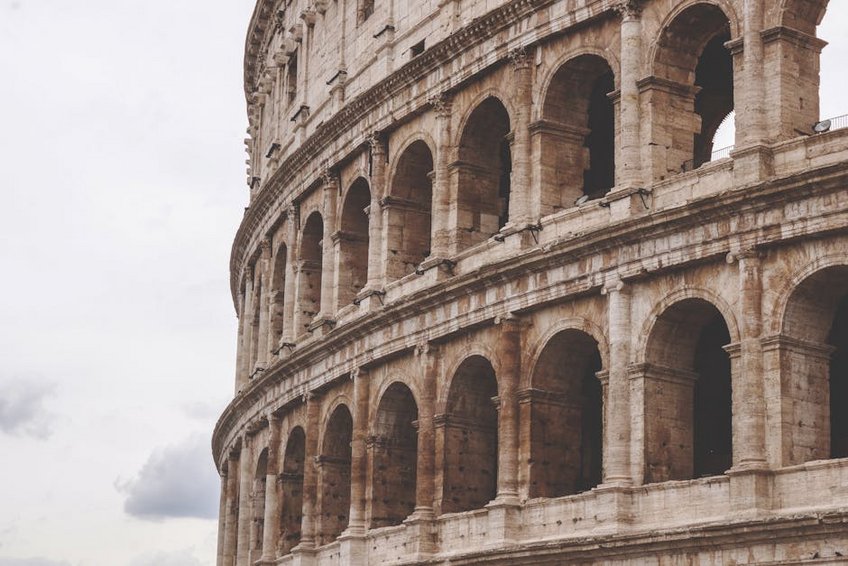
The Colosseum, Roman Forum, and Palatine Hill form the core of ancient Rome. Purchase a combined ticket online to access all three sites, and consider a guided tour to understand the historical context of the gladiatorial games and political heart of the Empire. Visit at opening time to avoid the worst crowds.
Vatican City houses the immense St. Peter’s Basilica (free entry) and the Vatican Museums, home to the Sistine Chapel. Book a museums ticket with early morning access for a slightly calmer experience. Remember, appropriate dress covering shoulders and knees is strictly enforced. Climbing the dome of St. Peter’s offers a breathtaking panoramic view.
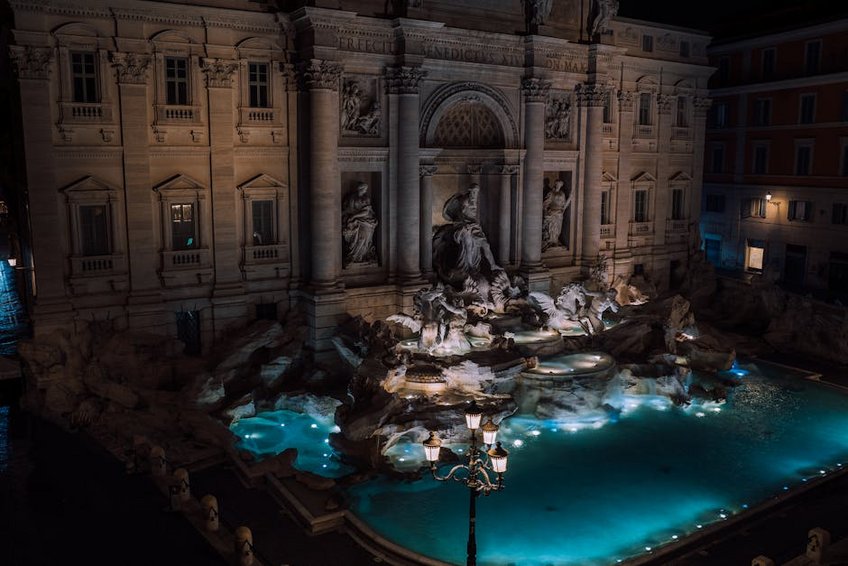
The Pantheon, a former Roman temple with the world’s largest unreinforced concrete dome, is a marvel of ancient engineering and is free to enter. The Trevi Fountain, a Baroque masterpiece, is stunning both day and night, though evenings are typically less crowded. Toss a coin over your left shoulder with your right hand to ensure your return to Rome.
Hidden Gems and Local Favorites
Escape the crowds at the Aventine Keyhole, where you peer through a door on Piazza dei Cavalieri di Malta for a perfectly framed view of St. Peter’s Dome. The Orange Garden (Giardino degli Aranci) on the Aventine Hill provides another spectacular, peaceful viewpoint over the city’s rooftops, especially at sunset.
Explore the Appian Way (Via Appia Antica), an ancient Roman road lined with ruins, catacombs, and countryside. Rent a bicycle to explore this archaeological park on a Sunday when the road is closed to most traffic. For art lovers, the Galleria Doria Pamphilj offers an opulent private collection in a stunning palace, often overlooked by visitors rushing to the more famous museums.
Neighborhood Exploration Districts
Trastevere, on the west bank of the Tiber, is famed for its ivy-clad, cobblestone lanes and lively atmosphere. By day, explore its medieval churches like Santa Maria; by night, it transforms into a hub for dining and socializing. It retains a strong local identity despite its popularity.
The Jewish Ghetto (Ghetto Ebraico) is one of Rome’s oldest neighborhoods, with a tragic history and rich cultural heritage. Today, it’s known for its unique Roman-Jewish cuisine, including the iconic fried artichokes (carciofi alla giudia). The area around the Spanish Steps and Via dei Condotti is the luxury shopping district, while the nearby Via del Corso offers more mainstream retail options.
Practical Rome Travel Information
Navigating Rome is easier with a grasp of its public transport system and accommodation landscape. The city is served by two main metro lines (A and B), an extensive bus network, and trams. Tickets are interchangeable across all forms of public transport and can be purchased at metro stations, tabacchi (tobacco shops), or newsstands.
Accommodation choices range from hostels near Termini Station to luxury hotels with rooftop terraces. Your location significantly impacts your daily experience; staying within a 15-minute walk of a major site or metro stop saves hours over a week-long visit. Always check recent reviews regarding noise levels, as Rome’s vibrant streets can be lively well into the night.
| Accommodation Type | Best For / Location | Average Nightly Price (USD) |
|---|---|---|
| Budget Hostel | Solo travelers & groups near Termini Station; basic dorm rooms with shared facilities | $30-$60 |
| Mid-Range Hotel | Couples & families in Monti or Prati; 3-star comfort with private bathrooms & breakfast | $150-$250 |
| Boutique B&B | Romantic stays in Trastevere or Centro Storico; characterful rooms in historic buildings | $200-$350 |
| Luxury Hotel | Splurge experiences near Spanish Steps; 5-star service, spas, and panoramic terraces | $400-$800+ |