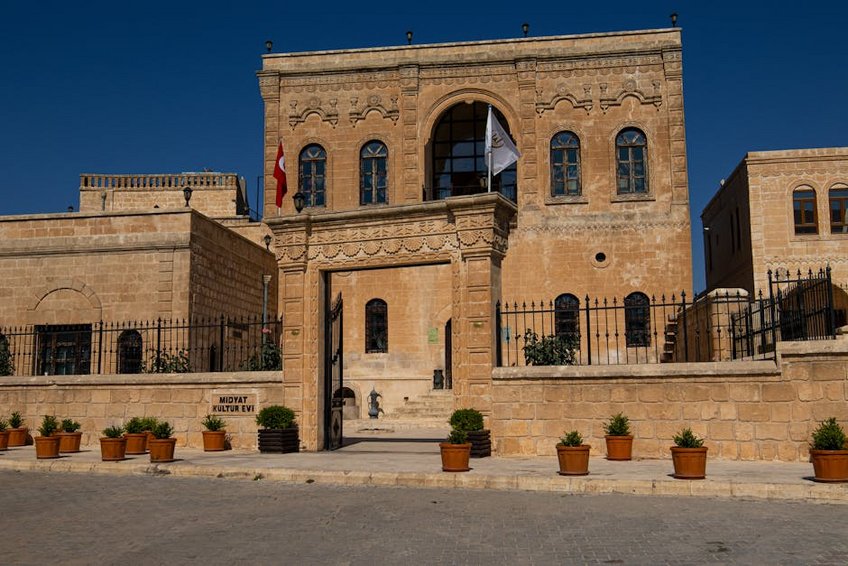
Mardin Travel Guide
Mardin presents a stunning tapestry of history, where golden stone architecture cascades down a Mesopotamian hillside against a dramatic desert backdrop. This ancient city in southeastern Turkey offers a profound cultural journey through its cobbled streets, home to centuries-old Syriac churches, active madrasas, and a unique blend of Kurdish, Arab, and Assyrian heritage. This guide provides the essential details for planning a respectful and immersive visit, from navigating the historic old city to understanding the region’s complex cultural fabric.
Essential Information About Mardin
Perched on a strategic hilltop overlooking the plains of Mesopotamia, Mardin’s history spans over three millennia. The city has been ruled by a succession of empires including the Romans, Byzantines, Seljuks, and Ottomans, each layer visible in its architecture and culture. Today, it stands as the capital of Mardin Province, a UNESCO World Heritage tentative site renowned for its exceptional harmony of stone buildings.
The local population is a mosaic of ethnic and religious communities, primarily Kurdish and Arab, with ancient Assyrian (Syriac) Christian communities maintaining a continuous presence. This coexistence shapes daily life, from the call to prayer echoing between minarets to the sound of church bells. Visitors witness a living heritage site where traditions are actively practiced, not merely displayed.
Key Historical and Cultural Context
Understanding Mardin’s background enriches every step through its alleys.
- The old city’s iconic honey-colored limestone buildings feature intricate *ablaq* masonry (alternating light and dark stone) and elaborate carvings, with architectural styles reflecting Artuqid, Seljuk, and Ottoman influences from the 11th century onward.
- Mardin is a center for Syriac Christianity, housing ancient monasteries like Deyrulzafaran and Mor Gabriel, which have been active centers of faith and Syriac language preservation for over 1,500 years.
- The city’s famous silver filigree work, or *telkari*, represents a centuries-old handicraft tradition, with workshops in the bazaar creating intricate jewelry and artifacts using techniques passed down through generations.
- Budget (Approx. $35-50/day): Staying in a basic local guesthouse (*pansiyon*), eating at lokantas for meals ($3-5 each), using public dolmuş transport, and focusing on free wandering and inexpensive site entries like the museums.
- Mid-Range (Approx. $80-120/day): This covers a comfortable boutique hotel in the old city, restaurant meals ($8-15 per meal), private taxi tours to outlying monasteries, and a guided half-day walking tour for deeper historical context.
- Luxury (Approx. $180+/day): Staying in a premium stone mansion hotel with a terrace view, private driver and expert guide for multi-day tours, fine dining experiences, and purchasing high-quality local crafts like silver filigree or handwoven textiles.
- Mardin Metropolitan Municipality Official Site
- GoTürkiye Official Tourism Portal for Mardin
Climate and Visiting Conditions
Mardin experiences a semi-arid climate with extreme seasonal variations that significantly impact travel comfort. Summers, from June to August, are intensely hot and dry with temperatures regularly soaring between 95°F and 105°F (35°C to 40°C), making extensive outdoor exploration challenging during midday.
Spring (April-May) and autumn (September-October) offer ideal conditions, with daytime temperatures a pleasant 65°F to 80°F (18°C to 27°C) and cooler evenings. Winters are cold, with temperatures often dropping to freezing at night, 32°F (0°C), and occasional rain or rare snow, though days can be crisp and sunny.
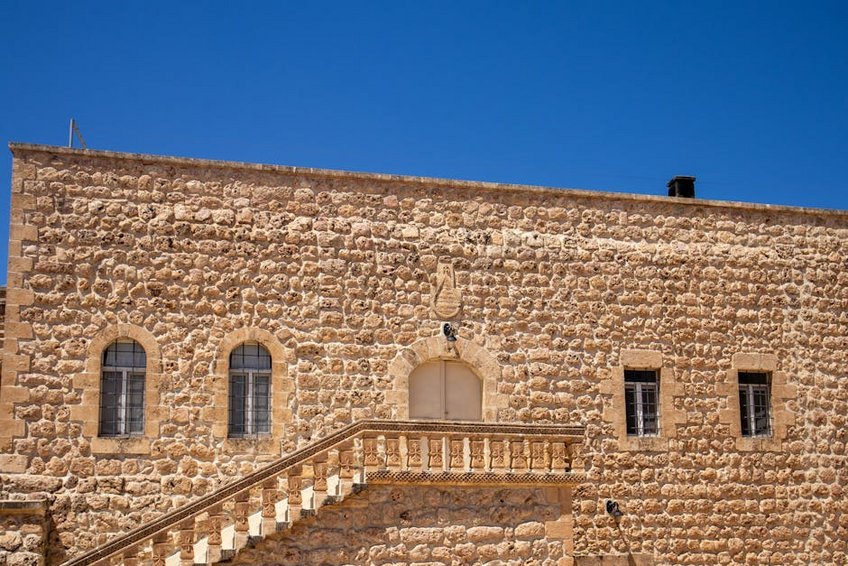
Alt: “mardin-old-city-honey-colored-stone-houses-mesopotamia-plains-view”
Mardin Travel Guide – Planning Your Trip
Successfully navigating this unique destination requires consideration beyond standard Turkish tourism. A thoughtful Mardin itinerary accounts for cultural sensitivity, climatic extremes, and logistical nuances specific to southeastern Anatolia. You will need comfortable walking shoes for steep, uneven streets and a mindset geared toward historical immersion rather than typical resort-style comforts.
Respectful engagement with local communities forms the core of a meaningful visit. Learning a few basic Kurdish or Arabic greetings (like “Merheba” for hello) is appreciated, and modest dress is recommended, especially when visiting religious sites. Your travel budget here often provides greater value compared to western Turkish coasts, with funds directly supporting local artisans and family-run businesses.
Best Time to Visit Mardin
The absolute best months for a visit are April, May, late September, and October. During these periods, you enjoy mild daytime temperatures perfect for walking, typically between 70°F and 80°F (21°C and 27°C), with minimal rainfall and manageable tourist numbers. The light is particularly beautiful for photography during these shoulder seasons.
If you visit in summer, plan your sightseeing for early mornings and late afternoons, resting during the peak heat. Winter visits offer a stark, beautiful atmosphere and no crowds, but some smaller guesthouses or restaurants may have limited hours, and short daylight hours reduce exploration time. Always check the dates of Ramadan, as daytime dining options can be limited in the old city during this holy month.
Budget Planning and Costs
Daily costs can vary widely based on your style. Here’s a typical breakdown.
Essential Preparation Checklist
Pack for variable conditions: layered clothing, a sun hat, high-SPF sunscreen, and robust walking shoes with good grip for slippery stone paths. A power adapter for Turkey (Type F, 220V) is necessary, and a local SIM card from Turkcell or Vodafone upon arrival ensures reliable navigation and translation aid.
Ensure your passport has at least six months’ validity. Most nationalities can obtain an e-Visa online before travel. Purchase comprehensive travel insurance that includes medical evacuation. Book accommodations well in advance for spring and autumn visits, as the best boutique hotels have very limited rooms. Carry some Turkish Lira in cash for small shops and taxis, though cards are widely accepted.
Top Attractions and Activities in Mardin
The magic of this city lies in both its iconic landmarks and its daily street life. Begin at the top of the old city and wander downward, allowing yourself to get lost in the maze of staircases and arched passages. Key sites are relatively close but connected by steep inclines, so pace yourself and take frequent tea breaks at panoramic viewpoints.
Beyond the city center, the surrounding Mardin Province holds profound historical treasures, including some of the world’s oldest continuously operating monasteries. A full appreciation requires venturing out into the arid plateau to visit these ancient complexes, which stand as testaments to resilience and faith across millennia.
Must-See Historical Highlights
The Mardin Museum, housed in a former Assyrian Catholic patriarchate, offers a superb introduction with artifacts spanning the Stone Age to the Ottoman era. Just outside, Zinciriye Medresesi, a 14th-century Islamic school, boasts breathtaking courtyard architecture and arguably the finest panoramic view of the Mesopotamian plains from its rooftop.
Ulu Cami (The Great Mosque), dating back to the 12th century, is a seminal example of Artuqid architecture with its distinctive minaret. For a deeper dive, visit the Sakıp Sabancı City Museum to understand urban development. Dont miss the lively atmosphere of the Revaklı Bazaar for a sensory immersion into local commerce and craft.
Ancient Monasteries in the Plains
Deyrulzafaran Monastery (Saffron Monastery), located about 4 miles east, is a must-visit. This 5th-century Syriac Orthodox complex served as the seat of the patriarchate for centuries and remains active today. Its stone architecture, ancient church, and sun temple foundations are profoundly moving.
Further afield, Mor Gabriel Monastery (Dayro d-Mor Gabriel) is one of the oldest surviving Syriac Orthodox monasteries in the world, founded in 397 AD. The drive there, through villages and rolling plains, is part of the experience. Always check visiting hours in advance, dress modestly, and maintain a respectful silence within the sacred spaces.
Cultural Immersion and Workshops
Seek out a traditional telkari (silver filigree) workshop in the bazaar to watch artisans create delicate jewelry. For a taste of local life, join residents for sunset at the historic post office building terrace, a popular social spot. Consider a short cooking class to learn the secrets of Mardin’s distinctive cuisine, which heavily features lamb, bulgur, and rich spices.
Practical Travel Information for Mardin
Reaching Mardin has become easier with the opening of Mardin Airport (MQM), which receives direct flights from Istanbul and Ankara. The historic core is pedestrian-only, so accessing your hotel may involve a short walk or a porter with a cart. Within the old city, walking is the only way to explore, but wear sturdy shoes for the steep, uneven stone staircases.
Accommodation ranges from authentic stone mansion hotels to simpler family-run guesthouses. Staying within the old city walls is highly recommended for atmosphere, though it means navigating steps. For those with mobility concerns, hotels in the newer lower town, “Yenişehir,” offer easier access and modern amenities, requiring short taxi rides uphill to the historic area.
| Accommodation Type | Best For & Location | Price Range (USD/Night) |
|---|---|---|
| Boutique Stone Mansion | Atmosphere & views; Old City. Example: Erdoba Konaklari. | $80 – $160 |
| Mid-Range Hotel | Comfort & accessibility; Old City edge or Yenişehir. | $50 – $90 |
| Local Guesthouse (Pansiyon) | Budget & authenticity; Old City backstreets. | $25 – $45 |
| Modern Chain Hotel | Familiar amenities & parking; Yenişehir lower town. | $60 – $100 |