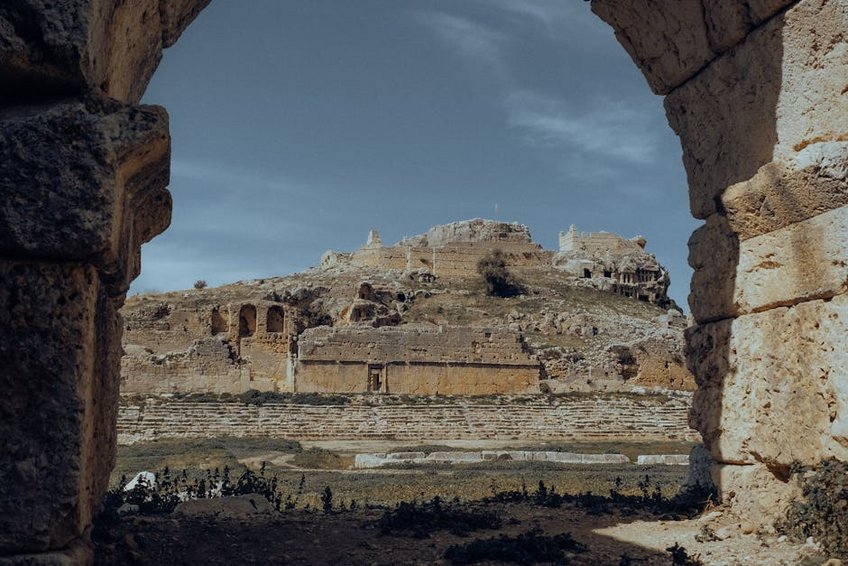
Lycian Way Stage Guide: Hike Turkey’s Mediterranean Coast
The Lycian Way offers one of the world’s premier long-distance coastal treks, weaving 540 kilometers along Turkey’s Turquoise Coast. This ancient footpath connects vibrant towns, secluded beaches, and archaeological wonders, from Fethiye to Antalya. Planning your journey with a detailed Lycian Way stage guide is essential for navigating its diverse terrain and maximizing this Mediterranean hiking experience.
Essential Trail Information and History
The Lycian Way was established in 1999 by British expatriate Kate Clow, linking ancient Lycian footpaths and mule trails. It traverses the rugged Teke Peninsula, a region steeped in history from the Lycian civilization that flourished here over 2,000 years ago. The route is marked with red and white painted stripes, though sections can be faint, making reliable navigation tools necessary.
This Turkish coastal trail crosses multiple environments, from pine forests and mountain passes to dramatic cliffs overlooking the sea. You’ll encounter a blend of challenging ascents, gentle coastal walks, and paths through abandoned villages. Weather plays a crucial role, with summer heat making many sections inadvisable for hiking.
Trail Specifications and Key Facts
Understanding these core details helps set realistic expectations for your trek.
- The official length is 540 km (335 miles), but alternative routes and spurs can extend this. Most hikers complete the full trek in 25-40 days, depending on pace and chosen sections.
- Waymarking consists of red and white paint stripes on rocks and trees. Markers can be faded, missing, or confusing at junctions, so carrying a GPS track or detailed map is non-negotiable.
- The trail is not a continuous path; it frequently uses old forest roads, village lanes, and occasionally short stretches of paved road, connecting the more scenic ancient footpath segments.
- Budget Hiker (Camping): $25-40/day. This covers campground fees (where available), self-cooked food from village markets, and occasional pension stays for showers. Requires carrying a tent, sleeping bag, and cooking kit.
- Mid-Range (Guesthouses): $50-75/day. Includes a bed in a family-run pension, breakfast and dinner (half-board), packed lunches, and drinks. This is the most popular and comfortable option, offering cultural interaction without heavy gear.
- Luxury (Boutique Hotels/Guided): $150-300+/day. Involves staying in upgraded hotels in towns, luggage transfers between accommodations, and/or hiring a local guide for sections. Offers maximum comfort and insight.
- Culture Routes Society of Turkey (Official Trail Maintainers)
- Cornucopia Magazine (Turkish Culture & Travel Resource)
Understanding the Lycian Region
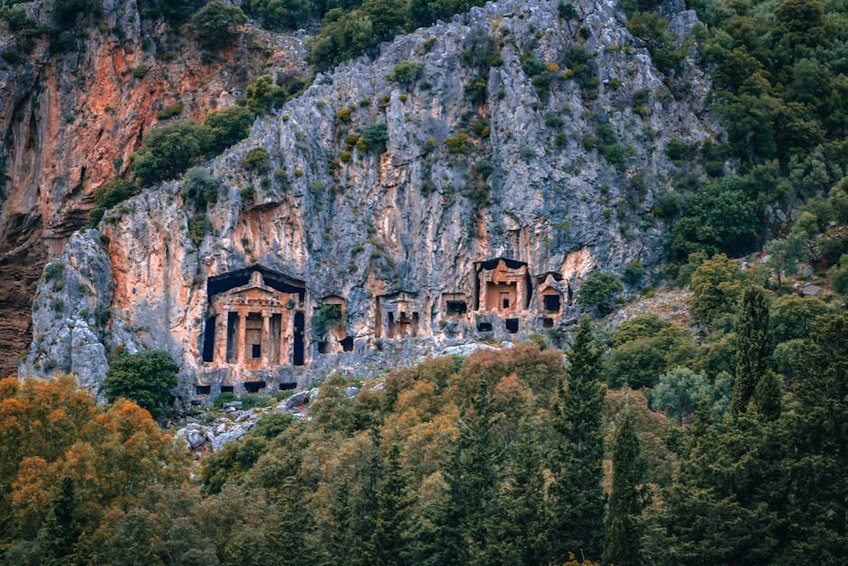
The path is named for the ancient Lycian civilization, a society that left behind impressive cliff tombs, theater ruins, and fortified cities. As you walk, you move through a living landscape where history is layered, from Lycian rock-cut tombs to Byzantine churches and Ottoman-era villages. This cultural journey is as significant as the physical challenge.
Modern-day trekking infrastructure has developed around the route. You’ll find a mix of accommodation, from simple pensions in villages to boutique hotels in towns like Kaş. The trail supports a “credit card tour” style, allowing you to stay in guesthouses and eat in restaurants most nights, reducing the need for heavy camping gear.
Physical and Mental Preparation
The Mediterranean hiking route is graded as moderate to strenuous. It includes significant elevation gain and loss, often on rocky, uneven surfaces. Daily stages can range from 10 to 25 kilometers. Training with a loaded backpack on similar terrain for several months prior is strongly recommended for a comfortable experience.
Mental readiness is equally important. You must be prepared for solitude on remote sections, problem-solving when waymarks are unclear, and flexibility when weather or fatigue dictates a change of plans. Embracing the slow pace and inherent unpredictability is part of the adventure.
Alt: “lycian-way-trail-markers-rocky-path-mediterranean-pines”
Lycian Way Stage Guide – Planning Your Trek
Your Lycian Way stage guide forms the backbone of a successful trip. Breaking the 540km route into manageable daily segments allows you to match distances with your fitness, account for elevation changes, and plan overnight stops where services exist. Most hikers divide the path into approximately 29 key stages, though many create custom itineraries.
Accommodation is not available at every stage endpoint, which significantly influences daily planning. You often need to walk to a specific village with a pension or guesthouse. Booking accommodation a day or two in advance during peak season (April-May, September-October) is wise, though spontaneity is possible in the shoulder months.
The beauty of this Turkish trail is its flexibility. You don’t need to hike it end-to-end. Many travelers select 5-7 day highlight sections, such as the stretch between Faralya and Patara, which offers a perfect mix of cliffs, ruins, and coastal views. Your stage planning should align with your available time and personal interests.
Best Time to Hike the Lycian Way
The ideal hiking windows are spring (April to early June) and autumn (mid-September to November). During April and May, temperatures range from 60-80°F (15-27°C), wildflowers bloom, and the landscape is green. Water sources are more reliable, though you may encounter some rain.
Fall offers similar pleasant conditions, with sea temperatures still warm for swimming. September can be hot, but by October, daytime highs are a perfect 70-75°F (21-24°C). Winter (December-March) brings cold nights, rain, and potential snow on higher passes, while summer (July-August) features extreme heat over 95°F (35°C), making strenuous walking dangerous.
Budget Planning and Costs
Daily costs vary based on your style, from camping to guesthouse stays.
Essential Preparation Checklist
Packing correctly is critical for comfort and safety on this long-distance coastal trek. Footwear is your top priority: invest in broken-in, ankle-supporting hiking boots with sturdy soles for rocky terrain. A 30-40 liter backpack is sufficient if staying in guesthouses; add 10 liters for camping gear.
Essential documentation includes your passport (with 90-day Turkish visa available online for many nationalities), travel insurance that covers hiking and emergency evacuation, and printed copies of your passport and insurance details. Download multiple navigation resources: the official trail map, a GPS app like Maps.me with the trail track, and a guidebook for stage descriptions.
Top Sections and Can’t-Miss Highlights
While the entire path has merit, certain sections deliver exceptionally scenic and cultural rewards. These segments are achievable for hikers with limited time who want to experience the essence of the route. They feature reliable waymarking, available services, and stunning vistas that define the Mediterranean coastal trail experience.
Many of these highlights are clustered in the central part of the trail, roughly between Fethiye and Demre. This area provides the iconic blend of turquoise sea views, ancient ruins perched on hillsides, and traditional village life. Choosing 4-5 consecutive stages from this region often provides the most satisfying sampler hike.
Must-See Highlights
The Butterfly Valley lookout from Faralya is breathtaking. This viewpoint high on the cliffs offers a dizzying panorama of the blue lagoon below, accessible via a steep, dramatic section of path. It’s best visited in the morning for softer light and fewer day-hikers. There is no fee for the viewpoint itself.
Patara Beach, approached from the trail, is an 18km stretch of pristine sand backed by ancient Lycian and Roman ruins. Walking the final kilometers into Patara, with the ruins on your left and the endless beach on your right, is magical. The beach has a small entry fee (approx. $3) which includes access to the extensive archaeological site.
The ancient city of Myra, near Demre, is famous for its enormous rock-cut Lycian tombs and well-preserved Roman theater. While the trail passes nearby, a short detour to explore this site is highly worthwhile. Entry costs around $5, and visiting early helps avoid the midday tour bus crowds.
Hidden Gems and Local Favorites
The village of Gey, situated inland, offers an authentic slice of rural Turkish life rarely seen by coastal tourists. A family-run pension here provides incredible home-cooked meals and a chance to experience village hospitality. The trail to and from Gey passes through beautiful cedar forests.
Karaöz to Adrasan is a coastal stage often missed by those ending in Çıralı. It features quiet pebble beaches, rocky headlands, and excellent snorkeling opportunities in crystal-clear water. The village of Adrasan is a relaxed fishing harbor with good seafood restaurants and simple pensions right on the sand.
Cultural and Archaeological Detours
The trail passes directly through or near dozens of ancient sites. The Lycian rock tombs of Phellos, high above the village of Çukurbağ, require a short, unmarked scramble but reward you with elaborate facades carved directly into the cliff face, utterly alone. Carry plenty of water for this side trip.
The abandoned Greek village of Kaya, near the start of the trail, offers a hauntingly beautiful detour. Empty stone houses overtaken by fig trees and flowers create a poignant atmosphere. It’s accessible via a signed path off the main route and provides deep historical context about the region’s population exchanges in the 1920s.
Practical Travel and Logistics Information
Getting to and moving along the Turkish coastal trail requires some logistical planning. Major international airports serve both ends: Dalaman Airport (DLM) near Fethiye and Antalya Airport (AYT) at the eastern terminus. Frequent domestic flights and long-distance buses connect Istanbul and other Turkish cities to both these hubs.
Along the trail, local dolmuş (shared minibuses) connect most coastal villages and towns, providing an option for skipping a difficult stage or accessing a resupply point. Schedules are infrequent, especially outside summer, so always ask your guesthouse owner for the latest timings. Having some cash (Turkish Lira) is essential for these local transports.
| Accommodation Type | Description & Features | Average Price Range (USD) |
|---|---|---|
| Village Pension (Pansiyon) | Family-run guesthouse, often includes breakfast & dinner, basic private room with ensuite. | $25 – $40 per person, half-board |
| Boutique Hotel | Small, stylish hotels in towns like Kaş or Kalkan; higher comfort, sea views, pool. | $70 – $150 per room |
| Campground | Basic facilities (toilet, cold shower), located near beaches or villages. | $5 – $10 per tent |
| Mountain Hut/Bungalow | Simple, rustic shelters in remote areas like near Mount Olympos; dorm-style, may need own sleeping bag. | $10 – $20 per person |