Istanbul Travel Guide
Istanbul is a mesmerizing metropolis where continents collide, offering a travel experience steeped in millennia of history, vibrant culture, and stunning architecture. Your journey through this guide will provide the essential insights for navigating its chaotic charm, from the Byzantine wonders of Hagia Sophia to the aromatic spice stalls of the Grand Bazaar. We’ll cover practical planning, must-see sights, local culinary delights, and cultural tips to ensure you experience the best of this transcontinental city efficiently and authentically.
Essential Istanbul Information
Straddling the Bosphorus Strait, Istanbul uniquely bridges Europe and Asia, a geographic fact that defines its character and history. Founded as Byzantium, later Constantinople, and finally Istanbul, the city served as the capital for Roman, Byzantine, and Ottoman empires. This layered past is visible at every turn, from ancient cisterns to imperial mosques.
The city operates on Turkey Time (GMT+3) year-round and uses the Turkish Lira (TRY). While Turkish is the official language, you’ll find English widely spoken in tourist districts, hotels, and restaurants. For Western travelers, Istanbul offers excellent infrastructure with modern metro lines, reliable taxis, and countless accommodation options catering to all budgets.
Understanding the city’s layout is your first step to mastering it. The European side is divided by the Golden Horn: the historic Sultanahmet district and the more modern Beyoğlu area. The Asian side, known as Kadıköy and Üsküdar, offers a more local, residential feel and fantastic food markets.
Visa and Entry Requirements
Most travelers need an e-Visa, a quick online process. Check requirements well before your trip.
- US, UK, Canadian, and Australian passport holders must obtain an e-Visa before arrival. The cost is approximately $50 USD for US citizens and $20 USD for many others, valid for 90 days within a 180-day period.
- The application is entirely online through the official Republic of Turkey e-Visa website. You’ll receive the visa via email, which you should print and carry with your passport.
- Ensure your passport is valid for at least six months beyond your date of entry into Turkey. Border officials will check this, and airlines may deny boarding if it’s expired.
- Budget Traveler ($40-60 USD/day): Stay in hostel dorms in areas like Taksim or Sultanahmet, eat street food (balık ekmek, döner) and at local lokantas, use public transport exclusively, and focus on free sights like wandering the Grand Bazaar and visiting mosque courtyards.
- Mid-Range Traveler ($100-180 USD/day): This allows for comfortable boutique hotels in Beyoğlu, daily museum entries (like Topkapi Palace Harem), sit-down restaurant meals, a Bosphorus cruise, and occasional taxi rides. You can enjoy a good mix of experiences without constant financial worry.
- Luxury Traveler ($300+ USD/day): Stay at five-star hotels in Beşiktaş or on the Bosphorus, dine at upscale restaurants like Mikla, hire a private guide for historical sites, take a private yacht tour on the strait, and enjoy spa treatments at a traditional hammam like the Çemberlitaş.
- Istanbul Metropolitan Municipality Official Portal
- Lonely Planet Istanbul Travel Guide
- Official Istanbul Tourist Pass Information
Climate and Weather Patterns
Istanbul experiences four distinct seasons, each offering a different atmosphere for visitors. Summers (June-August) are warm to hot, with average highs between 82-84°F (28-29°C), and can be quite humid and crowded. This is peak tourist season, so expect longer lines at major attractions and higher accommodation prices.
Spring (April-May) and autumn (September-October) are widely considered the ideal times to visit. Temperatures are pleasant, ranging from 59-72°F (15-22°C), with fewer crowds and clearer skies. Winters (November-March) are cold and rainy, with temperatures averaging 41-50°F (5-10°C), but you’ll experience the city with minimal tourists and lower costs.
Navigating Local Customs
Turkish culture is famously hospitable, and a few basic courtesies go a long way. When entering mosques, you must remove your shoes; women should cover their heads with a scarf, and both genders need to dress modestly, covering shoulders and knees. These coverings are often provided at major mosque entrances.
When interacting with shopkeepers or drinking tea, a simple “teşekkür ederim” (thank you) or “lütfen” (please) is appreciated. Tipping is customary in restaurants (5-10%), for hotel staff, and taxi drivers (round up the fare). Bargaining is expected in bazaars, but do so with a smile and friendly demeanor.
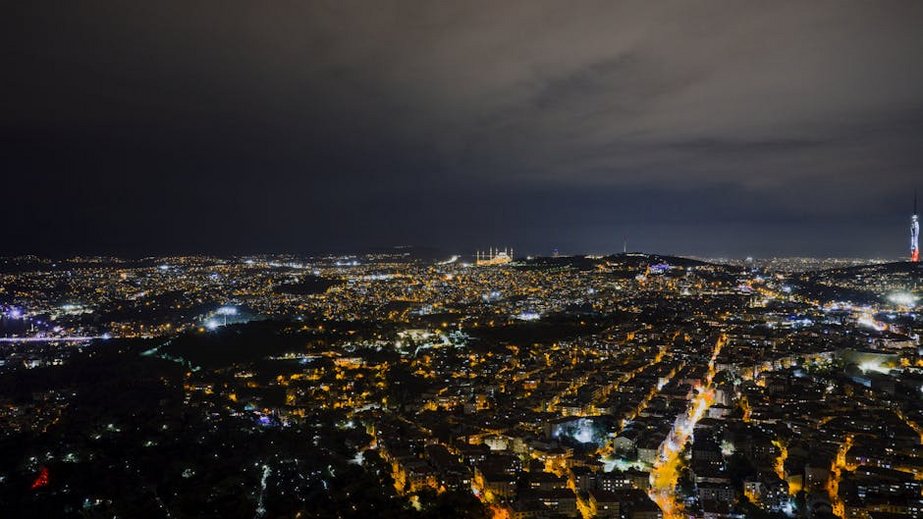
Alt: “istanbul-sultanahmet-district-hagia-sophia-blue-mosque-skyline”
Istanbul Travel Guide – Planning Your Trip
Creating a smart itinerary is crucial for enjoying this vast city without feeling overwhelmed. A well-structured Istanbul travel guide prioritizes geographic clustering of sights to minimize travel time. Dedicate your first days to the Sultanahmet area, home to the Blue Mosque and Topkapi Palace, then explore Beyoğlu and cross the Bosphorus for a more complete perspective.
Your budget will directly shape your experience. Accommodation costs vary dramatically between a hostel in Beyoğlu and a five-star hotel with Bosphorus views. Similarly, dining can range from a few dollars for a street simit (sesame bread ring) to a hundred dollars for a multi-course meze feast at a waterfront restaurant.
Purchase an Istanbulkart, the city’s rechargeable public transportation card, immediately upon arrival. It works on all metros, trams, buses, and ferries at a discounted rate and saves you from fumbling for change. Download offline maps and the BiTaksi app for reliable taxi hailing to avoid potential overcharges from street-hailed cabs.
Best Time to Visit Istanbul
The absolute best months for a visit are late April to early June and September to October. During these shoulder seasons, daytime temperatures sit comfortably between 65-75°F (18-24°C), perfect for walking. Crowds are manageable, and hotel prices are more reasonable than the summer peak.
July and August bring intense heat, with temperatures often exceeding 86°F (30°C), alongside dense crowds at every major monument. Conversely, November through March sees frequent rain and chilly winds, but you’ll have iconic sites like the Hagia Sophia almost to yourself, and hotel rates can drop by 30-50%.
Budget Planning and Costs
Daily costs vary widely based on your travel style. Here’s a realistic breakdown for different budgets.
Essential Preparation Checklist
Pack comfortable, sturdy walking shoes as you’ll be on your feet for miles on cobblestone streets. Include modest clothing for mosque visits: long skirts or pants and shawls for women, long trousers for men. A lightweight rain jacket is advisable year-round, and a power adapter for Type F sockets (European standard, 220V) is essential.
Secure comprehensive travel insurance that covers medical emergencies and trip cancellations. Book your top-choice hotels and flights several months in advance for peak season visits. Inform your bank of your travel plans to avoid card blocks, and consider obtaining a small amount of Turkish Lira from an ATM at the airport for immediate expenses.
Top Attractions and Must-See Sights
Istanbul’s historical core in Sultanahmet contains an astonishing concentration of world heritage sites within walking distance. Begin at Hagia Sophia, a 6th-century architectural marvel that has served as a cathedral, mosque, and now a museum. Across the square, the Blue Mosque impresses with its cascade of domes and exquisite Iznik tilework.
Just a short walk away, the sprawling Topkapi Palace offers a glimpse into the opulent lives of Ottoman sultans for nearly 400 years. Don’t miss the Harem section and the treasury with the famous Topkapi Dagger. Beneath the city streets, the Basilica Cistern’s forest of columns and mysterious Medusa heads creates an eerily beautiful underground world.
For a change of pace, cross the Galata Bridge to Beyoğlu. Ascend the Galata Tower for panoramic 360-degree views, then wander down the iconic İstiklal Avenue, a bustling pedestrian street lined with shops, cafes, and historic passageways. A ride on the nostalgic red tram is a must.
Historical Landmarks and Museums
The Archaeological Museums near Topkapi Palace house an unparalleled collection, including the Alexander Sarcophagus. The Turkish and Islamic Arts Museum, located in the former Ibrahim Pasha Palace, showcases stunning carpets, calligraphy, and ethnographic exhibits. Both are often less crowded than the main attractions.
For Byzantine history, the Chora Church (Kariye Museum), though slightly farther out, contains the most magnificent surviving Byzantine mosaics and frescoes in the city. The Süleymaniye Mosque, designed by the legendary architect Mimar Sinan, offers a more serene and local experience than the Blue Mosque, with incredible views from its courtyard.
The Dolmabahçe Palace on the Bosphorus shore represents the 19th-century Ottoman shift toward European opulence, featuring a colossal crystal staircase and a 4.5-ton Bohemian crystal chandelier. Timed-entry tickets are required and often sell out by midday.
Markets, Bazaars, and Local Life
No visit is complete without getting lost in the Grand Bazaar, one of the world’s oldest and largest covered markets. With over 4,000 shops across 61 streets, it’s a labyrinth of jewelry, ceramics, textiles, and spices. Remember, bargaining is part of the fun here.
For a more authentic and less touristy market experience, visit the Spice Bazaar (Egyptian Bazaar), where the air is thick with the scent of saffron, sumac, and dried herbs. Afterwards, explore the adjacent neighborhood of Eminönü for its bustling ferries and street food stalls selling fried mussels and fish sandwiches.
On the Asian side, the Kadıköy market is where locals shop for fresh produce, cheeses, olives, and seafood. It’s an excellent place to experience daily life, sample regional specialties, and enjoy a coffee at one of the many quirky cafes that have sprung up in the surrounding streets.
Bosphorus Experiences
A journey on the Bosphorus is essential to understand Istanbul’s split personality. The public ferry from Eminönü to Kadıköy or Üsküdar is an inexpensive and authentic way to cross continents. For a longer tour, take the official Şehir Hatları ferry that goes up the strait to the charming village of Anadolu Kavağı, near the Black Sea.
For a lavish experience, consider a sunset cruise on a private yacht or a traditional wooden gulet. You’ll glide past Ottoman-era waterfront mansions (yalıs), the imposing Rumeli Fortress, and modern bridges linking the continents. The view of the city skyline at dusk, with minarets silhouetted against an orange sky, is unforgettable.
Practical Travel Information
Getting around Istanbul is easier than its size suggests, thanks to an extensive and integrated public transport network. The tram is most useful for tourists, connecting Sultanahmet, the Grand Bazaar, and across the Galata Bridge to Kabataş. From there, a funicular ascends to Taksim Square.
The metro system is fast and efficient for longer distances, such as traveling to the airport or newer districts. Buses cover every corner of the city but can be confusing for non-Turkish speakers. For the most scenic and relaxing transport, the ferries are unbeatable, connecting European and Asian sides at multiple points.
Taxis are plentiful and relatively inexpensive, but insist the driver uses the meter (“*sağ olun, taksimetre lütfen*”). Ride-hailing apps like BiTaksi work well and provide upfront pricing. Traffic is famously congested, especially during rush hours, so the metro or ferry is almost always faster for cross-city journeys.
| Accommodation Type | Best Areas & Features | Average Price Range (USD/Night) |
|---|---|---|
| Hostels & Budget Hotels | Sultanahmet (walk to sights), Taksim (nightlife), Kadıköy (local vibe). Basic amenities, shared facilities common. | $15 – $50 |
| Boutique Hotels & Mid-Range | Beyoğlu/Cihangir (trendy, artistic), Karaköy (up-and-coming, near Galata). Often in restored buildings, with breakfast included. | $70 – $180 |
| Luxury & Heritage Hotels | Beşiktaş/Nişantaşı (upscale shopping), Bosphorus Shore (spectacular views). World-class service, spas, fine dining, historical settings. | $250 – $600+ |
| Short-Term Apartment Rentals | Various neighborhoods like Beşiktaş or on the Asian side. Ideal for longer stays, families, or self-catering. Verify location carefully. | $40 – $150 |