Bologna Travel Guide: Exploring Italy’s Historic Red City
Your Bologna travel guide is essential for unlocking Italy’s most authentic city, where rich culinary traditions meet captivating medieval architecture under endless porticoes. This northern Italian gem, the capital of the Emilia-Romagna region, offers a distinct experience from the country’s more crowded tourist hubs, providing a deeper look into university life, historic preservation, and gastronomic excellence. This guide provides detailed planning tips, cost breakdowns, and cultural insights to help you explore Piazza Maggiore, climb the iconic towers, and savor authentic tortellini in its birthplace.
Essential Bologna Information
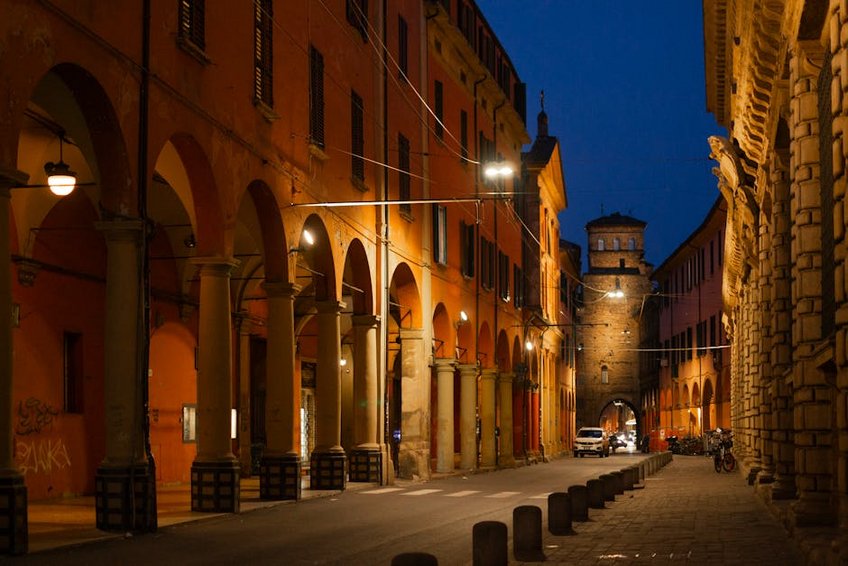
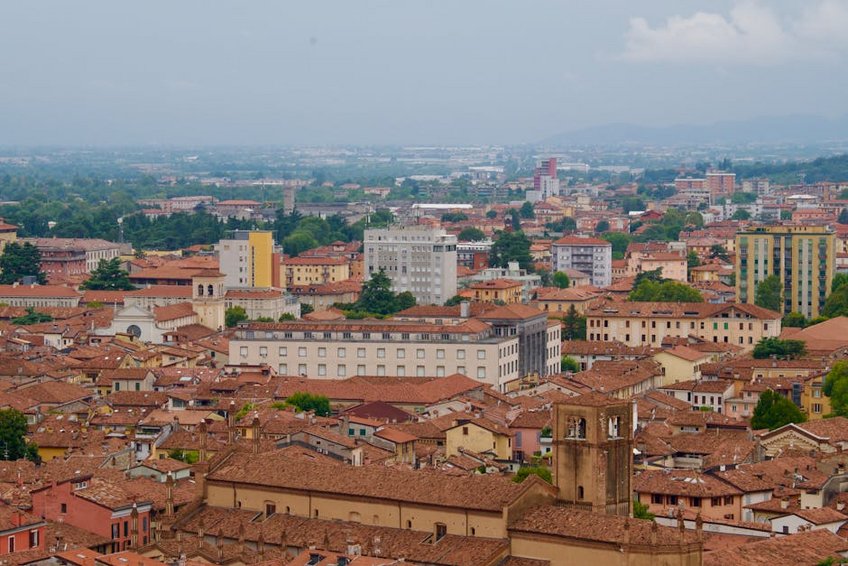
Bologna, affectionately nicknamed “La Rossa” (the red) for its terracotta rooftops and political history, serves as the lively capital of the Emilia-Romagna region. The city’s historic center is one of Europe’s largest and best-preserved, earning it UNESCO recognition, with over 38 kilometers of elegant porticoes offering sheltered strolls. Founded by the Etruscans and later a major Roman hub, its layered history is visible at every turn, from ancient ruins to Renaissance palaces.
As home to the Western world’s oldest university, founded in 1088, Bologna maintains a vibrant, youthful energy that balances its deep historical roots. The student population ensures a dynamic nightlife, affordable eateries, and a contemporary cultural scene alongside timeless traditions. This unique fusion creates an atmosphere that feels both scholarly and spirited, historic yet thoroughly lived-in.
What Makes Bologna Unique
Several key elements define the city’s character and distinguish it from other Italian destinations.
- The Porticoes: These iconic covered walkways, spanning over 38 km, are a UNESCO World Heritage site and provide beautiful, practical shelter from sun and rain while connecting the city’s major landmarks.
- Epicurean Excellence: As the capital of Italy’s premier food region, Bologna is the birthplace of tagliatelle al ragù, tortellini, and mortadella, offering culinary depth beyond typical tourist fare.
- The Two Towers: The leaning Asinelli and Garisenda towers, medieval symbols of family prestige, dominate the skyline and offer panoramic views from the top of the taller Asinelli Tower.
- Budget Traveler ($65-100/day): Stay in a hostel or budget hotel ($25-40/night), enjoy street food and pizza al taglio from market stalls for meals ($15-25/day), walk everywhere, and focus on free sights like piazzas and churches. A pass for the city’s efficient bus system costs about $1.50 per ticket.
- Mid-Range Traveler ($150-250/day): Book a central 3-star hotel or B&B ($80-150/night), dine at traditional trattorias for lunch and dinner ($40-70/day), climb the Asinelli Tower ($5), take a guided food tour ($65-90), and use taxis or regional trains for short trips.
- Luxury Traveler ($350+/day): Stay at a 4- or 5-star historic hotel like Grand Hotel Majestic ($200-400/night), enjoy multi-course meals at renowned restaurants like I Carracci or All’Osteria Bottega ($100-150/day), arrange private guided tours, and take a chauffered day trip to a Parmigiano Reggiano or balsamic vinegar producer.
- Bologna Welcome Official Tourism Site
- Italian National Tourist Board – Bologna
Historical Background in Brief
Bologna’s history as a settlement stretches back over 3,000 years to the Etruscans, who named it Felsina. The Romans later established it as Bononia, a crucial hub along the Via Emilia, the remnants of which still shape the urban plan. During the Middle Ages, the city flourished as a free commune, constructing its defining towers and the monumental Piazza Maggiore as a civic center.
The founding of its university cemented its status as a center of learning and progressive thought, attracting scholars from across Europe. Subsequent rule by the Papal States and incorporation into a unified Italy added further architectural and cultural layers. This rich tapestry explains the city’s remarkable depth, where Etruscan artifacts, Roman roads, medieval towers, and Renaissance frescoes coexist.
City Layout and Neighborhoods
The historic center is neatly organized around the Two Towers and Piazza Maggiore, making it wonderfully walkable. Key districts include the University Quarter, bustling with students and affordable trattorias, and the Mercato di Mezzo area, the heart of the food market scene. The quiet Santo Stefano district, with its unique complex of seven churches, offers a more serene atmosphere just steps from the main squares.
For a local feel, venture to the residential Saragozza neighborhood or the creative vibe of the Manifattura delle Arti area, home to modern museums and cultural spaces. Each area provides a different perspective on Bolognese life, all connected by the ubiquitous and charming porticoes that make navigation a pleasure in any weather.
Alt: “bologna-porticoes-university-quarter-historic-architecture”
Bologna Travel Guide: Planning Your Trip
A successful Bologna travel guide must focus on timing and priorities, as the city’s offerings vary dramatically by season. While the historic core is compact, allocating days for both iconic sights and leisurely culinary exploration is key. Advance booking for tower climbs and popular food tours is highly recommended, especially during peak periods, to secure your spot and avoid long queues.
Budget planning here is less about major attractions and more about dining experiences and day trips. The city itself can be enjoyed on a moderate budget, with many churches and piazzas free to explore. Investing in a quality meal at a traditional trattoria or a guided food tour often provides the most memorable value, delivering authentic tastes of Emilia-Romagna’s world-renowned cuisine.
Best Time to Visit Bologna
Visit Bologna during the shoulder seasons of spring (April to May) and autumn (September to October) for ideal conditions. During these months, temperatures range from a pleasant 60-75°F (15-24°C), crowds are manageable, and the surrounding countryside is at its most vibrant. This is perfect for walking the porticoes, dining outdoors, and taking day trips to nearby Parma or Modena.
Summer (June to August) brings heat, with highs often exceeding 86°F (30°C), and larger tourist crowds, though the porticoes provide shade. Winter (November to March) is cool, 35-50°F (2-10°C), and occasionally foggy, but offers a truly local atmosphere, fewer tourists, and the chance to enjoy rich, hearty cuisine in cozy settings. Major cultural events and trade fairs can fill hotels year-round, so check the calendar.
Budget Planning and Costs
Daily costs can vary widely based on your dining and accommodation choices.
Essential Preparation Checklist
Pack comfortable walking shoes with good support for cobblestone streets and long stretches under the porticoes. Bring layers, as weather can shift, and include a light rain jacket or umbrella for unexpected showers. A reusable water bottle is useful for refilling at the city’s ancient fontanelle (small fountains) offering cool drinking water.
Ensure your passport is valid for at least three months beyond your planned departure from the Schengen Area. While not mandatory, travel insurance with medical coverage is strongly advised. Book your accommodation at least two to three months in advance if visiting during a trade fair (like Cersaie or Cosmoprof) or in peak season. Learn a few basic Italian phrases; while many speak English in tourist areas, greetings are appreciated.
Top Attractions and Activities
Bologna’s charm lies in the seamless blend of monumental sights and everyday Italian life unfolding in its porticoed streets. Must-see landmarks include the sprawling Piazza Maggiore, flanked by the Basilica di San Petronio and the Palazzo Comunale. The adjacent Neptune Fountain is a stunning Mannerist masterpiece and a popular meeting point. All these sites are within a few minutes’ walk of each other, allowing for an immersive historical experience.
Beyond the main square, the Archiginnasio Palace, the original university seat, houses a breathtaking anatomical theatre and historic lecture halls. The Santo Stefano complex, known as the “Seven Churches,” is a peaceful labyrinth of interconnected religious buildings dating from different eras. Each site tells a part of the city’s long, layered story, from its spiritual to its academic prominence.
Must-See Highlights
The Two Towers (Le Due Torri) are Bologna’s undeniable symbol. For a small fee, you can climb the 498 wooden steps of the Asinelli Tower for a breathtaking 360-degree panorama of the red-roofed city and surrounding hills. The adjacent Garisenda Tower, which leans even more dramatically, is not open to the public. Visit early in the morning to avoid lines and for the best morning light for photography.
The Basilica di San Petronio, one of the world’s largest churches, dominates Piazza Maggiore. Its unfinished facade hints at historical intrigues, while the interior holds the remarkable Cassini sundial. Admission is free, but a small donation is customary. The nearby Palazzo dell’Archiginnasio, with its elaborate heraldic ceiling and historic Anatomical Theatre, is a testament to the city’s scholarly past and requires a modest entry fee.
Hidden Gems and Local Favorites
Venture to the Quadrilatero market area, just east of Piazza Maggiore, for a sensory overload of food stalls, delicatessens, and traditional shops selling fresh pasta, cheese, and cured meats. This is where locals shop, and it’s ideal for assembling a picnic or simply observing daily life. For a unique view, find the tiny window in Via Piella that opens onto a view of the hidden Canale delle Moline, a remnant of Bologna’s network of canals.
The Sanctuary of the Madonna di San Luca is connected to the city center by the world’s longest portico, a 3.8 km covered walkway with 666 arches. The pilgrimage walk uphill is rewarding, offering panoramic views and leading to the important hilltop church. Alternatively, take the San Luca Express tourist train from the city center. The Montagnola Park is a lovely green space perfect for a leisurely stroll or a rest away from the urban bustle.
Culinary Workshops and Tours
Participating in a hands-on cooking class is a highlight for many visitors. Several local schools offer classes where you learn to make fresh pasta like tagliatelle and tortellini, paired with lessons on preparing the perfect ragù. These typically last 3-4 hours and include eating your creations, often with wine. It’s a memorable way to bring a taste of Emilia-Romagna home with you.
Guided food tours through the Quadrilatero or Mercato di Mezzo provide context and access to trusted vendors. A knowledgeable guide will explain the differences between traditional balsamic vinegar (Aceto Balsamico Tradizionale) and commercial versions, let you taste aged Parmigiano Reggiano, and help you select authentic products. These tours demystify the local food culture and are an excellent investment for food enthusiasts.
Practical Travel Information
Navigating Bologna is straightforward thanks to its compact, walkable center and efficient public transport system. Guglielmo Marconi Airport (BLQ) is one of Italy’s most convenient, located just a 20-minute bus or taxi ride from the city center. The central train station, Bologna Centrale, is a major high-speed rail hub, connecting you to Florence in 35 minutes, Milan in one hour, and Rome in two hours.
Accommodation options are plentiful, ranging from luxury hotels in historic palaces to charming boutique B&Bs and budget-friendly hostels. Staying within the historic center, inside the ring of viali (boulevards), is recommended to be within walking distance of all major sites. Be aware that the ZTL (Limited Traffic Zone) restricts car access in the center, so if driving, confirm your hotel’s parking and access policy in advance.
| Accommodation Type | Options & Features | Price Range (USD/Night) |
|---|---|---|
| Budget Hostel/Guesthouse | Dorm beds or basic private rooms, often near the station, shared facilities | $25 – $60 |
| Mid-Range Hotel/B&B | 3-star comfort, private bathrooms, central location, breakfast often included | $80 – $180 |
| Luxury Hotel | 4/5-star historic properties, spa services, fine dining, prime central piazza locations | $200 – $450+ |
| Vacation Apartment | Full kitchen, more space, living area, ideal for longer stays or families | $100 – $250 |